
Pruning
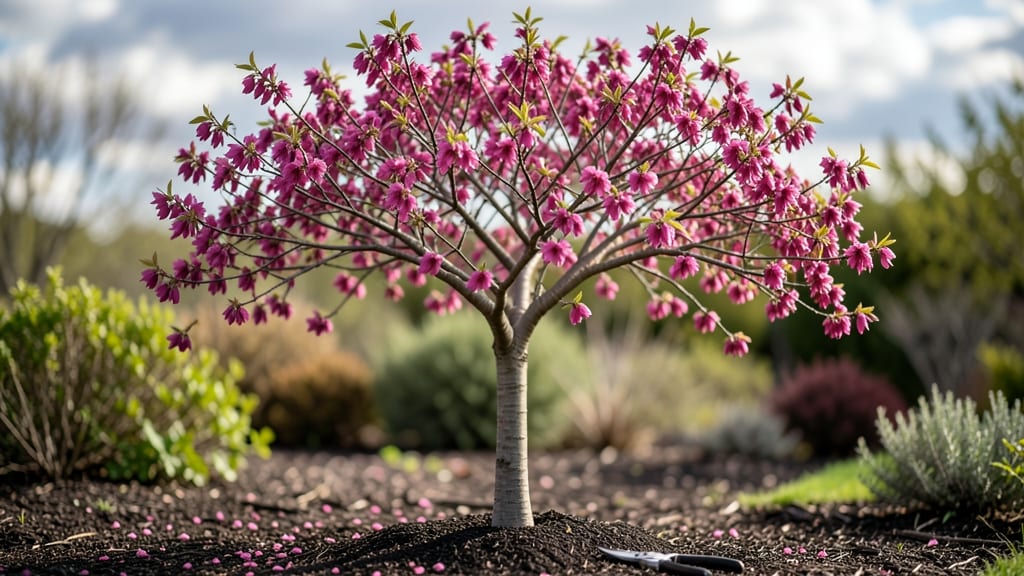
That first flush of pink in late winter is what makes a single-stem redbud tree worth every minute of care. 🌸 In the Pacific Northwest, where damp springs can drown weaker bloomers, this tree stands out with its bold, early flowers and sturdy single trunk—no messy branches to prune away.
The secret lies in how you shape it from the start, because a single-stem redbud isn't just planted—it's sculpted.
Start with a young tree and give it room to grow: 6-8 feet of space between it and other plants or structures. The soil should drain well but hold moisture—think loamy, slightly acidic mix with a handful of compost worked in.
Too much clay? Amend it with sand. Too sandy? Add organic matter. Water deeply after planting, then keep the soil evenly moist (not soggy) for the first year while roots establish.
Pruning is where the magic happens. Every late winter, before buds swell, remove any low branches that could interfere with the clean trunk. If side shoots appear, trim them back to a bud facing outward—this keeps the tree's iconic single-stem form.
By spring, you'll be rewarded with vibrant magenta blooms that cover the branches before the leaves even appear, turning your yard into a showstopper.
Watch for aphids on new growth and powdery mildew in humid summers—both are common but easily managed with neem oil or proper spacing. With the right care, your redbud will thrive for decades, its spring display becoming the centerpiece of your garden.
The best part? It handles the PNW's wet winters like a champ.
📚 In This Guide
- What you need
- Instructions
- Tips and common mistakes
- Wrapping up and next steps
What you need
- ● Pruning shears: Bypass pruners (sharp, clean, and 10-12 inches long) for small branches.
- ● Loppers: For thicker branches (1.5–2 inches in diameter), with long handles for leverage.
- ● Pruning saw: A curved-tooth saw for branches 2+ inches thick (avoid crushing the bark!).
- ● Disinfectant: 70% isopropyl alcohol or a 10% bleach solution to sterilize tools between cuts.
- ● Gloves: Heavy-duty gardening gloves (cut-resistant if pruning thorns or rough branches).
- ● Rubbing alcohol wipes: For quick tool sanitization in the field.
- ● 5-gallon bucket: To collect pruned branches and debris.
- ○ Sharpie marker: For labeling cuts (optional but helpful for tracking progress).
- ● Pruning sealant: Tree wound sealant (like Tanglefoot) for large cuts (controversial—some experts say it’s unnecessary!).
- ● Ladder: A stable, extendable ladder (6–8 ft) if your tree is tall.
- ● Safety glasses: To protect against debris (especially if using a saw).
- ● Work vest or apron: With pockets to keep tools handy.
- ● Hand pruners (small):strong> For delicate trimming of 1/4-inch branches.
- ● Check the weather: Prune on a dry, overcast day (avoid windy or rainy conditions).
- ● Know your tree’s age: Young redbuds (3–5 years) need lighter pruning than mature trees.
- ● Review your goals: Decide if you’re pruning for shape, health, or blooms before you start.
- ● Gather inspiration: Sketch or take photos of your tree’s current structure for reference.
How to plant and care for a single-stem redbud tree
Here's the straightforward method I've used to grow thriving redbuds in the Pacific Northwest.
🌱 Step 1: Choose the Perfect Planting Location
Redbuds thrive in full sun to partial shade—at least 6 hours of sunlight daily—but they tolerate light shade in hotter inland areas. In the Pacific Northwest's cooler climate, a spot with morning sun and afternoon shade works beautifully. Avoid low spots where cold air pools, as redbuds dislike soggy roots.
I always dig a hole twice as wide as the root ball but only as deep as the container's base. This prevents burying the trunk too deeply, which can cause rot. Loosen the soil at the bottom of the hole with a shovel to encourage root spread.
🪴 Step 2: Plant with Proper Spacing and Support
For a single-stem redbud, dig the hole 15-20 feet from structures like fences or buildings to allow mature growth. The root ball should sit level with the surrounding soil—never higher or lower. Gently remove the tree from its container and place it in the hole, ensuring the trunk faces the direction you want it to grow (usually away from prevailing winds).
Fill the hole with native soil, tamping down lightly every 6 inches to remove air pockets. Water deeply after planting to settle the soil. I like to add 2-3 inches of wood chips around the base (but not touching the trunk) to retain moisture and suppress weeds.
☀️ Step 3: Water and Mulch for First-Year Establishment
Water deeply 2-3 times per week for the first month, then taper to once a week once new growth appears. You'll know it's enough when water drains 6-8 inches deep—stick your finger in the soil to check. Overwatering is the biggest mistake I see with new trees.
Apply 2-3 inches of mulch (like shredded bark) in a 3-inch-wide ring around the base, keeping it 6 inches away from the trunk. This protects roots from temperature swings and retains moisture. Replenish mulch annually in early spring.
✂️ Step 4: Prune for Structure and Bloom Health
Wait until late spring after flowering to prune—never in fall or winter. Remove any dead, crossing, or inward-growing branches first, cutting just above a bud or branch collar. Redbuds naturally have a graceful shape, so minimal pruning keeps them looking their best.
If you notice leggy growth, prune back overly long branches by 1/3 to encourage bushier form. Never remove more than 25% of the canopy in one season. I also remove any suckers at the base—they divert energy from the main stem.
Tips & tricks for perfect single-stem redbud planting
Here's what I've learned after planting dozens of redbuds in the Pacific Northwest—these small details make all the difference.
Location Scout Like a Pro: When choosing your spot, walk through it at different times of day. Redbuds love morning sun but can handle afternoon shade in hotter inland areas. I always check for overhead power lines too—redbuds grow up to 25-30 feet tall, and you don't want surprises later! The 6 hours of sunlight mentioned is a minimum, but more is better for that spectacular spring bloom.
Root Ball Prep Secret: Before planting, gently loosen the root ball's edges if it's tightly packed from the container. This encourages roots to spread into the native soil right away. I also soak the root ball for 10-15 minutes before planting—it helps prevent transplant shock. The twice-as-wide hole you dig gives roots plenty of room to establish without competing with surrounding plants.
Watering Wisdom: That first month is critical! The 2-3 times per week watering should happen at the same time each day—morning is best. I use a rain gauge to measure about 1 inch of water each time, which matches the 6-8 inch deep drainage check. Pro tip: Water slowly so it soaks in rather than running off—redbuds hate soggy roots but love consistent moisture.
Pruning Precision: When you're ready to prune in late spring, take your time with those cuts. Use clean, sharp pruners and make cuts just above a bud or branch collar—never leave stubs. I mark my pruning spots with a piece of masking tape before cutting to visualize where the branch will naturally grow. That 1/3 reduction on leggy branches works wonders for encouraging bushier growth without shocking the tree.
Pro Tips for Single Stem Redbud Tree
- Here's what I've learned after planting dozens of redbuds in the Pacific Northwest—these small details make all the difference.
- Location Scout Like a Pro: When choosing your spot, walk through it at different times of day.
- Root Ball Prep Secret: Before planting, gently loosen the root ball's edges if it's tightly packed from the container.
Frequently asked questions
Got questions about growing and caring for your single stem redbud tree? You’re not alone!
Whether you’re a first-time gardener or a seasoned PNW landscaper, these FAQs cover the most common concerns—from planting to pruning. Let’s dive in!
What’s the best time to plant a single stem redbud tree in the Pacific Northwest?
The ideal window is fall (September–October) or early spring (March–April). Fall planting gives roots time to establish before winter, while spring ensures growth aligns with warmer temperatures. Avoid planting in late fall or winter—frost can stress young trees.
How and when should I prune my redbud tree to maintain its single-stem form?
Prune in late winter or early spring (before buds swell) to shape the tree and remove dead/diseased branches. Focus on one central leader—cut competing stems at the base. Avoid heavy pruning in fall, as it can stimulate new growth vulnerable to frost.
Are single stem redbud trees prone to pests or diseases in the PNW?
They’re generally low-maintenance, but watch for aphids, spider mites, or powdery mildew in humid summers. Improve airflow with proper spacing, and hose off leaves to deter pests. Fungal issues? Prune for airflow and avoid overhead watering.
Can I grow a single stem redbud tree in a container, or is it better planted in the ground?
While possible in large containers (20+ gallons), redbuds thrive best in the ground. Containers limit root growth and may stunt blooms. If container-grown, use well-draining soil and repot every 2–3 years.
How long does it take for a single stem redbud tree to bloom after planting?
Patience pays off! Expect first blooms in 2–3 years for container-grown trees or 1–2 years for field-grown saplings. Healthy trees (6+ feet tall) bloom more reliably. Mulch and water consistently to encourage faster establishment.
Pro Tip:
For bold spring color, plant your redbud near a south-facing window or wall—it’ll get more sunlight and bloom earlier! Pair it with dwarf rhododendrons or heucheras for a PNW-friendly understory.
Wrapping up and next steps
The single stem redbud tree is a standout choice for Pacific Northwest gardeners, offering stunning spring blooms and low-maintenance resilience. With the right pruning techniques—like timing, tool selection, and shaping—you can keep it thriving for years.
Your efforts will reward you with vibrant pink blossoms and a healthier tree that stands out in your landscape.
Ready to transform your garden? Grab your pruners and start planning your next pruning session! Your redbud’s beauty is just a cut away. 🌸✂️