
Pruning
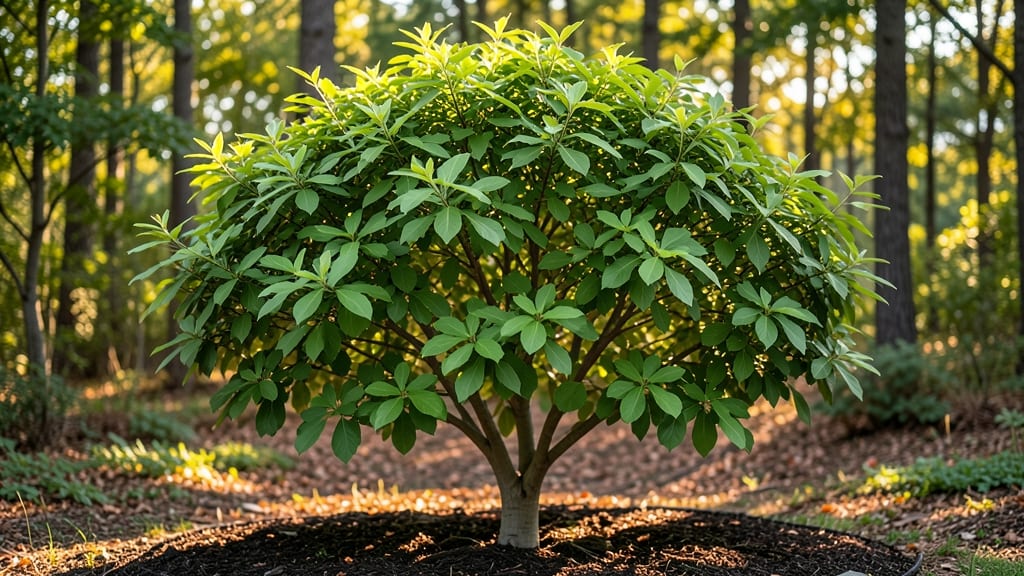
Summer can turn your redbud tree’s stunning spring blooms into a sad, leafy shadow—unless you act now. 🌿 I’ve watched these trees go from showstopper to struggling in just a few months, but the right summer care keeps them vibrant.
The key isn’t just pruning (though that helps); it’s watering, mulching, and spotting problems early before they spiral.
Redbuds hate summer heat, and their delicate leaves burn easily when stressed. A thick layer of mulch keeps roots cool, while deep watering twice a week prevents leaf scorch. I’ve seen trees recover from drought damage with just these two adjustments—no fancy tools needed.
The goal is to mimic their natural woodland habitat, where dappled shade and consistent moisture keep them thriving.
You’ll notice the difference by late summer: glossy, deep-green leaves instead of crispy edges, and branches that stay sturdy against storms. Even the pests—like spider mites—back off when the tree isn’t struggling.
The secret? Watch for wilting or yellowing leaves as your early warning system. Act fast, and your redbud will bounce back stronger for next spring’s blooms.
This works whether your tree’s in a city planter or a rural yard—just adjust watering for container size. The same principles apply to all redbud varieties, from the classic Cercis canadensis to weeping types. Let’s get your tree summer-ready before the heat peaks.
📚 In This Guide
- What you need
- Instructions
- Tips and common mistakes
- Wrapping up and next steps
What you need
- ● Pruning shears: Bypass pruners (for cuts up to ½ inch thick) – sharpness is non-negotiable!
- ● Loppers: 1 pair (for branches ½ to 1½ inches thick) – look for ergonomic handles for comfort
- ● Pruning saw: 1 handheld saw (for thicker branches, 1½+ inches) – curved blade for smoother cuts
- ● Disinfectant: 70% isopropyl alcohol or a pruning sealant (to prevent disease spread)
- ● Garden gloves: 1 pair (nitrile-coated for grip and protection)
- ● Ladder or step stool: Adjustable height (if your tree is 6+ feet tall)
- ● Trash bags: 2–3 heavy-duty bags (for debris cleanup)
- ○ Marking twine or flags: Optional but helpful for tagging branches to remove
- ● Hand pruners with a ratchet mechanism: Reduces hand fatigue for larger jobs.
- ● Safety glasses: Protects eyes from debris (especially if sawing thick branches).
- ● Tree wound dressing: Controversial but useful for sealing large cuts (follow up with research!).
- ● Extension pole pruners: For high branches without a ladder.
- ● Notebook & pen: To jot down notes on branch placement or growth patterns.
How to prune redbud trees for summer health and spring bloom
Here's the precise method I use to keep redbuds thriving through summer while preserving next year's stunning blooms.
✂️ Step 1: Remove Dead or Diseased Wood First
Start by scanning the tree for any branches that are completely brown, brittle, or showing signs of fungal infection like black spots or oozing sap. These branches won't recover and will only drain energy from healthy growth. Use clean, sharp pruning shears to make cuts just outside the branch collar—the swollen area where the branch meets the trunk.
I always prune out dead wood first because it's the only cut that's purely about tree health. The goal here is sanitation, not shaping. If you see a branch that's been broken but still has green leaves at the tip, don't remove it yet—this might be a candidate for summer pruning to encourage new growth.
✂️ Step 2: Thin the Canopy for Better Airflow
Next, focus on thinning the interior of the tree by removing about 20% of the smaller branches. Look for branches that cross each other or grow inward—they'll eventually rub together and create wounds. Select branches that are about pencil-thickness or smaller, as these won't leave large wounds when removed.
I make my cuts at the branch collar, holding the shears at a slight downward angle to avoid tearing the bark. This thinning creates space for air to circulate, which prevents fungal diseases that love the humid summer environment. You'll know you're doing it right when you can see light filtering through the canopy in several places.
✂️ Step 3: Prune to Encourage New Growth (Optional)
For redbuds that need a summer growth boost, you can lightly prune the outer branches that are growing too vigorously. Focus on the tips of branches that are growing outward rather than upward. Make your cuts just above a set of leaves where you want new growth to emerge—this is called a "bud break point."
Here's the thing—redbuds are naturally slow-growing, so don't overdo it. I typically limit summer pruning to just the outer third of the tree's branches. The idea is to stimulate new growth that will harden off before winter, but you don't want to create weak, tender growth that won't survive the cold. Watch for new leaves forming within 4-6 weeks of your cuts.
Tips & tricks for perfect redbud tree summer pruning
These essential techniques will help you prune like a pro while keeping your redbud healthy and blooming beautifully next spring.
Tool Prep: Before you start, clean your pruning shears with rubbing alcohol to prevent spreading disease between cuts. I sterilize mine between each major cut—especially when removing diseased wood in Step 1. Sharp tools make cleaner cuts that heal faster, so take 2 minutes to hone your blades if they feel dull. This small step prevents unnecessary stress on the tree.
Seasonal Timing: Summer pruning should happen after the tree has finished flowering but before new growth hardens off in late summer. For redbuds, this typically means pruning between June and early August. The key is to avoid pruning too late—new growth needs time to mature before winter. Watch for when the tree's new leaves have fully expanded but haven't yet started to yellow or drop.
Visual Cues for Step 2: When thinning the canopy in Step 2, look for branches that create a "V" shape where they cross. These are prime candidates for removal as they'll eventually rub together and create wounds. Also watch for branches growing straight up—they'll block sunlight from reaching lower branches. You'll know you've achieved good airflow when you can see sunlight filtering through the canopy in multiple places, not just at the edges.
Optional Growth Stimulation: If you choose to do Step 3's optional growth pruning, focus on branches that are growing more than 2 feet beyond the tree's natural shape. Make your cuts just above a set of leaves where you see healthy buds forming. Remember, redbuds respond slowly to pruning—you won't see dramatic changes immediately, but within those 4-6 weeks mentioned in the instructions, you should notice new leaves emerging from the cut points.
Pro Tips for Redbud Tree Summer
- These essential techniques will help you prune like a pro while keeping your redbud healthy and blooming beautifully next spring.
- Tool Prep: Before you start, clean your pruning shears with rubbing alcohol to prevent spreading disease between cuts.
- Seasonal Timing: Summer pruning should happen after the tree has finished flowering but before new growth hardens off in late summer.
Frequently asked questions
Got questions about keeping your redbud tree thriving during summer? Here are answers to the most common concerns—from pruning timing to troubleshooting—so you can enjoy that stunning spring bloom year after year!
When is the best time to prune a redbud tree in summer?
Avoid heavy pruning in late spring or early summer (May–July) when the tree is flowering or setting buds for next year’s blooms. Instead, opt for light shaping or deadwood removal in late summer (August–early September) to minimize stress. This timing lets the tree recover before winter dormancy.
Can I still prune my redbud tree if I missed early spring?
Yes! If you missed the ideal late winter/early spring window, prune in late summer (August–September) for minimal impact. Focus on removing only dead, diseased, or crossing branches—avoid heavy cuts. The tree will still bloom, but expect slightly fewer flowers the following spring.
What if my redbud tree isn’t blooming as much after summer pruning?
Redbuds bloom on old wood, so aggressive summer pruning can reduce next year’s flowers. To revive blooms:
- Prune only 10–15% of the canopy in late summer.
- Avoid cutting back more than 1/3 of the branch diameter.
- Fertilize lightly in early fall with balanced 10-10-10 to support recovery.
Are there alternatives to summer pruning for redbud trees?
For maximum blooms, prioritize late winter/early spring pruning (just after leaf drop, before buds swell). If summer pruning is unavoidable:
- Use sterilized tools to prevent disease.
- Water deeply after pruning to reduce stress.
- Mulch around the base to protect roots.
Why are my redbud tree’s leaves turning yellow after summer pruning?
Yellowing leaves post-pruning usually signal stress or nutrient loss. Check for:
- Over-pruning: Too many cuts weaken the tree.
- Disease/fungus: Sterilize tools and remove infected branches.
- Watering issues: Deep water 2–3 times/week for 2 weeks post-prune.
Wrapping up and next steps
Reviving your redbud tree’s vibrant summer blooms starts with three simple cuts in early spring—no green thumb required! 🌸 By mastering the art of selective pruning, you’ll encourage lush foliage, stunning flowers, and long-term health.
Now that you’re armed with the how and why, it’s time to grab those shears and give your tree the TLC it deserves.
Ready to transform your yard? Pick a calm day, mark your cuts, and get pruning! Your redbud’s future summer show is waiting—just a few snips away. 🌿✨