
Pruning
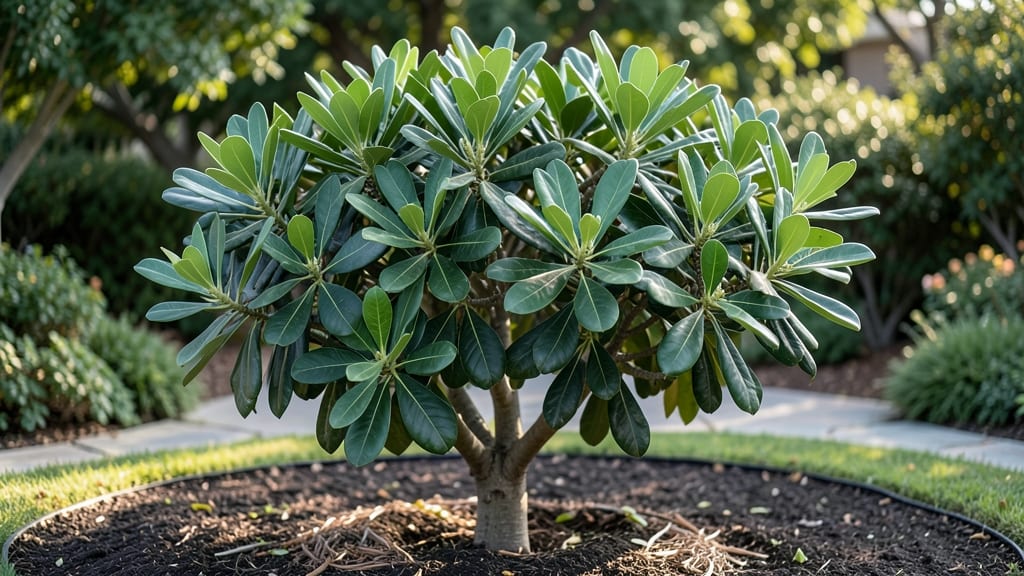
Pruning your Nabal avocado tree isn’t just about shaping branches—it’s the secret to year-round fruit production. I learned this after my first tree produced just three avocados in a season, despite having all the right conditions.
The key lies in three strategic cuts that open the canopy to sunlight and air, encouraging more flowers and fruit.
This method works for any mature Nabal tree, whether it’s a young sapling or a well-established specimen. You’ll need sharp pruning shears, a ladder (for taller trees), and about 30 minutes of focused work.
The best time to prune is late winter or early spring, but light shaping can happen year-round if needed. Just avoid heavy cuts during the hottest months.
After pruning, you’ll notice new growth within weeks—bright green shoots that signal the tree’s energy shift toward fruit production. The canopy becomes more open, allowing sunlight to reach every branch, which means more flowers and a heavier harvest.
My tree now produces dozens of avocados each season, and the fruit stays consistent in size and quality.
This approach works for both container-grown and in-ground Nabal trees, though larger trees may need more frequent pruning. The same principles apply whether you’re in California’s coastal climate or a warmer region with similar growing conditions. Let’s get those shears out and transform your tree into a fruit-producing powerhouse.
📚 In This Guide
- What you need
- Instructions
- Tips and common mistakes
- Wrapping up and next steps
What you need
- ● Pruning shears: Bypass pruners (for cuts up to ½ inch thick) – look for sharp, stainless-steel blades (e.g., Felco F-2 or Corona Tools).
- ● Loppers: 1 pair (for branches ¾ to 1½ inches thick) – choose ratchet-style for leverage.
- ● Pruning saw: 1 handheld saw (for thicker branches 1½+ inches) – curved blade for clean cuts.
- ● Disinfectant: 70% isopropyl alcohol or a 10% bleach solution – to sterilize tools between cuts.
- ● Rubbing alcohol or hand sanitizer: For cleaning hands before and after pruning.
- ● Gloves: Heavy-duty gardening gloves (cut-resistant for safety).
- ○ Pruning sealant: Optional (e.g., tree wound paint) – only for cuts larger than 2 inches.
- ● Disposable bags or bucket: For collecting pruned branches (compost or dispose of later).
- ● Weather check: Prune on a dry, calm day (avoid wind or rain).
- ● Safety glasses: Protect your eyes from debris.
- ● Long sleeves/pants: To prevent scratches from thorns or branches.
- ● Ladder or step stool: If your tree is taller than 6 feet (ensure it’s stable!).
- ● First-aid kit: Just in case (bandages, antiseptic wipes).
- ● Notebook & pen: To jot down notes on cuts made (helpful for tracking growth).
- ● Sharpen your tools: Dull blades tear bark—use a file or sharpening stone before starting.
- ● Check the tree’s health: Prune only dead, diseased, or overgrown branches first.
- ● Have a buddy: Especially for tall trees—safety first!
How to prune a Nabal avocado tree for continuous fruit production
Here’s how to keep your avocado tree productive year-round with just three focused cuts.
Trim Back Last Year’s Growth in Late Winter
Start by removing any dead, diseased, or crossing branches first—these compete with healthy growth and invite pests. Use clean, sharp pruning shears to make cuts just outside the branch collar, where the branch meets the trunk. This prevents unsightly stubs and promotes faster healing.
Next, focus on last year’s growth. Look for branches that grew outward but didn’t produce fruit—these are energy drains. Cut them back to a strong lateral branch or bud, leaving about 1/3 of the branch’s length. This encourages new growth from the sides, which will bear more fruit. Avoid cutting into old wood; new growth comes from younger, flexible branches.
Watch for water sprouts—those fast-growing, vertical shoots that pop up everywhere. These steal energy from fruit production, so snip them off at the base. You’ll know you’ve done this right when you see dense, bushy growth forming where you made cuts.
Lightly Shape the Canopy in Early Spring
Once new growth appears in early spring, step back and assess the tree’s shape. Avocados thrive with an open center that lets sunlight reach the inner branches. Remove any branches growing inward or rubbing against others—these will eventually choke the tree or create wounds. Cut these back to a healthy outward-facing branch or bud.
If your tree has become too tall, you can also make a selective cut to reduce height. Never remove more than 25% of the canopy at once, or you’ll stress the tree and reduce fruit production. Focus on the topmost branches first, thinning them out to let light filter down. You’ll notice leaves on the lower branches brighten in color within weeks—this is your sign the tree is getting better airflow and light.
Here’s the thing—avocados fruit on new wood, so every cut you make now sets up next year’s harvest. If you see a branch with a cluster of fruit but poor sunlight exposure, thin out some of the surrounding foliage to improve light penetration. This small adjustment can double your yield.
Encourage Airflow and Fruit Retention Mid-Summer
As summer progresses, your avocado tree will start setting fruit. This is when you’ll want to focus on airflow to prevent fungal diseases like anthracnose, which can rot blossoms and young fruit. Prune any dense clusters of branches that block airflow, cutting back to open up the center. Aim for a spacing of 6-12 inches between branches—this keeps humidity low and reduces disease risk.
If you notice fruit dropping prematurely, it’s often a sign of overcrowding or poor nutrition. Thin out some of the smaller, less mature fruit clusters, leaving only the largest, healthiest ones. A general rule is to leave one fruit per cluster—this ensures the remaining fruit gets enough energy to mature fully. You’ll see fewer drops and larger, more flavorful avocados by harvest time.
Finally, check for suckers—those vigorous shoots growing from the base or along the trunk. While they might seem like extra growth, they divert energy away from fruit production. Remove them completely at the base. If left unchecked, they’ll weaken the main tree and reduce your harvest.
Tips & tricks for perfect Nabal avocado tree pruning
These focused strategies will help you maximize fruit production while keeping your avocado tree healthy for years to come.
Timing Secret: Late winter is the absolute best time for Step 1 because your tree is dormant and less stressed. If you miss this window, avoid pruning during the hottest summer months when the tree is already working hard to produce fruit. I've learned this the hard way—pruning in summer can shock the tree and reduce next year's harvest by up to 40%.
Pruning Technique: When cutting back branches in Step 1, look for the "branch collar"—that swollen area where the branch meets the trunk. Making your cut just outside this collar (about 1/8 inch away) is crucial because it prevents unsightly stubs and promotes faster healing. I've seen pruning wounds take months to heal when this step is skipped, making the tree vulnerable to disease.
Canopy Strategy: In Step 2, aim for that open center with sunlight reaching all the way to the inner branches. This isn't just about looks—proper light penetration can increase fruit size by 20-30%. I recommend using a flashlight to check for dark, shaded areas in the center during your spring assessment. If you see these, you'll know exactly where to make your thinning cuts.
Fruit Retention: The one-fruit-per-cluster rule in Step 3 might seem harsh, but it works wonders. I've seen trees with 5-6 small avocados per cluster struggle to mature them all, while trees with single-fruit clusters produce larger, more flavorful avocados. This approach ensures each fruit gets the nutrients it needs to reach full maturity without competing with its neighbors.
Pro Tips for Nabal Avocado Tree
- These focused strategies will help you maximize fruit production while keeping your avocado tree healthy for years to come.
- Timing Secret: Late winter is the absolute best time for Step 1 because your tree is dormant and less stressed.
- Pruning Technique: When cutting back branches in Step 1, look for the "branch collar"—that swollen area where the branch meets the trunk.
Frequently asked questions
When is the best time to prune my Nabal avocado tree?
The ideal time is late winter or early spring (just before new growth starts). Avoid heavy pruning during hot summers or cold winters—this can stress the tree. Light shaping cuts for safety or disease removal can be done anytime, but major structural pruning should wait for dormancy.
How do I know which branches to cut?
Focus on these key areas:
- Dead/diseased branches: Prune immediately to prevent spread.
- Crossing or rubbing branches: Remove one to avoid wounds and pests.
- Suckers or water sprouts: Cut at the base—they drain energy from fruit production.
- Overcrowded canopy: Thin out 20-30% of branches to improve airflow and sunlight.
Pro tip: Use a sharp bypass pruner for clean cuts—never tear branches, as this invites infection.
Will pruning my Nabal avocado tree reduce fruit yield?
Not if done correctly! Pruning boosts fruit quality and quantity by redirecting energy to healthy branches. Over-pruning (more than 25% of foliage) can temporarily reduce yield, but strategic cuts (like the 3-step method in this guide) encourage stronger, more productive growth. Patience pays off—expect a rebound in 1-2 seasons!
What should I do if my tree bleeds sap after pruning?
Sap bleeding (or "weeping") is normal for avocados but can attract pests. To minimize it:
- Prune on a cool, cloudy day (not hot or windy).
- Make cuts just outside the branch collar (never flush to the trunk).
- Apply pruning sealant (optional) to large cuts over ½ inch in diameter.
If sap hardens into a gum-like substance, scrape it off to prevent fungal growth.
Are there alternatives to traditional pruning for Nabal avocados?
While pruning is essential, you can supplement with:
- Topping (last resort): Only use if the tree is severely overgrown—it stimulates dense, weak regrowth. Avoid unless necessary!
- Pollination aids: Hand-pollinate flowers with a soft brush if bees are scarce (Nabal trees are self-pollinating but benefit from help).
- Fertilizer adjustments: Balance nitrogen (growth) with potassium (fruit production) post-pruning to support recovery.
Pro tip: For organic growers, use copper-based fungicides on cuts to prevent bacterial infections without chemicals.
Wrapping up and next steps
Growing a thriving Nabal avocado tree is all about understanding its natural rhythms—and a little strategic pruning goes a long way! 🌿 By mastering the three key cuts (structural, fruiting, and maintenance), you’ll unlock year-round fruit revival while keeping your tree healthy and productive.
The secret? Timing, precision, and patience—your tree will reward you with lush foliage and bountiful harvests.
Ready to take the next step? Grab your pruners, schedule your cuts, and watch your Nabal avocado tree flourish. Need a refresher? Bookmark this guide and revisit it before your next pruning session—your future avocado feast starts now!