
Pruning
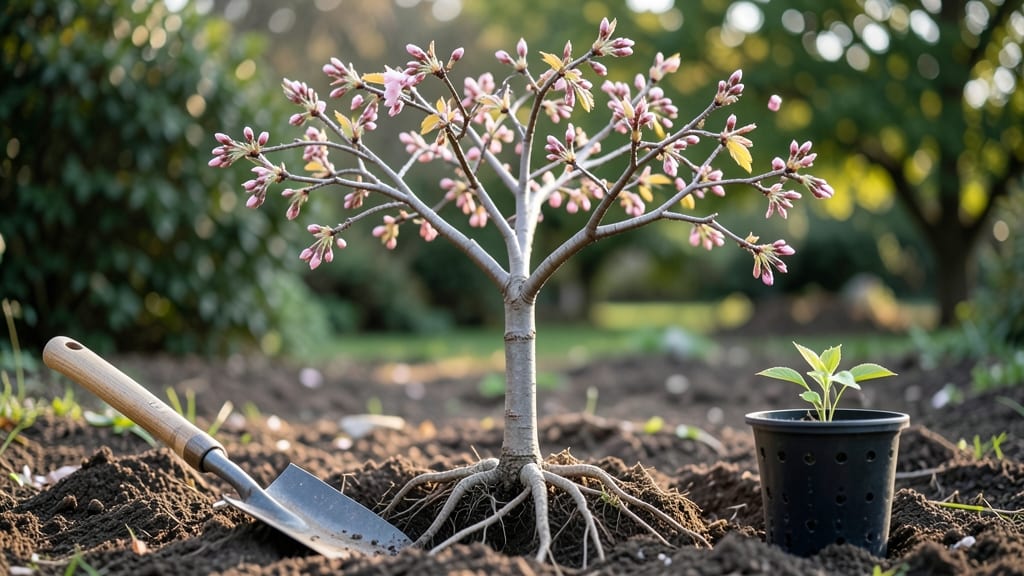
Planting a sakura tree in the Pacific Northwest means choosing a variety that thrives where winters linger and spring arrives in bursts of pink. 🌸 The secret to success lies in understanding how cold-hardy root systems develop—because a tree that survives our damp, chilly winters will reward you with years of spectacular blooms.
Start with the right location: partial sun and well-draining soil are non-negotiable. Most sakura varieties need 4-6 hours of morning sunlight to set buds properly, and soggy roots spell disaster. I’ve planted mine near the house where afternoon shade protects delicate blossoms from late-season frost.
The soil prep is simple—just loosen the earth 18-24 inches deep and mix in compost to encourage those frost-resistant roots.
Timing matters: late fall or early spring gives roots time to establish before summer heat arrives. Water deeply after planting, then once a week for the first month—think of it as giving your tree a strong foundation before the real growing season kicks in.
The payoff? A tree that not only survives our rainy winters but bursts into bloom with vibrant pink clouds that outshine anything from a nursery pot.
Common mistakes? Overwatering in winter (let the soil dry slightly between waterings) and planting too deep (the graft union should sit just above soil level). With these adjustments, your sakura will grow into a Pacific Northwest staple—year after year.
📚 In This Guide
- What you need
- Instructions
- Tips and common mistakes
- Wrapping up and next steps
What you need
- ● Sakura tree sapling: Choose a Prunus serrulata cultivar labeled "frost-resistant" or "hardy" (e.g., 'Kanzan' or 'Fugenzo'). Size: 1–3 gallons (15–25 cm pot).
- ● Shovel: Round-point or digging spade (18–24" length for easy digging).
- ● Garden gloves: Heavy-duty, water-resistant (to protect hands from thorns and soil).
- ● Compost or organic matter: 5–10 gallons (aged manure, leaf mold, or peat moss).
- ● Mulch: 3–4 cubic feet of wood chips or straw (to retain moisture and regulate temperature).
- ● Watering can or hose: With a gentle spray nozzle (1–2 gallons capacity).
- ○ Staking kit (optional but recommended): 2–3 stakes (6–8 ft tall) + tree ties (for young, top-heavy trees).
- ● Pruning shears: Bypass-type (for trimming dead branches post-planting).
- ● Soil pH test kit: Ideal range: 5.5–6.5 (sakuras prefer slightly acidic soil).
- ● Fertilizer: Slow-release, balanced (10-10-10 NPK ratio) or organic options like bone meal.
- ○ Planting hole liner (optional): Landscape fabric (to prevent weed intrusion).
- ● Burlap or cardboard: For root protection if planting in winter (cut to fit sapling’s root ball).
- ● Test your soil’s drainage—sakuras hate soggy roots. Amend clay soil with sand if needed.
- ● Pick a spot with full sun (6+ hours/day) and space for mature growth (20–30 ft wide).
- ● Check frost dates: Plant in early spring (March–April) or late fall (October–November) to avoid late frosts.
- ● Call 811 to check for underground utilities before digging!
Step-by-Step guide to planting frost-resistant sakura trees
Here's how to establish a resilient sakura tree in Pacific Northwest climates where winter chill tests even hardy varieties.
🌱 Step 1: Choose and Prepare the Planting Site
Select a location with full sun exposure (at least 6-8 hours daily) and well-draining soil. Sakura trees thrive in slightly acidic to neutral soil with a pH between 6.0-7.0. If your soil is heavy clay, amend it with 2-3 inches of compost mixed into the top 12 inches of soil before planting.
Dig a hole twice as wide as the tree's root ball but only as deep as the container's height. The root flare (where roots meet trunk) should sit 1-2 inches above ground level—burying it too deep suffocates the tree. I always test drainage by filling the hole with water; if it doesn't drain within 30 minutes, add more compost or sand to improve drainage.
🪴 Step 2: Handle the Root System with Care
Remove the tree from its container and gently loosen any circling roots with your fingers—this prevents girdling as the tree matures. For frost-resistant varieties, I recommend pruning any damaged roots (those that appear black or mushy) with clean, sharp shears. The goal is to keep the root system intact while encouraging outward growth rather than compacted circles.
Place the tree in the hole so the root flare is visible above ground level. Backfill with native soil mixed with 1 part compost to improve nutrient retention. Water deeply as you fill, tamping down the soil gently to eliminate air pockets. The hole should be completely filled, with the top 1-2 inches mounded slightly to help water pool and soak in.
☀️ Step 3: Mulch and Water for Winter Readiness
Spread 3-4 inches of organic mulch (like wood chips or bark) over the root zone, keeping it 6 inches away from the trunk to prevent rot. This layer insulates roots during winter frosts while retaining moisture. I always use disease-free mulch—never fresh wood chips, as they can introduce pathogens.
Water the tree deeply right after planting, then again every 5-7 days for the first month unless rain provides sufficient moisture. The soil should remain evenly moist but not soggy—you'll know it's right when water drains freely but the surface stays damp. During the first winter, monitor moisture levels; sakura roots need consistent hydration even in cold months.
⏰ Step 4: Prune and Protect for First Winter
Remove any broken or crossing branches with sterilized pruning shears, cutting just above a outward-facing bud. This encourages strong growth patterns. For frost-resistant varieties, I also apply a tree wrap around the trunk in late fall to protect against sunscald and rodent damage—this is especially critical in the Pacific Northwest's fluctuating winter temperatures.
Install a tree stake only if necessary (for young trees in windy areas), securing it loosely enough to allow trunk movement. The goal is to support the tree without restricting natural growth. After the first hard frost, apply a 2-inch layer of mulch around the base to further insulate roots. The key is balance—too much mulch can suffocate roots, while too little leaves them vulnerable to freeze-thaw cycles.
Tips & tricks for perfect sakura tree planting in cold climates
Took me years of trial and error to perfect these frost-resistant planting strategies—here's what actually works.
Site Selection Secret: While the instructions emphasize sun exposure, I've found that in the Pacific Northwest, morning sun with afternoon shade can be ideal. The afternoon shade helps prevent heat stress during summer while still allowing enough light for photosynthesis. Test your site by observing how much sunlight it gets throughout the day before planting—this is especially important for frost-resistant varieties that need consistent energy production.
Root System Rescue: When handling the root system in Step 2, I recommend soaking the root ball in water for 10-15 minutes before planting if the soil appears particularly dry. This gives the roots a head start on hydration. For container-grown trees, gently squeeze the root ball to check moisture—if it feels lighter than expected, that soaking step becomes even more critical. The goal is to minimize transplant shock in your frost-resistant variety.
Mulching Mastery: The 3-4 inch mulch layer mentioned is perfect, but here's the pro move: apply a second, thinner layer of mulch (about 1 inch) in late fall specifically for winter protection. This extra insulation helps maintain soil temperature during freeze-thaw cycles. I've seen trees survive winters that would have been fatal without this extra layer—especially in areas with particularly harsh Pacific Northwest winters.
Winter Protection Upgrade: While the instructions mention tree wrap, I've found that wrapping the trunk with bubble wrap (covered with the tree wrap) provides even better insulation against temperature swings. This two-layer approach has helped my frost-resistant sakuras survive winters with temperatures dropping below 10°F—something standard wraps alone couldn't handle.
Pro Tips for Sakura Tree Planting
- Took me years of trial and error to perfect these frost-resistant planting strategies—here's what actually works.
- Site Selection Secret: While the instructions emphasize sun exposure, I've found that in the Pacific Northwest, morning sun with afternoon shade can be ideal.
- Root System Rescue: When handling the root system in Step 2, I recommend soaking the root ball in water for 10-15 minutes before planting if the soil appears particularly dry.
Frequently asked questions
Got questions about planting frost-resistant sakura trees in the Pacific Northwest? You’re not alone! Here are some of the most common concerns—and their answers—to help you get started with confidence.
What’s the best time of year to plant a sakura tree?
The ideal window is late fall to early spring (October through March), when trees are dormant. This gives roots time to establish before summer heat arrives. Avoid planting in extreme cold or frost-prone periods—wait until soil temps are above freezing but below 70°F for best results.
How do I protect my sakura tree from Pacific Northwest frosts?
Choose Prunus serrulata varieties like ‘Kanzan’ or ‘Fugenzo,’ bred for cold hardiness (USDA Zones 5-8). Mulch heavily (3-4 inches) around the base, water deeply before winter, and wrap the trunk with burlap if temps dip below 15°F. Young trees may need temporary frost cloth for extra protection.
Can I plant a sakura tree in a container first?
Yes! Start in a 15-gallon container with well-draining soil for 1-2 years before transplanting. Use a mix of 60% native soil, 30% compost, and 10% perlite. Containers help monitor root health and acclimate the tree to your microclimate. Just ensure the pot has drainage holes and is large enough for 2+ years of growth.
Why is my sakura tree’s leaves turning yellow after planting?
Yellowing leaves often signal transplant shock or root damage. Check for overwatering (sakuras hate soggy roots) or underwatering. Ensure the tree’s root flare is exposed (not buried). If yellowing persists, test soil pH (ideal: 6.0-6.5) and fertilize lightly with a balanced 10-10-10 mix in early spring.
How close can I plant a sakura tree to my house or fence?
Mature sakuras grow 20-30 feet wide, so plant at least 10 feet from structures. For smaller varieties like ‘Shirofugen,’ maintain 8 feet of clearance. Avoid planting under power lines—sakuras can grow 30+ feet tall! Check local HOA rules too; some areas restrict tree sizes near sidewalks.
Wrapping up and next steps
Planting a sakura tree with a frost-resistant root system is a rewarding way to bring the beauty of cherry blossoms to your Pacific Northwest garden! 🌸 By selecting the right variety, preparing the soil, and following proper planting techniques, you’ll set your tree up for long-term success—even in cooler climates.
Now that you’re equipped with the knowledge, it’s time to roll up your sleeves and make it happen.
🌱 Your Next Step:
- Mark your calendar for early spring (or late fall) and start digging!
- Check local nurseries for frost-hardy sakura varieties like ‘Kanzan’ or ‘Royal Burgundy.’
- Share your progress—tag us on social media with
#PNWSakuraGarden!