
Pruning
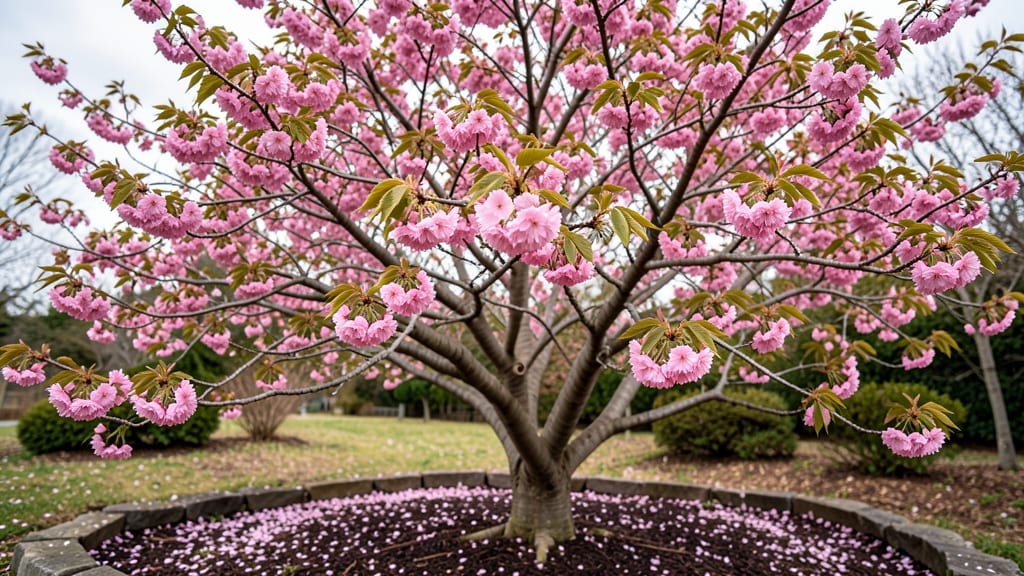
Some sakura tree facts reveal their true magic—these aren’t just fleeting spring wonders but year-round stars in your landscape when pruned right. 🌸 just beauty. Understanding their growth habits means you’ll get vibrant flowers and a sturdy tree that lasts decades.
Most sakura trees thrive in USDA Zones 5-8, where they love full sun and well-draining soil—though some varieties handle partial shade. Their shallow roots mean they’re perfect for urban gardens or small yards, but they need space to spread.
The key to their longevity? Strategic pruning after flowering to shape growth and remove dead wood, keeping them healthy for seasons to come.
What makes sakura trees special is their spring spectacle—but with the right care, their foliage stays lush all year. Some varieties even produce small, edible cherries (though they’re tart!).
Whether you’re planting a single specimen or a grove, their adaptability means they’ll fit almost anywhere—just give them room to shine.
Ready to grow your own? Learn how to choose the right variety for your climate and start pruning for a tree that stays stunning from bloom to bare branches. The secret to their magic is in the details—let’s get growing!
📚 In This Guide
- What you need
- Instructions
- Tips and common mistakes
- Wrapping up and next steps
What you need
- ● Pruning shears: Sharp, bypass-style shears (for cuts under ½ inch thick). Quantity: 1 pair.
- ● Loppers: Bypass loppers for branches ½–2 inches thick. Quantity: 1 pair.
- ● Pruning saw: Curved-tooth saw for thick branches (2+ inches). Quantity: 1.
- ● Gloves: Heavy-duty, cut-resistant gloves (gardening or pruning-specific). Quantity: 1 pair.
- ● Disinfectant: 70% isopropyl alcohol or a 10% bleach solution (to sterilize tools between cuts). Quantity: Small bottle or spray.
- ● Rake or broom: For clearing debris. Quantity: 1.
- ○ Pruning sealant (optional): Tree wound sealant (for large cuts > ½ inch). Quantity: Small tube.
- ● Timing: Prune sakura trees in late winter or early spring (before buds swell) for best results.
- ● Weather: Choose a dry, overcast day to avoid stressing the tree.
- ○ Safety gear (optional but recommended): Long sleeves/pants (to protect from thorns or sap).
- ● Sturdy shoes or boots (for uneven ground).
- ● Plan ahead: Sketch a rough map of your tree’s structure to visualize cuts.
How to maintain a healthy sakura tree through strategic pruning
Here's the method I've used for years to keep my sakura thriving—no guesswork, just proven techniques.
🌿 Step 1: Understand the Best Time to Prune
Sakura trees bloom on old wood, so timing matters. Prune right after flowering—typically in late spring or early summer—when the blooms have faded but before new growth hardens. This prevents removing next year's flower buds, which form during the previous summer's growth cycle.
If you miss this window, late winter pruning (just before buds swell) is the second-best option. Never prune during dormancy—you'll risk heavy sap loss and disease entry. Watch for new leaf growth as your cue: once you see fresh foliage, it's too late for late-winter pruning.
✂️ Step 2: Remove Dead, Diseased, or Weak Branches
Start by eliminating any branches that are dead, diseased, or crossing. Use sharp pruners to make clean cuts at a 45-degree angle just outside the branch collar—the swollen area where the branch meets the trunk. This prevents water from pooling and rotting the wound.
Next, remove any branches growing straight upward or inward. Sakura trees have a natural weeping habit, so you'll want to encourage that graceful shape. Cut back to a healthy outward-facing bud to direct growth where you want it. If a branch is too thick to cut cleanly, make a 3-step cut to avoid tearing the bark.
🌱 Step 3: Thin the Canopy for Airflow
Sakura trees need good airflow to prevent fungal diseases like powdery mildew. Focus on thinning the canopy by removing 25-30% of the smallest, inner branches. These are the ones blocking light and air from reaching the center. Start at the bottom and work upward—this opens the tree from the ground up.
Look for branches that are less than ¼ inch thick—these are the ones causing congestion. Cut them back to a strong lateral branch or the trunk. You'll see the difference immediately: more light reaches the center, and the tree's structure becomes more balanced. Avoid over-thinning, though—sakura trees need some density to support their iconic blooms.
☀️ Step 4: Shape for Optimal Flower Display
Sakura trees are prized for their dramatic spring blooms, so shaping matters. Encourage an open, vase-like form by removing branches that grow too close together. This creates multiple focal points for flowers rather than one dense cluster. Cut back any suckers growing from the base—these drain energy from the main tree.
If your sakura is young, you can train its shape more aggressively. For mature trees, make smaller adjustments to maintain balance. Step back frequently to check your work—you want a tree that looks natural but still has room for light and air to circulate. The goal is a graceful silhouette that showcases those stunning pink blossoms.
⏰ Step 5: Post-Pruning Care for Rapid Recovery
After pruning, apply a wound sealant to cuts larger than ½ inch in diameter to prevent disease. Water deeply to help the tree recover, especially if you've made significant cuts. Sakura trees are resilient, but they'll bounce back faster with proper hydration.
Monitor the tree for new growth within 4-6 weeks. Healthy sakura trees will sprout fresh leaves from the pruned areas. If you see no new growth after 8 weeks, you may have pruned too late or too aggressively. Next year, adjust your timing or reduce the amount you cut back. With consistent care, your sakura will reward you with vibrant blooms year after year.
Tips & tricks for perfect sakura tree pruning
Real talk: I've seen sakura trees go from vibrant blooms to sad shadows after pruning mistakes. These are the details that make all the difference between a tree that thrives and one that struggles.
Timing is Everything: The late spring/early summer window after blooms fade is non-negotiable for mature trees. I learned this the hard way after accidentally pruning too early and losing next year's flower buds. For young trees, late winter pruning works better—just watch for those buds to swell before you cut. The key is always to prune when the tree is actively growing but hasn't yet set its flower buds for next season.
The 45-Degree Rule: That angled cut you see in Step 2 isn't just for looks—it's about directing water away from the wound. I've seen too many pruning jobs where cuts were made straight across, leading to water pooling and fungal infections. Use sharp pruners and make your cut just outside the branch collar. For thick branches, that 3-step cutting technique prevents bark tearing, which can leave your tree vulnerable to disease for years.
Thinning Strategy: When you're removing those 25-30% of smallest inner branches in Step 3, think of it like opening a curtain—you want light to reach the center. I recommend starting with the lowest branches first and working upward. This creates that beautiful weeping shape while preventing disease from settling in shaded areas. And remember: less than ¼-inch branches are your targets—they're the ones causing congestion without contributing much to the tree's structure.
Post-Pruning Recovery: That 4-6 week window for new growth is your best indicator of success. I always apply wound sealant to cuts over ½ inch and give the tree a deep watering right after pruning. The first flush of new leaves tells you everything you need to know about whether your pruning was too aggressive. If you see no new growth after 8 weeks, it's time to adjust your approach for next year—maybe you pruned too late or removed too much at once.
Pro Tips for Sakura Tree Facts
- Real talk: I've seen sakura trees go from vibrant blooms to sad shadows after pruning mistakes.
- Timing is Everything: The late spring/early summer window after blooms fade is non-negotiable for mature trees.
- The 45-Degree Rule: That angled cut you see in Step 2 isn't just for looks—it's about directing water away from the wound.
Frequently asked questions
Got questions about sakura trees and their care? You’re not alone! Here are some of the most common queries—plus straightforward answers to keep your tree thriving year-round.
When is the best time to prune a sakura tree?
Prune your sakura tree right after flowering (late spring) or during early summer. Avoid heavy pruning in fall or winter, as it can stimulate new growth that won’t harden off before cold weather. Light shaping can happen anytime, but major cuts should wait until the tree is dormant.
How much can I trim a sakura tree without harming it?
Never remove more than 25-30% of the tree’s canopy in a single session. Sakura trees are sensitive to over-pruning—stick to selective cuts to maintain their natural shape and health. Focus on removing dead, crossing, or diseased branches first, then lightly thin the canopy for airflow.
Can I prune a sakura tree in winter?
Winter pruning is not recommended for sakura trees unless absolutely necessary (e.g., removing broken branches after a storm). Cold stress and dormancy can slow healing. If you must prune in winter, do so on a mild, dry day and avoid heavy cuts. Spring is always the safest bet!
What if my sakura tree isn’t blooming well?
Poor blooms often stem from over-fertilizing with nitrogen (which encourages foliage over flowers) or lack of sunlight. Prune to improve airflow, reduce shade, and fertilize with a low-nitrogen, high-phosphorus blend in early spring. Also, ensure the tree gets 6+ hours of sunlight daily.
Are there sakura tree alternatives for smaller yards?
If space is limited, consider dwarf sakura varieties like Prunus ‘Kanzan’ (compact form) or Prunus ‘Shirotae’ (weeping branches). Alternatively, try ornamental cherries like Prunus serrulata ‘Amanogawa’, which stay smaller but still deliver stunning blooms. Always check mature size before planting!
Wrapping up and next steps
From understanding the best times to prune your sakura tree to mastering the art of strategic trimming, you’re now equipped to nurture a healthier, more vibrant tree year-round. 🌸 Pruning isn’t just about aesthetics—it’s a vital practice that boosts growth, prevents disease, and even enhances those iconic blooms. Take action this season! Grab your tools, follow the steps you’ve learned, and give your sakura tree the care it deserves.
Your future blooms will thank you!