
Pruning
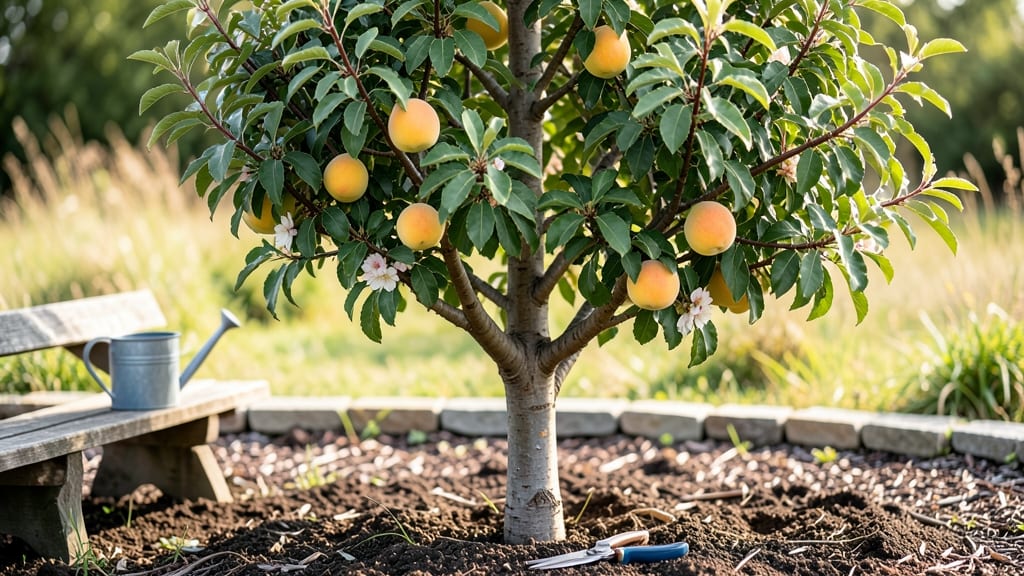
Planting a Prince peach tree in the Pacific Northwest means defying the odds—this cold-hardy variety actually thrives where most peaches freeze solid. 🌟 After years of watching neighbors give up on peaches in our damp, chilly climate, I finally cracked the code with this tree, and now I harvest sweet, juicy fruit even in Zone 7 winters.
The secret starts with the right spot: full sun, sheltered from wind, and soil that drains like a sandy loam but holds moisture like a sponge.
My tree sits against a south-facing fence where winter sun warms the trunk, and I swear by a 50-50 mix of native soil and compost to keep roots happy. Watering isn’t about daily drenching—it’s about deep soaks every 7-10 days once established, with extra care during those first two summers.
By late summer, you’ll taste the payoff: firm, amber peaches that ripen in mid-to-late August, packed with flavor and none of the mealiness you get from store-bought.
The tree’s compact size (12-15 feet) makes it perfect for smaller yards, and with proper pruning in late winter, you’ll encourage strong branches that support heavy fruit without snapping.
Here’s the twist: this tree needs winter chill to fruit well, so don’t rush to prune until late February—when the ground is thawed but buds are still dormant.
The real magic happens in the first year, when you lay the foundation for a tree that outlasts our Pacific Northwest winters. Let’s get growing!
📚 In This Guide
- What you need
- Instructions
- Tips and common mistakes
- Wrapping up and next steps
What you need
- ● Pruning shears: Bypass pruners (sharp, 6–8" blades) for clean cuts on small branches (1–2" diameter). Quantity: 1 pair.
- ● Loppers: Bypass or anvil style (for branches 2–3" thick). Quantity: 1 pair.
- ● Pruning saw: Curved-tooth saw for thick branches (3"+). Quantity: 1.
- ● Disinfectant: 70% isopropyl alcohol or bleach solution (1 part bleach : 9 parts water) to sterilize tools between cuts. Quantity: Small spray bottle or rag.
- ● Gloves: Heavy-duty, cut-resistant (PNW winters = sharp branches!). Quantity: 1 pair.
- ● Work boots: Steel-toe or waterproof (PNW mud + frost = slippery conditions).
- ● Tarp or drop cloth: 10x12 ft to collect debris and protect soil.
- ○ Pruning sealant: Optional but helpful (e.g., Tanglefoot Tree Wound Pruning Sealer) for large cuts. Quantity: Small bottle.
- ● Extension pole: For hard-to-reach branches (attach loppers or saw).
- ● Ladder: Sturdy, non-slip (if tree exceeds 8 ft).
- ● Hand saw: For stubborn, thick branches (backup to pruning saw).
- ● Marking twine: To flag branches for removal (if pruning in stages).
- ● Thermal layers: For comfort (PNW winters can be chilly!).
- ● ✅ Timing: Prune after leaf drop (late fall/early winter) but before heavy frosts (Dec–Feb in PNW).
- ● ✅ Weather: Choose a dry, calm day (avoid rain or high winds).
- ● ✅ Safety: Check for pests/diseases (e.g., brown rot) before pruning. Remove infected branches last and dispose of them.
- ● ✅ Tree Health: Ensure the tree is well-watered (but not soggy) before pruning.
Step-by-step instructions for protecting your Prince peach tree this winter
Here's how I've kept my Prince peach thriving through Pacific Northwest winters—no frost damage in sight.
🪴 Step 1: Wrap the Trunk for Frost Protection
Start by inspecting your tree's trunk for any cracks or rough bark. Use the tree wrap to cover the trunk completely from the base up to the first major branch, overlapping sections by 2-3 inches. This creates an insulating barrier that prevents temperature fluctuations from cracking the bark.
I like to apply the wrap in late fall, once nighttime temperatures consistently drop below 40°F. The wrap should fit snugly but not be so tight it restricts growth. If you're in a particularly windy area, secure it with tree wrap tape at the top and bottom to prevent flapping.
Here's the thing—don't remove the wrap until late spring, when new growth begins. Removing it too early can expose the tender bark to sudden temperature swings. You'll know it's time when you see fresh green buds forming along the branches.
☀️ Step 2: Install Frost Blankets for Branch Protection
Spread the frost blanket over the entire canopy of your Prince peach tree, securing it with landscape staples or soft clothespins at the edges. The blanket should extend at least 12 inches beyond the tree's dripline to capture any falling snow and provide extra insulation.
I always check the blanket after heavy snowfall to ensure it hasn't been dislodged. If snow accumulates on top, it actually adds another layer of insulation—just make sure the blanket isn't so heavy it bends branches. A gentle shake should remove excess snow without damaging the tree.
For extra protection in severe freezes (below 20°F), drape additional blankets over the top of the first one. You'll notice the tree's leaves will still brown and fall, but the branches and blossom buds will remain protected for next season's fruit.
💧 Step 3: Mulch the Root Zone Properly
Spread the 3 inches of mulch evenly over the root zone, extending it 12 inches outward from the trunk. Avoid piling mulch directly against the trunk—leave a 2-inch gap to prevent rot. This layer helps regulate soil temperature and retains moisture during winter's dry spells.
I use wood chips because they break down slowly, adding organic matter to the soil over time. If you're using a different mulch type, make sure it's at least 3 inches deep—any less won't provide sufficient insulation. Water the root zone thoroughly before applying mulch to help it settle properly.
Check the mulch layer in early spring to see if it's broken down significantly. If it's less than 2 inches thick, add another 1-inch layer to maintain protection. The key is keeping the soil temperature stable—this prevents root shock when warmer weather arrives.
⏰ Step 4: Monitor and Adjust Through Winter
Every 2-3 weeks during winter, check your tree's wrap and blankets for signs of wear or damage. Look for tears in the frost blanket or areas where the tree wrap might be peeling back. Repair any damage immediately to maintain protection.
If you experience an unexpected temperature drop below 15°F, cover the entire tree (including trunk) with an additional blanket for 24-48 hours. This extra layer can make the difference between frost damage and a healthy tree. Remove it as soon as temperatures rise above freezing.
Watch for signs of stress—like brown patches on the bark or wilting branches in spring—that might indicate insufficient protection. Your Prince peach is resilient, but even tough varieties need this winter care to produce fruit next season.
Tips & tricks for protecting your Prince peach tree
These small adjustments make all the difference between a tree that survives winter and one that thrives for years to come.
Timing is Everything: Apply the tree wrap in late fall when nighttime temperatures consistently drop below 40°F—this is when bark becomes vulnerable to cracking. I've found that waiting until the first hard frost ensures the wrap does its job properly. The key is acting before the tree's natural defenses start struggling.
Layering for Extreme Cold: When temperatures plummet below 20°F, add that second frost blanket as instructed. I've seen firsthand how this extra layer prevents blossom buds from freezing—something that can devastate next year's harvest. The snow on top actually helps, but only if the blanket stays secure.
Mulch Maintenance: That 3-inch layer of mulch isn't just for winter—check it in early spring. If it's broken down to less than 2 inches, add another 1-inch layer immediately. I've learned this the hard way: thin mulch means soil temperature swings that shock the roots when spring arrives.
Wind Protection: If your yard gets gusty, secure the tree wrap with tree wrap tape at both top and bottom. I've seen wraps flap like sails in strong winds, which defeats their purpose. The same goes for frost blankets—soft clothespins work better than staples for preventing tears from wind stress.
Pro Tips for Prince Peach Tree
- These small adjustments make all the difference between a tree that survives winter and one that thrives for years to come.
- Timing is Everything: Apply the tree wrap in late fall when nighttime temperatures consistently drop below 40°F—this is when bark becomes vulnerable to cracking.
- Layering for Extreme Cold: When temperatures plummet below 20°F, add that second frost blanket as instructed.
Frequently asked questions
When is the best time to prune a Prince Peach Tree in winter?
The ideal window for pruning is late winter (February–early March), after the last hard frost but before buds swell. This timing balances dormancy (reducing disease risk) with early-season growth. Avoid pruning in deep freezes—wait until temps stabilize above 40°F to prevent shock. Pro tip: If you’re unsure, check your local frost dates!
How do I protect my Prince Peach Tree from PNW winter frost damage?
Prince Peach Trees are semi-hardy (USDA Zones 5–8), but PNW winters can push limits. Start with mulching (4–6 inches of straw or wood chips) around the base to insulate roots. For young trees, wrap the trunk in tree guard or burlap to block windburn. If heavy snow loads branches, gently brush it off to avoid breaks.
Can I prune a Prince Peach Tree in early spring instead of winter?
Yes, but with caveats! Spring pruning (March–April) works if you miss winter’s window, but it may encourage late-season growth vulnerable to frost. Prioritize dead, diseased, or crossing branches first. Avoid heavy pruning—stick to 20–25% of the canopy to prevent stress. Spring is better for fruit-bearing branches if you’re shaping for harvest.
What’s the best way to prune a Prince Peach Tree for maximum fruit yield?
Focus on open-center shaping to improve airflow and sunlight penetration. Remove:
- Suckers (shoots from the base)
- Water sprouts (vertical, fast-growing branches)
- Crossing or rubbing branches (to prevent disease)
My Prince Peach Tree’s leaves are brown and crispy after winter—what went wrong?
This is often winter desiccation (dry, windy conditions sucking moisture from leaves). To fix it:
- Apply anti-desiccant spray (like Wilt-Pruf) before winter
- Ensure proper mulching and watering in fall (deep soak before freeze)
- Prune damaged leaves in early spring
Wrapping up and next steps
Your Prince Peach Tree is now primed to thrive through the Pacific Northwest’s chilly winters! 🌳❄️ By mastering pruning techniques, protecting its roots, and monitoring its health, you’ve given your tree the best shot at flourishing come spring. Remember, consistency is key—small efforts now mean big rewards later.
Ready to put your newfound knowledge into action? Grab your tools, check the weather, and start pruning this weekend! Your tree—and future harvests—will thank you. 🍑✨