
Pruning
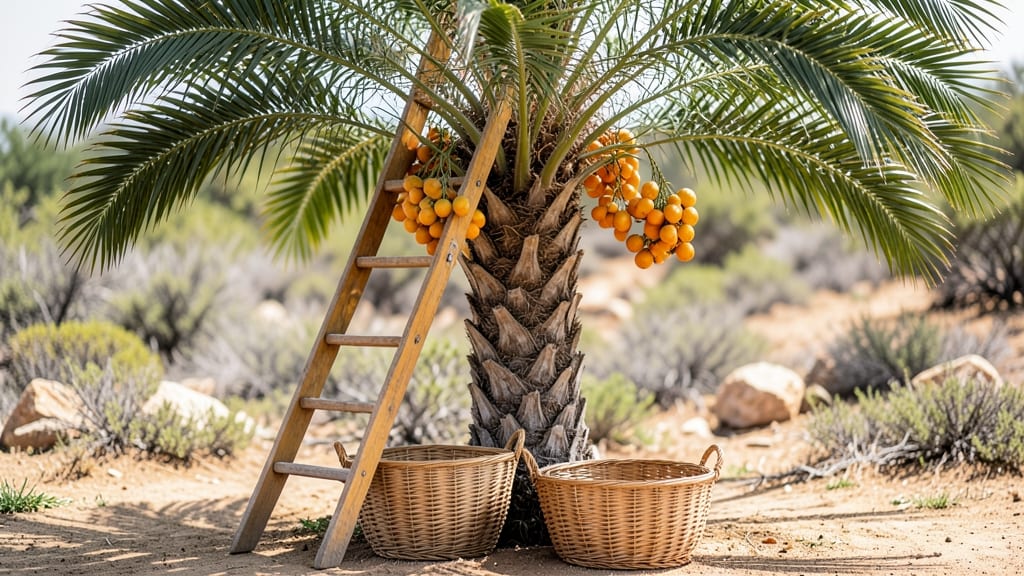
Pindo palm tree fruit ripens when the husk turns golden and splits open—just like nature’s own treasure chest. 🌿 I’ve watched mine produce hundreds of sweet, coconut-like fruits each year, and the secret lies in knowing exactly when to prune and how to coax those golden clusters from the tree.
This isn’t just about harvesting; it’s about turning your palm into a year-round fruit factory.
The key starts with full sun and well-draining soil, mimicking its native Brazilian scrublands. Prune strategically after harvest to encourage new fronds and fruit clusters—think of it like giving your tree a haircut that sparks growth.
Overwatering is the silent killer here, so let the soil dry between waterings, especially in winter when growth slows.
By summer’s end, you’ll be picking plump, buttery fruits that taste like a cross between coconut and almond, perfect for eating fresh or baking into treats. The tree itself becomes a stunning focal point, its arching fronds swaying with each harvest.
Just don’t forget to save some seeds—propagation is as easy as planting them in sandy soil and waiting for roots to appear.
Works best in USDA Zones 9-11, but with winter protection, even Zone 8 gardeners can grow these palms. Whether you’re after fruit, shade, or just a tropical vibe, this palm delivers—if you give it the right care. Let’s get those fronds growing!
📚 In This Guide
- What you need
- Instructions
- Tips and common mistakes
- Wrapping up and next steps
What you need
- ● Pruning shears or loppers – Bypass pruners (8-10” blades) for clean cuts or loppers (for thicker fronds, 18-24” reach).
- ● Extension pole saw – 10-12 ft. telescopic pole with a sharp, curved blade (for high fronds).
- ● Heavy-duty gloves – Leather or cut-resistant (gardening or palm-specific) to protect from spines and sap.
- ● Safety goggles – ANSI-rated for debris protection.
- ● Ladder or scaffolding – Sturdy, 20+ ft. aluminum ladder or professional-grade scaffolding (if tree exceeds 15 ft.).
- ● Disinfectant (70% isopropyl alcohol or bleach solution) – 1 part bleach to 9 parts water for sterilizing tools.
- ● Heavy-duty trash bags or buckets – 20+ gallon capacity for collecting pruned fronds and fruit.
- ● Sharpie or permanent marker – For labeling harvested fruit if storing for later use.
- ● Pruning saw – For thick, woody stems if needed.
- ● Respirator mask – If working in dusty or allergen-heavy conditions.
- ● Tree climbing harness – Only for experienced climbers; never attempt without proper training!
- ● Compost bin – For repurposing fronds and fruit waste.
- ● Camera or phone with timer – To document progress or capture the tree’s growth over time!
Step-by-step guide to harvesting and pruning pindo palm fruit
Here's how to keep your pindo palm producing sweet, edible fruit all year.
🌿 Step 1: Identify Ripe Fruit and Harvesting Time
Pindo palm fruit ripens in stages, turning from green to yellow-orange when ready. I check fruit every 2-3 weeks during peak season—late summer to early fall—by gently squeezing the fruit. Ripe fruit will feel slightly soft, like a ripe peach, while unripe fruit stays firm. Harvest in the morning when temperatures are cooler to preserve sweetness.
Use pruning shears or a sharp knife to cut the fruit from the stem, leaving about ½ inch of stem attached. This prevents damage to the tree and makes storage easier. I collect fallen fruit too—sometimes the tree drops ripe ones naturally, so check the ground below the tree regularly. Wear gloves if you're sensitive to sap, as it can irritate skin.
✂️ Step 2: Prune for Airflow and Fruit Production
Pruning encourages new growth and better fruit production. I focus on removing dead fronds first—these are brown, dry, and hanging limply. Cut them at the base with clean pruning shears, making a 45-degree angle to prevent water from pooling. This keeps the tree healthy and reduces pests that love damp, decaying fronds.
Next, thin out any crowded fronds to improve airflow. Aim for 3-4 healthy fronds per section of the tree, spaced evenly. Avoid over-pruning—never remove more than 25% of the fronds at once, or you'll shock the tree. I prune in late winter or early spring before new growth begins, giving the tree time to recover before summer heat arrives.
💧 Step 3: Post-Harvest Care to Encourage More Fruit
After harvesting, feed your pindo palm with a balanced palm fertilizer (high in potassium and magnesium) to replenish nutrients. I apply fertilizer in early spring and again after the first harvest, following the package instructions for dosage. Water deeply but infrequently—pindo palms hate soggy roots, so let the soil dry out between waterings. A 6-inch deep soak every 2-3 weeks keeps the roots happy without drowning them.
Monitor the tree for signs of stress, like yellowing fronds or slow new growth. If you see this, reduce watering slightly and check drainage. Pindo palms need well-draining soil—amend heavy clay with sand or perlite if needed. Mulch around the base with 2-3 inches of organic mulch to retain moisture and regulate soil temperature. This step is critical for year-round fruit production.
☀️ Step 4: Seasonal Adjustments for Continuous Harvests
Pindo palms produce fruit year-round in warm climates, but you can boost yields with seasonal tweaks. In summer, provide afternoon shade if temperatures exceed 90°F—fruit can scorch or drop prematurely in extreme heat. I use shade cloth or move potted palms to a shaded spot temporarily. Keep watering consistent but reduce frequency slightly, as palms need less water in heat.
In winter, reduce fertilizer to half-strength and cut back on watering unless temperatures drop below 50°F. Cold snaps can stunt growth, so protect young trees with a light frost cloth if frost is forecasted. Prune lightly in late winter to remove any damaged fronds from cold exposure. This keeps the tree focused on new growth when spring arrives, setting the stage for another round of fruit.
Tips & tricks for perfect pindo palm fruit harvesting
Here's what I've learned after years of keeping my pindo palm productive and healthy.
Timing is Everything: Those 2-3 week checks during peak season are non-negotiable. I mark my calendar for late summer to early fall—this is when the fruit transitions from green to yellow-orange. The morning harvest rule is crucial too; cooler temperatures preserve that sweetness you're working so hard to achieve. I've found that harvesting at 7-8 AM gives me the best flavor, as the fruit hasn't been exposed to midday heat yet.
Pruning Precision: When thinning fronds in Step 2, I always aim for that 3-4 healthy fronds per section guideline. Here's my trick: start from the bottom and work your way up. This creates natural airflow from the bottom up, which prevents fungal issues. And that 45-degree angle when cutting? It's not just about water drainage—it also helps the wound heal faster. I sterilize my pruning shears with rubbing alcohol between cuts to prevent spreading any potential diseases.
Seasonal Temperature Watch: The 90°F summer threshold is critical—when temperatures climb above this, I immediately move my potted palms to shaded areas. I've seen fruit drop prematurely when exposed to direct afternoon sun during heatwaves. In winter, I keep a close eye on temperatures dropping below 50°F—that's when I bring out the frost cloth. For young trees, I even wrap the trunk with burlap for extra protection during cold snaps.
Fertilizer Strategy: That early spring application is just the beginning. I actually do a light feeding every 8-10 weeks throughout the growing season, using half-strength fertilizer. This maintains consistent nutrient levels without overloading the tree. I've noticed that pindo palms respond better to frequent light feedings than to heavy infrequent ones—it's like giving them a steady diet rather than a feast followed by famine.
Pro Tips for Pindo Palm Tree Fruit
- Here's what I've learned after years of keeping my pindo palm productive and healthy.
- Timing is Everything: Those 2-3 week checks during peak season are non-negotiable.
- Pruning Precision: When thinning fronds in Step 2, I always aim for that 3-4 healthy fronds per section guideline.
Frequently asked questions
Got questions about harvesting and pruning pindo palm tree fruit? You’re not alone! Here are some of the most common queries—and their answers—to help you master year-round success with your palms.
When is the best time to harvest pindo palm fruit?
Harvest pindo palm fruit when the yellow-green drupes turn bright orange-red—usually between September and November in most tropical regions. The fruit should yield slightly to gentle pressure but not feel mushy. Overripe fruit falls to the ground, so check your trees weekly during peak season to avoid waste.
How do I prune a pindo palm tree without harming it?
Prune only dead, diseased, or overcrowded fronds—never more than 1/3 of the crown at once. Use clean, sharp pruners to cut just above the leaf base (avoid the trunk). Timing matters: Prune after harvest (winter) or before new growth (early spring) to minimize stress. Never top the palm!
Can I eat pindo palm fruit raw, or do I need to process it first?
Yes! While the outer pulp is edible raw (tart and fibrous), most people prefer to blanch, peel, or ferment it first for better texture. The seeds are inedible. For a sweeter taste, try fermenting the fruit for 2–4 weeks—this also softens the flesh. Pro tip: Wear gloves while handling—some people experience skin irritation!
Why isn’t my pindo palm producing fruit, even after years of growth?
Pindo palms are slow to mature—they often take 5–10 years to bear fruit. Check these common issues:
- Age: Young palms (under 5 years) won’t fruit.
- Light: Needs full sun (6+ hours/day)—shade reduces flowering.
- Soil/Nutrients: Test for low phosphorus (key for flowering). Amend with bone meal or citrus-specific fertilizer.
- Water Stress: Drought or overwatering can halt fruiting.
What can I do with pindo palm fruit if I harvest more than I can use?
Don’t let excess fruit go to waste! Here’s how to preserve or share it:
- Ferment: Turn into palm wine (a tropical staple).
- Dry: Slice thinly and dehydrate for a chewy, tangy snack.
- Jam/Jelly: Cook with sugar and citrus for a unique spread.
- Share: Local markets or permaculture groups often welcome surplus.
- Animal Feed: The fibrous pulp can feed livestock (e.g., goats, pigs).
Wrapping up and next steps
Harvesting and pruning your pindo palm tree fruit is a rewarding way to enjoy a year-round crop—just remember, patience and consistency are key! 🌱 With the right tools, timing, and techniques, you’ll unlock a bountiful harvest of butia catarinensis fruit that’s as nutritious as it is delicious.
Start small, observe your tree’s growth, and don’t hesitate to experiment with pruning styles to find what works best for your climate.
Ready to take the next step? Mark your calendar for the next harvest season, gather your supplies, and dive in—your future self (and taste buds!) will thank you. Happy pruning! 🌿