
Trees
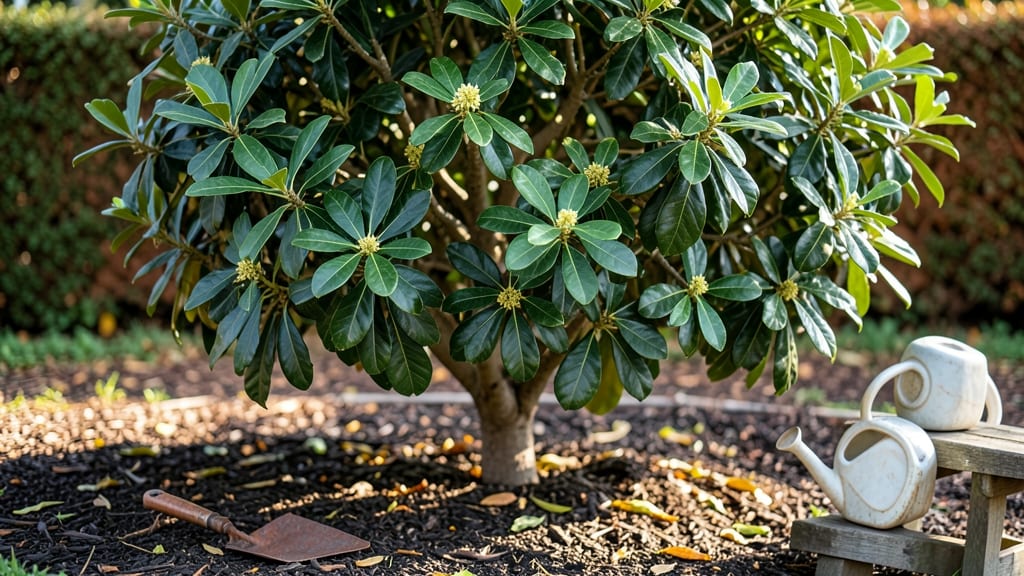
Avocado tree leaves turning yellow or spotted? Those aren’t just problems—they’re signals your tree needs help, and understanding them is the first step to saving it. I’ve nursed back more than a few struggling avocados by catching these early signs, and the fixes are simpler than you’d think.
Most issues boil down to water, pests, or nutrient imbalances, and addressing them early keeps your tree lush and productive.
Start by inspecting the leaves closely: yellowing edges often mean overwatering, while brown spots could signal fungal issues or too much sun. A quick spray of neem oil or a balanced organic fertilizer usually turns things around in weeks.
The key is acting fast—once the damage spreads, recovery gets harder. With the right care, your avocado tree can bounce back stronger than ever.
📚 In This Guide
- What you need
- Instructions
- Tips and common mistakes
- Wrapping up and next steps
What you need
- ● Avocado tree leaves: Fresh, healthy leaves (harvest only 10-20% of the tree’s foliage to avoid stressing it). Aim for 1–2 lbs (0.5–1 kg) for a standard batch.
- ● Pruning shears or sharp scissors: Clean, sterilized tools to avoid damaging the tree or spreading disease.
- ○ Gloves (optional but recommended): Protects hands from sap and potential skin irritation.
- ● Drying method (choose one): Dehydrator: Set to 95°F (35°C) for 4–6 hours.
- ● Oven: Preheat to 170°F (77°C) with the door slightly open; dry for 2–4 hours.
- ● Air-drying: Bundle leaves with rubber bands, hang upside-down in a dark, well-ventilated area for 1–2 weeks.
- ○ Air-tight containers: Glass jars or resealable bags with silica gel packets (optional) to prevent moisture.
- ● Labeling supplies: Masking tape + marker to note harvest date and use (e.g., "pest repellent" or "tea blend").
- ● Essential oil diffuser: For infusing dried leaves with oils (e.g., lavender) to enhance pest-repellent properties.
- ● Mortar & pestle: For crushing dried leaves into a fine powder for teas or remedies.
- ● Freezer bags: For short-term storage (3–6 months) if drying isn’t an option.
- ● Compost bin: To recycle excess leaves or stems (avocado trees are not invasive—saplings can be composted!).
Step-by-Step guide for harvesting and preserving avocado tree leaves
Here's how to collect and store avocado leaves for freshness all year.
Identify and Select Healthy Leaves
Choose mature, vibrant green leaves from the middle of the tree—young leaves are too tender, and older ones may be tough or discolored. Look for leaves that are free of spots, holes, or yellowing. The best leaves are about 6-8 inches long and have a firm, leathery texture when gently squeezed.
Harvest leaves in the morning after the dew has dried but before the heat of the day sets in. This ensures they're at their freshest and retain the most nutrients. Use clean, sharp pruning shears to avoid damaging the branch or leaving jagged edges on the leaf.
Wash and Dry the Leaves
Rinse the leaves under cool running water to remove any dirt, dust, or pesticide residue. Gently pat them dry with a clean kitchen towel or paper towel. Avoid rubbing the leaves, as this can bruise them and speed up spoilage. If you notice any stubborn debris, use a soft brush to gently clean the surface.
Lay the leaves flat on a clean, dry towel or paper towels in a single layer. Allow them to air-dry completely in a well-ventilated area, away from direct sunlight. This process usually takes 2-4 hours, depending on humidity levels. The leaves are fully dry when they feel crisp to the touch and no longer leave moisture on the towel.
Choose a Preservation Method
For short-term storage, place the dried leaves in an airtight container, such as a glass jar or resealable plastic bag. Store the container in a cool, dark place, like a pantry or cupboard. Properly stored, dried leaves will keep for 3-6 months. Check the leaves periodically for any signs of mold or moisture, and discard any affected leaves immediately.
For long-term preservation, you can also freeze the leaves. Place them in a single layer on a baking sheet lined with parchment paper and freeze for 1-2 hours. Once frozen solid, transfer the leaves to a freezer-safe bag or container. Frozen leaves will maintain their quality for up to 12 months. When ready to use, simply thaw the leaves in the refrigerator overnight or at room temperature before incorporating them into recipes.
Store and Use Preserved Leaves
Label your storage containers with the date and type of leaves to keep track of freshness. When using preserved leaves, rehydrate dried leaves by steeping them in warm water for 5-10 minutes before using. For frozen leaves, thaw them gently in a bowl of warm water or microwave for 10-15 seconds on low power.
Preserved avocado leaves can be used in a variety of ways, such as infusing oils, making teas, or adding to soups and stews. Always use them sparingly, as their strong flavor can overpower delicate dishes. Start with a small amount and adjust to taste.
Tips & tricks for perfect avocado tree leaf preservation
Preserving avocado tree leaves properly means you'll have fresh, flavorful ingredients ready whenever you need them. Here's what I've learned from years of experimenting with these delicate leaves.
Selection Tip: In Step 1, when choosing leaves, focus on the middle section of the tree where branches are mature but not yet overripe. These leaves typically have the most balanced texture and flavor. I've found that leaves with a slight sheen are usually fresher than those that appear dull or dusty. Also, avoid leaves with any yellowing at the edges—this is a sign of aging and can affect both flavor and preservation quality.
Drying Strategy: The 2-4 hour drying time in Step 2 can be tricky depending on your climate. If you're in a humid environment, consider using a food dehydrator set to 135°F for about 1-2 hours to speed up the process without compromising texture. For those with high humidity, you might also try placing a small fan nearby to help circulate air while keeping the leaves out of direct sunlight. The key is to ensure they're completely dry before storage—any moisture will lead to mold.
Storage Wisdom: When storing your dried leaves in Step 3, I recommend using glass jars with airtight lids rather than plastic bags. Glass containers are less likely to absorb odors and better preserve the leaves' freshness over time. For long-term storage, consider adding a small packet of silica gel to your container—this helps absorb any residual moisture that might develop during the 3-6 month shelf life. Just make sure to use food-grade silica gel to keep your leaves safe.
Rehydration Hack: For Step 4, if you're short on time and need to use your dried leaves quickly, you can reduce the 5-10 minute rehydration time to just 2-3 minutes by using slightly warmer water (around 160°F). This works particularly well for infusing oils or making teas where you don't need the leaves to be fully rehydrated. Always remember to strain the leaves after use to prevent any bitterness from over-extraction.
Pro Tips for Avocado Tree Leaves
- Preserving avocado tree leaves properly means you'll have fresh, flavorful ingredients ready whenever you need them.
- Selection Tip: In Step 1, when choosing leaves, focus on the middle section of the tree where branches are mature but not yet overripe.
- Drying Strategy: The 2-4 hour drying time in Step 2 can be tricky depending on your climate.
Frequently asked questions
Got questions about working with avocado tree leaves? You’re not alone! Here are some of the most common queries—plus straightforward answers to help you make the most of your harvest.
Can I use avocado tree leaves for cooking?
Yes! While they’re not as common as culinary herbs like cilantro or basil, avocado leaves add a mild, slightly bitter, and earthy flavor. They’re often used in Mexican cuisine—try them in soups, stews, or as a garnish. Pro tip: Harvest young, tender leaves for the best flavor!
When is the best time to harvest avocado tree leaves?
The best time to harvest is early morning when essential oils are most concentrated. Aim for spring or summer when new growth appears. Avoid harvesting during drought or extreme heat, as leaves may become tough or bitter.
How do I store avocado tree leaves for long-term use?
For short-term storage (up to a week), wrap leaves in a damp paper towel and refrigerate. For long-term use, dry them (hang in bundles or use a dehydrator) or freeze them in an airtight container. Dried leaves keep for months!
Are avocado tree leaves toxic to pets?
Avocado tree leaves contain persin, a compound toxic to pets like dogs and cats in large amounts. While ingestion of a few leaves is unlikely to cause harm, keep them out of reach and monitor your pets if they’re curious snackers.
What can I do with avocado tree leaves if I don’t want to cook with them?
Beyond the kitchen, avocado leaves have practical uses! Try them as natural pest repellents (crush and place near plants) or as compost accelerators (chop and mix into your garden bed). Some even use them for tea—just steep a few leaves in hot water for a caffeine-free herbal brew!
Wrapping up and next steps
Avocado tree leaves aren’t just a bonus—they’re a versatile treasure for gardeners, chefs, and wellness enthusiasts! Whether you’re drying them for tea, composting for nutrient-rich soil, or exploring their medicinal properties, these leaves offer year-round benefits with minimal effort. 🌿
Ready to put your newfound knowledge to work? Start small—harvest a few leaves today and experiment with preserving them. Who knows? You might just discover your next favorite homemade remedy or culinary secret! 💚