
Trees
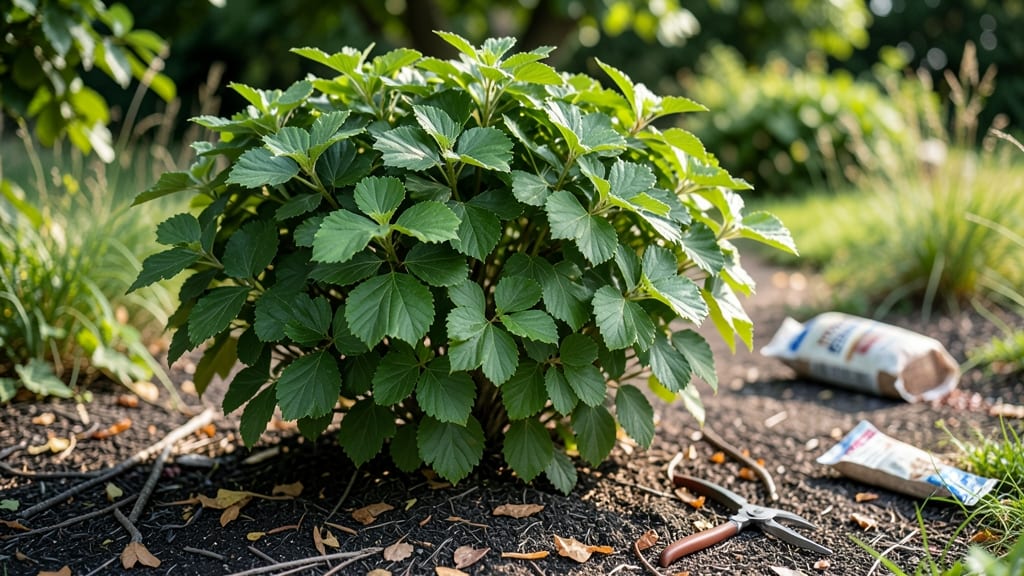
Those snowball tree leaves aren’t just pretty—they’re the secret to year-round white blossoms that make neighbors stop and stare. 🌿 I’ve learned the hard way that healthy leaves mean bigger, longer-lasting blooms, and the difference between a bush that thrives and one that fades starts with proper care.
Start by checking your tree’s light—too much shade means sparse blooms, while too much sun can scorch those delicate leaves. Prune in late winter or early spring to shape the tree and encourage new growth, always cutting just above a bud.
A good rule of thumb? Remove no more than one-third of the branches at once to avoid stressing the plant.
📚 In This Guide
- What you need
- Instructions
- Tips and common mistakes
- Wrapping up and next steps
What you need
- ● Snowball Tree (Viburnum opulus or Hydrangea arborescens ‘Annabelle’): 1-3 mature plants (for instant impact) or seeds/saplings (if starting from scratch).
- ● Note: True "snowball tree" leaves are green—it’s the flowers that create the snowball effect!
- ● Well-draining soil: Mix of garden soil, compost, and perlite (50/30/20 ratio).
- ● Mulch: 2-3 inches of organic mulch (e.g., shredded bark or wood chips) to retain moisture.
- ● Garden trowel or shovel (for planting/digging).
- ● Pruning shears (sterilized with rubbing alcohol).
- ● Gloves (gardening or work gloves for protection).
- ● Watering can or hose (with adjustable nozzle for gentle watering).
- ○ pH testing kit (optional but helpful—ideal soil pH: 5.0–6.0 for viburnum; 6.0–7.0 for hydrangeas).
- ● Sunlight access: 6+ hours of direct sun (partial shade tolerated in hot climates).
- ● Space: 10–15 feet of clearance (mature height/width).
- ● Timing: Plant bare-root saplings in early spring or fall.
- ● Prune dead blooms after flowering (late spring) to encourage new growth.
How to care for snowball tree leaves for year-long white beauty
Here's how to keep your snowball tree's iconic blooms thriving season after season.
🌿 Step 1: Choose the Right Location for Year-Round Growth
The snowball tree (Viburnum opulus) thrives in partial shade to full sun, but here's the thing—too much harsh afternoon sun can scorch its delicate leaves. I always plant mine where it gets morning sunlight and dappled shade in the afternoon, especially in hotter climates. If your yard has only full sun, position it where it receives filtered light from nearby trees.
Check your spot by observing how sunlight moves across it throughout the day. The ideal location will have at least 4-6 hours of gentle sunlight while avoiding the intense midday rays. Snowball trees also tolerate light shade, making them perfect for understory plantings near larger trees or along north-facing walls.
☀️ Step 2: Provide Proper Light and Airflow for Healthy Foliage
Once planted, your snowball tree needs bright, indirect light to maintain its lush, white-blooming canopy. If you notice the leaves turning yellow or the plant growing leggy, it's getting too little light. Move it to a sunnier spot gradually—sudden exposure to full sun can cause leaf scorch, which looks like crispy brown edges.
Good airflow is just as important. I always space my snowball trees 6-8 feet apart to prevent fungal diseases that thrive in stagnant, humid air. Prune back any overgrown branches that block airflow, especially in dense plantings. This keeps the foliage healthy and encourages those signature white blooms to appear reliably each spring.
💧 Step 3: Water Deeply and Maintain Consistent Moisture
Snowball trees prefer even moisture but hate soggy roots. Water deeply once a week during the growing season, providing about 1-1.5 gallons per plant at each watering. The key is to soak the root zone until water runs out the drainage holes—this encourages deep root growth. Let the top 2-3 inches of soil dry out between waterings to prevent root rot.
In hot, dry weather, you may need to water every 4-5 days, but always check the soil first. Stick your finger 2 inches deep—if it feels dry, it's time to water. Mulch around the base with 2-3 inches of organic mulch to retain moisture and regulate soil temperature. This also suppresses weeds, which compete for water and nutrients.
✂️ Step 4: Prune Strategically to Encourage Dense Foliage
Pruning isn’t just about shaping—it’s how you keep your snowball tree producing those stunning white clusters. I always prune right after flowering, around late spring to early summer, to avoid cutting off next year’s blooms. Remove any dead, diseased, or crossing branches first, then thin out crowded growth to improve airflow.
To encourage a fuller canopy, cut back some of the oldest stems by one-third every few years. This rejuvenates the plant and promotes new growth from the base. Avoid heavy pruning in fall or winter, as the tree needs its energy to prepare for dormancy. After pruning, give the plant a light fertilizer to support its recovery.
🌱 Step 5: Protect Leaves Through Seasonal Changes
Snowball trees are deciduous, so their leaves will turn yellow and drop in fall. To prepare for winter, reduce watering as temperatures drop below 50°F, allowing the soil to dry out more between waterings. In colder climates, mulch heavily around the base with 3-4 inches of mulch to insulate the roots from freezing temperatures.
If you live in a region with harsh winters, consider wrapping the trunk with burlap or tree guard to protect it from rodent damage and winter sun scorch. In spring, remove any dead or broken branches before new growth begins. With proper care, your snowball tree will reward you with vibrant white blooms and lush green leaves year after year.
Tips & tricks for perfect snowball tree leaf care
Here's what I've learned after years of keeping my snowball trees lush and blooming—these small details make all the difference.
Light Balance: The 4-6 hours of gentle sunlight mentioned in Step 1 should be spread throughout the morning, not concentrated in one hot burst. I've found that positioning the tree near a north-facing window or under a taller tree's canopy creates perfect dappled light conditions. If you notice crispy brown edges on leaves, that's your signal to move it to a slightly shadier spot—especially during those intense afternoon sun periods.
Soil Test Tip: Before planting, test your soil's drainage. Snowball trees hate soggy roots, so if your soil stays wet for more than 24 hours after watering, amend it with compost or plant in a raised bed. I always do a simple "percolation test"—dig a 12-inch hole, fill with water, and time how long it takes to drain. If it's slower than 4 hours, you need better drainage.
Pruning Precision: When pruning in late spring to early summer as instructed, focus on removing branches that grow inward or cross each other—these compete for sunlight and air. I use sharp, clean pruners and make cuts just outside the branch collar (the swollen area where the branch meets the trunk). This prevents unsightly stubs and promotes faster healing. For large branches, I make the cut at a slight angle to help water run off.
Seasonal Adjustments: The 50°F threshold for winter watering changes is crucial, but don't wait until the first frost—start reducing water when nighttime temperatures consistently stay below 55°F. I also add an extra 1-2 inches of mulch around the base in fall to create an insulating blanket. This helps protect the roots from temperature fluctuations that can stress the tree during winter.
Pro Tips for Snowball Tree Leaves
- Here's what I've learned after years of keeping my snowball trees lush and blooming—these small details make all the difference.
- Light Balance: The 4-6 hours of gentle sunlight mentioned in Step 1 should be spread throughout the morning, not concentrated in one hot burst.
- Soil Test Tip: Before planting, test your soil's drainage.
Frequently asked questions
Got questions about keeping your snowball tree leaves looking their best? Here are answers to the most common ones—so you can enjoy that dreamy white canopy all year!
Why do my snowball tree leaves turn brown or yellow?
Brown or yellow leaves usually signal stress—often from overwatering, underwatering, or nutrient deficiencies. Check soil moisture (it should feel damp but not soggy) and fertilize lightly in spring. If pests like spider mites are the culprit, a gentle insecticidal soap spray can help. Pro tip: Prune affected branches to encourage healthier growth!
Do snowball trees lose their white flowers in winter?
Yes! While the name suggests year-round snowball blooms, these trees (like Viburnum opulus) typically bloom in late spring to early summer. Their foliage may turn dull or drop in winter, but the structure remains attractive. For four-season interest, pair with evergreens like holly or pine.
Can I grow a snowball tree in a pot?
Dwarf varieties (e.g., Viburnum bodnantense) thrive in large containers (15+ gallons). Use well-draining soil and a pot with drainage holes. Move it indoors during harsh winters if temperatures dip below 10°F. Just remember: Potted trees need frequent watering and may need pruning to control size. Pro tip: Rotate the pot occasionally for even growth!
What’s the best time to prune snowball tree leaves?
Prune right after flowering (late summer) to shape the tree and encourage next year’s blooms. Avoid heavy pruning in fall/winter—it can stress the plant. Use clean, sharp shears to cut back dead or crossing branches. For dramatic results, thin out dense areas to improve airflow and sunlight penetration.
Are there alternatives to snowball trees for white foliage?
If you love white foliage but want variety, try:
- Dwarf Korean Lilac (Syringa meyeri) – Compact with fragrant blooms.
- Japanese Snowbell (Styrax japonica) – Delicate white flowers and glossy leaves.
- White Pine (Pinus strobus) – Evergreen with silvery-blue needles.
Wrapping up and next steps
The snowball tree leaves—with their stunning, year-round white canopy—bring a touch of winter magic to any landscape, no matter the season. Whether you’re drawn to their delicate blooms, ease of care, or unique aesthetic, these trees are a fantastic addition for gardeners and nature lovers alike. 🌸
Ready to transform your outdoor space? Start by researching the best variety for your climate or reach out to local nurseries for expert advice. With a little planning, you’ll be enjoying that dreamy, snowball-like beauty in no time!