
Orchid Care
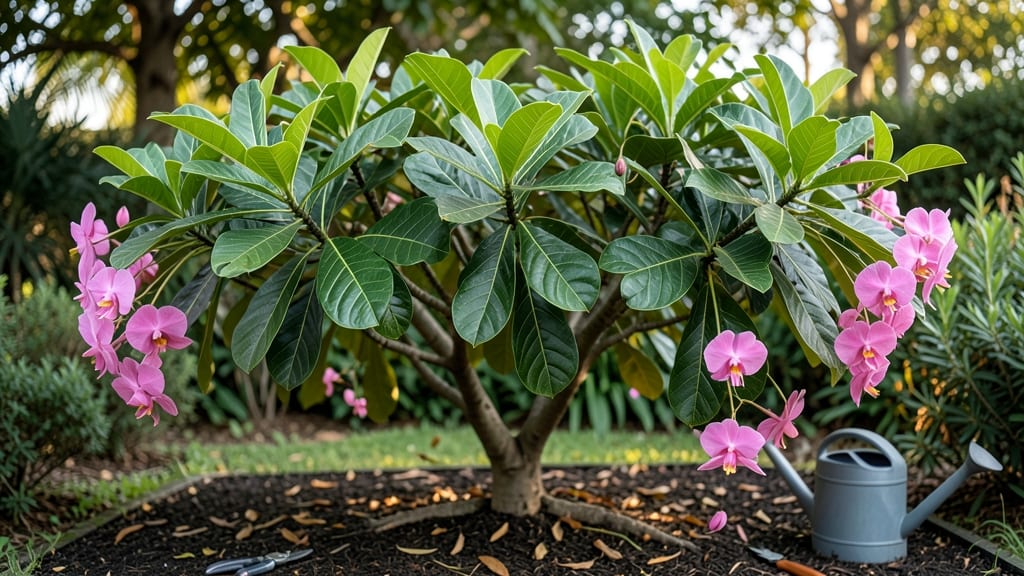
Your orchid tree's leaves hold the secret to its stunning blooms—pruning them right keeps that lushness year-round. 🌿 I’ve learned the hard way that snipping at the wrong time or for the wrong reason sends these trees into a spiral of bare branches and missed flowers.
The key? Timing, technique, and knowing exactly which leaves to keep—and which to trim.
Start by scanning your tree for healthy green leaves (firm, glossy) versus struggling ones (yellowing, crispy, or spotted). Prune only when you see new growth emerging—usually spring or early summer—and always cut just above a leaf node.
A single misplaced snip can mean the difference between a bushy tree and a sad, leggy shadow of its former self.
📚 In This Guide
- What you need
- Instructions
- Tips and common mistakes
- Wrapping up and next steps
What you need
- ● Pruning shears: Sharp, clean bypass pruners (4–6 inch blades) for precision cuts. Must be sterilized with rubbing alcohol or a 10% bleach solution.
- ● Hand pruners: Smaller bypass or anvil pruners (2–3 inch blades) for tighter spaces.
- ● Rubbing alcohol (70% isopropyl) or bleach: 1 cup bleach + 1 gallon water for disinfecting tools between cuts.
- ● Gloves: Heavy-duty gardening gloves (nitrile-coated for thorn protection—Bauhinia has them!).
- ○ Pruning sealant (optional): Tree wound dressing (like Tanglefoot Tree Wound Pruning Seal) for cuts larger than ½ inch.
- ● Disposable bags or bucket: For collecting trimmings (compost them later!).
- ● Ladder or step stool: If your orchid tree is over 6 feet tall.
- ● Timing: Prune in early spring (just before new growth) or late winter for best results.
- ● Weather: Choose a dry, overcast day to avoid stressing the plant.
- ● Health check: Inspect leaves for pests (aphids, spider mites) or disease (yellowing, spots) before pruning.
- ● Watering: Water the tree 24 hours before pruning to reduce shock.
How to prune orchid tree leaves for healthy, vibrant growth
Pruning your orchid tree isn't just about shaping—it's about encouraging fuller foliage and stronger stems.
🌿 Step 1: Identify What to Prune and When
Start by examining your orchid tree for yellowed, brown, or crispy leaves—these are your first targets. Healthy leaves stay deep green, slightly leathery, and firm to the touch. Prune in early spring just as new growth begins, or in late summer after flowering if needed.
Look for dead branches too—these appear dry, brittle, and won't bend without snapping. Use your fingers to gently test stems: if they crumble, they're ready to go. Avoid pruning during winter dormancy or when the plant is actively flowering, as this stresses the tree.
✂️ Step 2: Use the Right Tools and Technique
Grab your clean, sharp pruning shears—dull blades tear stems and invite disease. Sterilize them with rubbing alcohol before and after pruning to prevent spreading pathogens. Make cuts at a 45-degree angle, about ¼ inch above a leaf node or outward-facing bud for best regrowth.
For larger branches, cut back to a strong lateral branch or the main trunk. Never leave stubs—these collect moisture and rot. If you're unsure where to cut, imagine the plant's natural shape: prune to encourage fullness, not just height.
💧 Step 3: Prune for Shape and Airflow
Step back and visualize your orchid tree’s ideal shape—usually rounded and bushy. Remove crossing or rubbing branches first, as these create wounds and block airflow. Thin out crowded areas to let sunlight reach the center, where leaves often yellow from lack of light.
For leggy growth, cut back the longest stems by ⅓ to ½ their length. This forces energy into lateral buds, producing denser foliage. Avoid over-pruning—never remove more than ⅓ of the plant’s total foliage at once, or you’ll shock the tree.
☀️ Step 4: Post-Pruning Care for Recovery
Water deeply after pruning to help the tree recover, but avoid soaking the fresh cuts. Use room-temperature water to prevent shock, and let excess drain completely—orchid trees hate soggy roots. Place the tree in bright, indirect light for a week to reduce stress.
Monitor for new growth within 2-4 weeks. If you see soft, pliable new shoots, you’ve pruned correctly. If leaves yellow or drop, you may have pruned too aggressively. Adjust future cuts based on how your tree responds—every orchid tree has its own rhythm.
Tips & tricks for pruning orchid tree leaves
Here's what nobody tells you about pruning orchid trees that'll make all the difference in your plant's health.
Timing Secret: Early spring is ideal for pruning because it coincides with your orchid tree's natural growth cycle. The tree can quickly recover and put energy into new growth. If you prune in late summer, do so after flowering to avoid stressing the plant when it's already preparing for dormancy. I've learned this the hard way—pruning during winter dormancy can actually harm your tree.
Tool Technique: Sterilizing your pruning shears with rubbing alcohol is crucial—it prevents spreading fungal diseases between cuts. I always do this before and after each use, especially when working with multiple branches. For larger branches, make your cut just outside the branch collar (that swollen area at the base of the branch) to promote faster healing and prevent decay. Never leave stubs—they're like open wounds that collect moisture and rot.
Shape Strategy: When visualizing your orchid tree's ideal shape, think "rounded and bushy" rather than tall and leggy. This encourages the tree to grow outward rather than upward. For leggy growth, cutting back by ⅓ to ½ length forces the tree to redirect energy to lateral buds. I find it helpful to sketch a rough outline of my desired shape before I start pruning—it keeps me focused on the overall look.
Recovery Hack: After pruning, place your orchid tree in bright, indirect light for a full week to reduce stress. I've noticed that trees recover much faster when they're not competing for light with other plants. Also, avoid fertilizing immediately after pruning—wait until you see new growth (about 2-4 weeks) before giving your tree any extra nutrients. This gives it time to focus on healing rather than processing fertilizer.
Pro Tips for Orchid Tree Leaves
- Here's what nobody tells you about pruning orchid trees that'll make all the difference in your plant's health.
- Timing Secret: Early spring is ideal for pruning because it coincides with your orchid tree's natural growth cycle.
- Tool Technique: Sterilizing your pruning shears with rubbing alcohol is crucial—it prevents spreading fungal diseases between cuts.
Frequently asked questions
Got questions about keeping your orchid tree leaves vibrant and healthy? Here are some common ones—and their answers—to help you prune with confidence!
When is the best time to prune orchid tree leaves?
The ideal time is late winter or early spring, just before new growth begins. This gives your tree time to recover before summer heat. Avoid pruning during flowering periods or extreme weather—wait for mild conditions!
How do I know which leaves to trim?
Remove yellowed, brown, or crispy leaves first—they’re dead and drain energy. Next, trim overcrowded or crossing branches to improve airflow. Always cut just above a leaf node (the bump where new growth starts) for the cleanest results.
Can I prune orchid tree leaves in winter?
Light pruning (like removing dead leaves) is fine in winter, but avoid heavy cuts until spring. Cold stress weakens recovery, and new growth may struggle. If you must prune, do it on a mild day (above 50°F) and keep the tree indoors overnight.
What if my orchid tree leaves turn yellow after pruning?
Yellowing can happen if you cut too close to the trunk or stress the plant. Don’t panic! Keep the soil moist (but not soggy) and place the tree in bright, indirect light. If only a few leaves yellow, it’s normal—new leaves will replace them in 4–6 weeks.
Are there alternatives to pruning for shaping my orchid tree?
Yes! Try pinching (gently squeezing off new growth tips) to encourage bushiness, or braiding branches for a decorative look. For dramatic changes, use growth regulators (like pruning paste) on cuts to prevent disease. Just avoid harsh methods—orchid trees respond best to gentle guidance!
Wrapping up and next steps
Caring for your orchid tree’s leaves doesn’t have to be a mystery—with the right tools, timing, and techniques, you can keep your plant thriving year-round! 🌿 Whether you’re trimming for health, shape, or blooms, remember that consistency and patience are key.
Now that you’re armed with pruning know-how, why not take the next step?
🌱 Next Steps to Orchid Tree Perfection
- Monitor your plant after pruning—watch for new growth and adjust care as needed.
- Experiment with different pruning styles to see what works best for your orchid tree’s unique needs.
- Share your progress! Snap photos of your before-and-after transformations and tag us—we’d love to see your green thumb in action.
Happy pruning—your orchid tree is about to shine brighter than ever! 🌟