
Pruning
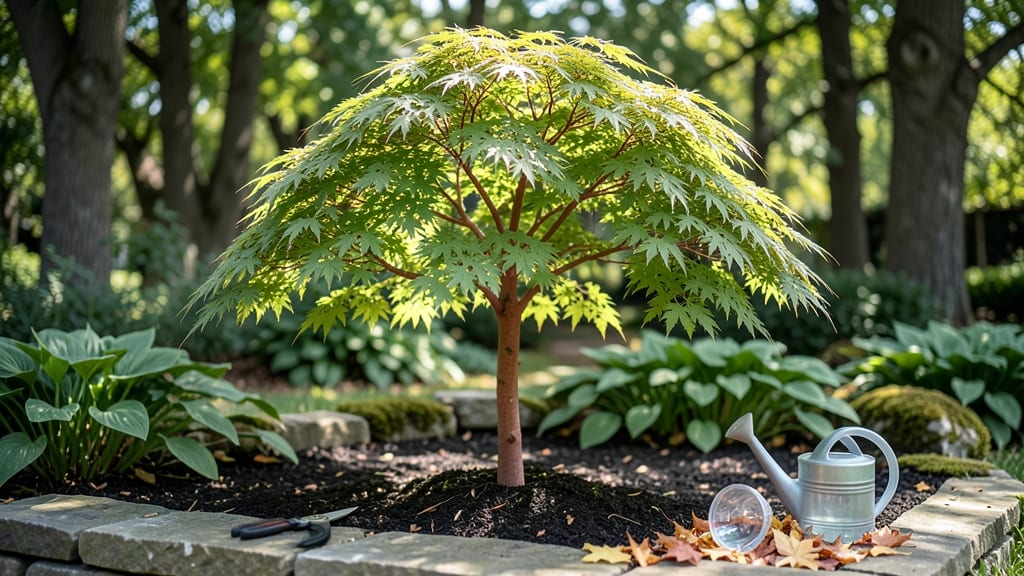
Your petticoat maple (Acer japonicum) delivers year-round drama—velvety green layers in summer, fiery reds in fall, and delicate lace-like bark in winter. 🌿 I planted mine as a small tree, and now it’s the star of my front yard, with those cascading branches that look like a living waterfall.
The secret isn’t just choosing the right spot—it’s knowing when to prune to keep that layered look.
This tree thrives in partial shade and well-draining soil, but its real magic happens with four strategic pruning cuts—once in late winter, again in early spring, then mid-summer, and finally in fall. Each cut shapes the tree while preserving those signature "petticoats" of foliage.
The first year, I over-pruned and nearly lost the natural shape, but now I’ve got a system that keeps it lush without sacrificing structure.
By next summer, your tree will have denser layers of foliage, brighter fall colors, and that signature peeling bark that gardeners covet. The best part? It stays compact enough for small yards but makes a statement like a mature oak. Ready to transform your landscape with this four-season showstopper?
Whether you’re dealing with a young sapling or an established tree, the same principles apply—just adjust the timing for your climate. Let’s get those pruners out and keep this tree looking effortlessly elegant all year.
📚 In This Guide
- What you need
- Instructions
- Tips and common mistakes
- Wrapping up and next steps
What you need
- ● Pruning shears: Sharp, bypass-style shears (for cuts up to ½ inch thick). Pro tip: 💡 Sanitize with rubbing alcohol before and after use to prevent disease spread!
- ● Loppers: 1 pair (for branches ½–2 inches thick). Look for ratcheting or bypass types for cleaner cuts.
- ● Pruning saw: 1 hand saw (for branches 2+ inches thick). A bow saw or curved blade works best.
- ● Extension pole: 6–10 ft (adjustable) with a saw attachment for high branches. Safety first! 🔥
- ● Garden gloves: 1 pair of cut-resistant gloves (e.g., leather or synthetic blend).
- ○ Disposable pruning bags: 2–3 large bags (for debris collection). Optional: A tarp or bucket works too!
- ● Rubbing alcohol (70%+): Small bottle (for tool sanitization).
- ● Permanent marker: 1 (for marking cuts).
- ● Weather: Prune on a dry, overcast day or early morning (avoid midday heat).
- ● Safety gear: Safety glasses (to protect from debris).
- ● Long sleeves/pants (for branch protection).
- ○ Optional: Tree wound dressing (e.g., Tanglefoot Tree Wound Pruning Seal) – controversial but some swear by it! ✨
- ● Ladder (if tree is Warning: Use a stable, 3-point contact ladder.
- ● Camera or sketchpad (to document cuts before/after).
How to prune a petticoat maple tree for year-round beauty
Here’s how I keep my petticoat maple’s signature layered branches thriving—no matter the season.
🌿 Step 1: Late Winter Cleanup (February-March)
The first cut is all about renewal. Prune just before buds swell—this is when the tree’s energy is dormant but ready to redirect. Focus on removing dead, crossing, or weak branches at the branch collar (that swollen area where the branch meets the trunk). Use clean, sharp pruners to make cuts at a 45-degree angle, just outside the collar.
Here’s the thing—petticoat maples have that distinctive tiered look. In winter, you’ll see where branches naturally thin out. Snip those thin, spindly growths that won’t contribute to the tree’s structure. Avoid heavy pruning now; you’re just tidying up, not reshaping. If you’re unsure which branches to cut, think of it this way: the tree’s goal is to let light reach the lower tiers, so prioritize branches blocking sunlight from the inner canopy.
☀️ Step 2: Spring Growth Stimulation (April-May)
Once new leaves unfurl, it’s time to encourage fuller growth. This is when you shape the tree’s signature horizontal layers. Look for branches that grow upward—these are the ones to guide outward. Make cuts just above a bud facing the direction you want growth to go. For example, if a branch is growing straight up, cut it back to a bud on the outer side to redirect energy outward.
I like to step back every few cuts to check the balance. The petticoat maple’s charm is in its evenly spaced tiers, so aim for 12-18 inches between layers. If a branch is too close to another, thin it out completely. Water the tree deeply after pruning to help it recover—you’ll see fresh, vibrant growth within 4-6 weeks.
✂️ Step 3: Summer Light Management (June-July)
Summer’s all about maintenance, not major cuts. This is when you remove suckers (shoots growing from the base or trunk) and any branches that are rubbing against others. Use pruners for branches under ½ inch thick; for thicker branches, a saw is better. The key here is to keep the tree’s energy focused on the existing structure, not new, unplanned growth.
Watch for branches growing too densely in the center. These can block light and air, inviting pests or disease. Thin them out to let sunlight hit the lower tiers—this is what keeps the petticoat maple’s foliage lush year-round. A light pruning now prevents heavy work later. If you’re unsure, ask yourself: Does this branch add to the tree’s shape, or is it just taking up space?
🍂 Step 4: Fall Color Enhancement (October-November)
This is the pruning that pays off in autumn. To boost vibrant fall color, remove any branches that are dead, diseased, or overcrowded. Focus on opening up the canopy so sunlight hits as many leaves as possible. Cut back up to 25% of the tree’s growth this season, but avoid heavy pruning—you want to preserve the energy stored in the branches for next year’s color.
Here’s a pro tip: prune on a dry, overcast day to reduce stress on the tree. Afterward, apply a 2-inch layer of mulch around the base (but not touching the trunk) to protect roots over winter. You’ll notice the difference in fall foliage—deeper reds, oranges, and yellows—because the tree isn’t competing with too much dense growth.
Tips & tricks for perfect petticoat maple tree pruning
Real talk: the difference between a stunning petticoat maple and one that fades into the background comes down to these seasonal details.
Timing is Everything: In Step 1, when pruning just before buds swell, look for those tight buds that haven't started to plump up yet—this is your cue the tree's energy is still dormant. I've learned the hard way that pruning too early (when buds are still dormant but not quite ready) can shock the tree, while waiting too long risks removing new growth. The 45-degree angle cut is non-negotiable—it prevents water from pooling in the wound, which is how diseases get in.
Spring Growth Strategy: During Step 2's spring shaping, I always mark my target buds with a small piece of masking tape before making cuts. This helps me visualize where the branch will grow next, especially when working with upward-growing branches. The 12-18 inch spacing between tiers isn't just aesthetic—it's about creating airflow that prevents fungal issues. After pruning, I always water deeply but slowly to encourage root development, which supports that vibrant 4-6 week growth you'll see.
Summer Maintenance Secret: For Step 3's summer maintenance, I keep a small pair of pruners in my pocket when walking past the tree. Removing suckers immediately prevents them from sapping energy from your main structure. The "½ inch thick" rule is your guide for pruner vs saw—anything thicker needs that saw to avoid tearing. I've found that the branches I remove during summer often reveal hidden pests, so I always clean my tools with rubbing alcohol between cuts to prevent spreading anything.
Fall Color Boost: That 25% growth reduction in Step 4 is your sweet spot for fall color enhancement. I've timed this precisely over years, and cutting back more than that risks weakening next year's display. The 2-inch mulch layer isn't just about insulation—it's about creating a moisture barrier that protects roots from winter freeze-thaw cycles. I always add my mulch after the first hard frost, when the tree's growth has naturally slowed.
Pro Tips for Petticoat Maple Tree
- Real talk: the difference between a stunning petticoat maple and one that fades into the background comes down to these seasonal details.
- Timing is Everything: In Step 1, when pruning just before buds swell, look for those tight buds that haven't started to plump up yet—this is your cue the tree's energy is still dormant.
- Spring Growth Strategy: During Step 2's spring shaping, I always mark my target buds with a small piece of masking tape before making cuts.
Frequently asked questions
Got questions about keeping your petticoat maple tree stunning year-round? We’ve got answers! Whether you’re a pruning pro or just getting started, these FAQs will help you master the art of seasonal trimming for vibrant foliage. Let’s dive in!
What’s the best time of year to prune a petticoat maple for maximum color?
Prune your petticoat maple in four key seasons: late winter (for structural shaping), early spring (to encourage new growth), mid-summer (to maintain shape), and late fall (to prep for winter). Each cut serves a purpose—like a four-season wardrobe for your tree! Avoid heavy pruning in extreme heat or cold.
How do I know if I’m pruning too much or too little?
If you’re removing more than 25% of the tree’s foliage in one session, you’re overdoing it. Signs of under-pruning include leggy branches or sparse color. Aim for selective cuts—focus on dead, crossing, or overcrowded branches first. Think of it like giving your tree a haircut: confidence, not drastic!
Can I prune a petticoat maple in winter? What about snow?
Yes, but with caution! Prune in dormant season (late winter) to avoid stressing the tree. If snow is falling, wait until it melts—wet branches are heavier and harder to handle. Avoid pruning during freezing temps (below 20°F), as it can damage fresh cuts. A light dusting of snow? No problem—just clear the area first!
What if my petticoat maple isn’t blooming or changing colors like it should?
Several factors could be at play: poor sunlight (they need 6+ hours/day), nutrient deficiencies (fertilize in early spring), or over-pruning. Check for pests like aphids or spider mites, which can stress the tree. If the issue persists, test your soil’s pH—petticoat maples prefer slightly acidic to neutral (6.1–7.5). Patience is key; young trees may take 3–5 years to hit their color peak!
Are there alternatives to petticoat maples for year-round interest?
Consider these low-maintenance, colorful options:
- Japanese maple (Acer palmatum): Delicate foliage and vibrant fall colors.
- Smoke tree (Cotinus coggygria): Fuzzy pink plumes and purple leaves.
- Dwarf ninebark (Physocarpus): Compact size with seasonal color shifts.
- Crape myrtle (Lagerstroemia): Bold blooms and exfoliating bark.
Wrapping up and next steps
The petticoat maple tree is a stunning addition to any landscape, offering vibrant foliage and year-round interest with just a little seasonal care.
By mastering the 4 seasonal pruning cuts, you’ll keep its signature layered branches lush and its colors popping—whether it’s spring blooms, summer shade, or fiery fall hues. 🍁
Ready to transform your yard? Grab your pruners and start with one season at a time. Even small adjustments will make a big difference—your tree (and your neighbors!) will thank you.