
Trees
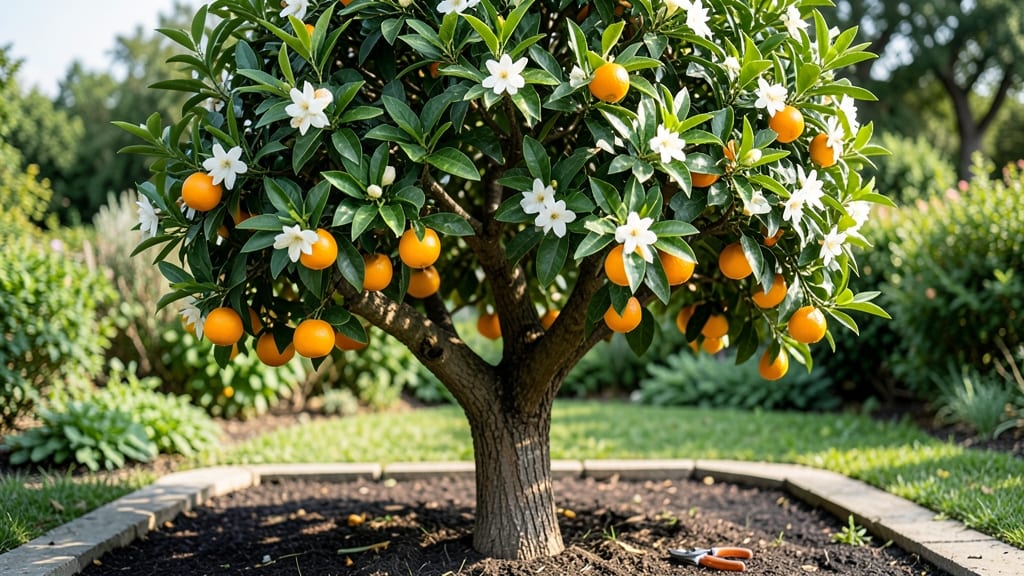
Growing a Parson Brown orange tree in the Pacific Northwest feels like defying winter itself. 🌱 This citrus gem thrives where most oranges would freeze—its thick leaves and cold-hardy roots make it the perfect choice for gardeners who refuse to give up on summer flavors.
I planted mine last spring, and even through our damp, chilly winters, it’s still standing strong, promising juicy fruit come harvest season.
The secret lies in its resilience: 30-40°F temperatures won’t kill it, and it handles our rainy summers better than most. Plant it in well-draining soil with full sun exposure (at least 6 hours daily), and you’ll see those glossy, dark green leaves emerge within weeks.
Mulch heavily in winter to protect roots, and watch as it rewards you with sweet, fragrant oranges that taste like sunshine—even in Portland.
📚 In This Guide
- What you need
- Instructions
- Tips and common mistakes
- Wrapping up and next steps
What you need
- ● Parson Brown orange tree: A 1- to 3-gallon container-grown sapling (ensure it’s labeled as cold-hardy or "Parson Brown" for PNW suitability).
- ● Well-draining soil: 3-5 bags of citrus-specific potting mix (or a blend of 60% potting soil, 30% perlite, and 10% compost). For in-ground planting: Amend native soil with 2-3 inches of compost and coarse sand.
- ● Container (if potted): A 15- to 20-gallon pot with drainage holes (fabric grow bags or ceramic are great options).
- ● Mulch: 2-3 cubic feet of wood chips or straw (avoid fresh mulch—it can harbor pests!).
- ● Garden tools: Trowel, pruning shears (sterilized with rubbing alcohol), and a small shovel.
- ● Frost protection: 1-2 frost cloths (breathable, 30% shade cloth or heavier).
- ○ Optional: Christmas lights (incandescent) for mild winter warmth (string 10-15 feet around the tree).
- ● Fertilizer: Citrus-specific fertilizer (e.g., 6-6-6 or 8-3-9 NPK ratio) or organic options like fish emulsion or citrus micronutrients.
- ● Watering supplies: Hose with a gentle spray nozzle or a drip irrigation kit (to avoid soggy roots).
- ● Location: A south-facing spot with at least 6-8 hours of sunlight daily (PNW’s shorter days? Use grow lights for 4-6 hours if needed!).
- ● Tree support: A small stake or bamboo cage if your tree is young or top-heavy.
- ● Pest deterrents: Neem oil, diatomaceous earth, or reflective tape (to confuse pests like aphids).
- ● Soil moisture meter: To track watering needs (Parson Browns hate soggy feet!).
- ● Epsom salt: A handful mixed into soil annually for magnesium boost (helps with leaf color!).
Step-by-Step guide to planting and caring for your Parson Brown orange tree
Here's how to establish this hardy citrus tree for maximum fruit production in cooler climates.
🪴 Step 1: Choose the Perfect Planting Location
Parson Brown thrives in full sun—at least 6-8 hours daily—but its real magic happens in protected microclimates. In the Pacific Northwest, plant near south-facing walls or fences that absorb and radiate warmth. Avoid low spots where cold air settles.
Dig a hole twice as wide as the root ball but only as deep as the container's drainage holes show. The top of the root ball should sit 1-2 inches above ground level—this prevents waterlogging during our wet winters. Amend the native soil with 3-4 inches of compost mixed into the bottom of the hole to improve drainage.
💧 Step 2: Water Deeply and Mulch Generously
Water thoroughly immediately after planting—10-15 gallons for a young tree—to settle the soil around roots. You'll know it's right when water pools slightly at the surface but drains within 15-20 minutes. Overwatering now causes root rot, and this tree despises soggy feet.
Spread 3-4 inches of mulch (wood chips or straw) over the soil surface, keeping it 6 inches away from the trunk. This mimics the tree's native Mediterranean conditions while protecting roots from temperature swings. Replenish mulch annually—it breaks down faster in our damp climate.
☀️ Step 3: Protect from Early and Late Frosts
Even Parson Brown needs winter protection. When nighttime temps drop below 25°F, wrap the tree trunk with burlap and cover the canopy with frost cloth secured loosely at the bottom. Never use plastic—it traps cold air and burns leaves. I've seen trees survive 15°F with this method, though fruit may still get nipped.
During the day, remove covers completely to prevent overheating. Watch for bud break in early spring—this is your cue to monitor frost forecasts closely. If a hard freeze (below 20°F) is predicted after buds swell, drape frost cloth again. The tree's resilience shines when you give it this small winter help.
✂️ Step 4: Prune for Airflow and Fruit Production
Prune in late winter or early spring before new growth begins. Remove dead, crossing, or inward-growing branches first—these compete for sunlight and energy. Then shape the tree by cutting back overly vigorous branches by one-third to encourage bushier growth. Always make cuts just above an outward-facing bud.
Thin fruit in late spring when oranges are golf-ball sized. Leave 6-8 inches between remaining fruit—crowded oranges stay small and sour. Here's the trick: the first year, remove most fruit to build tree strength. You'll reward yourself with sweet, abundant harvests in years two and three.
Tips & tricks for perfect Parson Brown orange tree planting
Common pitfalls—and how to sidestep every one—when establishing your frost-resistant citrus tree in the Pacific Northwest.
Microclimate Mastery: That south-facing wall isn't just about sun—it's about creating a heat sink. In Step 1, look for spots where the wall absorbs warmth during the day and releases it at night. I've seen trees planted against dark-colored brick outperform those near light-colored stucco by up to 5°F in winter. Test your spot by checking how long it stays warm after sunset—ideal spots hold heat for 3+ hours after dark.
Watering Wisdom: The 15-20 minute drainage test in Step 2 is non-negotiable, but here's what nobody tells you: our Pacific Northwest clay soils often compact around newly planted roots. To fix this, gently loosen the soil around the root ball with your fingers after watering—just 1-2 inches deep. This creates tiny air pockets that help roots establish faster, especially in our wet winters.
Frost Protection Hacks: When temps drop below 25°F in Step 3, I double up on protection by placing a reflective bubble wrap layer under the frost cloth. This bounces sunlight back onto the tree during the day (when covers are removed) and adds an extra 2-3°F of warmth. For extreme cold snaps below 15°F, I've even used Christmas lights wrapped around the trunk—just keep them on low setting to avoid overheating.
Pruning Precision: That one-third cut in Step 4 isn't arbitrary—it's based on the tree's natural growth patterns. When shaping, always cut at a 45-degree angle just above an outward-facing bud. This creates a natural water shield that prevents rain from entering the cut. Pro tip: Prune on a dry day when temps are above 50°F—wet cuts or cold weather slow healing, making the tree more susceptible to disease.
Pro Tips for Parson Brown Orange Tree
- Common pitfalls—and how to sidestep every one—when establishing your frost-resistant citrus tree in the Pacific Northwest.
- Microclimate Mastery: That south-facing wall isn't just about sun—it's about creating a heat sink.
- Watering Wisdom: The 15-20 minute drainage test in Step 2 is non-negotiable, but here's what nobody tells you: our Pacific Northwest clay soils often compact around newly planted roots.
Frequently asked questions
Got questions about the Parson Brown orange tree? You’re not alone!
This frost-resistant citrus wonder is a PNW favorite, but growing it comes with unique considerations. Here are answers to the most common queries—from planting to harvest—so you can grow with confidence.
How cold can a Parson Brown orange tree tolerate?
The Parson Brown is the hardiest citrus for cold climates, surviving down to 10–15°F (-12 to -9°C) with proper care. Young trees or exposed roots may need winter protection (mulch, burlap wraps). Established trees in sheltered spots often handle 20°F (-7°C) without issues. Pro tip: Plant near south-facing walls or use row covers for extra frost defense!
When should I plant a Parson Brown orange tree in the Pacific Northwest?
For the best root establishment, plant in early spring (March–April) after the last frost risk. Fall planting (September–October) is also viable if your region has mild winters. Avoid planting in summer heat—root shock is more likely. PNW’s rainy winters mean spring gives roots time to settle before summer drought.
Can I grow a Parson Brown orange tree in a container?
Yes! Containers are a great option for urban PNW growers. Use a 15–20 gallon pot with drainage holes and well-draining soil (citrus mix + perlite). Move pots indoors or to a garage during freezes below 25°F (-4°C). Just know: container-grown trees may produce smaller fruit and need more frequent watering (especially in summer).
Why aren’t my Parson Brown oranges ripening?
Common culprits include:
- Insufficient sunlight: Needs 6+ hours of direct sun daily—PNW shade can delay ripening.
- Nutrient deficiency: Yellow leaves? Add citrus-specific fertilizer (high in nitrogen early season, potassium later).
- Cold snaps: Late frosts can damage blossoms, reducing fruit set. Protect flowers with frost cloth.
- Overwatering: Soggy soil = root rot. Let topsoil dry between waterings.
Fix it: Prune leggy branches to improve air circulation and sunlight penetration.
Are Parson Brown oranges good for eating, or just for looks?
Absolutely edible! While not as sweet as Florida oranges, they’re juicy, tart, and aromatic—perfect for fresh eating, marmalade, or cocktails. Flavor peaks in winter after frost exposure (cold enhances sugars). Expect smaller fruit (2–3 inches) but with a thick, fragrant peel. Warning: Birds and squirrels may steal them—harvest promptly!
Wrapping up and next steps
The Parson Brown orange tree is a true gem for Pacific Northwest gardeners, offering a hardy, frost-resistant citrus option that delivers sweet, juicy fruit even in cooler climates. 🌱 Its resilience and low-maintenance care make it a fantastic choice for both beginners and seasoned growers alike.
Ready to bring a taste of sunshine to your garden? Start by sourcing a healthy sapling, preparing your space, and giving it the love it deserves. Plant your tree today and enjoy homegrown oranges for years to come! 🍊✨