
Trees
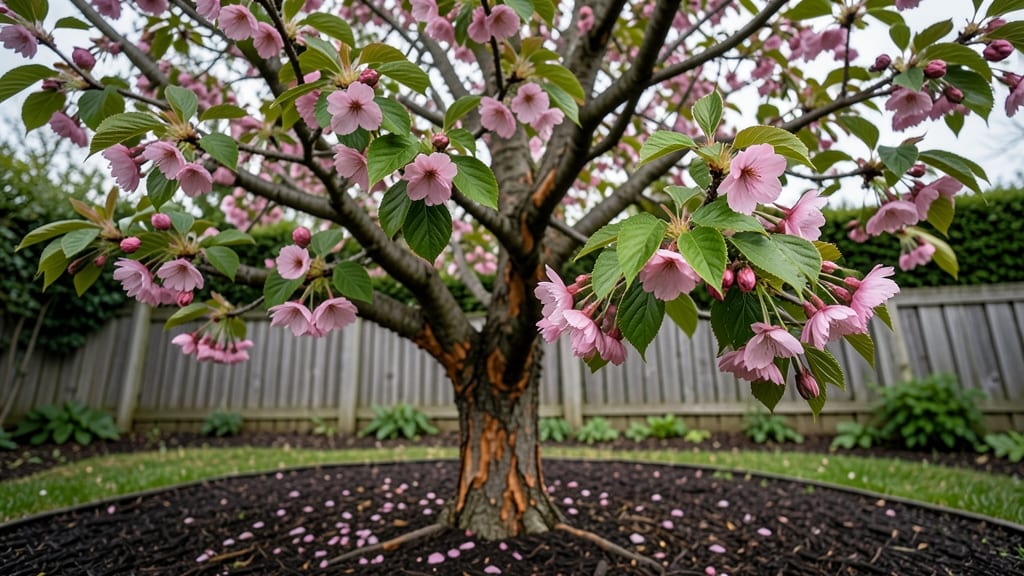
Ornamental cherry tree leaves transform your Pacific Northwest garden into a living canvas of color—when you know how to keep them vibrant year-round. 🌿 I’ve seen these trees go from drab to showstopping in just a few seasons, and the secret isn’t complicated: it’s all about timing, pruning, and understanding what those leaves are really telling you.
The key is watching for subtle clues—deep green turning to fiery red or purple, or leaves that suddenly yellow or curl. Each change signals something different: maybe it’s thirst, maybe pests, or maybe just the tree’s natural rhythm.
Once you learn to read them, your tree will reward you with leaves that stay lush through summer and stunning fall colors that last weeks longer than your neighbors’.
📚 In This Guide
- What you need
- Instructions
- Tips and common mistakes
- Wrapping up and next steps
What you need
- ● Ornamental cherry tree saplings: Choose disease-resistant varieties like Prunus serrulata 'Kanzan' or Prunus subhirtella 'Autumnalis' (1-3 trees, depending on garden size).
- ● High-quality potting soil: 5+ gallons (mix with compost for better drainage).
- ● Mulch: 2-3 inches of wood chips or bark (to retain moisture and regulate soil temp).
- ● Slow-release fertilizer: 10-10-10 or organic options (follow package rates for young trees).
- ● Watering can or hose with a gentle spray nozzle: For deep, consistent hydration.
- ● Shovel or spade: For digging planting holes (1.5x wider than the root ball).
- ● Pruning shears: Sharp, bypass-style (for shaping and removing dead branches).
- ● Garden gloves: Heavy-duty to protect hands from thorns and rough bark.
- ● Measuring tape: To ensure proper spacing (15-20 feet between trees for mature growth).
- ○ Stake and ties (optional): For young trees in windy PNW areas.
- ● Sunlight: Full sun (6+ hours/day) for optimal leaf color and blooms.
- ● Well-draining soil: Ornamental cherries hate soggy roots—amend clay soil with sand or gravel if needed.
- ● Patience: These trees take 3-5 years to reach peak color and bloom potential!
- ● Local climate knowledge: PNW’s mild winters and wet springs may require extra mulch in early spring.
How to maintain stunning ornamental cherry tree foliage in the Pacific Northwest
Here's how I keep my trees vibrant through all four seasons—no matter how much rain we get.
🌿 Step 1: Choose the Right Variety for Year-Round Color
For Pacific Northwest gardens, I always reach for varieties like 'Royal Raindrops' or 'Kanzan'—they handle our damp winters and deliver bold foliage colors. These trees thrive in our USDA Zone 7-8 climate, where winter chills actually enhance their spring color. Avoid varieties bred for hotter climates; they'll struggle with our cool, wet summers.
Look for trees with deep green summer leaves that transition to fiery reds, purples, or oranges in fall. The best performers here also develop winter interest with peeling bark or persistent buds. I check the tag for terms like "multi-season interest" or "fall color" to avoid disappointment. Planting the right variety saves years of frustration with lackluster foliage.
☀️ Step 2: Position for Maximum Sunlight and Wind Protection
Ornamental cherries need full sun (6-8 hours daily) to develop their signature colors, but our PNW summers can be too intense. I plant mine where they get morning sun and afternoon shade from nearby trees or structures. This prevents leaf scorch while still building the sugars that create fall colors.
Wind is the real enemy here—our coastal breezes can tear delicate leaves. I always plant within 20 feet of a windbreak like a fence, hedge, or building. A mulch ring of 3 inches of wood chips around the base helps protect roots from drying winds. The first year after planting, I use tree shelters if winds exceed 15 mph—they create a microclimate that lets the tree establish without stress.
💧 Step 3: Water Deeply but Strategically Through All Seasons
Newly planted trees need 15 gallons of water weekly during the first year, delivered deeply at the base rather than surface sprinkling. I use a soaker hose for 2 hours twice a week to encourage deep root growth. The key is keeping soil moist but not soggy—our clay soils here can suffocate roots if overwatered.
Mature trees are more drought-tolerant, but I still water during dry summer spells (when we get less than 1 inch of rain per week). Look for wilting leaves or brown leaf edges as signals—these mean roots aren't reaching deep enough. Mulch helps retain moisture, but I keep it 3 inches away from the trunk to prevent rot. In winter, I reduce watering to once every 3-4 weeks unless we have an unusually dry spell.
✂️ Step 4: Prune for Structure and Airflow in Late Winter
The best time to prune is February or early March, just as buds begin to swell but before new growth starts. I remove dead, crossing, or inward-growing branches first, then thin the canopy to let light penetrate. Never remove more than 25% of the foliage in one year—this stresses the tree and reduces next year's color.
Use clean, sharp pruners to make cuts just outside the branch collar. I seal larger cuts (over 1 inch thick) with pruning sealant to prevent disease entry. The goal is an open, vase-shaped structure that allows airflow—this prevents fungal issues that can dull leaf colors. After pruning, I fertilize with balanced 10-10-10 to support new growth, following package rates for trees this size.
🌱 Step 5: Feed and Protect for Vibrant Foliage
In early spring, I apply slow-release fertilizer (like Osmocote) around the root zone to fuel color development. The PNW's acidic soils often lack phosphorus, which is critical for vibrant fall colors. I test soil pH annually—if it drops below 5.5, I amend with lime to keep it in the 6.0-6.5 range where ornamental cherries thrive.
Watch for aphids or spider mites on new growth—they sap leaves and reduce color intensity. I treat infestations with neem oil (mixed as directed) applied in early morning to avoid harming beneficial insects. For fungal issues like powdery mildew, I use copper fungicide preventatively in humid summers. The healthier the tree, the more dramatic its seasonal color changes will be.
Tips & tricks for year-round ornamental cherry tree color
Here's what I've learned after years of watching these trees transform our PNW landscape.
Variety Selection: When choosing your tree, look for tags that mention "multi-season interest" or "fall color" specifically. These keywords guarantee the variety will perform well in our climate. I've found that 'Royal Raindrops' develops particularly vibrant fall colors in our Zone 7-8 conditions, while 'Kanzan' offers excellent winter interest with its peeling bark. The difference between a good variety and a spectacular one often comes down to these specific descriptors on the nursery tag.
Sunlight Strategy: That 6-8 hours of daily sun is crucial for color development, but don't assume any sunny spot will work. I've seen trees planted in full afternoon sun get scorched leaves during our hot summer days. Instead, position your tree to get morning sun and afternoon shade from nearby structures or taller trees. This balance prevents leaf burn while still building the sugars needed for those stunning fall colors.
Wind Protection: Our coastal winds can be brutal on delicate cherry leaves. The 20-foot windbreak recommendation isn't just about aesthetics—it's about survival. I've lost leaves entirely on young trees when winds exceeded 15 mph without protection. For new plantings, consider temporary tree shelters during the first growing season. They create that perfect microclimate while the tree establishes its root system.
Seasonal Watering: The 15 gallons weekly for new trees might seem like a lot, but remember our clay soils here don't drain well. I use a soaker hose for those 2 hours twice weekly to encourage deep root growth. For mature trees, watch for wilting leaves or brown edges—they're your signal that roots aren't reaching deep enough. In winter, I reduce to once every 3-4 weeks unless we have an unusual dry spell, as our wet winters usually provide enough moisture.
Pro Tips for Ornamental Cherry Tree Leaves
- Here's what I've learned after years of watching these trees transform our PNW landscape.
- Variety Selection: When choosing your tree, look for tags that mention "multi-season interest" or "fall color" specifically.
- Sunlight Strategy: That 6-8 hours of daily sun is crucial for color development, but don't assume any sunny spot will work.
Frequently asked questions
When is the best time to plant an ornamental cherry tree in the Pacific Northwest?
The ideal time to plant is in early spring (March–April) or early fall (September–October). This gives roots time to establish before summer heat or winter frost. Avoid planting in late fall or winter, as cold soil can stunt growth. For container-grown trees, you can plant anytime the ground isn’t frozen!
Why are my ornamental cherry tree leaves turning brown or yellow?
Brown or yellow leaves often signal stress—check for:
- Overwatering/underwatering: Soil should stay moist but not soggy. Test by sticking your finger 2 inches deep.
- Nutrient deficiency: Yellowing between veins may mean iron or nitrogen lacks. Use a balanced fertilizer in early spring.
- Pests/disease: Look for spotted leaves, holes, or fungus. Prune affected areas and treat with neem oil if needed.
How do I protect ornamental cherry tree leaves in harsh PNW winters?
Most ornamental cherries are hardy to USDA Zones 5–8, but young trees or sensitive varieties (like ‘Kanzan’) benefit from:
- Mulching 3–4 inches deep with wood chips or straw around the base (but not touching the trunk).
- Watering deeply before the ground freezes to prevent root damage.
- Avoid heavy pruning in late winter—wait until early spring when the tree is dormant.
Can I use ornamental cherry tree leaves for mulch or compost?
Yes! Once leaves fall, they make excellent mulch—just shred them first to prevent matting. For compost, chop them into smaller pieces and mix with green materials (like grass clippings) for balance. Avoid using leaves from trees treated with pesticides, though!
What’s a good alternative if I want year-round color but fewer leaves?
Consider these low-maintenance, colorful alternatives:
- Dwarf Japanese maple (‘Bloodgood’): Stunning red foliage and compact size (great for small gardens).
- Smoke bush (Cotinus): Purple-pink foliage that lasts into fall, with minimal leaf drop.
- Ninebark (Physocarpus): Tough, disease-resistant, and blooms in shades of pink or white.
Wrapping up and next steps
Ornamental cherry trees are the Pacific Northwest’s hidden gem—their leaves bring year-round magic with vibrant hues, delicate textures, and effortless beauty. Whether you’re a seasoned gardener or just starting, these trees offer low-maintenance charm that transforms any space into a living masterpiece. 🌸
Ready to elevate your garden? Start small—plant a single tree, experiment with varieties, or share tips with fellow green thumbs! The PNW’s climate is perfect for these showstoppers, so why wait? Your future garden (and future neighbors!) will thank you. 🌿