
Pruning
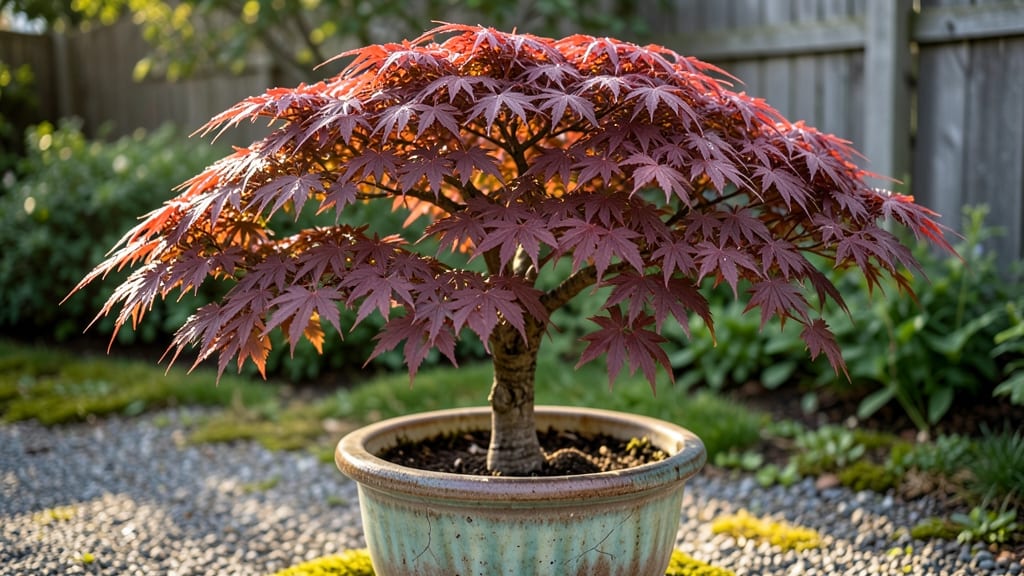
Pruning an Oriental maple tree (Acer palmatum) in the Pacific Northwest means shaping it to survive our brutal winters while keeping its stunning foliage all season. 🌿 I learned the hard way that aggressive cuts in late winter can invite frost damage—so timing and technique matter more than you’d think.
This tree thrives on patience, and the right pruning turns it into a showstopper that outshines even the boldest neighbors.
The key is working with the tree’s natural shape, not against it. You’ll need sharp pruning shears, a ladder (for taller varieties like ‘Bloodgood’), and a clear day when temps are above freezing.
Start by removing dead or crossing branches first—this keeps air flowing and prevents disease. The goal? A balanced silhouette that lets sunlight reach all those vibrant leaves without leaving awkward gaps.
By summer, you’ll see the difference: lush, layered branches with foliage that pops in every shade from deep crimson to silvery green. Prune lightly in late spring to encourage new growth, and avoid heavy cuts after August—your tree will thank you with stronger buds for next year.
Even ‘Moonrise’’s delicate lace-like leaves stay sturdy when pruned this way.
This method works for all Oriental maples, whether you’ve got a dwarf variety in a pot or a mature specimen in your yard. The Pacific Northwest’s wet winters mean extra vigilance for fungal issues, but proper pruning cuts down on that risk.
Let’s get those branches looking intentional—and frost-proof—for years to come.
📚 In This Guide
- What you need
- Instructions
- Tips and common mistakes
- Wrapping up and next steps
What you need
- ● Pruning shears: Bypass pruners (sharp, 6–8" blades) for clean cuts on small branches (1/4"–3/4" diameter). Quantity: 1 pair.
- ● Loppers: Bypass loppers (10–12" handles) for medium branches (3/4"–2" diameter). Quantity: 1 pair.
- ● Pruning saw: Curved-tooth handsaw for thick branches (2"+ diameter). Quantity: 1.
- ○ Extension pole: 3–4 ft telescoping pole with pruners/loppers for high branches. Quantity: 1 (optional but helpful).
- ● Disinfectant: 70% isopropyl alcohol or bleach solution (1:9 ratio) to sterilize tools between cuts. Quantity: Small spray bottle.
- ○ Sealing wax: Pruning sealant (optional) for large cuts >1" diameter. Quantity: Small tube.
- ● Gloves: Heavy-duty leather or nitrile-coated for protection. Quantity: 1 pair.
- ● Safety gear: Safety glasses and long sleeves/pants to avoid thorns and sap.
- ● Tarp or drop cloth: 10x12 ft canvas to collect debris. Quantity: 1.
- ● Timing: Prune in late winter/early spring (Feb–March) before new growth starts. Avoid pruning in fall (PNW frost risk).
- ● Weather: Choose a dry, calm day (no rain/fog for 24+ hours post-pruning).
- ● Tree assessment: Inspect for dead, diseased, or crossing branches (mark with flagging tape if needed).
- ● Identify the tree’s natural shape (Oriental Maples thrive with an open, layered canopy).
- ● Cleanup: Remove fallen leaves/debris from the base to prevent fungal growth.
- ● Pruning guide: A branching diagram or reference book (e.g., “The Pruning Book” by Lee Reich) for complex shapes.
- ● Tree paint: Pruning paint (for cuts >2" diameter) to protect from sunscald in PNW’s variable weather.
- ● Ladder: Lightweight aluminum ladder (if tree exceeds 10 ft). Safety note: Use a spotter or stabilizer.
Step-by-Step guide to pruning your Oriental maple for Pacific Northwest resilience
Here’s how I shape these hardy trees to thrive through cold winters and wet summers.
✂️ Step 1: Time Your Pruning for Frost Resistance
Prune your Oriental maple in late winter or early spring, just as buds begin to swell but before new growth starts. This timing ensures the tree puts energy into frost-hardy wood rather than tender new shoots. In the Pacific Northwest, aim for February through March when temperatures average 40-50°F—cool enough to prevent stress but warm enough for quick healing.
Never prune in fall. The fresh cuts won’t have time to seal before winter, making the tree vulnerable to frost cracks and disease. If you missed the window, wait until late May—but expect slower recovery and weaker growth that year.
🌿 Step 2: Remove Dead, Diseased, or Crossing Branches First
Start by scanning the tree for dead branches (no green bark, hollow centers) and diseased wood (discolored, oozing sap). Use sharp pruning shears to cut these at the branch collar—the swollen area where the branch meets the trunk. Cut cleanly at a 45-degree angle just outside the collar to prevent tears.
Next, remove branches that rub against each other. These crossing limbs create wounds that invite pests and rot. Look for branches growing inward or upward—these compete for energy and weaken the tree’s structure. Make your cuts just beyond the branch collar, and avoid leaving stubs.
☀️ Step 3: Thin the Canopy for Airflow and Light
Step back and visualize the tree’s shape. Oriental maples thrive with an open, vase-like form, so focus on thinning rather than topping. Remove 20-30% of the smallest branches—these are the ones blocking light from the inner canopy. Prioritize branches growing straight up or downward, as these create a dense, shaded center.
Use loppers for branches ½ inch to 2 inches thick and a pruning saw for anything larger. Cut at the branch collar, and avoid leaving stubs—these invite decay. Thin from the inside out, starting with the lowest branches to improve airflow and reduce humidity, which prevents fungal diseases like powdery mildew.
⏰ Step 4: Shape the Tree for Winter Hardiness
Now refine the tree’s silhouette. Oriental maples handle pruning well, but avoid heavy cuts—never remove more than 25% of the canopy in one season. Focus on reducing height by cutting back the longest branches to a strong lateral branch or bud. This encourages a bushier, more compact form that resists wind damage.
Pay special attention to the lower branches. In the Pacific Northwest’s wet winters, keeping these branches reduces rot risk. If a branch is too low, cut it back to a higher lateral branch or remove it entirely. Finish by smoothing the outline—avoid sharp angles that can split under ice or snow load.
💧 Step 5: Clean Up and Protect the Tree
After pruning, sterilize your tools with rubbing alcohol to prevent spreading disease. Remove all clippings from the base of the tree—leaving them invites pests and fungi. For large branches, dispose of them immediately; smaller clippings can be composted if disease-free.
Apply a wound sealant only if the cut is larger than ½ inch in diameter. For smaller cuts, let the tree seal naturally—sealants can trap moisture and cause rot. Water deeply after pruning to help the tree recover, but avoid overwatering, which stresses fresh cuts.
Tips & tricks for pruning Oriental maple trees
These simple but powerful techniques will help you prune your Oriental maple like a pro—especially in our wet, cold Pacific Northwest climate.
Timing is Everything: That February through March window is critical because it gives the tree time to heal before summer growth begins. I've seen too many trees stressed by late spring pruning—buds swell quickly in our climate, and fresh cuts can't keep up. If you're unsure about the exact timing, check for bud swell (tiny green bumps on branches) as your cue.
Branch Collar Technique: When removing branches in Step 2, resist the urge to cut too close to the trunk. That swollen area called the branch collar contains healing cells that prevent rot. I've made this mistake with younger trees—cutting too close left ugly wounds that took years to seal. Always cut just outside the collar at that 45-degree angle to maintain the tree's natural defenses.
Canopy Thinning Strategy: The 20-30% thinning target in Step 3 might seem vague, but here's how I think about it: Imagine looking at your tree from above. You want sunlight to reach the inner branches—think of it like opening a curtain. Start with the smallest branches first, working your way up. This creates that beautiful vase shape while preventing that dense, shaded center where diseases love to hide.
Winter Hardiness Check: After shaping in Step 4, do a quick "wind test" by gently shaking the tree. If branches rattle or feel loose, they're not properly attached and should be removed. I learned this the hard way when a storm snapped off poorly attached branches from a neighbor's tree. The Pacific Northwest's wet winters put extra stress on weak attachments—better to address it now than deal with storm damage later.
Pro Tips for Oriental Maple Tree
- These simple but powerful techniques will help you prune your Oriental maple like a pro—especially in our wet, cold Pacific Northwest climate.
- Timing is Everything: That February through March window is critical because it gives the tree time to heal before summer growth begins.
- Branch Collar Technique: When removing branches in Step 2, resist the urge to cut too close to the trunk.
Frequently asked questions
Got questions about pruning your Oriental Maple Tree in the Pacific Northwest? You’re not alone! Here are some of the most common concerns—and how to tackle them with confidence.
When is the best time to prune an Oriental Maple Tree in my region?
The ideal time is late winter to early spring (February–March), before buds swell but after severe frosts pass. Avoid pruning in fall—it can stimulate late growth vulnerable to winter damage. For light shaping, summer pruning is fine, but avoid heavy cuts during active growth.
How do I protect my Oriental Maple from frost damage after pruning?
Prune at least 4–6 weeks before the first hard frost to allow wounds to seal. If you must prune later, use wound dressing (like pruning sealant) on large cuts, but skip it for small trims—air circulation helps healing. Mulch the base to insulate roots, and water deeply before winter to boost resilience.
Should I remove branches with deadwood or disease spots?
Absolutely!
Dead, diseased, or crossing branches should be cut immediately—even outside the main pruning window. Sterilize tools with 70% isopropyl alcohol between cuts to prevent spreading pathogens. For fungal issues (like tar spot), remove infected leaves and improve airflow by thinning the canopy.
Can I shape my Oriental Maple like a traditional Japanese maple?
Yes, but with caution! Oriental Maples are more rugged than delicate Japanese maples, so they tolerate heavier pruning. Use step-by-step shaping over 2–3 years to avoid shock. Focus on structural branches first, then refine details. Avoid over-thinning—these trees thrive with a balanced, open canopy.
My Oriental Maple’s leaves are yellowing after pruning—what’s wrong?
Yellowing can signal over-pruning (cutting >25% of foliage at once) or nutrient stress. If leaves are bright yellow, flush the soil with chelated iron or compost. For brown edges, check for under-watering or salt buildup. Wait until spring to prune again if needed.
Still unsure? Snap a photo of your tree’s condition and compare it to our pruning gallery for tailored tips!
Wrapping up and next steps
The Oriental Maple Tree is a stunning addition to Pacific Northwest landscapes, and with the right pruning techniques, you can ensure its health, beauty, and frost resilience for years to come. 🌿 By mastering the timing, tools, and methods outlined in this guide, you’ll not only enhance its natural shape but also promote vibrant growth and longevity.
Ready to transform your outdoor space? Start small—pick a sunny day, grab your tools, and give your Oriental Maple Tree the care it deserves! Happy pruning! ✂️