Pruning
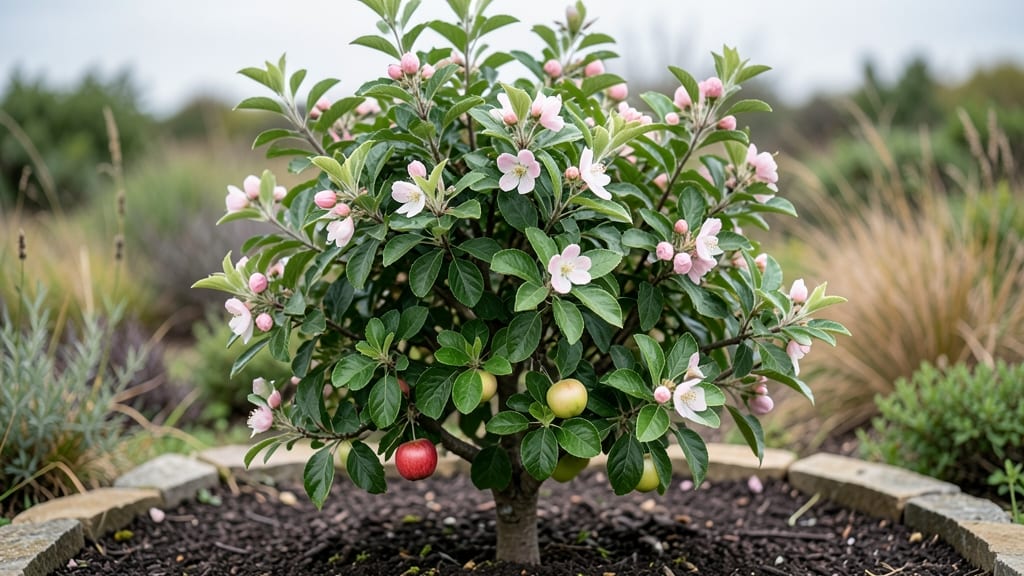
Growing a miniature apple tree means fresh fruit on your patio in just 3-4 years—no orchard needed. 🌱 I planted mine last spring, and now it’s already taller than me, but the branches stay perfectly manageable with the right pruning.
The secret isn’t just dwarf rootstock; it’s how you train it from day one to stay compact while still producing bushels of fruit.
You’ll need a sunny spot with at least 6 hours of light, well-draining soil, and a container or small hole if you’re not planting in-ground. Most nurseries carry M.9 or B.9 rootstock varieties, which stay under 8 feet tall—perfect for balconies or small yards.
The key to keeping them productive is pruning in late winter to open the center and encourage outward growth.
By summer, you’ll be harvesting tiny, intensely sweet apples that ripen weeks earlier than full-sized trees. The flavor? Often richer than store-bought, with varieties like ‘Liberty’ or ‘GoldRush’ designed for small spaces. Just watch for codling moths and keep the soil moist but not soggy.
Works in containers or ground, from Zone 4 to Zone 9—just adjust watering in extreme heat. The first year is all about establishing roots; by year three, you’ll have fruit. Here’s how to keep it thriving without the work of a full-sized orchard.
📚 In This Guide
- What you need
- Instructions
- Tips and common mistakes
- Wrapping up and next steps
What you need
- ● Miniature apple tree (dwarf variety) – Choose a grafted variety like 'Columnar,' 'Columnar Delicious,' or 'Patio Princess' (ensure it’s labeled for container or small-space growing).
- ● Container or pot – 15-25 gallon size (or larger for mature trees), with drainage holes. Pro tip: Terracotta or fabric pots work best for airflow! 💡
- ○ High-quality potting mix – Well-draining blend with compost (avoid garden soil). Optional: Add perlite or sand for extra drainage. ✨
- ● Pruning shears – Sharp, bypass-style shears (sterilize with rubbing alcohol between cuts).
- ● Hand pruners or loppers – For thicker branches (if your tree grows beyond 6 feet).
- ● Gloves – Heavy-duty gardening gloves to protect hands from thorns and sap.
- ○ Pruning sealant (optional but recommended) – Wound dressing to prevent disease on larger cuts.
- ● Watering can or hose with nozzle – For gentle, deep watering.
- ● Fertilizer – Slow-release granular fertilizer (10-10-10 or organic options like fish emulsion).
- ○ Mulch (optional) – Organic mulch (e.g., straw or wood chips) to retain moisture and regulate soil temperature.
- ● Tree support stake – For young trees in windy areas.
- ● Espalier wires or trellis – To train the tree into a decorative shape.
- ● Soil moisture meter – To monitor watering needs precisely.
- ● Pest control spray – Neem oil or insecticidal soap for aphids or mites.
- ● Fruit thinning shears – For adjusting fruit load (if your tree produces blooms).
How to grow a thriving miniature apple tree in containers
Here's the foolproof method I've used to grow dwarf apple varieties that produce real fruit—just on a tiny scale.
🌱 Step 1: Select the Right Dwarf Variety and Container
Choose a dwarf apple tree grafted onto a columnar or semi-dwarf rootstock—these stay under 6 feet tall while producing full-sized fruit. Look for varieties like 'Columnar Red Delicious' or 'Patio Pearl' that thrive in containers. Your container must be at least 15 gallons with drainage holes, and wider than it is deep to accommodate root spread.
I always add a 2-inch layer of gravel at the bottom before soil—this prevents root rot from sitting water. The wider the container's diameter, the more stable the tree stays in wind. A 16-18 inch diameter pot gives roots room to grow without becoming root-bound.
🪴 Step 2: Prepare the Perfect Soil Mix for Fruit Production
Use a blend of 60% high-quality potting mix, 30% compost, and 10% perlite—this mimics the well-draining yet nutrient-rich conditions dwarf trees love. I avoid garden soil because it compacts and suffocates roots. Mix in 1 cup of slow-release 10-10-10 fertilizer per 15 gallons of soil to give the tree a nutrient boost without burning tender roots.
Test the moisture level by squeezing a handful—it should hold together but not drip. If it crumbles, add water; if it stays clumpy, mix in more perlite. The right texture makes all the difference for root health and fruit development.
☀️ Step 3: Plant and Position for Maximum Sun Exposure
Dig a hole twice as wide as the root ball but only as deep. Place the tree so the graft union sits 1-2 inches above soil level—this prevents it from being buried, which can cause it to grow a new, weaker trunk. Backfill with your soil mix, pressing gently to remove air pockets but not compacting too tightly.
Miniature apple trees need full sun (6-8 hours daily) to produce fruit. A south-facing spot with afternoon shade in hot climates works best. If you're growing indoors near a window, supplement with a grow light for 12-14 hours daily—apple trees won't set fruit without enough light.
💧 Step 4: Water and Fertilize for Consistent Fruit Bearing
Water deeply once a week in warm weather, letting 2-3 inches of soil dry between waterings. Overwatering is the #1 killer of container-grown fruit trees—yellow leaves or wilting mean you're either underwatering or overwatering. Check by sticking your finger 2 inches deep; if dry, water until it runs from the drainage holes.
Fertilize every 4-6 weeks during growing season with a balanced fruit tree fertilizer (like 10-10-10). I switch to low-nitrogen, high-phosphorus (like 5-10-10) when buds form to encourage flowering. Stop fertilizing in fall to let the tree rest.
✂️ Step 5: Prune for Shape and Fruit Production
Prune in late winter or early spring before new growth starts. Remove dead, crossing, or inward-growing branches first—these compete for energy. Cut back last year's growth by 1/3 to encourage bushier growth and more fruit. Always make cuts at a 45-degree angle just above an outward-facing bud.
Thin fruit in late spring when they're pea-sized, leaving 4-6 inches between apples. This ensures larger, higher-quality fruit. I also remove suckers (shoots growing below the graft) immediately—they drain energy from the main tree.
Tips & tricks for perfect miniature apple tree cultivation
These practical insights will help you avoid common pitfalls and maximize your container-grown apple tree's potential.
Root Health Foundation: The 2-inch gravel layer in Step 1 isn't just about drainage—it creates an air pocket that prevents anaerobic conditions where roots suffocate. I've seen trees with perfect drainage still fail because of compacted soil at the bottom. Use coarse gravel (¼-inch or larger) rather than pebbles, which can clog drainage holes over time. This simple adjustment prevents root rot while maintaining that critical oxygen exchange.
Soil Texture Secret: When preparing your soil mix in Step 2, think of it like baking a cake—the ratio matters more than individual ingredients. The 60-30-10 blend creates ideal porosity: potting mix holds moisture, compost provides nutrients, and perlite prevents compaction. I always test the texture by squeezing a handful—it should crumble when pressed firmly but hold together when gently squeezed. If it feels like wet sand, add more compost; if it sticks together like clay, mix in extra perlite.
Lighting Strategy: The 6-8 hours of full sun requirement in Step 3 is non-negotiable for fruit production, but don't assume all sun is equal. Morning sun (especially south-facing) is gentler than harsh afternoon rays. In hot climates, I move my containers to partial shade during peak afternoon hours (1-4 PM) to prevent leaf scorch while still meeting the sun requirement. For indoor growers, position your tree within 12 inches of a south-facing window—any farther and you'll need supplemental grow lights.
Pruning Precision: That 1/3 reduction of last year's growth in Step 5 isn't arbitrary—it follows the "third rule" of pruning: remove dead wood, crossing branches, and 1/3 of total growth. The angle matters too: cuts at 45 degrees just above an outward-facing bud encourage new growth in the right direction. I always prune on a dry day when the tree is dormant (late winter/early spring) to minimize stress and disease risk.
Pro Tips for Miniature Apple Tree
- These practical insights will help you avoid common pitfalls and maximize your container-grown apple tree's potential.
- Root Health Foundation: The 2-inch gravel layer in Step 1 isn't just about drainage—it creates an air pocket that prevents anaerobic conditions where roots suffocate.
- Soil Texture Secret: When preparing your soil mix in Step 2, think of it like baking a cake—the ratio matters more than individual ingredients.
Frequently asked questions
Got questions about growing your own miniature apple tree? You’re not alone! Here are some of the most common queries—plus straightforward answers to help you cultivate a thriving, fruit-bearing tree in even the smallest space.
How long does it take for a miniature apple tree to bear fruit?
A miniature apple tree typically starts producing fruit within 2–4 years of planting, depending on the variety and care. Dwarf or columnar types often fruit faster (sometimes in just 1–2 years), while standard miniatures may take closer to 3–4 years. Patience pays off—consistent pruning and proper sunlight accelerate fruiting!
Can I grow a miniature apple tree in a pot, and what size container do I need?
Miniature apple trees thrive in containers, making them perfect for patios or balconies. Use a pot at least 12–18 inches deep and wide with drainage holes. Larger containers (20+ inches) give roots more room to grow, but ensure the pot isn’t too big—over-potting can lead to soggy soil. Repot every 2–3 years for optimal growth.
How do I protect my miniature apple tree in winter?
Miniature apple trees are hardy but benefit from winter protection, especially in colder climates. Wrap the trunk with tree guard or burlap to prevent rodent damage, and mulch the base with 2–3 inches of straw or wood chips. If temperatures dip below 10°F (-12°C), cover the tree with a breathable frost cloth or move potted trees to a sheltered spot. Avoid heavy snow buildup on branches.
Why aren’t my miniature apple tree’s flowers turning into fruit?
Missing fruit? Several factors could be at play: lack of pollination (plant two compatible varieties), poor sunlight (6+ hours daily), or over-pruning (leave some fruit buds). Check for pests (aphids, mites) and ensure your tree gets enough water and nutrients, especially during blooming season. A light shake of branches can also help pollinate flowers manually!
What’s the best pruning schedule for a miniature apple tree?
Prune your miniature apple tree twice a year: late winter/early spring (before buds swell) to shape the tree and remove dead wood, and summer (after fruiting) to thin out crowded branches. Avoid heavy pruning—miniature trees have limited energy. Use sterilized tools and cut at a 45° angle just above a bud. Keep it simple: less is more!
Wrapping up and next steps
Growing a miniature apple tree is a rewarding way to enjoy fresh fruit in even the smallest spaces—whether you’re a seasoned gardener or just starting out! With the right pruning techniques, you’ll ensure a healthy, productive tree that thrives year after year. 🍏✨
Ready to take the next step? Start by observing your tree’s growth and adjusting your pruning schedule as needed. Before you know it, you’ll be harvesting sweet, bite-sized apples right from your backyard—no orchard required!
Happy pruning, and here’s to your future fruit harvest! 🌱💚