Container Gardens
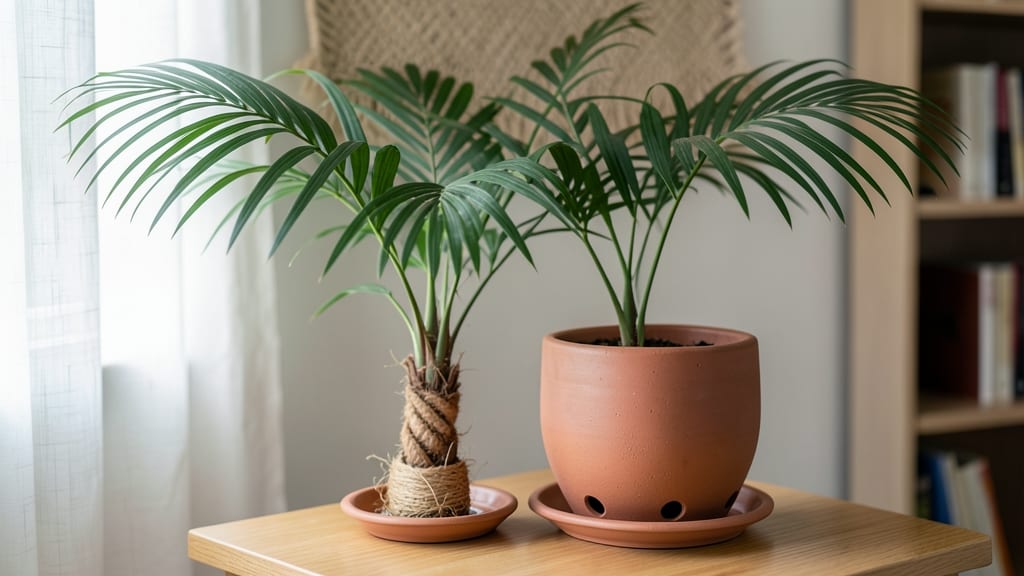
Potted palm trees bring that tropical escape right to your porch or living room—no beach required. 🌿 I’ve learned the hard way that not all palms thrive in containers, but the right species can stay lush for years with just a few key adjustments.
My first attempt with a fiddle-leaf palm nearly died from overwatering (classic rookie mistake), but now I’ve got a thriving bamboo palm that’s been in the same pot since last summer.
The secret starts with the right palm for your space: dwarf varieties like the parlor palm or Areca palm handle indoor light better than their giant cousins.
You’ll need a pot with drainage holes, a well-draining soil mix, and a spot where temperatures stay between 65-85°F—no drafts or AC vents. Even outdoor palms in containers need winter protection if temps dip below 40°F.
Once you’ve got the basics, the payoff is worth it: glossy fronds that filter the air, a touch of exotic elegance, and a plant that actually grows back after a pruning.
My bamboo palm now towers over my head, and the Areca’s delicate fronds sway like ocean waves—all without taking up yard space. The key is consistency: water when the top inch feels dry, fertilize lightly in spring/summer, and repot every 2-3 years when roots crowd the pot.
Whether you’re filling a sunroom corner or dressing up a patio, container palms adapt surprisingly well. Just watch for spider mites on dry fronds and brown tips from fluoride in tap water—both easy fixes once you know what to look for. Let’s get yours growing!
📚 In This Guide
- What you need
- Instructions
- Tips and common mistakes
- Wrapping up and next steps
What you need
- ● Potted palm tree: Choose a dwarf variety (e.g., Chamaedorea elegans or Areca palm) for small spaces. Size: 1–3 ft. tall (check nursery labels).
- ● Container: A pot with drainage holes (1–2 inches larger in diameter than the root ball). Material: Terracotta, ceramic, or plastic (avoid metal).
- ● Well-draining potting mix: 50% peat moss/coco coir + 30% perlite/pumice + 20% orchid bark. Quantity: Enough to fill the pot (2–5 gallons, depending on pot size).
- ● Drainage layer: Small rocks (e.g., pebbles or lava rock) or broken pottery shards. Quantity: 1–2 inches at the pot’s base.
- ○ Watering can: With a narrow spout for gentle watering. Optional: Self-watering can for busy plant parents.
- ● Fertilizer: Balanced liquid fertilizer (e.g., 20-20-20) or slow-release palm pellets. Frequency: Every 4–6 weeks during growing season.
- ● Gloves: Gardening gloves to protect hands from soil and sharp edges.
- ● Trowel or small shovel: For repotting or adjusting soil.
- ● Spray bottle: For misting leaves (especially in dry climates).
- ● Sunlight assessment: Identify a spot with bright, indirect light (e.g., near a window or under a sheer curtain).
- ○ Humidity tray (optional): A shallow tray with pebbles and water to boost humidity for tropical palms.
Step-by-Step instructions for growing thriving potted palm trees
Here's how to keep your palms lush and healthy indoors—no green thumb required.
🪴 Step 1: Choose the Right Pot and Drainage
Palms hate soggy roots, so pick a container with drainage holes at least 2 inches in diameter. For a 4-foot-tall palm, a 16-18 inch diameter pot gives roots room to breathe. I always use terra cotta—it wicks away excess moisture better than plastic.
Add a 2-inch layer of gravel or broken pottery at the bottom before soil. This prevents clogging while allowing water to drain freely. If your pot lacks holes, drill them yourself—palms won’t forgive poor drainage. Test the setup by pouring water through; it should drain completely within 2-3 minutes.
🌱 Step 2: Select the Perfect Soil Mix
Skip garden soil—it’s too dense. Instead, blend 50% peat moss, 30% perlite, and 20% sand for fast drainage. I mix this right in the pot because palms despise compacted roots. Add a handful of orchid bark (optional) for extra aeration.
Fill the pot ¾ full with your mix, leaving room for the palm’s root ball. Press lightly but don’t compact—roots need air. If the soil feels like wet sand when squeezed, it’s perfect. Too loose? Add a splash of water and mix again. Here’s the thing—palms thrive when soil feels damp but never soggy.
☀️ Step 3: Position for Ideal Light
Most palms need bright, indirect light—think east or west-facing windows. A south window works too, but filter light with a sheer curtain to avoid leaf scorch. If your space is dim, a grow light (12+ hours daily) keeps palms happy.
Watch for these clues: Yellowing fronds mean too much sun; drooping leaves mean not enough. Rotate the pot quarter-turn weekly so growth stays even. Real talk—palms lean toward light like sunflowers. Don’t skip this step, or your tree will look lopsided.
💧 Step 4: Water with Precision
Water when the top 2 inches of soil feel dry—stick your finger in to check. For a 16-inch pot, that’s about 1 gallon of water per watering. Pour slowly until it drains from the holes below. Empty the saucer afterward; standing water = root rot.
Mist the fronds monthly to mimic humidity, but avoid overdoing it. Palms prefer 50-60% humidity. If leaves crisp at the tips, group pots together or use a pebble tray with water. Here’s the trick: Water less in winter—growth slows, so roots need less moisture.
✂️ Step 5: Prune and Fertilize for Long-Term Health
Remove yellow or brown fronds at the base with clean shears, cutting just above the next healthy leaf. Never prune more than ⅓ of the palm at once—it’s a slow-growing plant. I do this in early spring when new growth starts.
Feed every 2 months with a balanced liquid fertilizer (10-10-10) diluted to ½ strength. Over-fertilizing burns roots—always water first. In winter, skip fertilizer entirely. Palms rest then, and feeding wakes them up too soon.
Tips & tricks for perfect potted palm trees
Took me a while to figure these out, so here goes—these little details make all the difference for your indoor palm's long-term happiness.
Drainage Test: That 2-3 minute drainage test in Step 1 is non-negotiable. I learned this the hard way after watching a palm's roots rot in just 48 hours from poor drainage. If water pools after 5 minutes, your pot needs more holes or a better gravel layer. Pro tip: Use a turkey baster to check drainage—it's more accurate than just eyeballing it.
Soil Texture Trick: When mixing your 50% peat moss, 30% perlite, and 20% sand blend in Step 2, squeeze a handful. It should hold its shape when pressed but crumble easily when released. If it sticks together, add more perlite. Too loose? Mix in a little extra peat moss. Think of it like baking—you want the right balance of structure and airiness.
Light Positioning: The quarter-turn weekly rotation in Step 3 isn't just about looks—it prevents the palm from growing lopsided toward the light source. I mark my pots with a pencil to track which side faces which direction. For south-facing windows, use a sheer curtain that blocks 30-40% of light to prevent leaf scorch. And if you're using a grow light, position it 12-18 inches above the fronds for even coverage.
Winter Watering: That "water less in winter" advice in Step 4 is crucial. In my coldest months, I cut watering to every 10-14 days instead of the summer schedule. The key is to check that top 2 inches of soil—it might stay dry longer in winter, but don't let it get bone-dry. A hydrometer helps track moisture levels if you're unsure.
Pro Tips for Potted Palm Trees
- Took me a while to figure these out, so here goes—these little details make all the difference for your indoor palm's...
- Drainage Test: That 2-3 minute drainage test in Step 1 is non-negotiable. I learned this the hard way after watching ...
- Soil Texture Trick: When mixing your 50% peat moss, 30% perlite, and 20% sand blend in Step 2, squeeze a handful. It ...
Frequently asked questions
Got questions about keeping potted palm trees thriving?
Here are answers to the most common concerns—from care tips to troubleshooting—so you can enjoy lush greenery all year long!
What’s the best soil mix for potted palm trees?
Use a well-draining palm-specific mix or blend equal parts potting soil, perlite, and peat moss. Avoid heavy garden soil—it causes root rot. For tropical palms, add a bit of sand or orchid bark to improve aeration. Pro tip: Repot every 2–3 years to refresh nutrients!
How often should I water my potted palm tree?
Water when the top 1–2 inches of soil feel dry (stick your finger in to test!). Most palms prefer moderate moisture—overwatering is worse than underwatering. In winter, reduce watering to every 2–3 weeks unless your home is very dry. Drainage holes are a must!
Can potted palm trees survive indoors year-round?
Yes! Choose low-light tolerant varieties like Parlor Palms or Areca Palms for indoor spaces. Keep them near bright, indirect light (e.g., east or north-facing windows). If leaves yellow, they’re likely getting too much sun or cold drafts. Bonus: A humidifier helps mimic tropical climates!
How do I revive a droopy or brown-tipped potted palm?
Brown tips? Chlorine or fluoride in tap water is often the culprit—use filtered or distilled water instead. Drooping leaves may signal underwatering or root rot. Trim dead fronds with clean scissors, check roots for rot, and adjust watering habits. Fertilize lightly (balanced liquid fertilizer, diluted) in spring/summer to encourage recovery.
What’s a budget-friendly alternative to expensive palm trees?
Try Dwarf Date Palms (under $30 at nurseries) or Bamboo Palms (Chamaedorea), which thrive in pots and cost $20–$50. For a low-maintenance look, Yucca plants mimic palm height with minimal care. Check local plant swaps or big-box stores for affordable options!
Do potted palms need winter protection?
Most potted palms tolerate 50–60°F temps, but avoid frost. Move containers indoors or to a garage/shed if temps drop below 40°F. If you must leave them outside, wrap the pot in bubble wrap and mulch the soil. Note: Some palms (like Majesty Palms) are not cold-hardy—research your variety!
Wrapping up and next steps
Potted palm trees bring a touch of tropical elegance to any space, proving that lush greenery isn’t just for sprawling gardens. Whether you’re a seasoned gardener or a beginner, these versatile plants thrive with minimal fuss—just the right pot, soil, light, and a little love. 🌿
Now that you’re armed with the key tips and troubleshooting advice, it’s time to get growing!
Start by selecting your favorite palm variety, grab your supplies, and let your green thumb shine. Ready to transform your balcony, patio, or indoor corner? Pick up a potted palm today and enjoy year-round beauty with almost no effort.