
Pruning
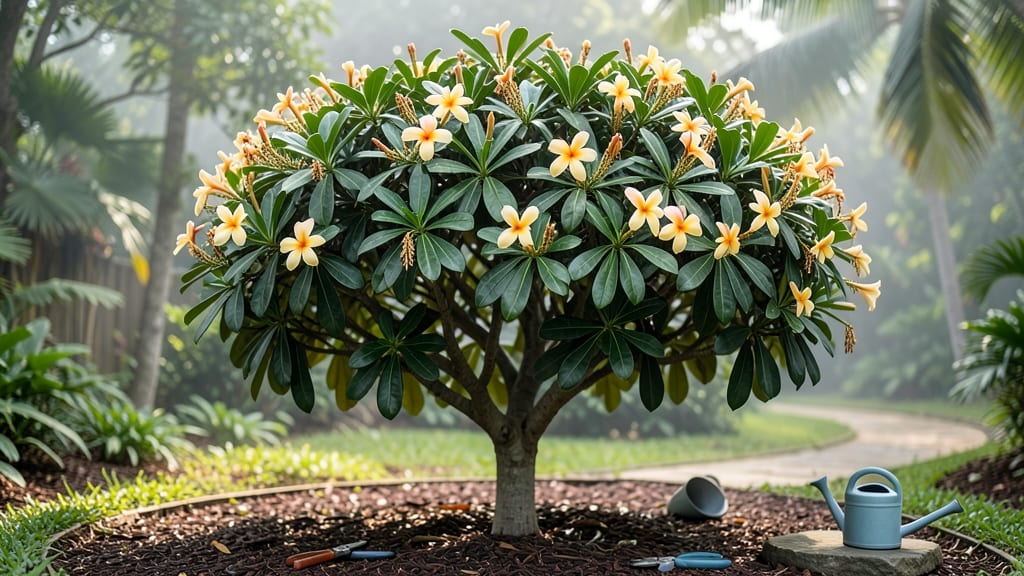
The Michelia champaca tree thrives in the Pacific Northwest when you prune it right—especially before frost. I’ve grown mine for five years, and the secret to those intoxicating white blooms and glossy leaves?
Timing, sharp cuts, and a little winter prep. This isn’t just about shaping the tree; it’s about protecting its delicate tropical roots from our damp, chilly winters while keeping it lush and fragrant.
Most gardeners overlook the late-winter pruning that actually boosts next year’s flowers. You’ll need sterilized pruners, a sunny spot with afternoon shade, and well-draining soil (amend with compost if yours is heavy clay).
The tree’s natural shape is elegant, but strategic cuts after dormancy encourage stronger branches—and those signature blooms. Think of it like giving your champaca a spa day before the growing season kicks in.
By spring, you’ll have a tree that’s bursting with glossy leaves and heavy clusters of fragrant flowers, even after our frosty winters. The key is removing dead wood first, then thinning crowded branches to improve airflow.
This isn’t just pruning—it’s a fragrance-boosting technique that turns your yard into a tropical oasis. Ready to transform your champaca from struggling to showstopping?
Works for both container-grown trees and in-ground plantings, though containers let you move it to shelter during hard freezes. The same principles apply whether you’re dealing with a young sapling or a mature specimen—just scale the cuts. Let’s get those pruners sharp and those branches blooming!
📚 In This Guide
- What you need
- Instructions
- Tips and common mistakes
- Wrapping up and next steps
What you need
- ● Pruning shears: Bypass pruners (sharp, sterilized) for clean cuts on small branches.
- ● Loppers: 1 pair (8–12" reach) for thicker branches (½"–1" diameter).
- ● Pruning saw: 1 handheld saw (for branches >1" thick).
- ● Rubbing alcohol (70%+) or bleach solution: 1 small bottle or spray bottle (for sterilizing tools).
- ○ Pruning sealant: 1 small tube (optional, for large cuts to prevent disease).
- ● Garden gloves: 1 pair (cut-resistant, for safety).
- ● Disposable pruning bags: 1–2 bags (for collecting debris).
- ● Frost cloth: 1 lightweight blanket (3–4 ft wide, for wrapping young/sensitive branches).
- ● Burlap or tree wrap: 1 roll (to protect bark from sun scald post-pruning).
- ● String or zip ties: 10–15 pieces (for securing wraps/cloth).
- ○ Thermometer (optional): 1 digital soil/air thermometer (to monitor frost risk).
- ● Timing: Prune in late winter/early spring (before new growth starts).
- ● Weather check: Wait for a dry, frost-free day (PNW mornings can be chilly!).
- ● Safety first: Wear closed-toe shoes—champaca branches can be thorny!
Step-by-step pruning guide for Pacific Northwest Michelia champaca trees
This method keeps your tropical beauty thriving year-round despite cold snaps.
Time Your Pruning for Maximum Frost Resilience
Prune your Michelia champaca in late winter or early spring, just as new growth begins but before buds swell. This timing ensures the tree has time to harden off before winter and avoids cutting into next year's blooms. In the Pacific Northwest, aim for February or March when daytime temperatures consistently stay above 45°F. Avoid pruning after mid-summer—new growth won't have time to mature before frost.
Here's the thing—Michelia champaca is semi-deciduous, meaning it naturally sheds some leaves in winter. Don't mistake this for dead branches. Wait until you see fresh green growth before making cuts. If you prune too early, you risk exposing the tree to cold damage before it can recover.
Remove Dead, Damaged, and Crossing Branches First
Start by eliminating dead or diseased branches—they're easy to spot as they're brown, brittle, and often devoid of leaves. Cut these back to the main trunk or a healthy lateral branch. Next, remove any branches that cross or rub against each other. These create wounds that invite pests and diseases. Use clean, sharp pruning shears to make 45-degree cuts just above a leaf node or outward-facing bud.
I always work from the bottom up. This prevents debris from falling on lower branches and makes it easier to see what's left. If a branch is larger than ½ inch in diameter, use a pruning saw instead of shears. The goal is to open the canopy to improve airflow and sunlight penetration—critical for frost resistance.
Thin the Canopy for Better Airflow and Sun Exposure
Michelia champaca benefits from an open, airy shape. Selectively thin branches to reduce density, focusing on the interior of the tree where humidity lingers. Remove up to 25% of the foliage if needed, but never take more than ⅓ of the canopy in one season. Look for branches that grow straight up—these compete with the leader (main vertical stem) and weaken the tree.
Watch for branches that grow toward the center of the tree. These create a dense, shaded interior that traps cold air and moisture, increasing frost damage risk. Cut these back to a lateral branch or the trunk. You'll know you're doing it right when you can see light filtering through the canopy from above.
Shape the Tree for Pacific Northwest Conditions
Michelia champaca thrives with a rounded, natural shape that sheds snow and ice easily. Avoid heavy topping or shearing, as this encourages weak, leggy growth. Instead, prune to maintain a balanced silhouette with a strong central leader. If your tree has become too tall, gradually reduce height over 2-3 years by cutting back no more than ⅓ of the height each season.
Pay special attention to the lower branches. In colder microclimates, these are more vulnerable to frost. If a lower branch is large and healthy, leave it—it provides wind protection for the trunk. But if it's small or weak, remove it to redirect energy to frost-hardier growth higher up. After pruning, step back and visualize how sunlight will move through the tree on a winter's day.
Clean Up and Protect for Winter
Remove all pruned branches and debris from the base of the tree. Leaving these behind creates hiding spots for pests and traps moisture against the trunk. Sterilize your tools with 70% isopropyl alcohol to prevent spreading disease. Once the ground is clear, apply a 2-3 inch layer of mulch (like the 4 cubic feet of shredded bark mulch you'll need) around the base, keeping it 6 inches away from the trunk.
This is the moment that matters: wrap the trunk of young or newly pruned trees with burlap or tree wrap to protect against late-season frost cracks. In particularly cold winters, consider installing a tree guard or frost cloth around the base to shield roots. Water deeply before the first frost to ensure the tree enters dormancy with full reserves.
Tips & tricks for perfect Pacific Northwest Michelia champaca pruning
These practical insights will help you navigate the nuances of pruning your Michelia champaca for resilience against Pacific Northwest winters.
Timing Precision: The February or March window is critical for two reasons: first, it allows the tree to recover before winter's return, and second, it prevents cutting into next year's buds which form in late winter. I've seen too many trees suffer from late pruning—wait until you spot fresh green growth, even if it's just a few leaves. In particularly cold microclimates, consider pushing back to early April if temperatures remain below 45°F consistently.
Branch Selection Strategy: When thinning the canopy in Step 3, prioritize removing branches that create dense pockets in the center. These shaded areas trap cold air and moisture, creating perfect conditions for fungal diseases. The 25% foliage removal guideline is your safety net—exceeding this risks over-stressing the tree. I recommend marking branches with a piece of tape before cutting to visualize the final open structure.
Equipment Preparation: Sterilizing your tools with 70% isopropyl alcohol isn't just about disease prevention—it's about maintaining sharpness. Dull shears crush rather than cut cleanly, creating larger wounds that heal poorly. I keep a small bottle of rubbing alcohol in my tool bag specifically for this purpose. For branches over ½ inch in diameter, a pruning saw with a fine-tooth blade will give you cleaner cuts that heal faster.
Seasonal Protection Insight: The 2-3 inch mulch layer around your tree's base serves two crucial purposes: temperature regulation and moisture retention. In our region's unpredictable winters, this buffer can mean the difference between survival and frost damage. I've found that adding a 4-inch layer of straw mulch over the bark mulch in December provides extra insulation without smothering the tree. This layered approach mimics the natural forest floor conditions these tropical trees evolved in.
Pro Tips for Michelia Champaca Tree
- These practical insights will help you navigate the nuances of pruning your Michelia champaca for resilience against Pacific Northwest winters.
- Timing Precision: The February or March window is critical for two reasons: first, it allows the tree to recover before winter's return, and second, it prevents cutting into next year's buds which form in late winter.
- Branch Selection Strategy: When thinning the canopy in Step 3, prioritize removing branches that create dense pockets in the center.
Frequently asked questions
Got questions about nurturing your Michelia champaca tree in the Pacific Northwest? You’re not alone!
Here are answers to the most common concerns—from frost prep to pruning hacks—so you can keep your fragrant beauty thriving.
How cold can a Michelia champaca tree tolerate before frost damage?
The Michelia champaca is tropical at heart and typically struggles below 25°F (-4°C). In the PNW, expect leaf scorch or bud loss if temps dip lower. Pro tip: Mulch heavily in fall and wrap the trunk with burlap for extra protection.
When is the best time to prune Michelia champaca for frost resistance?
Prune right after flowering (late spring/early summer) to avoid cutting off next year’s buds. For frost prep, do a light shaping trim in late fall—just remove dead/diseased branches. Avoid heavy cuts; this tree blooms on old wood.
Can I grow Michelia champaca in containers for easier frost protection?
Yes! Containers let you move the tree indoors or under cover when frost hits. Use a well-draining mix and a pot at least 24” wide. Just remember: Michelia champaca needs 6+ hours of sunlight daily, so place it near a south-facing window or grow lights.
Why are my Michelia champaca leaves turning yellow or dropping?
Yellowing leaves usually mean overwatering, poor drainage, or root stress. Check for soggy soil and ensure the pot/drainage layer has holes. Brown edges? Likely underwatering or dry air. Michelia champaca loves humidity—mist leaves or use a pebble tray!
Are there frost-hardier alternatives to Michelia champaca?
If frost is a dealbreaker, try these PNW-friendly fragrant trees:
- Fringe tree (Chionanthus virginicus) – Zone 4, white blooms
- Dwarf lilac (Syringa meyeri) – Zone 3, purple/pink flowers
- Oregon grape (Mahonia aquifolium) – Zone 5, yellow blooms
Wrapping up and next steps
The Michelia champaca is a stunning addition to the Pacific Northwest’s gardens, offering fragrant blooms and resilience against frost—when pruned with care. By following the right techniques, you’ll encourage vibrant growth and long-lasting beauty. Now’s your chance to transform your outdoor space!
- Next step: Grab your pruning shears and schedule a session before the next frost—your champaca will thank you with even more glorious blooms next season! 🌸✂️