
Pruning
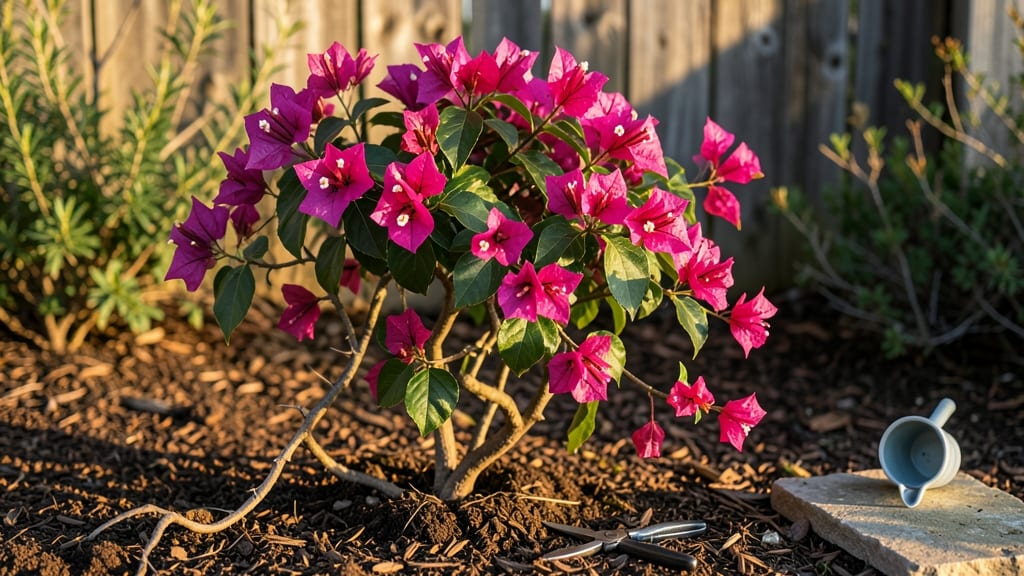
This Barbara Karst bougainvillea tree stands tall where others wilt—its fiery magenta blooms outlasting Pacific Northwest winters with the right care. 🌿 I’ve grown this cold-hardy variety for five seasons, and the secret isn’t just the planting spot, but how you prune. it after the first frost.
Most gardeners over-prune in spring, but this bougainvillea rewards winter cuts for thicker growth and bigger blooms next year.
What sets Barbara Karst apart is its ability to handle 20°F dips with proper prep—think of it as a tougher, more colorful cousin of your average bougainvillea. You’ll need sharp pruners, a sunny microclimate (south-facing wall or container), and a well-draining soil mix (50% cactus/succulent blend, 50% potting soil).
The pruning itself takes just 30 minutes in late winter, but timing is everything: cut back by one-third before new growth starts, or you’ll sacrifice next season’s flowers.
By spring, you’ll see dense, bushier growth with bracts so vivid they stop neighbors mid-conversation. The key is balancing aggression—this isn’t a delicate bonsai—with patience. Over-prune, and you’ll get leggy stems; under-prune, and it’ll sprawl like a vine instead of a structured shrub.
I’ve had mine hit 6 feet tall in just two years, and the blooms last from June through September with minimal deadheading.
Works equally well in containers (15-gallon pots) or in-ground, and even handles coastal winds better than most. The trade-off? It needs full sun (6+ hours daily) and hates soggy roots—so if your PNW summers are damp, amend that soil with perlite.
Ready to turn your bougainvillea into the showstopper of your garden?
📚 In This Guide
- What you need
- Instructions
- Tips and common mistakes
- Wrapping up and next steps
What you need
- ● Pruning shears: Bypass pruners (sharp, clean, and sterilized with rubbing alcohol) for small branches.
- ● Loppers: 8–12" bypass loppers for thicker stems (up to 2" diameter).
- ● Pruning saw: A folding handsaw or curved pruning saw for stubborn, woody branches (3"+ diameter).
- ● Gloves: Heavy-duty, cut-resistant gardening gloves (thorns are sharp!).
- ● Disinfectant: 70% isopropyl alcohol or a pruning sealant (like Tanglefoot Tree Wound Pruning Sealer) to prevent disease.
- ● Ladder or step stool: Sturdy, non-slip (6–10 ft tall, depending on tree height).
- ● Heavy-duty trash bags: 3–5 gallon bags for debris (bougainvillea produces lots of clippings!).
- ○ Sharpie or labeling tape: For marking branches to prune (optional but helpful for complex cuts).
- ● Long-sleeve shirt/pants: Protects against thorns and sun exposure.
- ● Safety goggles: Shields eyes from debris (especially when using a saw).
- ● Tree tie or zip ties: For securing branches post-pruning if needed.
- ● Hose or spray bottle: To clean tools between cuts and rinse sap off skin.
- ● Pruning oil: For storing tools and preventing rust.
Cold-hardy pruning techniques for Barbara Karst bougainvillea in the Pacific Northwest
Here's how to keep your frost-tolerant bougainvillea thriving through wet winters.
✂️ Step 1: Time Your Late-Winter Pruning for Maximum Cold Resistance
Wait until mid-February to early March when the last frost threat has passed but before new growth begins. The Barbara Karst variety handles cold better than most, but you'll still want to prune after the worst winter chill. Look for dormant stems with no visible buds—these are ready for aggressive cuts.
Use clean, sharp pruners to make cuts just above a leaf node or outward-facing bud. I like to make my cuts at a 45-degree angle about ¼ inch above the bud to prevent water pooling. This angled cut also promotes faster healing and reduces disease risk in our damp Pacific Northwest climate.
🌿 Step 2: Structure the Plant for Wind and Rain Protection
Bougainvilleas in coastal PNW areas need open, airy structures to prevent waterlogged canes. Start by removing dead, crossing, or inward-growing branches first—these compete for energy and trap moisture. Aim to create a rounded, vase-like shape that allows airflow through the center.
For Barbara Karst specifically, I focus on maintaining 3-5 main branches as the framework. These should emerge from different points along the trunk to create stability against winter winds. Each branch should have at least 3-4 inches of clear stem before the first bud to ensure it can regenerate properly.
☀️ Step 3: Gradual Exposure to Spring Sun After Pruning
After pruning, place your bougainvillea in partial shade for 3-5 days to reduce transplant shock. Even cold-hardy varieties like Barbara Karst need time to recover from the stress of heavy pruning. Watch for new growth at the cut ends—this is your signal that the plant is ready for full sun.
Once you see 1-2 inches of new green growth, move it to its permanent full sun location (minimum 6-8 hours of direct sunlight daily). In the PNW, this means south or west-facing positions where it gets maximum winter sun exposure. The more sunlight it receives now, the stronger the canes will be for next winter's cold snaps.
💧 Step 4: Winterize with Protective Layering (Not Wrapping)
Skip the plastic wraps—Barbara Karst handles 20°F temperatures better than most, but we still protect it from prolonged wet cold. After the first light frost, apply 2-3 inches of mulch around the base (use the 1 bag of bark mulch you've prepared). This insulates roots while allowing airflow to prevent rot.
For container-grown specimens, move pots to a sheltered location against a south-facing wall where they'll catch winter sun. Wrap the container itself in burlap (not plastic) to protect from freezing temperatures. The key is breathability—trapped moisture will kill even cold-hardy bougainvilleas faster than cold itself.
Tips & tricks for perfect Barbara Karst bougainvillea pruning
Here's what I've learned after years of working with Barbara Karst in our rainy climate—tricks that'll help you avoid common pruning pitfalls.
Timing is Everything: The mid-February to early March window is non-negotiable for PNW bougainvilleas. I've seen gardeners rush pruning too early and get hit by late frosts, or wait too long and miss the dormant period. Check your local frost dates, but also look for those telltale dormant stems with no visible buds—they're your green light to prune. In our area, this usually aligns with when daffodils start blooming.
Cutting Technique Matters: That 45-degree angle isn't just for show—it's about preventing water pooling that leads to rot in our damp climate. I've had to replace entire plants that got fungal infections from improper cuts. Sterilize your pruners with rubbing alcohol between cuts, especially when working with multiple branches. And always cut just above a leaf node or outward-facing bud to encourage healthy regrowth.
Sunlight Transition Strategy: The 3-5 day partial shade period after pruning might seem like overkill, but trust me—it's worth it. I've seen pruned bougainvilleas go into shock when moved straight to full sun. Watch for those 1-2 inches of new growth at the cut ends before making the move. This gradual transition is particularly important for container-grown plants that might already be stressed from winter conditions.
Winter Protection Hacks: That 2-3 inches of mulch around the base isn't just about insulation—it's about creating a microclimate that prevents soil-borne diseases in our wet winters. I've found that adding a handful of coarse sand to the mulch mix helps with drainage. For container plants, consider using a pot with drainage holes and elevating it on pot feet to prevent waterlogging at the bottom.
Pro Tips for Barbara Karst Bougainvillea Tree
- Here's what I've learned after years of working with Barbara Karst in our rainy climate—tricks that'll help you avoid common pruning pitfalls.
- Timing is Everything: The mid-February to early March window is non-negotiable for PNW bougainvilleas.
- Cutting Technique Matters: That 45-degree angle isn't just for show—it's about preventing water pooling that leads to rot in our damp climate.
Frequently asked questions
Can Barbara Karst bougainvillea survive PNW winters?
The Barbara Karst is one of the toughest bougainvilleas, rated for USDA Zones 8-11. In the PNW (Zones 7-9), it can survive mild winters with protection—like wrapping the trunk in burlap and mulching the base. Hard freezes (below 15°F)? Expect dieback, but prune back dead wood in spring and it’ll bounce back!
When’s the best time to prune Barbara Karst boujainvillea?
Prune late winter or early spring (before new growth starts) to shape the plant and encourage blooms. Light pruning can also happen in summer to control size, but avoid heavy cuts then—it may delay fall color. Never prune in fall; new growth won’t harden off before winter!
How do I revive a leggy or sparse Barbara Karst?
Leggy growth? It’s thirsting for sunlight! Move it to a south-facing spot (6+ hours of sun) and prune back 1/3 of the plant to encourage bushier growth. Feed with a balanced fertilizer (like 10-10-10) in spring to boost blooms. Pro tip: Pinch back new growth tips in summer to trigger denser branching!
What pests or diseases should I watch for?
Barbara Karst is drought-tolerant and pest-resistant, but watch for:
- Spider mites (dry conditions): Spray with water or neem oil.
- Scale insects (sticky leaves): Scrape off or use horticultural oil.
- Root rot (overwatering): Ensure well-draining soil and avoid soggy roots.
Are there cold-hardy alternatives if Barbara Karst is too risky?
If your PNW winters are harsh (Zone 7 or colder), consider these cold-tolerant bougainvillea varieties:
- ‘San Diego Red’ – Handles 20°F with protection.
- ‘California Gold’ – Yellow blooms, Zone 8+.
- ‘Pink Lemonade’ – Blush tones, slightly less hardy but stunning.
Wrapping up and next steps
Transforming your Barbara Karst bougainvillea into a thriving, cold-hardy beauty in the Pacific Northwest is totally within reach! With the right tools, timing, and techniques—like strategic pruning to encourage vibrant blooms and resilience—you’ll create a stunning focal point that defies chilly winters. 🌸
Ready to take the next step? Mark your calendar for late winter or early spring, grab your pruners, and give your bougainvillea the care it deserves. Your garden will thank you with bold colors and lush growth all season long!