
Pruning
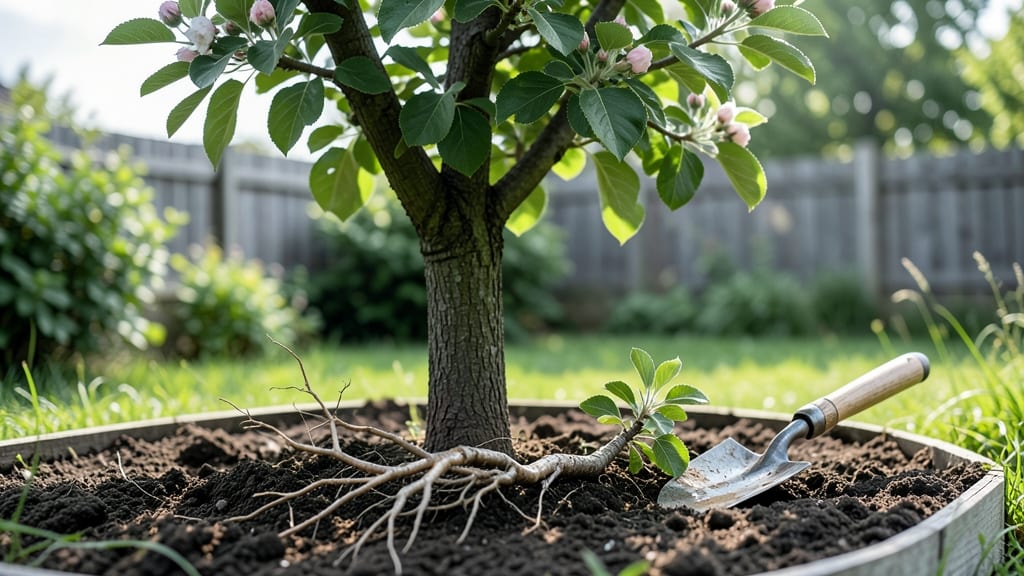
Growing your own apple tree from seed to fruit-bearing maturity starts with the right approach for your Pacific Northwest climate—because not all methods work equally well here. 🌳 I’ve tried them all: the romantic seed-starting method (which takes patience), the faster grafting technique (for specific varieties), and the straightforward sapling planting (best for beginners).
Each has its place, but the key is matching your goals to your region’s chill hours and rainy seasons.
The Pacific Northwest’s damp winters and cool summers demand a few adjustments: choose cold-hardy varieties like ‘Granny Smith’ or ‘Honeycrisp,’ amend heavy clay soil with compost for better drainage, and prune aggressively in early spring to prevent fungal diseases.
My first tree nearly drowned in winter—until I learned to mound soil around the base like a natural dam. The right setup means fewer headaches and more apples in 5-7 years.
By the time your tree is established, you’ll be harvesting crisp, locally grown fruit that tastes nothing like store-bought. The first harvest is the sweetest reward—imagine biting into that first apple you grew yourself, knowing every leaf and branch was shaped by your hands.
We’ll cover the full process, from seed to pruning, so you skip the trial-and-error phase and get straight to the harvest.
Whether you’re starting with a seedling, a grafted whip, or a bare-root sapling, the principles stay the same: good soil, smart pruning, and patience. The Pacific Northwest’s climate is your ally if you work with it—here’s how to make it work for you.
📚 In This Guide
- What you need
- Instructions
- Tips and common mistakes
- Wrapping up and next steps
What you need
- ● Apple tree sapling or bare-root tree: Choose a dwarf, semi-dwarf, or standard variety suited for PNW climates (e.g., Honeycrisp, Fuji, or Granny Smith). Ensure it’s disease-resistant (e.g., fire blight or scab-resistant). Quantity: 1 (or 2 for cross-pollination if needed)
- ● Size: 1–3 years old (bigger = faster fruiting)
- ○ Well-draining soil: Mix compost (50%) with native soil (50%) for optimal nutrition. Test soil pH (ideal: 6.0–7.0). Optional boost: Add peat moss or aged manure for fertility.
- ● Fertilizer: Balanced 10-10-10 or organic compost tea to kickstart growth.
- ● Mulch: Wood chips or straw (2–3 inches thick) to retain moisture and suppress weeds.
- ● Support stake: 5–6 ft bamboo or metal stake (for young trees) + soft tree tie.
- ● Watering can or hose: With a gentle spray nozzle to avoid damaging roots.
- ● Shovel: Round-point or digging shovel for planting.
- ● Pruning shears: Bypass pruners (sharp, clean) for shaping.
- ○ Grafting tools (optional): If grafting, use a grafting knife and sealing wax.
- ● Gloves: Heavy-duty gardening gloves to protect from thorns.
- ● Measuring tape: For spacing (12–15 ft between trees).
- ● String or twine: To mark planting spots.
- ● Sunlight: Full sun (6+ hours/day)—PNW’s partial shade? Pick a south-facing spot.
- ● Climate zone: USDA Zones 7–9 (PNW fits perfectly!).
- ○ Water access: A drip irrigation system (optional but helpful) or consistent hose access.
- ● Patience: Dwarf trees fruit in 2–3 years; standard trees take 5–7 years.
Step-by-Step instructions for planting an apple tree in the Pacific Northwest
Here's how to give your apple tree the strong start it needs for our region's cool, wet winters.
🌱 Step 1: Choose and Prepare the Right Location
Pick a spot with 6-8 hours of sunlight daily, sheltered from harsh winds. Apple trees thrive in well-draining soil with a pH between 6.0-7.0. In the Pacific Northwest, our naturally acidic soil often needs a boost—mix in 2-3 inches of compost to improve drainage and fertility.
Dig a hole twice as wide as the root ball but no deeper. Loosen the sides of the hole to encourage root spread. If planting in winter, wait until late fall to give roots time to establish before spring rains arrive. I always test the soil first—you can buy simple kits at garden centers.
🪴 Step 2: Plant at the Correct Depth and Support
Position the tree so the graft union (the bump near the base) sits 2-3 inches above ground level. This prevents rot in our damp climate. Backfill with native soil mixed with compost, tamping gently to remove air pockets. Water deeply to settle the soil around roots.
Stake only if needed—young trees in exposed spots benefit from a single 4-foot stake tied loosely with soft fabric. Too-tight ties strangle growth. Mulch with 3-4 inches of wood chips in a 3-foot diameter circle, keeping mulch 6 inches away from the trunk to prevent rot.
☀️ Step 3: Water and Fertilize for Strong Establishment
Water immediately after planting, then again every 7-10 days during the first growing season. Deep watering—1-2 gallons per week—encourages deep root growth. In our rainy climate, you'll need to monitor drainage; soggy soil leads to root rot.
Apply a balanced 10-10-10 fertilizer (following package rates) in early spring and again after harvest. Avoid high-nitrogen fertilizers—they promote leafy growth at the expense of fruit development. Pacific Northwest apple trees often need extra phosphorus for strong root systems.
✂️ Step 4: Prune for Structure and Disease Prevention
Prune in late winter (before buds swell) to remove dead wood and shape the tree. Open the center to improve airflow—this prevents fungal diseases common in our humid summers. Cut back to outward-facing buds to encourage an open canopy that catches sunlight.
Use clean, sharp pruners to make cuts at a 45-degree angle, just above a bud. Sterilize tools between cuts with rubbing alcohol to prevent spreading fire blight, a serious disease in our region. Thin out crowded branches to reduce competition for nutrients.
Tips & tricks for perfect apple tree planting in the Pacific Northwest
Here's what nobody tells you about getting your apple tree off to the right start in our damp climate.
Soil Prep Secret: Before amending your soil with compost, do a simple water test—dig a small hole, fill it with water, and check how long it takes to drain. If it stays wet longer than 30 minutes, you'll need even more compost or consider raised beds. Our region's clay-heavy soils can suffocate roots if not properly aerated. The 2-3 inches of compost mentioned in Step 1 should be mixed into the bottom of the hole first, creating a nutrient-rich base for roots to spread into.
Graft Union Protection: That 2-3 inch height for the graft union in Step 2 is critical in our wet winters. If you're planting in a particularly soggy spot, consider adding a small mound of soil around the base to create a slight elevation. I've seen graft unions rot out completely when planted too deep in our rainy climate—this simple adjustment can save your tree from failure. Mark the correct planting depth with a stake before digging if you're unsure.
Watering Wisdom: The 7-10 day watering schedule in Step 3 works for average summers, but our Pacific Northwest weather can be unpredictable. After the initial deep watering, check soil moisture by sticking your finger 2 inches down—if it's dry, water again. In our first growing season, I've found that 1-2 gallons per week is often not enough during heatwaves. Consider adding a drip irrigation system for consistent moisture, especially if you're away during the week.
Pruning Precision: When pruning in Step 4, focus on creating an open vase shape rather than a narrow central leader. Our humid summers create perfect conditions for fungal diseases, so good airflow is everything. Make your first cuts to remove any branches growing inward or crossing others. I like to leave 3-4 main scaffold branches that are evenly spaced around the trunk—this creates a strong framework that will support fruit production for decades.
Pro Tips for Make Apple Tree
- Here's what nobody tells you about getting your apple tree off to the right start in our damp climate.
- Soil Prep Secret: Before amending your soil with compost, do a simple water test—dig a small hole, fill it with water, and check how long it takes to drain.
- Graft Union Protection: That 2-3 inch height for the graft union in Step 2 is critical in our wet winters.
Frequently asked questions
Got questions about growing an apple tree in the Pacific Northwest? You’re not alone!
Here are answers to the most common queries to help you cultivate a thriving orchard—whether you're a first-timer or a seasoned gardener looking for climate-specific tips.
How long does it take for an apple tree to bear fruit?
Most apple trees grown from seeds (like heirloom varieties) take 5–10 years to bear fruit, while grafted trees (like those from nurseries) can produce apples in just 2–4 years. Patience is key—PNW’s cooler climate may slow early growth, but proper care speeds up the process!
Are apple trees cold-hardy enough for the Pacific Northwest?
Choose cold-hardy varieties like ‘Granny Smith,’ ‘Fuji,’ or ‘Honeycrisp,’ which thrive in USDA Zones 5–8 (common in PNW). Young trees need winter protection (mulch, burlap wraps) until established. Evergreen windbreaks also shield them from harsh coastal winds.
Can I grow an apple tree from a store-bought apple?
While it’s possible, grafting is far more reliable for consistent fruit quality. Store-bought apples are often hybrids and may not produce true-to-type trees. If you’re set on seeds, plant 3–4 seeds per pot for better odds—just know the tree may take years to fruit and could be disease-prone.
What pests should I watch for in PNW apple trees?
Common culprits include codling moths (larvae burrow into fruit), apple maggots, and aphids. Use neem oil or horticultural soap for organic control. Prune regularly to improve airflow, reducing fungal risks like apple scab—a PNW favorite!
Do I need two apple trees for pollination?
Yes! Most apple trees are self-pollinating but cross-pollinate better with a second variety nearby (e.g., ‘Gala’ + ‘Pink Lady’). Plant trees 20–40 feet apart for optimal pollinator access. If space is tight, choose a self-fruitful variety like ‘Golden Delicious’ (though yields may be smaller).
When’s the best time to prune in the Pacific Northwest?
Prune late winter/early spring (before buds swell) to avoid disease spread. In wet PNW climates, avoid pruning during rainy seasons—wait for dry weather. Summer pruning (light shaping) is okay, but focus on removing water sprouts and dead wood to keep the tree healthy.
Wrapping up and next steps
Growing an apple tree in the Pacific Northwest is a rewarding journey that combines patience, care, and a little know-how. With the right variety, soil prep, and pruning techniques, you’ll soon be enjoying fresh, homegrown fruit—plus the beauty of a sturdy, thriving tree in your yard. 🌳✨
Ready to take the next step? Start by observing your tree’s progress this season, and next spring, refine your pruning skills to shape its growth. Whether you’re a beginner or a seasoned gardener, every cut brings you closer to a bountiful harvest!