
Pruning
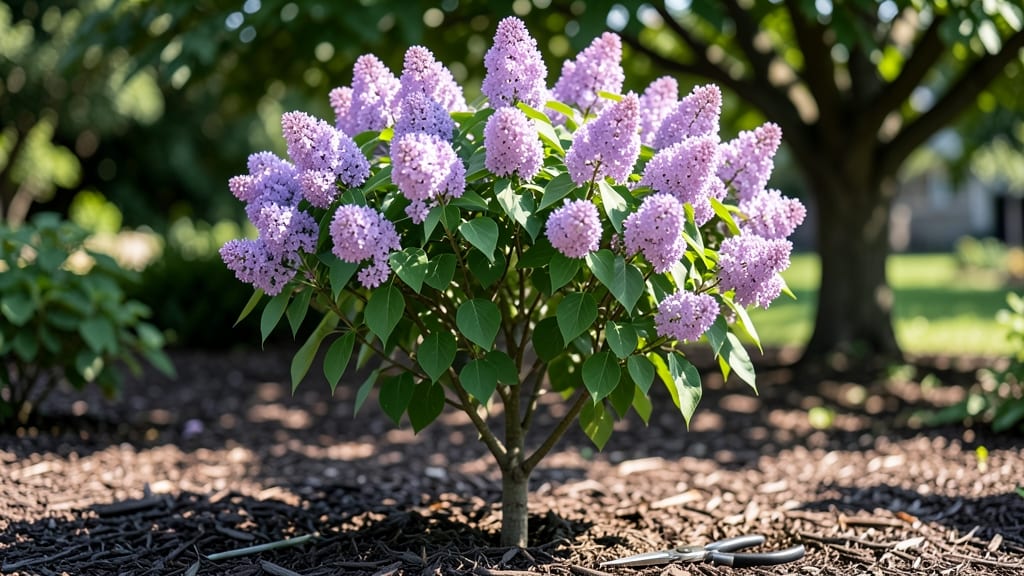
Pruning a lollipop lilac tree isn't just about shaping—it’s about unlocking four seasons of blooms while keeping that signature vase-like silhouette intact. 🌿 I’ve spent years refining my approach, and the difference between a leggy, sparse shrub and a lush, fragrant centerpiece comes down to timing, technique, and a few key cuts.
The secret? Pruning after blooms fade but before new growth hardens—this keeps the frost-resistant branches producing those iconic lavender clusters year after year.
The right tools and a little patience make this surprisingly simple. You’ll need sharp pruning shears, a clean cutting surface, and a ladder (for taller varieties), plus a sharpie to mark cuts if you’re pruning older wood.
Most of the work happens in late spring or early summer, but a light cleanup in winter keeps the shape tidy. My trees now bloom from late spring through early summer, with occasional late-season flushes if I time the pruning just right.
What you’ll end up with is a tree that looks like it belongs in a botanical garden—not just a fragrant hedge, but a showstopper that draws hummingbirds and neighbors alike.
The blooms stay dense, the branches stay sturdy, and you’ll avoid the common pitfall of over-pruning that turns lilacs into sad, twiggy skeletons. Plus, the compact form means it thrives in small yards, urban spaces, or even large containers.
Whether you’re dealing with a mature tree or a young sapling, the principles scale easily. The key is consistency—prune the same way every year, and your lollipop lilac will reward you with decades of effortless beauty. Ready to transform yours from "meh" to "wow"? Let’s get started.
📚 In This Guide
- What you need
- Instructions
- Tips and common mistakes
- Wrapping up and next steps
What you need
- ● Pruning shears: Bypass pruners (sharp, 6-8" blades) for small branches.
- ● Loppers: 1 pair (for branches ½"–2" thick).
- ● Pruning saw: 1 (for thick branches 2"+ in diameter).
- ● Disinfectant: 70% isopropyl alcohol or diluted bleach solution (1 part bleach to 9 parts water) to sterilize tools.
- ● Garden gloves: 1 pair (cut-resistant, for safety).
- ● Heavy-duty trash bags: 2-3 (for debris disposal).
- ● Rake or broom: 1 (to clear fallen branches).
- ● Hand sanitizer: For post-pruning clean-up.
- ○ Pruning sealant: (e.g., tree wound dressing) for large cuts (optional—controversial but some gardeners swear by it!).
- ● Ladder: If your tree is taller than 6 feet.
- ● Notebook & pen: To jot down pruning notes or track growth.
- ● Mulch: Shredded bark or compost (to replenish after pruning).
Step-by-Step guide to pruning your lollipop lilac tree
Here’s how to revive your frost-resistant beauty—season by season.
🌿 Step 1: Clean Up Winter Damage in Early Spring
As soon as the last frost passes, inspect your lollipop lilac for dead or broken branches. These are easy to spot—they’ll be brittle, brown, or completely devoid of buds. Use sharp pruning shears to cut just outside the branch collar, where the branch meets the trunk. Never leave stubs, as they invite disease.
Real talk: If you see any mushy or discolored wood, that’s a sign of winter dieback. Prune those branches back to healthy tissue immediately. The goal here is to open the canopy to sunlight and air, which your lilac will reward with vigorous new growth.
✂️ Step 2: Shape and Thin in Late Spring After Blooming
Wait until 2-3 weeks after flowering before shaping your lollipop lilac. This ensures you don’t accidentally remove next year’s blooms, which form on old wood. Start by removing any crossing or rubbing branches—they compete for nutrients and create weak spots.
Next, thin out the center of the tree to improve airflow. Aim for an open vase shape, letting light penetrate to the inner branches. Cut back no more than one-third of the plant’s height in a single season. Your tree will thank you with stronger stems and more abundant blooms.
☀️ Step 3: Lighten Up in Early Summer for Air Circulation
By early summer, your lilac will have fresh new growth. This is the time to focus on selective pruning—removing only the weakest or most crowded stems. Look for branches growing inward or downward; these are the ones that steal energy from your tree’s best blooms.
Here’s the thing—lollipop lilacs respond well to a little stress. By thinning now, you encourage the remaining branches to grow stronger and produce more flowers next season. Just avoid heavy pruning; you’re not shaping a hedge, you’re nurturing a flowering tree.
⏰ Step 4: Prepare for Winter Dormancy in Late Fall
In late fall, after the leaves have fallen but before hard frosts, do a final cleanup. Remove any dead, diseased, or weak branches. This prevents pests and pathogens from overwintering in your tree. Cut back any suckers or water sprouts that appear at the base or along the trunk.
Don’t worry about shaping at this stage—just focus on removing anything that could harm the tree over winter. A well-pruned lilac enters dormancy stronger, ready to bounce back with fresh blooms when spring arrives.
Tips & tricks for pruning your lollipop lilac tree
These seasoned insights will help you prune like a pro—keeping your frost-resistant lilac thriving year after year.
Timing is Everything: The 2-3 week window after flowering in Step 2 is non-negotiable for lollipop lilacs. This timing ensures you don't accidentally remove next year's blooms, which develop on old wood. Mark your calendar when you see those fragrant purple blooms fade—this is your cue to start shaping. Between us, I've seen too many gardeners rush this step and end up with sparse blooms the following spring.
Branch Collar Awareness: When pruning in Step 1 or Step 4, focus on cutting just outside the branch collar—the swollen area where the branch meets the trunk. This is where the tree's natural healing begins. I learned this the hard way after making clean cuts that left stubs—those cuts never healed properly and became entry points for disease. Use a sharp pair of pruning shears and make clean cuts at a slight angle to prevent water from pooling.
Strategic Thinning: During Step 3's selective pruning, prioritize removing branches that grow inward or downward. These are the branches that create a dense canopy and block sunlight from reaching the center of your tree. Aim to remove no more than 25% of the total branches in any single season—this gradual approach prevents shock and allows your lilac to recover more quickly. The open vase shape you create will improve airflow and reduce the risk of fungal diseases.
Tool Maintenance Matters: Your pruning shears are only as good as their upkeep. After each pruning session, clean your tools with rubbing alcohol and store them in a dry place. Dull blades tear rather than cut cleanly, which can damage the tree and make it more susceptible to infections. I keep a small kit in my gardening shed with sharpening stones and disinfectant—it's a small investment that pays off in healthier plants and longer-lasting tools.
Pro Tips for Lollipop Lilac Tree
- These seasoned insights will help you prune like a pro—keeping your frost-resistant lilac thriving year after year.
- Timing is Everything: The 2-3 week window after flowering in Step 2 is non-negotiable for lollipop lilacs.
- Branch Collar Awareness: When pruning in Step 1 or Step 4, focus on cutting just outside the branch collar—the swollen area where the branch meets the trunk.
Frequently asked questions
Got questions about keeping your lollipop lilac tree thriving with vibrant blooms year-round? We’ve got answers! Whether you’re a pruning pro or a first-timer, these FAQs will help you navigate care, timing, and troubleshooting like a boss.
When is the best time to prune a lollipop lilac tree?
Prune your lollipop lilac right after flowering (late spring to early summer) to encourage fresh blooms. Avoid pruning in fall or winter—this frost-resistant tree needs time to harden off for winter. Light shaping can happen in late winter (before buds swell), but avoid heavy cuts then!
How do I prune a lollipop lilac to keep its "lollipop" shape?
Focus on selective pruning: trim back overgrown branches to maintain a single, sturdy trunk with a rounded canopy. Remove any dead, crossing, or inward-growing branches first. Use clean cuts at a <45° angle just above an outward-facing bud. Never top the tree—this can stunt growth and reduce blooms!
Why isn’t my lollipop lilac blooming as much as it used to?
Lack of blooms often means over-pruning or nutrient deficiencies. Check if you’re cutting too late (after summer) or too aggressively. Feed with a balanced fertilizer (10-10-10) in early spring and ensure it gets 6+ hours of sunlight daily. Yellowing leaves? Test soil pH—lilacs prefer 6.0–7.0.
Can I grow a lollipop lilac in a container, or does it need to be planted in the ground?
While possible, container growth is tricky—this tree’s roots spread widely and need deep soil. If you must pot it, use a large (20+ gallon) container with drainage holes and repot every <2–3 years. Ground planting is ideal for long-term health, especially in USDA Zones 3–8. Mulch annually to retain moisture!
What should I do if my lollipop lilac gets frost damage?
Frost-resistant doesn’t mean frost-proof! If buds or branches look mushy or blackened, prune damaged sections immediately (after last frost). Water deeply to prevent stress, and avoid fertilizing until new growth appears. Pro tip: Wrap young trees in burlap during harsh winters for extra protection.
Are there alternatives to lollipop lilacs for small spaces?
Yes! Try these compact, bloom-packed alternatives:
- Dwarf Korean Lilac (Syringa meyeri): 4–6 ft tall, fragrant blooms, Zone 4–8.
- Japanese Tree Lilac (Syringa reticulata): Upright growth, 15–20 ft, drought-tolerant.
- Weigela: Vibrant red/pink flowers, 6–8 ft, thrives in partial shade.
Wrapping up and next steps
The Lollipop Lilac Tree is a stunning, frost-resistant beauty that rewards your care with vibrant blooms year after year. By mastering pruning techniques—like timing, cutting angles, and seasonal maintenance—you’ll keep its growth healthy and its flowers abundant.
Whether you’re a beginner or a seasoned gardener, a little effort goes a long way in transforming your yard into a fragrant paradise.
Ready to see your lilac thrive? Grab those shears and get pruning! Start small—pick one task from this guide and observe how your tree responds. Soon, you’ll be the envy of the neighborhood with a blooming, lush Lollipop Lilac that’s the star of every season. 🌸✨