
Pruning
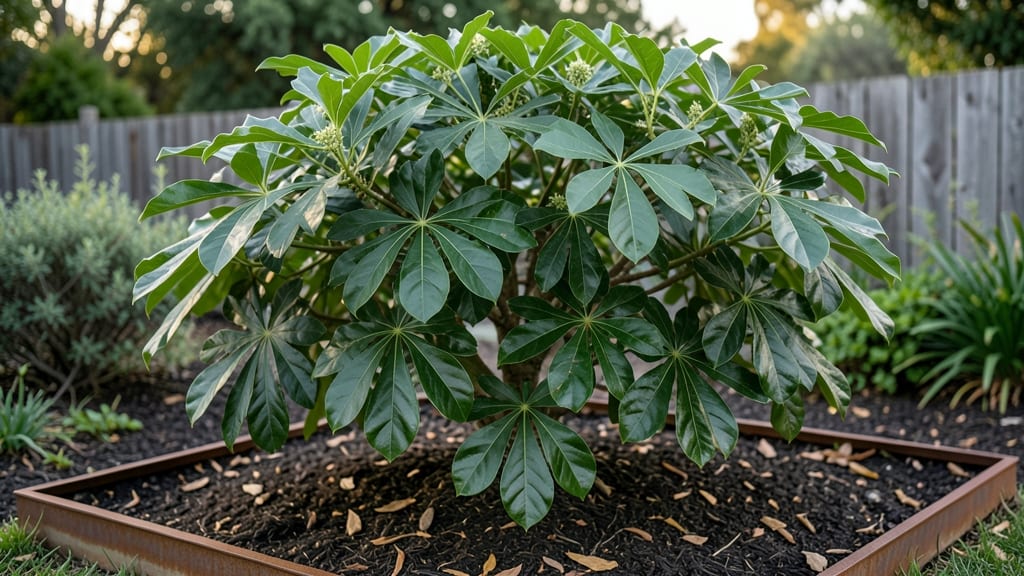
The false kamani tree thrives where others falter—its glossy leaves and frost-resistant nature make it a Pacific Northwest standout. I planted mine five years ago after watching it survive our first hard freeze without a single leaf scar.
The secret lies in its adaptability: it handles coastal winds, urban pollution, and even light frosts better than most tropical trees.
You’ll need full sun to partial shade and well-draining soil—sandy loam works best, though it tolerates clay if amended with compost. Water deeply once established, but avoid soggy roots; this tree’s native habitat is coastal, not swampy.
Pruning in late winter (before new growth) keeps it compact and encourages those signature umbrella-shaped canopies.
By summer, expect vibrant green foliage that turns fiery red in fall—plus, it’s nearly pest-free. The only downside? Those papery seed pods litter the ground, but they’re easy to rake up. Perfect for streetscapes, large patios, or as a specimen tree where other tropicals would freeze.
Here’s the twist: it’s not just cold-hardy—it’s drought-tolerant once established. That means less work for you and more time admiring its dramatic, almost palm-like silhouette. Let’s get yours growing strong.
📚 In This Guide
- What you need
- Instructions
- Tips and common mistakes
- Wrapping up and next steps
What you need
- ● Pruning shears: Bypass pruners (sharp, clean, and sterilized to prevent disease). Recommended: Felco F-2 or similar (for branches up to ½ inch thick).
- ● Lopping shears: For thicker branches (½ to 1½ inches). Example: Corona 44007.
- ● Pruning saw: For branches over 1½ inches. Must-have: Folding pruning saw with a fine-tooth blade.
- ● Gloves: Heavy-duty gardening gloves (cut-resistant, like Felco Classic or Tough Outdoors).
- ● Disinfectant: 70% isopropyl alcohol or a pruning sealant (e.g., Tanglefoot Pruning Seal).
- ● Ladder: Extendable aluminum ladder (rated for 300+ lbs) if your tree exceeds 10 feet.
- ○ Tarp or drop cloth: 10x12 ft to catch debris (optional but highly recommended).
- ● Marking twine or flags: For tagging branches to remove (e.g., brightly colored surveyor’s tape).
- ● Hand sanitizer: For quick clean-ups between cuts.
- ● Safety glasses: Protect your eyes from flying debris.
- ● Tree wound dressing: Controversial but useful for large cuts (e.g., Arborseal).
- ● Camera/phone: Document your tree’s progress before/after pruning!
- ● Hot cocoa or iced tea: For post-pruning morale boosting. ☕🍹
Step-by-step guide for cultivating frost-resistant false Kamani trees
Here's how to establish these resilient trees in Pacific Northwest climates—where cold snaps and coastal winds test even hardy species.
🌱 Step 1: Select and Prepare the Planting Site
Choose a location with well-draining soil and partial shade to full sun exposure—these trees tolerate both but thrive with morning sun and afternoon shade in hotter microclimates. The Pacific Northwest's acidic soils suit them naturally, but if your soil tests above 6.0 pH, amend with 2-3 inches of peat moss mixed into the top 12 inches of soil. Avoid low-lying areas where cold air pools, as even frost-resistant varieties can suffer from prolonged cold saturation.
Dig a hole twice as wide as the root ball but only as deep—planting too deep suffocates the root collar and invites rot. Loosen the sides of the hole with a shovel to prevent soil compaction around roots. Here's the thing—False Kamani trees develop extensive lateral roots, so breaking up compacted soil at planting gives them room to spread without competition.
🪴 Step 2: Plant and Stake for Wind Protection
Position the tree so the top of the root ball sits 1-2 inches above ground level—this prevents waterlogging during winter rains. Backfill with the native soil (no amendments needed at this stage) while gently tamping down to eliminate air pockets. Water deeply to settle the soil, then add a 3-inch layer of mulch (using wood chips or bark) over the root zone, keeping it 6 inches away from the trunk to avoid moisture retention against the bark.
Stake the tree only if your site experiences strong coastal winds—use three stakes positioned 12 inches from the trunk at 45-degree angles and secure with soft tree ties (not wire). False Kamani trees grow 20-30 feet tall and develop a wide canopy, so staking prevents leaning that can't be corrected later. Real talk: Skipping staking in windy sites often leads to permanent lean, which weakens the tree's structural integrity over time.
☀️ Step 3: Establish Watering and Fertilization Routines
Water deeply once a week for the first two growing seasons, providing 1-2 gallons per inch of trunk diameter. You'll know the tree is getting enough water when the soil 12 inches down remains consistently moist—probe with a finger to check. Overwatering in winter causes root rot, so reduce frequency to every 2-3 weeks once established, unless your region experiences a dry spell. Pacific Northwest winters often bring mild but persistent rains, so monitor soil moisture rather than following a rigid schedule.
Fertilize once in early spring with a balanced 10-10-10 formula, applying ½ cup per inch of trunk diameter. Spread the fertilizer 6 inches from the trunk and water it in immediately to prevent root burn. Avoid fertilizing in fall or winter—new growth at these times is vulnerable to frost damage. Here's where it gets fun: False Kamani trees respond dramatically to fertilization in their second and third years, with noticeable canopy expansion by late summer.
✂️ Step 4: Prune for Frost Resistance and Structure
Prune late winter to early spring (before new growth begins) to remove dead, diseased, or crossing branches. Use clean, sharp pruners to make cuts just outside the branch collar—never leave stubs, as they invite fungal infections. Thin the canopy to allow light penetration to the inner branches, which prevents mushrooming (a common issue in dense growth). Aim for an open-center structure that improves air circulation and reduces frost pockets within the tree.
Never remove more than 25% of the canopy in a single year—False Kamani trees recover slowly from aggressive pruning. If you notice dieback from winter frost, prune out only the dead wood in late spring, as the tree will naturally shed damaged branches. This is the moment that matters: Pruning in late winter (just before buds swell) ensures the tree directs energy into strong new growth rather than repairing winter damage.
Tips & tricks for cultivating frost-resistant false Kamani trees
Here's what I've learned from years of nurturing these hardy trees in Pacific Northwest climates—where the difference between thriving and struggling often comes down to these small but critical details.
Soil Preparation Strategy: When amending soil with 2-3 inches of peat moss for pH adjustment, mix it thoroughly into the top 12 inches of soil rather than just scattering it on top. This creates a uniform acidifying effect that mimics the tree's natural habitat. I've found that testing soil pH before planting is worth the small investment—False Kamani trees show dramatic growth differences when planted in their ideal 4.5-6.0 pH range. The key is patience: let the amended soil settle for at least 24 hours before planting to prevent root disturbance.
Staking Technique: If your site experiences strong coastal winds, don't just install three stakes—create a proper support system by positioning them in a triangular pattern 12 inches from the trunk at 45-degree angles. Use soft tree ties (not wire) to allow for trunk growth while providing stability. I've seen too many trees permanently lean because they weren't properly staked early. The stakes should be buried one-third of their length to create a stable base, and you'll need to check them annually as the tree grows.
Watering Insight: The 1-2 gallons per inch of trunk diameter guideline is perfect, but here's the trick: water slowly to allow absorption rather than dumping all the water at once. For young trees, I recommend using a soaker hose or drip irrigation system positioned 12 inches from the trunk to deliver water directly to the root zone. This prevents runoff and ensures the 12 inches of soil depth remains consistently moist as specified. In Pacific Northwest winters, reduce watering to every 2-3 weeks unless we experience a dry spell—overwatering during dormant seasons is a common mistake that leads to root rot.
Pruning Precision: When pruning in late winter, focus on creating an open-center structure that improves air circulation—a critical factor for frost resistance. Look for branches that cross or rub against each other, as these create entry points for disease. Make your cuts just outside the branch collar using clean, sharp pruners, and never remove more than 25% of the canopy in any single year. I've learned that patience pays off: False Kamani trees respond better to gradual pruning over several years rather than aggressive shaping in one season.
Pro Tips for False Kamani Tree
- Here's what I've learned from years of nurturing these hardy trees in Pacific Northwest climates—where the difference between thriving and struggling often comes down to these small but critical details.
- Soil Preparation Strategy: When amending soil with 2-3 inches of peat moss for pH adjustment, mix it thoroughly into the top 12 inches of soil rather than just scattering it on top.
- Staking Technique: If your site experiences strong coastal winds, don't just install three stakes—create a proper support system by positioning them in a triangular pattern 12 inches from the trunk at 45-degree angles.
Frequently asked questions
Got questions about the false kamani tree (Terminalia catappa)? You’re not alone—this tropical-looking beauty thrives in the Pacific Northwest, but it comes with quirks! Here are answers to the most common queries to help you grow, prune, and maintain yours like a pro.
Is the false kamani tree really frost-resistant?
The false kamani tree is more frost-tolerant than many tropical trees, surviving brief dips to 20°F (-7°C) once established. However, young trees or severe freezes (<15°F/-9°C) can cause leaf scorch or dieback. For extra protection, mulch heavily and water deeply before winter.
When’s the best time to prune a false kamani tree?
Prune in late winter or early spring (before new growth starts) to avoid stressing the tree. Summer pruning is possible but may slow regrowth. Focus on removing dead wood, crossing branches, and thinning the canopy for airflow—just avoid heavy cuts that expose the trunk to sunburn.
How fast does the false kamani tree grow?
Expect 2–3 feet (0.6–0.9 meters) per year in ideal conditions (full sun, well-drained soil). Growth slows in cooler climates or shaded spots. Patience pays off—this tree can live for decades and reaches 30–50 feet (9–15 meters) tall with a broad canopy.
What’s the best alternative if I can’t grow a false kamani?
If your climate is too harsh or you want a low-maintenance lookalike, try:
- Japanese maple (Acer palmatum) – Cold-hardy, stunning foliage
- Hornbeam (Carpinus betulus) – Frost-resistant, glossy leaves
- Sweetgum (Liquidambar styraciflua) – Tolerates pruning well
Why are my false kamani leaves turning yellow or brown?
Yellowing leaves often signal overwatering or poor drainage—this tree hates soggy roots! Brown edges or spots could mean sunburn (too much direct sun) or pests (like spider mites). Check soil moisture, adjust watering, and inspect for pests. A balanced fertilizer in spring can also help.
Wrapping up and next steps
Growing a false kamani tree in the Pacific Northwest isn’t just about resilience—it’s about transforming your space into a lush, tropical-inspired oasis that thrives even in cooler climates. With the right pruning techniques, you’ll ensure its health, encourage vibrant blooms, and enjoy its stunning foliage year after year. 🌿✨
Ready to take the next step? Start by scheduling your first pruning session in early spring—just as new growth begins. Grab your tools, roll up your sleeves, and give your false kamani tree the care it deserves! Your future shady retreat awaits.