Pruning
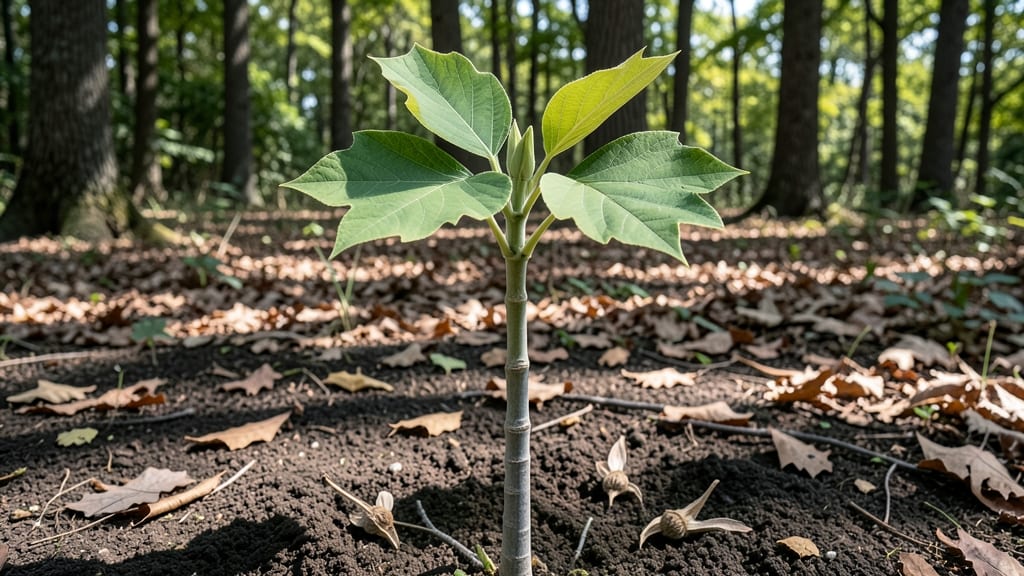
That little volunteer tulip tree sprouting in your Pacific Northwest yard isn’t just a surprise—it’s a future shade giant with a four-season personality. 🌿 I’ve wrestled with these fast-growing trees for years, and the key to keeping them manageable... (and not crowding out your rhododendrons) is year-round pruning that starts the moment you spot those first heart-shaped leaves.
The trick isn’t just cutting branches—it’s shaping growth from day one. Young trees need sunlight on their lower limbs to strengthen their structure, while mature ones benefit from strategic cuts to open up that iconic tulip-shaped canopy.
My 10-year-old tree now casts perfect shade for my deck, all because I pruned aggressively in its first five years. The secret? Prune when growth slows, not when it’s rampant.
You’ll end up with a tree that stays proportionate to your space, produces those signature tulip-shaped blooms reliably, and develops a sturdy trunk that resists storm damage—a common issue with unchecked growth.
The first year focuses on removing competing stems, while later years refine the shape. Think of it as sculpting a living work of art that rewards patience with decades of beauty.
Works equally well for city lots, rural homesteads, or that awkward corner where nothing else thrives. The Pacific Northwest’s mild winters mean you can prune almost year-round, but timing matters—here’s exactly when and how to make those cuts for maximum impact.
📚 In This Guide
- What you need
- Instructions
- Tips and common mistakes
- Wrapping up and next steps
What you need
- ● Pruning shears: Sharp, bypass-style shears (for clean cuts on small branches). Size: 6–8 inches, with ergonomic grips for comfort.
- ● Loppers: For thicker branches (½–1½ inches in diameter). Look for: Ratcheting or bypass loppers with a long handle (24+ inches) for leverage.
- ● Pruning saw: For branches too thick for loppers (1½+ inches). Recommended: Curved-tooth saw for wood (avoids splintering).
- ● Gloves: Heavy-duty, cut-resistant gloves (e.g., leather or synthetic blend) to protect hands from thorns and rough bark.
- ● Disinfectant: 70% isopropyl alcohol or a pruning sealant (e.g., tree wound dressing) to prevent disease spread.
- ● Safety gear: Safety glasses or goggles (to shield eyes from debris).
- ● Closed-toe shoes or sturdy boots (tulip trees can drop branches!).
- ○ Ladder (optional but helpful): Extension ladder (16–24 ft) if the tree exceeds 10 feet. Pro tip: Use a stabilizer for safety!
- ● Pole pruner: For high branches (extends reach up to 10–12 ft).
- ● Wheelbarrow or tarp: To haul away pruned branches and debris.
- ● Tree bag: A mesh bag to collect cuttings for composting or propagation.
- ● Marking spray: Non-toxic paint to tag branches for removal (helps visualize your pruning plan).
- ● First-aid kit: Bandages and antiseptic wipes for minor scrapes or thorn pricks.
- ● Weather check: Prune on a dry, calm day (avoid wind or rain).
- ● Tree health assessment: Inspect the tree for disease, pests, or deadwood before starting.
- ● Local regulations: Check if your area requires a permit for large branch removal (common in urban PNW areas).
How to prune a little volunteer tulip tree for healthy Pacific Northwest growth
This is the pruning routine I’ve used to keep my tulip tree thriving through PNW’s wet winters and mild summers.
✂️ Step 1: Late Winter Cleanup (January-February)
Start by removing any dead, diseased, or crossing branches with clean, sharp pruning shears. The Pacific Northwest’s damp winters encourage fungal growth, so focus on eliminating anything that looks weak or damaged. I always prune on a dry day—wet wood splits more easily and invites infection.
Look for branches that rub against each other or grow inward. These will eventually tear bark and create entry points for pests. Cut back to the branch collar (the swollen area where the branch meets the trunk) rather than leaving stubs. This ensures the tree seals the wound properly and reduces the risk of rot.
For larger branches over ½ inch thick, make your cut just outside the branch collar at a slight angle. Smaller branches can be snipped flush with the parent branch. After pruning, sterilize your tools with rubbing alcohol to prevent spreading disease between cuts.
☀️ Step 2: Spring Growth Stimulation (March-April)
Once new growth begins—you’ll see fresh green buds and leaves emerging—it’s time to shape the tree. The tulip tree’s compound leaves grow in clusters, so I focus on maintaining an open canopy to allow sunlight to reach the lower branches. This prevents the tree from becoming too dense and encourages even growth.
Remove any suckers or water sprouts that appear at the base or along the trunk. These compete with the main structure for nutrients and weaken the tree’s overall health. Cut them off at ground level immediately. If you see any branches growing straight upward (called “vertical leaders”), prune them back by about one-third to encourage a more balanced shape.
Here’s the thing—tulip trees respond well to pruning when they’re actively growing. If you wait until summer, you’ll stress the tree unnecessarily. A light trim in spring keeps the tree’s energy focused on foliage and root development rather than repairing large wounds.
✂️ Step 3: Summer Light Pruning (June-July)
During the summer, I do minimal pruning—just enough to maintain the tree’s shape and remove any dead or diseased leaves. The Pacific Northwest’s frequent rain can cause branches to develop fungal spots or mildew, so inspect the tree regularly. Remove any leaves or branches showing signs of discoloration or spots immediately.
If you notice any branches that are growing too close together, thin them out to improve airflow. This reduces humidity around the foliage, which is critical in the PNW’s damp climate. I also check for any branches that have grown too long or are crowding the sidewalk or driveway. Trim these back to maintain clearance and prevent damage during storms.
This is the moment that matters: avoid heavy pruning in summer. The tree is already stressed by heat and water demands, and large cuts can invite pests. Instead, focus on light maintenance—think of it as giving the tree a haircut rather than a full makeover.
🌿 Step 4: Fall Preparation (October-November)
As the leaves begin to turn yellow and fall, it’s time to prepare the tulip tree for winter. Remove any dead or dying branches first—these provide little benefit and can harbor pests over the cold months. I also prune back any branches that have grown excessively during the summer, cutting them back by about 20-30% to encourage new growth in spring.
Pay special attention to the tree’s lower branches. In the Pacific Northwest, heavy rain and wind can cause branches to break. Pruning them back now prevents potential damage during winter storms. If you see any branches that are crossing or rubbing, trim them now before the tree goes dormant.
Don’t skip this (I learned the hard way). A well-pruned tulip tree in fall recovers faster in spring and produces stronger new growth. Just avoid pruning too late in the season—once the tree is fully dormant, it’s best to wait until late winter to resume.
Tips & tricks for pruning a little volunteer tulip tree
These small but powerful adjustments will help your tulip tree thrive year-round in the Pacific Northwest's unique climate.
Timing is Everything: The January-February late winter cleanup is your best defense against fungal issues common in PNW's damp winters. I've seen trees develop serious infections when pruned during wet conditions—always wait for a dry day. For branches over ½ inch thick, make your cuts just outside the branch collar at a slight angle to prevent water pooling, which can lead to rot.
Spring Growth Strategy: When shaping your tree in March-April, focus on creating an open canopy by thinning out crowded branches. This isn't just about looks—it's about letting sunlight reach lower branches, which prevents the tree from becoming too dense. I've noticed that trees with proper airflow develop fewer fungal spots during our rainy summers. Remember to cut vertical leaders back by about one-third to encourage a more balanced, wind-resistant shape.
Summer Maintenance Secret: During June-July, think of pruning as light maintenance rather than major surgery. The key is improving airflow by thinning crowded branches—this reduces humidity around the foliage, which is crucial in our damp climate. I always check for branches crowding sidewalks or driveways during this time, as heavy rain can make them hazardous. Never prune more than 25% of the tree's foliage in summer to avoid stressing it.
Fall Preparation Insight: In October-November, focus on removing dead branches first—they're just dead weight that can harbor pests over winter. When pruning back summer growth, cut branches back by about 20-30% to encourage strong new growth in spring. I've learned the hard way that pruning too late in the season (after full dormancy) can actually weaken the tree—stick to the early fall window.
Pro Tips for Little Volunteer Tulip Tree
- These small but powerful adjustments will help your tulip tree thrive year-round in the Pacific Northwest's unique climate.
- Timing is Everything: The January-February late winter cleanup is your best defense against fungal issues common in PNW's damp winters.
- Spring Growth Strategy: When shaping your tree in March-April, focus on creating an open canopy by thinning out crowded branches.
Frequently asked questions
Got questions about nurturing your little volunteer tulip tree? You're not alone! Here are some of the most common concerns—plus practical answers to keep your tree thriving in the Pacific Northwest’s unique climate.
When is the best time to prune a young tulip tree?
The ideal window is late winter to early spring (February–March), just before new growth begins. This minimizes stress and encourages healthy branching. Avoid pruning in fall—it can stimulate tender growth vulnerable to frost. For light maintenance, dead or crossing branches can be removed anytime, but major pruning should stick to the dormant season.
How much can I trim without harming the tree?
For young tulip trees, aim to remove no more than 20–25% of the canopy in a single session. Over-pruning stresses the tree, especially in the PNW’s wet climate. Focus on structural shaping—thinning crowded branches and opening the center for airflow. If you’re unsure, start small and observe the tree’s response before committing to bigger cuts.
What if my tulip tree gets fungal issues after pruning?
Fungal infections (like canker) often strike when cuts are too large or tools aren’t sterilized. Prevent it by using sharp, disinfected pruners and sealing larger wounds with pruning sealant. If you spot oozing sap or discolored bark, remove the infected branch 6–12 inches below the damage and monitor for recurrence. Keep the base area mulch-free to reduce moisture retention.
Are there smaller alternatives to full-sized tulip trees?
Yes! If space is tight, consider dwarf varieties like ‘Little Volunteer’ (which tops out at 20–30 feet) or ‘Raven’s Wing’ (a compact cultivar). For even smaller options, ornamental cherries (e.g., Prunus ‘Royal Burgundy’) or dogwoods (like Cornus florida ‘Cherokee Brave’) offer similar shade and seasonal interest without the tulip tree’s eventual size.
Should I prune in winter if there’s snow or ice?
Wait for dry, calm conditions—never prune when branches are frozen or icy. Cold weather weakens the tree and makes cuts heal poorly. If you must trim in winter, do so on a mild, sunny day (above 40°F). For heavy snow loads, remove accumulation gently with a broom or rake to avoid snapping branches. Never use a saw or heavy tools on frozen wood!
Wrapping up and next steps
Pruning your little volunteer tulip tree isn’t just about tidying up—it’s a year-round act of love that keeps it thriving in the Pacific Northwest’s unique climate. 🌿 By mastering the art of when, how, and why to prune, you’re ensuring your tree stays healthy, resilient, and full of life for decades to come.
Now that you’re armed with the right tools, techniques, and answers to common questions, it’s time to roll up your sleeves! Start with a quick inspection this week—spot any dead branches or overgrowth, and give them a little trim. Your tree will thank you with lush, vibrant growth!
Ready to dive deeper? Check out our seasonal pruning calendar for a month-by-month guide to keeping your tulip tree in peak condition all year.