Pruning
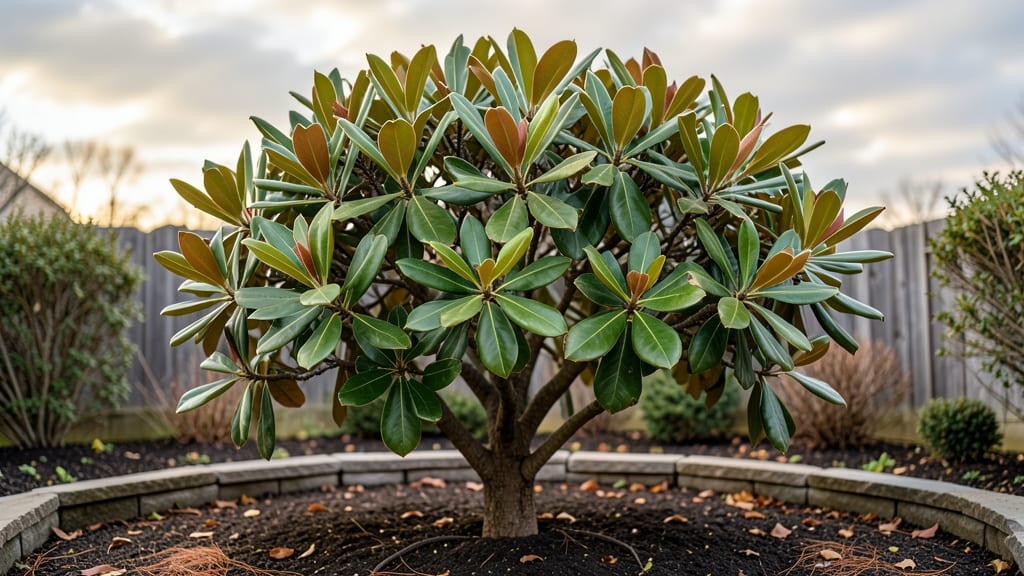
Fall is the perfect time to tend to your Jane magnolia tree—when its glossy leaves turn golden and the air smells like damp earth and possibility. 🌿 I’ve watched mine stand regal through three winters, and the secret isn’t complicated: a little pruning, a protective layer of mulch, and letting nature do the rest.
Most people overlook this season, but it’s when your magnolia sets the stage for next year’s showstopping blooms.
The work itself is simple: remove only dead or crossing branches with clean cuts, and avoid heavy pruning—this tree thrives on minimal interference. You’ll also want to rake up fallen leaves (they can harbor pests) and give the roots a 2–3 inch layer of mulch to insulate them through winter.
It takes about 30 minutes and saves you headaches in spring when buds start to form.
What you’ll end up with is a tree that looks like it belongs in a Southern garden postcard—dark green in summer, golden in fall, and blanketed in white blooms by spring.
The glossy leaves stay vibrant longer, and the structure remains strong year after year. Plus, you’ll skip the stress of winter damage that plagues neglected trees.
This approach works for gardeners in Zones 7–9, where Jane magnolias shine. If you’re in a colder region, a little extra mulch and winter wrap on young trees makes all the difference. Ready to give your magnolia the care it deserves?
📚 In This Guide
- What you need
- Instructions
- Tips and common mistakes
- Wrapping up and next steps
What you need
- ● Pruning shears: Sharp, bypass pruners (for cuts up to ½ inch thick). Pro tip: Clean blades with rubbing alcohol to prevent disease spread! 💡
- ● Loppers: For thicker branches (½ to 2 inches). Choose bypass-style for clean cuts.
- ● Hand pruners: Anvil-style for small twigs (under ¼ inch).
- ● Ladder: Sturdy, extendable (12–16 ft) with non-slip feet. Safety first! 🔒
- ● Gloves: Heavy-duty, cut-resistant (gardening or pruning-specific).
- ● Disposable pruning bags: 2–3 large bags (13-gallon capacity) for debris.
- ● Rubbing alcohol (70% isopropyl): Small bottle for sterilizing tools.
- ● Sharpie marker: Permanent, for labeling cuts if needed.
- ● Pruning saw: For branches over 2 inches thick (if needed).
- ● Tree wound dressing: Pruning sealant (controversial but useful for large cuts).
- ● Extension pole: For high branches (with pruning saw attachment).
- ● Camera or phone: Capture your tree’s fall transformation! 📸
- ● First-aid kit: Just in case (safety over everything!).
- ● Check local regulations: Some areas require permits for tree pruning.
- ● Review your tree’s health: Look for signs of disease (e.g., oozing sap, discolored leaves).
- ● Choose the right time: Late fall (after leaf drop) is ideal for Jane Magnolias! ⏰
- ● Gather inspiration: Sketch or note areas you’d like to highlight (e.g., open canopy for sunlight).
Step-by-Step guide for fall care of Jane magnolia trees
Fall is when these stunning trees get their best look—here's how to keep them thriving.
🌿 Step 1: Assess and Clean Up Fall Debris
Start by removing fallen leaves, seed pods, and any dead branches from under and around your Jane magnolia. These trees naturally drop their glossy leaves in late fall, but I always rake up debris within 10 feet of the trunk to prevent fungal diseases from overwintering. Look for branches that are completely brown, brittle, or showing signs of disease—these should be pruned away immediately.
Here's the thing—magnolias are not heavy pruners. Only remove what's clearly dead or damaged. I use clean, sharp pruners to make cuts just outside the branch collar (that little swollen area where the branch meets the trunk). This ensures clean wounds that heal properly over winter.
☀️ Step 2: Adjust Watering for Fall Transition
As temperatures drop, reduce watering gradually. By mid-October, I water my Jane magnolia only when the top 6 inches of soil feels dry to touch. Overwatering now can lead to root rot before the ground freezes. You'll know you're doing it right when the soil around the base stays slightly moist but not soggy.
Don't skip this adjustment. I learned the hard way that keeping a magnolia too wet in fall can stress the roots just as they're preparing for dormancy. A good rule of thumb: water every 2-3 weeks unless you've had prolonged dry spells. Mulch helps retain moisture while protecting roots from temperature swings.
✂️ Step 3: Light Pruning for Winter Shape
This is the moment that matters: do any final pruning before the first hard frost. Focus on shaping the tree by removing crossing branches or those growing inward. I make cuts at a 45-degree angle just outside the branch collar, and I always sterilize my pruners with rubbing alcohol between cuts to prevent disease spread.
Real talk: Jane magnolias bloom on old wood, so avoid heavy pruning. You won't see flowers on new growth. Instead, think of this as a light tidying-up session. After pruning, I give the tree a final check for any remaining dead wood—magnolias can hide problems until winter.
🪴 Step 4: Protect with Mulch and Winter Prep
Spread a 3-inch layer of mulch around the base, keeping it 6 inches away from the trunk. I use shredded bark mulch because it breaks down slowly and improves soil structure over time. This layer insulates roots from freezing temperatures while preventing soil compaction from foot traffic.
For young trees or those in colder climates, consider wrapping the trunk with tree guard fabric to protect against rodent damage and winter sun scorch. I only do this for trees in their first 5 years—after that, their bark is thick enough to handle winter conditions.
Tips & tricks for perfect fall Jane magnolia care
Fall is your chance to set up your Jane magnolia for next year's spectacular blooms—here's how to get it right.
Timing Secret: That mid-October watering adjustment is everything. I check soil moisture by pushing a finger into the top 6 inches—if it feels dry, that's when you water. The key is consistency: too much moisture now can actually suffocate roots as they prepare for dormancy. Think of it like giving your tree a cozy blanket without smothering it.
Pruning Wisdom: When you're shaping in Step 3, focus on those crossing branches first—they compete for sunlight and weaken the tree. I always make my cuts just outside the branch collar at a 45-degree angle, and here's what nobody tells you: sterilize your pruners between cuts with rubbing alcohol. This prevents spreading any hidden diseases that could ruin your tree's winter rest.
Mulch Mastery: The 3-inch layer of mulch isn't just decoration—it's insulation. Spread it like you're making a pie crust: even all the way around but stopping 6 inches from the trunk. For extra protection in cold climates, I add a second layer of straw mulch on top of the bark mulch. This double layer can mean the difference between a tree that makes it through winter and one that struggles.
Winter Watch: After you've done all the prep, do a final walk-around before the first hard frost. Look for any remaining dead branches you might have missed—they can become entry points for pests. I also check for any rodent activity, especially around young trees. A simple tree guard fabric wrapped around the trunk can save you from dealing with chewed bark in spring.
Pro Tips for Jane Magnolia Tree In Fall
- Fall is your chance to set up your Jane magnolia for next year's spectacular blooms—here's how to get it right.
- Timing Secret: That mid-October watering adjustment is everything.
- Pruning Wisdom: When you're shaping in Step 3, focus on those crossing branches first—they compete for sunlight and weaken the tree.
Frequently asked questions
Got questions about your Jane Magnolia Tree during fall? You’re not alone! Here are answers to the most common queries—from timing to troubleshooting—so you can keep your tree stunning with ease.
When is the best time to prune a Jane Magnolia in fall?
Prune your Jane Magnolia after it finishes blooming in late spring or early summer. Fall pruning is not recommended because it can stimulate new growth that won’t harden off before winter. If you must prune in fall, do so lightly in October—just remove dead or diseased branches.
Will pruning in fall harm my Jane Magnolia?
Minimal pruning in late fall (like removing dead wood) is usually safe, but heavy pruning can stress the tree. Avoid cutting back more than 25% of the foliage and never prune after mid-October, as new growth may not survive frost. When in doubt, wait until early spring for major shaping.
Can I still enjoy fall colors if I don’t prune?
Jane Magnolias are low-maintenance and thrive without pruning. Their glossy, dark green leaves turn golden-yellow in fall, creating a breathtaking contrast. Pruning is optional—focus on removing only dead, diseased, or crossing branches to keep the tree healthy and beautiful naturally.
How do I protect my Jane Magnolia from winter damage?
Jane Magnolias are hardy to USDA Zone 7-10, but young trees or harsh winters may need help.
- Mulch the base with 2-3 inches of organic mulch (like wood chips) to insulate roots.
- Avoid pruning in late fall/winter, as it can expose the tree to cold stress.
- If heavy snow bends branches, gently support them with stakes—never saw them off.
What’s a good alternative if I can’t prune now?
If fall isn’t the right time for pruning, focus on these care tasks instead:
- Fertilize lightly with a balanced, slow-release fertilizer in early fall to support root growth.
- Water deeply once a month if rainfall is scarce (avoid soggy soil).
- Monitor for pests like scale or spider mites—treat with neem oil if needed.
Wrapping up and next steps
The Jane magnolia tree in fall is a stunning testament to nature’s artistry—requiring little effort but delivering breathtaking results. With its glossy leaves, fragrant blooms, and minimal pruning needs, it’s the perfect addition to any landscape. Embrace its low-maintenance charm and let its beauty shine effortlessly.
Ready to enhance your outdoor space? Start by observing your tree’s natural growth and schedule a light pruning session in late winter or early spring. Your Jane magnolia will thank you with years of vibrant, carefree splendor! 🌿✨