
Pruning
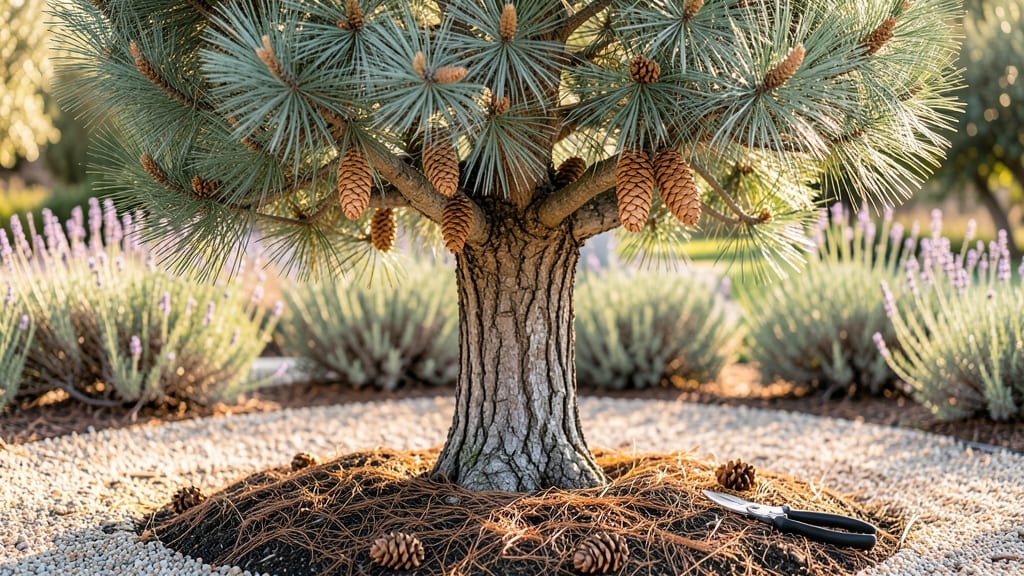
The Italian rock pine tree (Pinus nigra 'Italica') is the sturdy, frost-loving centerpiece that turns Pacific Northwest yards into Mediterranean escapes—without the summer wilting.
I’ve pruned mine through three winters here, and the key isn’t just cutting branches; it’s understanding how this pine wants to grow when the air turns crisp.
This tree thrives on neglect once established, but proper pruning in late winter (before new growth starts) keeps it dense, symmetrical, and disease-free—no fancy tools needed, just sharp shears and a clear vision of its natural shape.
The real secret? Pruning when the tree’s dormant, so it heals faster and puts energy into next year’s vibrant green needles instead of scar tissue.
What you’ll end up with is a tree that looks like it belongs in a Tuscan villa, not your rainy backyard. The branches stay sturdy through wind and snow, the bark develops that signature silver-gray texture, and you’ll have fewer brown needles come spring.
It’s the kind of pruning that makes neighbors ask, “What’s your secret?”
Works equally well as a standalone specimen or mixed into native shrubs—just give it room to spread its arms. Here’s how to keep it thriving through PNW winters without the usual pine struggles.
📚 In This Guide
- What you need
- Instructions
- Tips and common mistakes
- Wrapping up and next steps
What you need
- ● Pruning shears: Bypass pruners (sharp, clean, and sterilized with rubbing alcohol to prevent disease). Recommended: Felco F2 or Corona 3-in-1.
- ● Loppers: For thicker branches (1.5"–2" diameter). Specs: 20"–24" reach, ratcheting or bypass blades.
- ○ Pole saw: Extendable (10–12 ft) for high branches. Optional but handy: Telescoping pole with a sharp, serrated blade.
- ● Pruning saw: For stubborn, woody growth. Type: Bow saw or curved-tooth pruning saw.
- ● Gloves: Heavy-duty, cut-resistant (e.g., Mechanix or Cooslin). Why? Protects against sap and sharp edges!
- ● Disinfectant: 70% isopropyl alcohol or bleach solution (1 part bleach to 9 parts water) for tools.
- ○ Pruning sealant: (Optional) Wound dressing for large cuts (e.g., Tanglefoot Tree Wound Pruning Sealer). Note: Only use on cuts >0.75" diameter.
- ● Ladder or step stool: Sturdy, non-slip (e.g., Little Giant or Werner models). Height: At least 10 ft for mature trees.
- ● Trash bags or bucket: For clippings (10–20 gallons, depending on tree size). Pro tip: Use biodegradable bags for composting!
- ● Timing: Prune in late winter to early spring (Feb–March in PNW) before new growth starts. Avoid pruning in fall to prevent frost damage.
- ● Weather conditions: Choose a dry, calm day (no rain or wind forecasted for 24 hours).
- ● Safety gear: Safety glasses, long sleeves, and closed-toe shoes. Why? Pine needles and sap can be irritating!
- ● Tree health check: Inspect for disease (e.g., needle blight) or pests (e.g., pine bark beetles) before pruning. Report severe issues to a local arborist.
- ● Local regulations: Check if your area requires a permit for tree pruning (common in urban PNW zones).
- ● Tree paint: (e.g., Tree Seal) for large cuts >2" to protect from sun scald. Use sparingly!
- ● Hose or spray bottle: To rinse tools and remove sap residue post-pruning.
- ● Camera or sketchbook: Document the tree’s structure before pruning for reference.
- ● Mulch: Organic mulch (e.g., wood chips) to retain moisture after pruning.
Step-by-step pruning blueprint for Italian rock pine trees
Here's the method I've used for years to keep these tough pines thriving through PNW winters.
Time Pruning for Seasonal Growth Cycles
Prune your Italian rock pine late winter to early spring—just as new growth begins but before buds swell. This timing ensures you remove dead wood while stimulating fresh, frost-hardy growth. Avoid pruning in fall, as new growth won't have time to harden before winter arrives.
In the Pacific Northwest, aim for February through March when temperatures stay above 40°F during the day. You'll notice tiny green buds forming along branches—this is your cue that the tree is waking up and ready for shaping. Wait until you see these buds, or you risk encouraging tender new growth that won't survive our cold snaps.
Remove Dead, Diseased, or Crossing Branches First
Start by identifying branches that are dead, diseased, or crossing—these take priority. Dead branches snap easily when bent, while diseased ones may have discolored needles or fungal growth. Crossing branches rub against each other, creating wounds that invite pests and rot.
Use sharp, clean pruning shears to make cuts just outside the branch collar—the swollen area where the branch meets the trunk. Cut at a 45-degree angle if needed, but never leave stubs. The goal is to remove the entire branch back to its origin without tearing the bark. If a branch is thicker than your shears can handle, use a pruning saw instead.
Thin the Canopy for Better Airflow
Next, focus on thinning the canopy to improve airflow and sunlight penetration. Remove about 20-30% of the interior branches, starting from the bottom and working upward. This reduces humidity inside the tree, which helps prevent fungal diseases common in our damp climate.
Look for branches that are growing inward or upward—these create a dense, shaded center. By removing them, you encourage outward growth that gives your pine that classic, open silhouette. You'll see the difference immediately as light filters through to the lower branches, which will then produce healthier needles.
Shape the Tree for Structural Balance
For shaping, focus on maintaining the tree's natural form while removing only what's necessary. Italian rock pines have a naturally upright, layered habit, so avoid heavy pruning that could disrupt this. Remove any branches that grow at sharp angles or are too close together.
Step back frequently to assess the tree's balance. The goal is to preserve its symmetrical, conical shape while keeping it open enough for air and light. Never remove more than 25% of the tree's foliage in one year, as this can stress the plant and make it vulnerable to frost damage. If you're unsure, less is always better—you can always prune more next season.
Clean and Monitor After Pruning
After pruning, sterilize your tools with rubbing alcohol to prevent spreading disease. Collect and dispose of all clippings to reduce the risk of fungal spores lingering near the tree. Water the base of the tree deeply to help it recover, especially if the weather has been dry.
Monitor the tree over the next few weeks for new growth and any signs of stress, like yellowing needles or wilting. If you notice any issues, adjust your approach for the next pruning cycle. Italian rock pines are resilient, but proper aftercare ensures they stay healthy and frost-resistant for years to come.
Tips & tricks for perfect Italian rock pine pruning
Real talk: Pruning Italian rock pines isn't just about cutting branches—it's about understanding how these trees grow in our unique PNW climate. Here's what I've learned after years of trial and error.
Timing is Everything: The February through March window is critical because that's when your tree naturally wakes up from dormancy. I always check for those tiny green buds—once they appear, you know the tree is ready. If you prune too early, you'll remove healthy growth; too late, and you risk encouraging tender new shoots that won't survive our frosts. Confession: I skipped this step for years and wondered why my trees always looked stressed after pruning.
Tool Preparation Matters: Before you even touch a branch, sterilize your pruning shears with rubbing alcohol. I learned this the hard way after transferring fungal spores from one tree to another. Also, make sure your blades are sharp—dull tools crush branches instead of making clean cuts, which can damage the tree's healing process. I keep a small bottle of rubbing alcohol in my pruning kit for quick sterilization between cuts.
Canopy Thinning Strategy: When thinning the canopy in Step 3, focus on removing branches that are growing inward or upward—these create that dense, shaded center that traps moisture and invites fungal diseases. I use the "light test" method: if you can't see light filtering through to the lower branches after thinning, you haven't removed enough. This visual cue has saved me from over-pruning mistakes.
Aftercare is Non-Negotiable: After pruning, don't just walk away. Water the base of the tree deeply, especially if we've had dry spells. I've seen trees recover beautifully after pruning only to struggle when they didn't get proper aftercare. Also, collect and dispose of all clippings immediately—they can harbor fungal spores that might reinfect your tree. Between us, this is where most people drop the ball.
Pro Tips for Italian Rock Pine Tree
- Real talk: Pruning Italian rock pines isn't just about cutting branches—it's about understanding how these trees grow in our unique PNW climate.
- Timing is Everything: The February through March window is critical because that's when your tree naturally wakes up from dormancy.
- Tool Preparation Matters: Before you even touch a branch, sterilize your pruning shears with rubbing alcohol.
Frequently asked questions
Got questions about keeping your Italian Rock Pine thriving in the Pacific Northwest’s frosty climate? Here are answers to the most common queries—from pruning basics to winter care—so you can keep this stunning evergreen looking its best all year.
How do I prune an Italian Rock Pine to encourage a bushier shape?
Prune in late winter or early spring (before new growth starts) to shape your tree. Focus on trimming back overly long branches by about 1/3 of their length—this stimulates branching. Avoid cutting into old, woody growth, as it won’t regenerate. Use sharp, sterilized shears for clean cuts!
Can Italian Rock Pines survive heavy frost and snow in the PNW?
This hardy tree thrives in USDA Zones 6-9 and handles frost down to -10°F (-23°C). For extra protection in harsh winters, mulch the base (3-4 inches deep) and gently brush off snow buildup to prevent branch damage. Their silver-blue foliage also reflects sunlight, reducing winter stress.
How often should I prune my Italian Rock Pine?
Light maintenance pruning (removing dead/diseased branches) can be done year-round, but structural shaping should happen once a year in late winter. Avoid heavy pruning in fall—it can stress the tree before winter dormancy. Think of it like a haircut: small, regular adjustments keep it healthy!
What’s the best alternative if my Italian Rock Pine isn’t thriving?
If your tree struggles with root rot, pests, or poor drainage, consider these PNW-friendly alternatives:
- Mugo Pine (Pinus mugo) – Drought-tolerant and compact.
- Blue Atlas Cedar (Cedrus atlantica ‘Glauca’) – Cold-hardy with striking foliage.
- Dwarf Alberta Spruce (Picea glauca ‘Conica’) – Slow-growing and low-maintenance.
Why are my Italian Rock Pine’s needles turning brown?
Brown needles usually signal overwatering, underwatering, or pest damage. Check the soil—it should be well-draining. If pests (like spider mites) are the culprit, hose down the tree with water or apply neem oil. Avoid fertilizing in winter, as it can stress the tree further. Pro tip: Prune affected branches in spring to encourage new growth!
Wrapping up and next steps
The Italian Rock Pine thrives in the Pacific Northwest’s chilly climate when given the right care—especially strategic pruning! By mastering seasonal trims, shaping for airflow, and addressing pests early, you’ll keep this stunning evergreen healthy, vibrant, and resilient year-round. 🌲✨
Ready to take action? Grab your tools, review your pruning calendar, and start small—even a single trim can make a difference. Your Italian Rock Pine will reward you with lush growth and lasting beauty for decades to come!