Trees
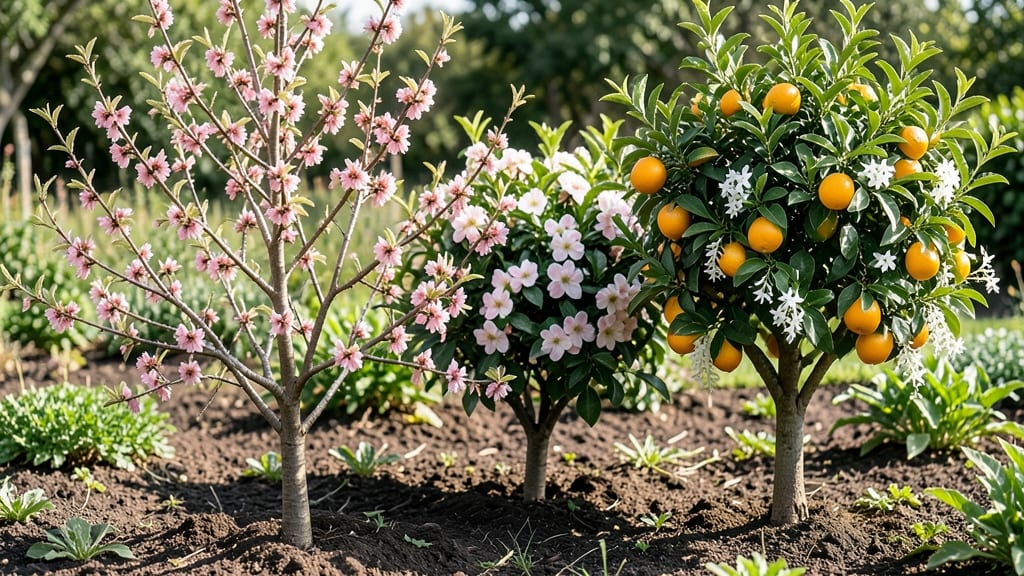
Identifying fruit trees by flowers is easier than you think—just study those spring blossoms, and you’ll spot the subtle clues that reveal whether you’ve got an apple, cherry, or peach tree in your yard. 🌸 I’ve spent years watching them burst into bloom, and the differences in... flower shape, size, and color are like nature’s fingerprint.
A single glance at those delicate clusters can save you from pruning the wrong tree or planting a duplicate variety by accident.
The key is paying attention to details most people overlook: whether the flowers grow in sprays (like apples) or singles (like cherries), their color (pale pink to deep white), and even the scent—some are fragrant enough to perfume the entire yard.
My first mistake was assuming all white blossoms were apple trees, only to realize I’d misidentified a pear tree until the fruit appeared. That’s when I started keeping a bloom journal.
By the time summer rolls around, you’ll spot these same trees heavy with fruit and recognize the pattern instantly. Knowing now means fewer surprises later—like realizing your "apple" tree is actually a crabapple that won’t bear edible fruit.
The payoff? Confident pruning, better pollination planning, and the satisfaction of finally nailing down that mysterious tree in your backyard.
This works year-round if you’re planting new trees—just snap a photo of the flowers next spring and compare it to the decoder. No more guessing games when the blossoms arrive. Let’s get started with the most common varieties and how to tell them apart before they even leaf out.
📚 In This Guide
- What you need
- Instructions
- Tips and common mistakes
- Wrapping up and next steps
What you need
- ● Field Guide or Smartphone App: Download a free app like PictureThis, PlantNet, or iNaturalist (no purchase needed!).
- ● OR Grab a printed guidebook (e.g., National Audubon Society Field Guide to North American Trees).
- ● Magnifying Glass (5x–10x power): Helps examine tiny details like stamen length or petal texture (e.g., blank">Amazon Basics or blank">Onyx International brands).
- ● Notebook & Pen: Sketch flower shapes, note colors, and jot down observations (a waterproof notebook works best for outdoor use).
- ● Ruler or Measuring Tape: Measure petal width, flower cluster size, or leaf spacing (accuracy matters!).
- ● Camera (Smartphone or DSLR): Capture close-ups of flowers, buds, and leaves for later comparison. Pro tip: Use natural light!
- ○ Gloves (Optional but Recommended): Protect your hands from thorns (e.g., nitrile-coated gardening gloves).
- ● Basic Botany Terms: Familiarize yourself with blank">key terms like perfect flowers, inflorescence, and alternate vs. opposite leaves (YouTube videos or quick Google searches help!).
- ● Timing: Visit trees during peak bloom (spring/summer) when flowers are most visible. Early morning is ideal!
- ● Location Knowledge: Note your USDA Hardiness Zone (find yours blank">here)—it narrows down likely fruit trees.
- ● Safety First: Avoid climbing trees or disturbing wildlife. Use a stable ladder if needed.
- ● UV Flashlight: Reveals nectar guides (patterns only visible under UV light) in some flowers.
- ● Pollen Collection Kit: A small brush to collect pollen samples for microscopic analysis (for advanced ID).
- ● Local Horticultural Society: Connect with experts who can verify IDs or share regional insights.
- ● Portable Pruner: Carefully snip a small branch with leaves/flowers (for ID-only; never overharvest!).
Step-by-step Guide to decoding fruit tree flowers
Here's how I break down blossoms to pinpoint tree types with confidence.
🌿 Step 1: Observe the Basic Flower Shape
Start with the overall structure—fruit tree flowers fall into three main shapes. Apple and crabapple blossoms form flat clusters with five rounded petals arranged like a wheel. You'll notice these grow in tight, rounded groups at the branch tips, often with a central column of stamens.
Peach and plum flowers, on the other hand, grow singly or in small pairs with five slightly pointed petals. The petals often appear slightly ruffled at the edges, and you'll see them emerging from the previous year's growth along the branches. Cherries create drooping clusters of small, white or pink flowers that hang like tassels from the branches.
Here's the thing—shape is your first clue, but don't stop there. The way flowers attach to the branch also matters. Apple flowers grow directly from the branch tips, while peach flowers emerge from leaf axils along the stem.
☀️ Step 2: Analyze Petal Color and Arrangement
Color gives you the next layer of clues. Apple blossoms typically appear pure white with a soft pink center, though some varieties like 'Granny Smith' show deeper pink hues. The petals overlap slightly in a spiral pattern, creating a layered look. I always check for this subtle overlap—it's a dead giveaway for apples.
Peach and nectarine flowers often display pink or pale pink petals that sometimes fade to white at the edges. The color intensity varies by variety, but you'll rarely see pure white in peaches. Plums tend toward white or pale pink with a slightly deeper center, while cherries usually show white or pale pink but sometimes have a faint blush.
Don't overlook double flowers—these occur when petals develop extra layers, creating a fuller bloom. While some ornamental trees have double flowers, most fruit trees produce single flowers. If you see double flowers on what appears to be a fruit tree, it might be a grafted ornamental variety rather than a true fruit producer.
🌱 Step 3: Check the Flower's Attachment and Branch Characteristics
Where flowers attach to the branch reveals critical information. Apple and crabapple flowers grow from terminal buds at the very end of branches, creating a dense cluster. This terminal growth pattern is distinctive—you'll see the flower cluster emerging from the same spot where last year's growth ended.
Peach and plum flowers, however, grow from lateral buds along the branch, often appearing between leaves or leaf scars. The branches themselves tend to be more spreading and less upright than apple branches. Cherries show a unique pattern with flowers growing in short, dense clusters from the previous year's wood, often appearing before the leaves fully emerge.
I always run my fingers along the branch to feel where flowers attach. The texture difference between terminal and lateral buds is subtle but noticeable—terminal buds feel like small knobs at the very end of branches, while lateral buds appear along the sides.
⏰ Step 4: Note the Flowering Time and Leaf Development
Timing provides the final piece of the puzzle. Apple trees typically bloom a few weeks after peaches and plums, with flowers appearing as leaves begin to unfurl. The blossoms last about 7-10 days, during which you'll notice the petals gradually fall while new leaves develop.
Peach and nectarine trees bloom earlier in spring, often when there are still no leaves on the tree. Their flowers are more sensitive to late frosts, which is why you'll see them blooming before apple trees in most climates. Plums usually bloom slightly after peaches but before apples, with flowers lasting about 5-7 days.
Here's where it gets interesting: some trees like pears bloom after apples, while others like cherries might bloom before peaches depending on the variety. I always check against a local bloom calendar if I'm unsure—timing can be the tiebreaker when shapes and colors look similar.
Tips & tricks for decoding fruit tree flowers
Between us, these details make all the difference when you're out in the orchard or garden. Let's cut through the confusion with my go-to tricks for nailing fruit tree identification.
Branch Texture Tip: Pay attention to how the branches feel—apple branches are usually more upright with a slightly rough bark, while peach branches tend to be smoother and more spreading. Run your fingers along the branch to feel for terminal buds (those little knobs at the ends) that indicate apples, or lateral buds along the sides for peaches and plums. This tactile check often confirms what your eyes see.
Petal Layering Secret: The subtle spiral overlap in apple petals is the real game-changer. Hold a blossom up to the light—you should see that gentle layering effect that makes them look like tiny wheels. Peach petals, on the other hand, tend to lay flatter. This visual clue alone can help you distinguish between similar-looking blossoms when shapes are ambiguous.
Timing Cross-Referencing: When you're comparing similar trees, timing becomes your best friend. If you're seeing blossoms in early spring with no leaves yet, it's almost certainly peaches or nectarines. Wait until leaves start unfurling before ruling out apples—those blossoms often appear as the leaves begin to show. I keep a small notebook to track when I see different flowers bloom in my area.
Leaf Development Watch: Notice how quickly leaves develop after flowering. Apple trees show leaves emerging almost immediately after petal fall, while peaches and plums often have a longer gap between blossoms and leaf growth. This subtle timing difference can help you confirm your identification when shapes and colors look similar.
Pro Tips for Identifying Fruit Trees By Flowers
- Between us, these details make all the difference when you're out in the orchard or garden.
- Branch Texture Tip: Pay attention to how the branches feel—apple branches are usually more upright with a slightly rough bark, while peach branches tend to be smoother and more spreading.
- Petal Layering Secret: The subtle spiral overlap in apple petals is the real game-changer.
Frequently asked questions
Got questions about spotting fruit trees by their blooms? You’re not alone—here are the answers to the most common curiosities!
How early in the season can I identify fruit trees by their flowers?
Most fruit trees bloom in early spring (March–May in temperate zones), making it the ideal time to ID them. However, some—like peach or cherry—bloom earlier (even February!), while others, such as apricot or fig, may bloom later. Check your local frost dates to avoid missing fleeting blooms!
What if my tree’s flowers don’t match any in your guide?
No match? Start by noting flower shape, color, and scent—then check for leaf or fruit characteristics later. Use a tree ID app (like PictureThis or LeafSnap) or consult a local extension office. Some trees, like persimmon or hawthorn, have unique blooms that might not fit typical fruit-tree profiles.
How long do fruit tree flowers last before fading?
Most fruit tree blooms last 7–14 days, depending on weather. Apple and pear flowers may linger slightly longer, while citrus (like oranges) bloom year-round in warm climates. Pro tip: Cooler temps can extend bloom time, but frost can kill flowers instantly—so keep an eye on forecasts!
Can I identify a fruit tree if it’s not flowering yet?
If no flowers are present, focus on leaf shape, bark texture, or bud patterns. For example:
- Apple: Alternate, serrated leaves with a distinctive “V” shape.
- Peach: Fuzzy silvery undersides on leaves.
- Citrus: Evergreen leaves with a lemony aroma when crushed.
What if my tree has flowers but no fruit?
Several factors could be at play:
- Pollination issues: Some trees (like figs) are self-pollinating, while others (e.g., apples) need a second variety nearby.
- Young age: Trees under 3–5 years may bloom but not bear fruit.
- Environmental stress: Drought, pests, or poor soil can halt fruiting.
Wrapping up and next steps
Mastering the art of identifying fruit trees by flowers turns your garden into a vibrant, edible treasure map! 🌸 By paying attention to bloom shapes, colors, and even fragrances, you’ve unlocked the secrets to predicting delicious harvests—whether it’s the delicate petals of a cherry blossom or the bold clusters of a fig tree.
This skill isn’t just fun; it’s your first step toward nurturing a thriving orchard or simply enjoying nature’s beauty with purpose.
Ready to put your new knowledge to work? Grab a notebook, sketch a few blooms you spot, and start a mini orchard journal. Over time, you’ll recognize patterns, anticipate fruit ripening, and maybe even discover rare varieties in your neighborhood. Happy blooming—and here’s to your future harvests! 🍎🌿