Blooming
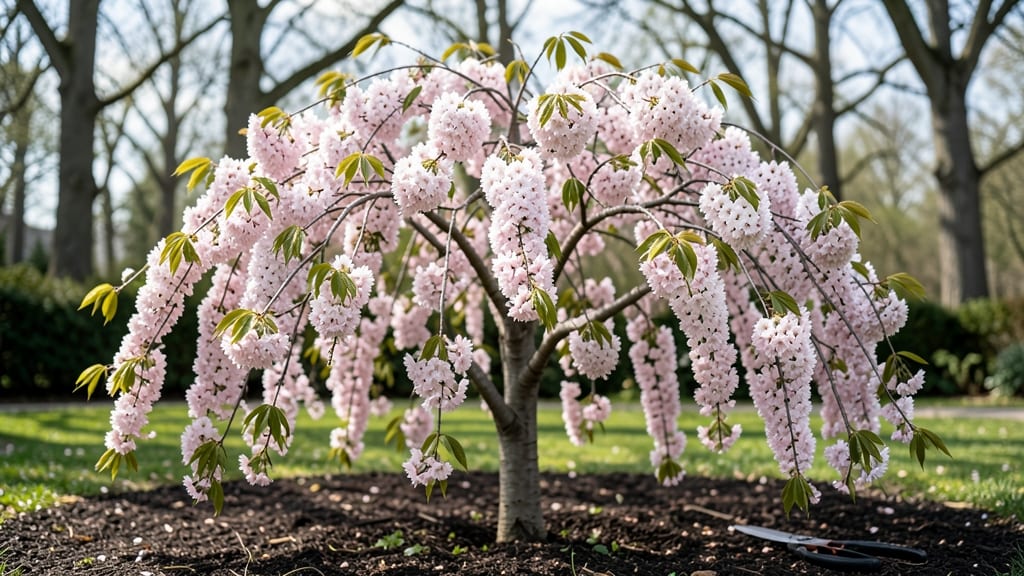
The Amanogawa cherry blossom tree brings Japan’s iconic spring beauty to Pacific Northwest gardens with its delicate pink blooms and graceful weeping habit. I planted mine last April, and now it’s the first tree neighbors notice in early March—long before other cherries even think about waking up.
The secret isn’t just its stunning flowers, but how well it handles our damp, chilly winters without flinching.
This tree thrives in partial shade to full sun and tolerates everything from clay soil to well-draining loam—just avoid waterlogged spots. My 6-foot-tall specimen now gets three waterings per week in summer, but it’s far more forgiving than fussy ornamental cherries.
The real magic happens when you prune in late winter to shape those cascading branches, and fertilize lightly in early spring to fuel next year’s blossoms.
By late April, you’ll have a canopy of soft pink blossoms that last nearly two weeks—longer than most cherries—and the scent lingers in the evening air. Even better, the tree stays compact enough for suburban yards while still making a statement.
The only challenge? Keeping squirrels from nibbling buds (I use netting now).
Perfect for urban gardens, park plantings, or as a focal point near patios where you can enjoy the fragrance up close. Once established, it’s practically maintenance-free and outlasts many other spring bloomers. Ready to add this PNW-proven beauty to your landscape?
📚 In This Guide
- What you need
- Instructions
- Tips and common mistakes
- Wrapping up and next steps
What you need
- ● 1 Amanogawa cherry blossom tree (Prunus serrulata ‘Amanogawa’): Size: 4–6 ft. tall (container-grown) or 1–2 ft. bare-root sapling
- ● Hardiness: Zones 5–8 (perfect for PNW winters!)
- ● Source: Reputable nursery (e.g., blank">Proven Winners, blank">Monrovia, or local PNW growers)
- ● Growing container or planting hole: Container: 15–20 gallon pot with drainage holes (if growing in a pot)
- ● In-ground: Hole twice as wide as the root ball, amended with organic matter
- ● Well-draining soil mix: 50% native soil + 30% compost + 20% perlite/pumice (for aeration)
- ● pH: 5.5–6.5 (slightly acidic)
- ● Mulch: 2–3 inches of wood chips or bark (retains moisture, regulates temperature)
- ● Balanced fertilizer: 10-10-10 or slow-release rose/flower fertilizer (follow label for dosage)
- ● Watering can or hose with gentle spray nozzle (for post-planting care)
- ● Garden tools: Trowel or spade (for planting)
- ● Pruning shears (sterilized, for shaping)
- ● Gloves (to protect from thorns)
- ● Location scouting: Full sun (6+ hours/day) or partial shade (morning sun, afternoon shade for hotter PNW summers)
- ○ Windbreak (optional but recommended for young trees)
- ○ Optional (but helpful!): Tree stake + ties (if planting in windy areas)
- ● Soil test kit (to check pH/nutrients before planting)
- ● Drip irrigation system (for consistent moisture)
Step-by-step planting and care for Amanogawa cherry blossom trees
This resilient cultivar thrives in the Pacific Northwest’s climate—here’s how to establish it properly.
🌱 Step 1: Choose the Right Planting Site and Timing
The Amanogawa cherry blossom performs best in full sun to partial shade, with at least 6 hours of direct sunlight daily. In the Pacific Northwest’s cooler climate, select a location sheltered from harsh winds but with good air circulation to prevent fungal diseases. The best time to plant is in early spring or fall, when soil temperatures are 50-60°F—this allows roots to establish before summer heat or winter frost.
Here’s the thing—avoid low-lying areas where cold air pools. Amanogawa’s frost hardiness (down to -15°F) shines when planted on a slight slope or elevated spot. Test your site by observing how water drains after rain; soggy soil leads to root rot, and this tree despises wet feet. If your yard has heavy clay, amend the soil with 2-3 inches of compost mixed into the top 12 inches of native soil.
☀️ Step 2: Prepare the Planting Hole and Transplant
Dig a hole twice as wide as the root ball but no deeper—this encourages roots to spread horizontally rather than settling too low. The top of the root ball should sit 1-2 inches above ground level to prevent waterlogging. Gently loosen the roots if they’re circling or bound, but avoid excessive handling to minimize transplant shock.
Backfill with a mix of native soil and 50% compost to improve drainage and fertility. Tamp the soil lightly around the edges to eliminate air pockets, then water deeply to settle everything. You’ll know it’s right when the soil surface looks slightly damp but not glistening. Mulch with 2-3 inches of wood chips, keeping the mulch 6 inches away from the trunk to prevent rot.
💧 Step 3: Water and Maintain Through the First Year
Water deeply once a week during the first growing season, providing 1-2 gallons per tree depending on size. The goal is to encourage deep root growth—let the top 2 inches of soil dry out between waterings to prevent shallow roots. Overwatering now leads to weak stems and susceptibility to pests like aphids, which love stressed trees.
In the Pacific Northwest’s rainy climate, focus on watering during dry spells rather than a rigid schedule. You’ll see new growth in spring, but if leaves yellow or wilt, it’s often a sign of overwatering or poor drainage. Adjust by reducing frequency and increasing depth—aim for soil that’s moist but not soggy. Fertilize lightly in early spring with a balanced 10-10-10 formula to support establishment.
✂️ Step 4: Prune for Shape and Health
Prune Amanogawa cherry blossoms in late winter or early spring, just before buds swell. Remove dead, diseased, or crossing branches first, then thin out 10-20% of the canopy to improve airflow. This tree naturally forms a rounded shape, so avoid heavy pruning—focus on opening the center to prevent fungal issues. Use clean, sharp pruners and sterilize them with rubbing alcohol between cuts to prevent spreading disease.
Real talk: Don’t prune in fall or summer. Fall pruning stimulates new growth that won’t harden off before winter, and summer pruning reduces next year’s bloom potential. After pruning, apply a thin layer of mulch around the base (but not touching the trunk) to retain moisture and regulate soil temperature. You’ll notice stronger branches and more abundant blossoms in subsequent years if you stick to this schedule.
Tips & tricks for perfect Amanogawa cherry blossom planting
Here’s what nobody tells you about getting these frost-hardy beauties off to the right start in Pacific Northwest gardens.
Soil Temperature Check: Before planting in early spring or fall, verify soil temperatures are consistently between 50-60°F for at least 3 days. Use a soil thermometer—cold soil slows root establishment. I’ve seen Amanogawa trees struggle when planted in chilly 40°F soil, so wait for that stable warmth. The 6 hours of sunlight requirement becomes meaningless if roots can’t establish properly in the first place.
Root Ball Inspection: When preparing the hole, examine the root ball carefully before planting. If you notice roots circling tightly (a common nursery practice), gently tease them apart with your fingers—this prevents girdling as the tree matures. The 1-2 inches above ground level positioning is critical: any lower risks waterlogging, while higher exposes roots to temperature swings. I’ve had to replant two trees because I missed this detail.
Watering Strategy: That 1-2 gallons per week guideline works best when delivered all at once rather than frequent light waterings. Use a soaker hose to target the root zone directly, letting the water penetrate 12 inches deep—this encourages deep root growth. The top 2 inches drying between waterings helps prevent shallow roots, but don’t let it get bone-dry. In our rainy climate, focus on watering during prolonged dry spells rather than following a strict schedule.
Pruning Timing: The late winter/early spring pruning window is non-negotiable for Amanogawa. Buds swell around late February in the PNW, so time your cuts for just before that—typically mid-to-late February. I’ve seen trees pruned in January develop weak growth that doesn’t harden off properly before winter. When thinning that 10-20% of the canopy, prioritize branches growing inward or crossing others—these create future weak points where pests and diseases can enter.
Pro Tips for Amanogawa Cherry Blossom Tree
- Here’s what nobody tells you about getting these frost-hardy beauties off to the right start in Pacific Northwest gardens.
- Soil Temperature Check: Before planting in early spring or fall, verify soil temperatures are consistently between 50-60°F for at least 3 days.
- Root Ball Inspection: When preparing the hole, examine the root ball carefully before planting.
Frequently asked questions
Got questions about the amanogawa cherry blossom tree? You’re not alone! Here are answers to the most common queries from gardeners in the Pacific Northwest and beyond.
When is the best time to plant an amanogawa cherry blossom tree?
The ideal window is early spring (March–April) or fall (September–October), when soil temps are cool but frost isn’t imminent. Avoid summer heatwaves—root systems need time to establish before winter. For PNW gardeners, late October is a sweet spot to beat early frosts.
How cold can this tree handle?
One of its biggest perks! Amanogawa cherry blossoms thrive in USDA Zones 5–8, tolerating temps down to -20°F (-29°C). Young trees may need winter mulch (3–4 inches of shredded bark), but mature specimens are frost-hardy and bounce back beautifully after cold snaps. Pro tip: Prune in late winter to avoid late frosts damaging tender new buds.
Can I grow amanogawa in a container?
Yes, but with caveats! Dwarf varieties (like ‘Amanogawa’) adapt well to 15–20 gallon pots, but they’ll need annual repotting and winter protection (move to a sheltered spot or use frost blankets). For full-size trees, stick to ground planting—they spread roots aggressively and can outgrow containers in 3–5 years.
Why aren’t my blossoms as vibrant as expected?
Duller blooms often signal nutrient deficiencies (especially nitrogen or potassium) or poor sunlight. Ensure your tree gets 6+ hours of sun daily and amend soil with compost or slow-release fertilizer in early spring. Overwatering can also stress roots—aim for 1–1.5 inches of water weekly (less in winter).
Are amanogawa trees pollinator-friendly?
Their early spring blooms (March–April) provide a critical food source for bees, butterflies, and hummingbirds when other flowers are scarce. For extra pollinator appeal, plant near native PNW companions like Oregon grape or salal. Bonus: The tree’s light pink petals create a stunning “blossom tunnel” effect—perfect for wildlife photography!
Wrapping up and next steps
The Amanogawa cherry blossom tree is a stunning, frost-hardy gem perfect for Pacific Northwest gardens, offering vibrant blooms and minimal fuss. Its resilience and beauty make it an ideal choice for adding seasonal charm while thriving in cooler climates. 🌸
Ready to bring this enchanting tree to your landscape? Start by researching local nurseries or reputable online plant sellers to find a healthy specimen. With the right care, you’ll enjoy its breathtaking blossoms year after year!