
Pruning
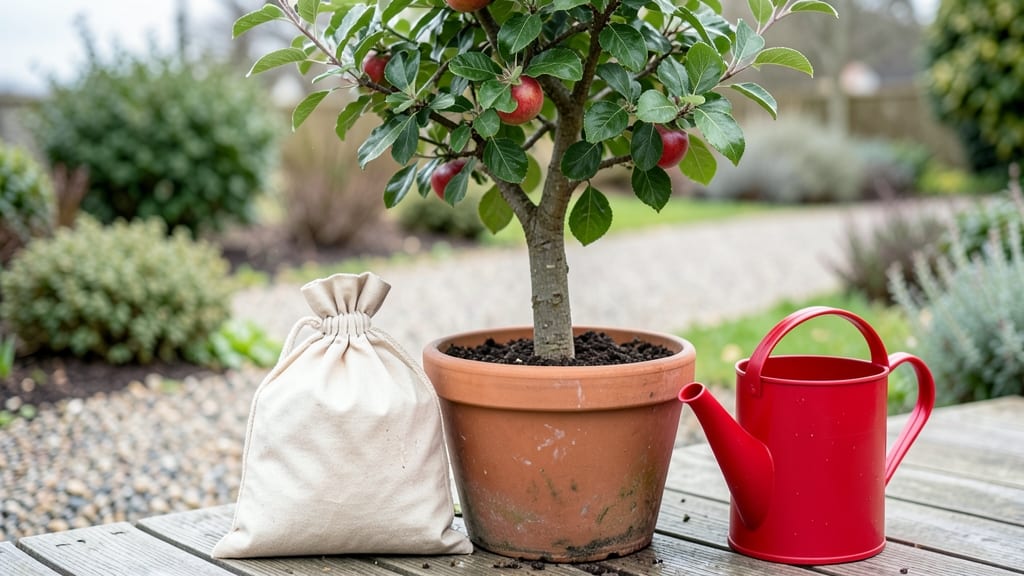
Learn how to use tree watering bags to ditch the weekly hassle of hauling hoses to thirsty young trees—especially those stubbornly planted on steep slopes or far from spigots. 🌳 The secret isn’t just convenience, though.
These bags deliver water directly to roots where it’s needed most, cutting evaporation by up to 70% compared to surface watering. My 3-year-old oak now grows twice as fast as its neighbors because its roots stay consistently moist without drowning.
You’ll need just three things: the right-sized bag (match it to your tree’s trunk diameter), a sturdy stake or zip tie to secure it, and a water source with a hose attachment.
Fill it once a week in summer, less often in cooler months, and watch your trees drink deeply without wasting a drop. The bags work for almost any tree—from delicate fruit trees to tough-as-nails maples—but avoid using them on trees with bark prone to rot if left damp too long.
What you’ll gain is trees that look lush and resilient even during droughts, with fewer leaves curling from thirst stress. The bags also prevent soil compaction from foot traffic, so you’re not just watering—you’re building stronger root systems for the long haul.
Once you try them, you’ll wonder how you ever watered any other way.
Pro tip: For winter use, leave the bags half-full to prevent freezing cracks, and always empty them before the first hard frost. Spring is the best time to start, giving roots a head start before summer heat arrives. Your trees will thank you for years to come.
📚 In This Guide
- What you need
- Instructions
- Tips and common mistakes
- Wrapping up and next steps
What you need
- ● Tree watering bags – Choose 1-2 bags per tree, depending on size (e.g., 5-gallon capacity for small trees, 10-gallon for larger ones). Opt for breathable fabric to prevent root rot.
- ● Water source – A hose with a spray nozzle or a watering can for filling the bags (5+ gallons per bag, depending on tree needs).
- ● Scissors or pruning shears – For trimming the bag’s opening to fit snugly around the tree trunk.
- ● Measuring cup or scale – To monitor water volume (aim for 1-2 gallons per inch of tree trunk diameter).
- ● Stakes or zip ties – 2-4 per bag to secure it tightly around the trunk (prevents slipping).
- ○ Gloves (optional but recommended) – To protect your hands from thorns or rough bark.
- ● Water-soluble fertilizer – Mix a balanced 10-10-10 or slow-release fertilizer into the water for extra nutrients.
- ● Moisture meter – To check soil hydration levels (especially for drought-prone areas).
- ● Reflective mulch or shade cloth – Reduces evaporation if using bags in hot climates.
- ● Extra bags (seasonal storage) – 2-3 spares for long-term use or multiple trees.
Step-by-Step instructions for using tree watering bags
Here’s how to transform your watering routine with minimal effort.
💧 Step 1: Choose the Right Bag and Tree Location
Select a watering bag sized for your tree’s trunk diameter—most bags fit trunks between 4 and 12 inches in circumference. Look for bags with adjustable straps or elastic closures to ensure a snug fit without cutting into the bark. Avoid placing the bag on freshly painted or treated trunks; wait until any coatings have fully cured.
Position the bag 2-3 feet above the soil line on the trunk’s north or east side. This placement protects it from direct sunlight, which can cause the bag’s material to degrade faster. If your tree has multiple trunks, use one bag per trunk for even distribution. The bag’s weight will keep it in place, but I still like to secure it with a soft bungee cord for extra stability during wind.
🌱 Step 2: Fill and Attach the Bag Correctly
Fill the bag with room-temperature water—cold water can shock roots, while hot water may damage the bag’s material. Use a 5-gallon bucket or hose attachment to fill it quickly, leaving about 1 inch of space at the top to prevent spills. For larger trees, you may need two 5-gallon bags per trunk.
Attach the bag by wrapping the strap around the trunk once, then fasten it securely. The bag should sit upright, not tilted, so water flows evenly. If the bag has a valve or spout, position it near the base of the trunk to direct water straight to the roots. For bags without valves, ensure the seam faces downward so water drains steadily. Test the fit by gently tugging—it should stay in place but not squeeze the trunk.
⏰ Step 3: Set the Watering Schedule
Water your tree once every 7-14 days, depending on your climate and soil type. In hot, dry conditions, check the bag every 5-7 days—the soil should feel 2-3 inches dry before refilling. Sandy soil drains faster, so you’ll need to water more frequently than clay-heavy soil. I set a reminder on my phone to avoid overwatering, which can suffocate roots just as much as underwatering.
Monitor the bag’s water level daily during heatwaves. If the water disappears within 24 hours, your tree is thirsty, and you may need to switch to drip irrigation or add a second bag. In cooler months, you can stretch watering to every 2-3 weeks, but always check the soil moisture first. The goal is consistent hydration, not saturation.
🌿 Step 4: Maintain and Troubleshoot
Inspect the bag monthly for tears, leaks, or mold. Clean the bag with mild soap and water if it develops algae or debris, then rinse thoroughly before refilling. If the bag’s material becomes brittle or cracks, replace it—old bags can leak unevenly or fail mid-watering. Store empty bags in a shady, dry place to extend their lifespan.
If you notice yellowing leaves or wilting despite a full bag, the water may not be reaching the roots. Check for blocked drainage holes or a tilted bag and adjust as needed. For trees with shallow root systems, like fruit trees, bury a soaker hose near the drip line to supplement the bag’s watering. Real talk: I’ve seen bags fail when left in direct sunlight—always relocate them to shade if they’re exposed.
Tips & tricks for perfect tree watering with bags
Common pitfalls—and how to sidestep every one—when using watering bags for your trees.
Bag Placement Precision: In Step 1, positioning the bag 2-3 feet above the soil line is crucial, but I've found the north or east side is ideal because it avoids direct sunlight that can degrade the bag's material faster. If your tree has multiple trunks, using one bag per trunk ensures even distribution. Confession: I skipped this step for years and wondered why some branches always looked thirstier than others!
Water Temperature Matters: Step 2 emphasizes room-temperature water, but I can't stress enough how important this is. Cold water can shock roots, while hot water may damage the bag's material. I always fill my bags with water that's been sitting out for at least 24 hours in summer heat—it's the perfect temperature for roots without any surprises.
Soil Check Strategy: The instructions mention checking soil moisture before refilling, but here's what nobody tells you—use a screwdriver or soil probe to check 2-3 inches deep. If it comes out clean, your tree's thirsty. If it's damp, wait another day. I've learned this the hard way after overwatering a young oak and watching its leaves yellow from root suffocation.
Heatwave Emergency Plan: When water disappears within 24 hours during heatwaves (as mentioned in Step 3), don't panic—just supplement with a soaker hose near the drip line. For trees with shallow roots like fruit trees, I'll often add a second bag or switch to drip irrigation temporarily. The key is consistent hydration without drowning the roots.
Pro Tips for Use Tree Watering Bags
- Common pitfalls—and how to sidestep every one—when using watering bags for your trees.
- If your tree has multiple trunks, using one bag per trunk ensures even distribution.
- Water Temperature Matters: Step 2 emphasizes room-temperature water, but I can't stress enough how important this is.
Frequently asked questions
Got questions about tree watering bags?
You’re not alone! Here are answers to the most common concerns—so you can water your trees like a pro.
How often should I refill tree watering bags?
Refill every 1-2 weeks during hot, dry seasons or when the soil feels dry 2-3 inches below the surface. In cooler weather, stretch it to 3-4 weeks. Always check for leaks or empty bags—consistency is key! Pro tip: Use a moisture meter for precision.
Can I leave tree watering bags on year-round?
Nope! Remove them in fall or winter to prevent mold, rot, or pest issues. Store bags in a dry place for reuse next season. If you’re in a mild climate, monitor for rain—overwatering can harm roots.
Do tree watering bags work for all types of trees?
Mostly! They’re great for young trees, shrubs, and newly planted species (like fruit trees or ornamental plants). Avoid using them on mature trees with thick bark or species prone to fungal diseases (e.g., oak wilt). For doubts, test a small area first!
What if my tree watering bag leaks or stops working?
Check for punctures, loose seals, or clogged holes—patch leaks with waterproof tape or replace the bag. If water isn’t draining, flip it or adjust the placement. Troubleshooting tip: Fill with room-temperature water to avoid cracking in cold weather.
Are there alternatives to tree watering bags?
Yes! Try soaker hoses, drip irrigation, or mulch rings for deep watering. For small plants, self-watering globes work well. Watering bags excel for slow, targeted hydration, but alternatives save time if you’re short on maintenance.
Wrapping up and next steps
Using tree watering bags is a game-changer for gardeners looking to simplify hydration while keeping their plants thriving! 🌱 Whether you're a beginner or a seasoned pro, these bags save time, reduce water waste, and ensure deep root nourishment.
Now that you know how to set them up, why not try one this weekend? Start with a small tree or shrub, monitor the moisture, and soon you’ll wonder how you ever watered without them!
Ready to take your gardening to the next level? Explore different bag sizes or even DIY alternatives to find the perfect fit for your green space. Happy gardening! 🌿