
Propagation
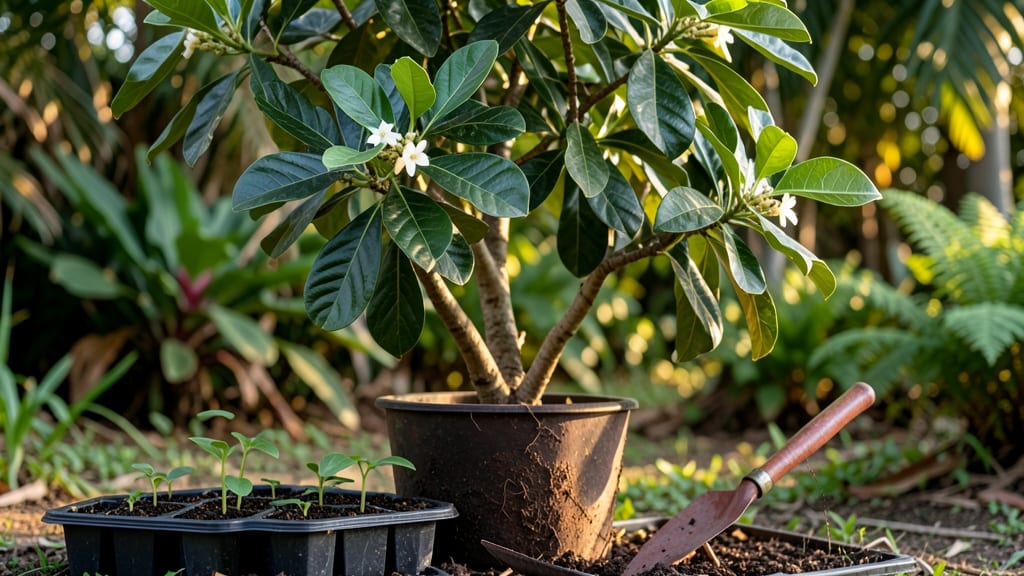
Planting guava trees from seeds unlocks fast growth and tropical vibrancy in your yard—if you know the right tricks. 🌱 I’ve grown guavas from seed for years, and the secret to quick sprouting lies in prepping the seeds properly before they even hit soil.
Skipping this step means waiting months for germination, but with the right soak and warmth, you’ll see those first leaves in just 2-4 weeks instead of the usual 6-8.
The process starts with fresh seeds from ripe fruit—no need for fancy tools, just warm water, a damp paper towel, and a sunny windowsill.
You’ll need a small pot with well-draining soil, a spray bottle for gentle watering, and patience for the first few weeks as the tiny root begins its journey. The biggest mistake? Overwatering or planting too deep—guava seeds need barely any soil cover to sprout.
By the time you’re pinching off the first true leaves, you’ll have a thriving seedling ready to transplant. These young trees grow surprisingly fast once established, and with the right care, you could be harvesting sweet fruit in 3-5 years—far sooner than store-bought saplings.
The key is keeping the soil moist but not soggy and providing bright, indirect light from the start.
Works in warm climates year-round, but if you’re in cooler zones, start seeds indoors 6-8 weeks before the last frost. The same method applies whether you’re growing in pots or direct-sowing—just adjust the timing. Here’s how to get those seeds sprouting without the usual wait.
📚 In This Guide
- What you need
- Instructions
- Tips and common mistakes
- Wrapping up and next steps
What you need
- ● Guava seeds: 5–10 fresh, plump seeds (harvested from ripe guava fruit). Pro tip: 💡 Store seeds in a paper towel in the fridge for up to 2 weeks if not planting immediately.
- ○ Small pots or seed trays: 3–4 (4–6 inches deep) with drainage holes. Optional: Biodegradable pots for easy transplanting later!
- ● Well-draining potting mix: 2–3 bags (sterilized, seed-starting mix or a blend of coconut coir + perlite + compost).
- ● Spray bottle: 1 (for gentle watering).
- ● Plastic wrap or humidity dome: 1 (to retain moisture).
- ○ Heat mat (optional but helpful): 1 (70–80°F range) to speed up germination.
- ● Grow lights or sunny windowsill: Access to 6+ hours of indirect light daily.
- ● Fertilizer (after germination): Balanced liquid fertilizer (e.g., 10-10-10) or organic options like fish emulsion.
- ● Climate: Guava thrives in warm climates (USDA Zones 9–11). If you’re in a cooler zone, start seeds indoors 8–10 weeks before the last frost.
- ● Space: A sunny spot (outdoors or indoors) with room for the tree to grow 20–40 feet tall.
- ● Patience: Germination can take 2–4 weeks—sometimes longer! Stay consistent with care.
Step-by-step instructions for growing guava trees from seeds
Here's how to get those first sprouts in just a few weeks.
🌱 Step 1: Select and Prepare the Seeds
Start with fresh guava seeds—older seeds lose vigor and take much longer to sprout. Cut open a ripe guava and remove the flat, brown seeds from the center. Rinse them thoroughly under cool water to remove any remaining fruit pulp, which can mold.
Here's the thing—guava seeds have a hard outer shell that slows germination. To speed things up, I soak them in warm water for 12-24 hours before planting. Place the seeds in a small bowl of water, ensuring they're fully submerged. You'll know they're ready when the outer coating softens noticeably and tiny white roots begin to appear.
💧 Step 2: Plant the Seeds in Moisture-Retentive Medium
Fill a small container—like a 4-inch plastic pot—with a mix of 50% coconut coir and 50% perlite. This combination holds moisture while allowing airflow to prevent rot. Moisten the mix until it's damp but not soggy; squeeze a handful to check—it should hold together without dripping.
Plant the soaked seeds about ½ inch deep, spacing them 1 inch apart in the pot. I use a pencil to make small holes for each seed, then gently press them in. Cover lightly with more of the moist mix—just enough to hide the seeds completely. Don't pack the soil down; guava seedlings need loose, airy conditions to grow strong.
☀️ Step 3: Provide Warmth and Indirect Light
Guava seeds germinate fastest in warmth, ideally between 75-85°F. Place the pot in a warm spot, like on top of a refrigerator or near a sunny window (but not in direct sunlight yet). I cover the container with a clear plastic bag to trap humidity—this keeps the soil consistently moist and speeds up germination.
Check the soil daily and mist lightly if it feels dry to the touch. You'll see the first sprouts in 7-14 days, depending on how fresh the seeds were. Once the seedlings emerge, remove the plastic bag immediately to prevent mold. Move the pot to a bright, indirect light spot—like a south-facing window—where it gets 4-6 hours of gentle sunlight daily.
🌿 Step 4: Transplant Seedlings When Strong Enough
When the seedlings reach 3-4 inches tall and have 2-3 sets of true leaves, it's time to transplant them into individual 6-inch pots. Use the same coconut coir-perlite mix to fill the pots, making sure each seedling gets enough space to grow without crowding.
Gently remove the seedlings from the original container, being careful not to damage the roots. Plant them at the same depth they were growing before, and water lightly to settle the soil. Here's the moment that matters: After transplanting, place the pots in bright, indirect light for a week to help them adjust. Gradually introduce more sunlight over the next few days.
⏰ Step 5: Harden Off and Prepare for Outdoor Planting
Once the seedlings are 6-8 inches tall and have 4-5 sets of leaves, they're ready for hardening off. Start by placing them outside in a shaded, sheltered spot for 1-2 hours the first day. Over the next 7-10 days, gradually increase their outdoor time, eventually leaving them out for the full day.
Guava trees thrive in full sun, so choose a location with 6+ hours of direct sunlight and well-draining soil. Plant them in spring or early summer, after the last frost date in your area. Water deeply after planting to help the roots establish, and mulch around the base to retain moisture and regulate soil temperature.
Tips & tricks for fast guava tree germination
Here's what I learned after watching my first batch of guava seeds take twice as long to sprout.
Seed Selection: Don't just grab any guava from the store—pick one that's completely ripe and slightly soft to the touch. The seeds from store-bought guavas often take longer to germinate because they're picked before full ripeness. I always check for a deep purple color and a sweet aroma when selecting fruit for seeds.
Soaking Strategy: The 12-24 hour soaking period is your fastest way to break through that tough outer shell. I've found that using warm (not hot) water and changing it halfway through helps prevent bacterial growth. You'll know it's working when you see tiny white root hairs appear—this is your signal to plant immediately!
Container Choice: While the instructions mention a 4-inch plastic pot, I've had great success with clear plastic takeout containers with drainage holes punched in the bottom. They allow you to monitor root development and provide excellent airflow. Just make sure whatever container you choose has drainage—guava seeds rot quickly in soggy conditions.
Light Transition: The move from plastic bag to bright indirect light at the 7-14 day mark is critical. I've seen seedlings collapse if moved too quickly to direct sunlight. Start with a south-facing window and gradually move to a spot with 4-6 hours of gentle sunlight over 3-4 days. This acclimation period prevents shock and encourages stronger stems.
Pro Tips for Plant Guava Tree From Seeds
- Here's what I learned after watching my first batch of guava seeds take twice as long to sprout.
- Seed Selection: Don't just grab any guava from the store—pick one that's completely ripe and slightly soft to the touch.
- Soaking Strategy: The 12-24 hour soaking period is your fastest way to break through that tough outer shell.
Frequently asked questions
Got questions about growing guava trees from seeds? You’re not alone! Here are some of the most common concerns—and straightforward answers—to help you succeed.
How long does it take for guava seeds to germinate?
Guava seeds typically sprout in 2 to 4 weeks under ideal conditions (warmth, moisture, and indirect light). Some may take up to 6 weeks—patience is key! Pre-soaking seeds for 24 hours can speed this up. If nothing sprouts after 8 weeks, try fresh seeds or adjust your soil moisture.
What’s the best temperature for germinating guava seeds?
Guava seeds thrive in warmth (70–90°F or 21–32°C). Use a seedling heat mat or place them near a sunny window. Avoid cold drafts or freezing temps—they’ll stall germination. If your home is chilly, a clear plastic bag over the pot traps heat and humidity for faster sprouts!
Can I plant guava seeds directly in the ground?
While possible, start indoors first for better control. Young guava seedlings are fragile and need protection from pests, frost, and harsh sun. Once they’re 6–12 inches tall and hardened off (acclimated to outdoor conditions), transplant them to a permanent spot in well-draining soil with full sun.
Why aren’t my guava seeds sprouting? Troubleshooting tips
Check these common issues:
- Damp soil: Overwatering can rot seeds. Let the top inch dry between waterings.
- Low light: Seeds need indirect sunlight (or a grow light) to sprout.
- Old seeds: Guava seeds lose viability after 1–2 months. Use fresh ones!
- Hard seed coat: Scratch the seed lightly with sandpaper to help water penetrate.
Will a guava tree grown from seed produce fruit?
Yes! However, seed-grown trees may take 3–5 years to bear fruit (vs. 1–2 years for grafted trees). For faster results, consider grafting later or buy a young nursery tree. Even if slower, seed-grown guavas are hardy and often more disease-resistant.
Wrapping up and next steps
Growing a guava tree from seeds is a rewarding journey—one that starts with patience and ends with a thriving tropical treasure! 🌱 By following these steps, you’ve unlocked the secrets to faster germination and a healthier plant.
Whether you’re a beginner or a green-thumb enthusiast, your effort will soon be rewarded with fragrant flowers and sweet, juicy fruit.
Now that you’re ready to plant, take the next step: monitor your seedlings closely, provide consistent care, and watch your guava tree flourish. Happy growing—your future harvest awaits! 🌟