
Size
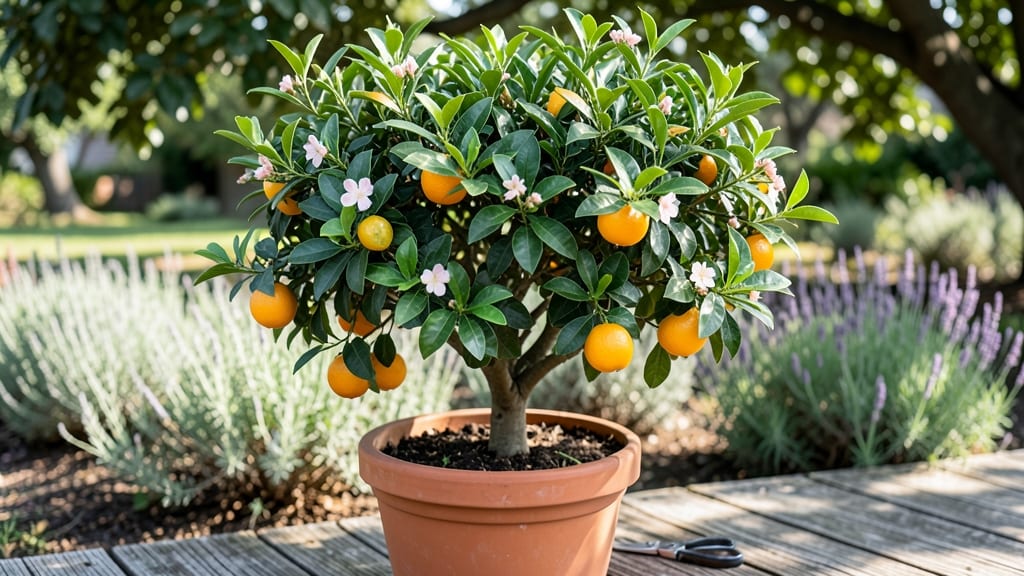
Growing satsuma trees in containers lets you enjoy homegrown citrus even in colder climates—no greenhouse needed. 🌱 I’ve grown these sweet, seedless oranges in pots for years, and they’ve become my go-to for winter sunshine and summer shade.
The key? Choosing the right variety, protecting them from frost, and keeping them happy in containers.
Satsumas thrive in well-draining soil and need 6+ hours of sunlight daily, but they’re more frost-tolerant than other citrus. Young trees start small in 5-gallon pots, while mature ones need 15-gallon containers or larger.
A south-facing spot near a wall helps trap heat, and a lightweight pot makes moving them indoors easy when temperatures drop below 20°F.
You’ll harvest sweet, juicy fruit in late fall or winter—no waiting months like with other citrus. The first year focuses on root growth, so prune lightly to encourage a strong structure.
By year two, you’ll see blossoms, and by year three, buckets of fruit that taste like sunshine. The best part? No pesticides needed when grown right.
Whether you’re in Zone 7 or cooler, container growing works—just bring them inside before frost hits. My trees now produce more fruit than I can eat, and I’ve even gifted baskets to neighbors. Ready to grow your own? Let’s get started with the right setup.
📚 In This Guide
- What you need
- Instructions
- Tips and common mistakes
- Wrapping up and next steps
What you need
- ● Satsuma tree: Choose a Citrus unshiu variety (dwarf or semi-dwarf is ideal for containers). Buy a 1–3 gallon potted sapling from a nursery.
- ● Container: A 5–15 gallon pot with drainage holes (diameter depends on tree size; larger = more stability). Use fabric grow bags or plastic/terracotta pots.
- ● Well-draining potting mix: A blend of 50% citrus-specific soil, 30% perlite/pumice, and 20% compost. Avoid garden soil—it compacts and holds too much moisture.
- ● Fertilizer: Balanced citrus fertilizer (6-6-6 or 8-3-9) for initial growth.
- ● Slow-release citrus fertilizer (e.g., Osmocote) for long-term feeding (apply every 3–6 months).
- ● Mulch: 2–3 inches of pine bark fines or straw to retain moisture and regulate soil temp.
- ● Watering can or hose with gentle spray nozzle: Satsumas hate soggy roots—water deeply but infrequently.
- ● Gloves & pruning shears: For trimming dead branches or shaping the tree (sterilize shears with rubbing alcohol).
- ● pH test kit: Satsumas thrive in soil pH 6.0–7.0. Adjust with lime (to raise pH) or sulfur (to lower) if needed.
- ● Citrus food (micronutrients): Add iron chelate or magnesium sulfate (Epsom salt) if leaves yellow between veins.
- ● Shade cloth (30–50% coverage): Protect young trees from harsh afternoon sun in hot climates.
- ● Frost protection: Burlap wraps or frost blankets for temps below 25°F.
- ● String lights or space heater (safely placed!) for extreme cold snaps.
- ● Support stake: Use a 3–4 ft bamboo stake and soft ties for young trees in windy areas.
Step-by-step guide to growing satsuma trees in containers
Here's the foolproof method I use to grow these cold-hardy citrus trees year after year.
🪴 Step 1: Choose the Right Container and Soil Mix
Start with a 5-gallon container (minimum) with drainage holes—satsumas hate soggy roots. I use well-draining citrus potting mix (not garden soil) blended with 20% perlite to prevent compaction. The mix should feel light and airy, like a damp sponge that crumbles easily when squeezed.
Place a 3-inch layer of gravel or expanded clay pebbles at the bottom for extra drainage. This prevents root rot, which is the #1 killer of container citrus. Fill the pot to 1 inch below the rim with your prepared mix, leaving room for watering and root growth.
🌱 Step 2: Plant Your Satsuma and Establish Proper Watering
Remove the young satsuma from its nursery pot and loosen the roots gently if they're circling. Place it in the center of your container, ensuring the root flare (where roots meet trunk) sits just above soil level. This prevents stem rot from buried bark.
Water deeply until water flows freely from the drainage holes, then let it drain completely. Satsumas need consistent moisture but despise wet feet. After planting, water when the top 1-2 inches of soil feel dry—stick your finger in to check. Overwatering in winter is especially deadly.
☀️ Step 3: Position for Sunlight and Temperature Control
Satsumas crave full sun (6-8 hours daily) but need protection from intense afternoon heat in summer. I place mine on a patio with morning sun and afternoon shade—a sheer curtain works well. In winter, move them to an unheated garage or bright indoor spot where temps stay above 40°F.
If you live in Zone 7 or colder, bring containers indoors before first frost or wrap the pot in bubble wrap for extra insulation. The key is preventing sudden temperature swings—satsumas handle cold better than heat stress.
✂️ Step 4: Prune and Fertilize for Healthy Growth
Prune in late winter to remove dead, crossing, or inward-growing branches. I cut just above an outward-facing bud to encourage an open canopy. Avoid heavy pruning—satsumas fruit on older wood, and aggressive cuts reduce next year's harvest.
Feed with a balanced citrus fertilizer every 4-6 weeks during growing season (spring-fall). Use half-strength solution the first year to avoid burning tender roots. Yellowing leaves often signal over-fertilizing—flush the soil with water if this happens.
🍊 Step 5: Harvest and Overwinter for Next Year
Satsumas ripen in fall/winter (November-January). Pick when the fruit is deep orange, slightly soft to gentle squeeze, and pulls away from the branch easily. Store at 50-60°F for up to 2 weeks—they won't ripen further off the tree.
Before winter, reduce watering and stop fertilizing 6 weeks before first frost. Wrap the pot in insulating foam and place in a cool, dark spot (50-60°F). Check soil monthly—it should stay barely moist during dormancy. With proper care, your tree will reward you with years of sweet, seedless fruit.
Tips & tricks for perfect satsuma tree growth in containers
These practical insights will help you avoid common pitfalls and maximize your satsuma tree's potential, whether you're a first-time grower or looking to refine your technique.
Container Upgrade Strategy: While the instructions specify a 5-gallon container as the minimum, I've found that upgrading to a 7-10 gallon pot after 2-3 years gives your tree more root space and results in significantly larger fruit yields. The extra room also helps stabilize the tree during windy conditions, preventing root damage. Just be sure to use the same well-draining mix and maintain the 1-inch gap from the rim for proper watering.
Soil Mix Pro Tip: For that perfect airy texture in your citrus potting mix, I recommend using a 50/50 blend of citrus mix and perlite (instead of just 20% perlite). This creates better aeration while maintaining moisture retention. If you're using garden soil, even the best amendments won't prevent compaction—the roots need that sponge-like quality to thrive. Test your mix by squeezing a handful: it should crumble easily without sticking together.
Root Flare Visibility Check: When planting, make sure the root flare is clearly visible above the soil line. If you bury it too deeply, you risk stem rot—a silent killer that can take down your tree in weeks. After planting, gently press the soil around the base but don't mound it up. A simple trick: draw a pencil line around the flare before planting, then check it's still visible after you're done.
Winter Care Extension: The 6-week pre-frost fertilizer cutoff is crucial, but I've learned that extending this to 8 weeks in colder climates (Zone 7 and below) gives your tree extra time to harden off. Also, consider adding a layer of straw mulch around the pot's base—this helps regulate soil temperature and prevents moisture loss during dormancy. Just remember to remove it in spring before new growth begins.
Pro Tips for Grow Satsuma Trees
- These practical insights will help you avoid common pitfalls and maximize your satsuma tree's potential, whether you're a first-time grower or looking to refine your technique.
- The extra room also helps stabilize the tree during windy conditions, preventing root damage.
- Soil Mix Pro Tip: For that perfect airy texture in your citrus potting mix, I recommend using a 50/50 blend of citrus mix and perlite (instead of just 20% perlite).
Frequently asked questions
Got questions about growing satsuma trees? You’re not alone! Here are answers to the most common concerns—from frost worries to container care—so you can grow these sweet citrus gems with confidence.
Can satsuma trees grow in containers, and how big do they need to be?
Satsumas thrive in containers, making them perfect for patios or small yards. Aim for a 15- to 20-gallon pot for mature trees, with drainage holes to prevent root rot. Use a well-draining citrus mix (like 60% potting soil, 20% perlite, and 20% compost) and repot every 2–3 years as the tree grows. Pro tip: Larger pots = more stability and fruit production!
How cold can satsuma trees tolerate, and how do I protect them from frost?
Satsumas are hardy to about 15–20°F, but prolonged cold or frost can damage leaves and fruit. To protect them:
- Move containers to a garage or sheltered spot before temps drop.
- Wrap the pot in bubble wrap or frost cloth for insulation.
- Use a string light or space heater (safely!) to add warmth on freezing nights.
When do satsuma trees bear fruit, and how long does it take?
Patience is key! Satsumas typically take 3–5 years to bear fruit from seed, but grafted trees (available at nurseries) can produce fruit in 1–2 years. Once mature, they yield harvests in late fall to winter (November–January), with each tree producing 50–100 pounds of fruit annually in ideal conditions. Fun fact: They’re seedless and easy to peel—perfect for snacking!
What pests or diseases should I watch for, and how do I treat them?
Satsumas are generally low-maintenance, but keep an eye out for:
- Aphids or scale insects: Spray with neem oil or insecticidal soap.
- Root rot: Avoid overwatering and ensure pots have drainage.
- Citrus leaf miner: Remove infested leaves and use row covers early in the season.
Can I grow satsuma trees from seed, or should I buy a grafted tree?
You can grow satsumas from seed, but the fruit may not match the parent tree’s quality (size, sweetness, or seedlessness). For reliable results, opt for a grafted satsuma tree from a nursery—these produce consistent, high-quality fruit faster. Seed-grown trees are fun for experimentation but require more patience for edible harvests. Bonus: Grafted trees often bloom earlier!
Wrapping up and next steps
Growing satsuma trees is a rewarding journey that brings sweet, frost-resistant citrus to your doorstep—even in containers! With the right soil, sunlight, and care, these trees thrive and produce delicious fruit year after year.
Whether you're a beginner or a seasoned gardener, your patience and effort will soon be rewarded with juicy, seedless satsumas.
🌱 Ready to take the next step? Start by planting your satsuma tree this season and watch it grow into a vibrant, fruit-bearing centerpiece for your garden or patio. Happy growing! 🍊✨