
Propagation
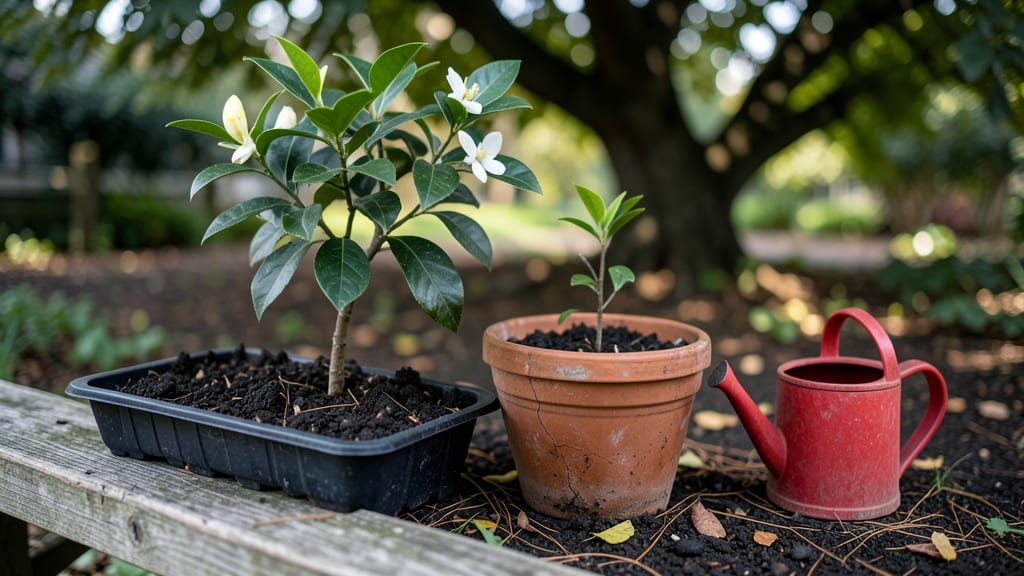
Growing an orange tree from seed is simpler than you think—no fancy nursery skills required. 🌱 I’ve started three from grocery store seeds, and the first sweet-smelling blossoms still make me grin.
The key is patience (and a sunny spot), but the payoff is worth every week of waiting for that first tiny fruit.
You’ll need just three things: a ripe orange, a pot with drainage, and a warm windowsill or outdoor patch. The seed must be fresh (less than a month old) for best germination, and you’ll want a well-draining mix of potting soil and perlite.
Most seeds sprout within 2-4 weeks, but some take months—don’t give up!
By year three, you’ll see real leaves and maybe even a single blossom. Outdoor trees in warm climates (zones 9-11) can fruit in 5-7 years, while indoor trees stay ornamental but reward you with fragrant blooms.
The real magic? Watching a seedling you nurtured grow into something that feeds you.
Here’s where it gets interesting—indoor trees need extra light in winter, while outdoor ones need winter protection. Confession: I’ve killed a few along the way, but each one taught me something. Let’s make yours thrive from the start.
📚 In This Guide
- What you need
- Instructions
- Tips and common mistakes
- Wrapping up and next steps
What you need
- ● Orange seeds: 2–4 fresh, plump seeds (remove from a ripe, organic orange—avoid seedless varieties!)
- ● Small pots (3–4 inches wide): 2–3 biodegradable or plastic pots with drainage holes (or a seed tray with cells)
- ● Well-draining potting mix: 1 bag (1–2 cubic feet) of cactus/succulent mix or a blend of 50% peat moss and 50% perlite/sand
- ● Spray bottle: For gentle watering (avoid over-saturating seeds!)
- ● Plastic wrap or humidity dome: To create a mini greenhouse effect
- ○ Clear plastic bag or ziplock: (Optional) For extra humidity during germination
- ● Grow lights or sunny windowsill: A south-facing window or LED grow light (12–16 hours/day)
- ● Fertilizer: Balanced 10-10-10 or citrus-specific fertilizer (diluted to half-strength)
- ● Pruning shears: Small, sharp pair for future trimming (once your tree grows!)
- ● Temperature: Warmth is key! Keep seeds in a spot 70–85°F (21–29°C) for germination.
- ● Humidity: High humidity (70%+) speeds up sprouting—use plastic wrap or a humidity tray.
- ● Light: Bright, indirect light after germination (direct sun can scorch young seedlings!)
- ● Seedling heat mat ($10–$15) to boost germination speed in cooler climates.
- ● pH meter ($10–$20) to check soil acidity (ideal: 6.0–7.0 for citrus).
- ● Citrus-specific fungicide ($5–$10) to prevent mold if humidity is high.
- ● Larger pot (5–7 gallons) for transplanting once roots fill the starter pot.
Step-by-step instructions for growing an orange tree from seed
Here's how to nurture your citrus dream into a thriving young tree.
🌱 Step 1: Extract and Prepare the Seed
Start with a fresh, organic orange—navel or Valencia work best. Cut the fruit in half and carefully pry out the seeds using a spoon, avoiding any pulp. Rinse them under cool water to remove all citrus residue, which can inhibit germination. I like to lay them on a paper towel to air-dry for 1-2 hours—this prevents mold when we plant them later.
Place the dried seeds between damp paper towels in a sealed plastic bag. Store this in a warm, dark spot like your fridge's crisper drawer (around 70°F). Check daily and mist with water if the towels dry out. You'll see tiny white roots emerge in 2-3 weeks—that's your cue they're ready for soil.
🪴 Step 2: Plant the Germinated Seedlings
Fill a small pot (at least 4 inches deep) with well-draining potting mix—citrus hates soggy roots. I use a blend of regular potting soil mixed with 20% perlite to keep things airy. Make a ½-inch deep hole with your finger and gently place the rooted seed inside, covering it completely but not packing down.
Water lightly until moisture reaches the bottom of the pot, then place it in a warm, sunny spot. Keep the soil consistently moist but never soggy—citrus seedlings rot quickly if overwatered. You'll notice the first true leaves (not the initial seed leaves) appear in 4-6 weeks. This is when the real magic begins—your tree is establishing its citrus identity!
☀️ Step 3: Transition to Light and Care
Once your seedling has 3-4 sets of true leaves, it's time to move it to brighter light. A south-facing window or grow light (12+ hours daily) is ideal. I rotate my pot weekly so the tree grows straight rather than leaning toward the light. If you notice yellowing leaves, it's often a sign of overwatering—let the top inch of soil dry out between waterings.
After 6 months, when your tree reaches about 1 foot tall, transplant it into a larger pot (at least 6 inches deep) with fresh potting mix. This encourages root growth and prevents the pot from becoming root-bound. Keep it indoors through winter—citrus trees aren't frost-tolerant—and you'll have a thriving young tree ready for outdoor planting in warmer months.
Tips & tricks for perfect orange tree growth from seed
Common pitfalls—and how to sidestep every one when nurturing your citrus sapling.
Seed Selection: Not all oranges work equally well for growing trees. Navel and Valencia varieties have the highest germination rates because their seeds are more vigorous. Avoid clementines or tangerines—they're more likely to produce weak seedlings. If you're using a different citrus fruit, know that the resulting tree may not produce fruit true to the parent variety, but it'll still grow beautifully!
Germination Environment: The 70°F warm spot is critical—citrus seeds need consistent warmth to germinate. If your home runs cooler, place the sealed bag near a sunny window during the day and move it to a warmer spot at night. I've found that a seedling heat mat set to 70°F speeds up germination to just 10-14 days instead of the 2-3 weeks mentioned, but it's completely optional. Just avoid temperature swings—seeds hate them!
Planting Depth: When planting your rooted seed, that ½-inch deep hole is perfect for citrus. Planting too deep can cause the seed to rot, while planting too shallow may expose it to drying out. I like to use my finger to create the hole—it gives me better control than a spoon. After planting, give the soil a gentle press around the seed to remove air pockets without compacting it too much.
Light Transition: Moving your seedling to brighter light after 3-4 sets of true leaves is crucial, but don't rush it. Start with morning sun and gradually increase exposure over 3-5 days to avoid leaf scorch. I've seen beginners put seedlings in direct sun too soon, and the leaves turn crispy within hours. Rotating the pot weekly also helps prevent leggy growth—just turn it a quarter turn each time.
Pro Tips for Grow An Orange Tree From Seed
- Common pitfalls—and how to sidestep every one when nurturing your citrus sapling.
- Seed Selection: Not all oranges work equally well for growing trees.
- Germination Environment: The 70°F warm spot is critical—citrus seeds need consistent warmth to germinate.
Frequently asked questions
Got questions about growing your own orange tree from seed? You’re not alone! Here are answers to the most common queries to help you navigate this citrus adventure with confidence.
How long does it take for an orange seed to germinate?
Germination typically takes 2 to 4 weeks in warm, moist conditions (70–80°F). Keep the soil consistently damp but not soggy, and place the pot in indirect sunlight. Patience is key—some seeds may take up to 6 weeks to sprout!
Will my orange tree grown from seed produce fruit?
Yes, but it may take 5 to 10 years (or longer) to bear fruit. Seed-grown trees are often unpredictable—fruit quality, size, and flavor can vary. For reliable harvests, consider grafting a known variety onto your seedling later.
Can I grow an orange tree indoors?
Start indoors near a sunny window or under grow lights. Move it outdoors gradually once temperatures stay above 50°F. A dwarf variety (like ‘Calamondin’) is ideal for containers. Just ensure it gets 6+ hours of light daily.
Why aren’t my orange tree leaves turning green?
Yellowing or pale leaves often signal nutrient deficiencies (like nitrogen or magnesium) or overwatering. Check soil moisture—let the top inch dry between waterings. Feed with a balanced citrus fertilizer every 2–3 months for vibrant growth.
What’s the best orange variety to grow from seed?
Sweet oranges (like Valencia or Navel) are great choices! Avoid bitter varieties (e.g., Seville) if you want edible fruit. Save seeds from organic, fresh oranges—store-bought seeds may be treated to prevent germination.
Wrapping up and next steps
Growing an orange tree from seed is a rewarding journey that connects you to nature’s sweetest gifts! 🌱 While patience is key—it may take years before you enjoy fresh oranges—every step, from planting to nurturing, is a chance to learn and celebrate growth.
Once your seedling thrives, consider transplanting it outdoors (if you’re in a warm climate) or keeping it as a beloved houseplant. Why not share your progress with friends or even start a small citrus garden? The possibilities are as bright as your future harvest! 🍊✨