
Size
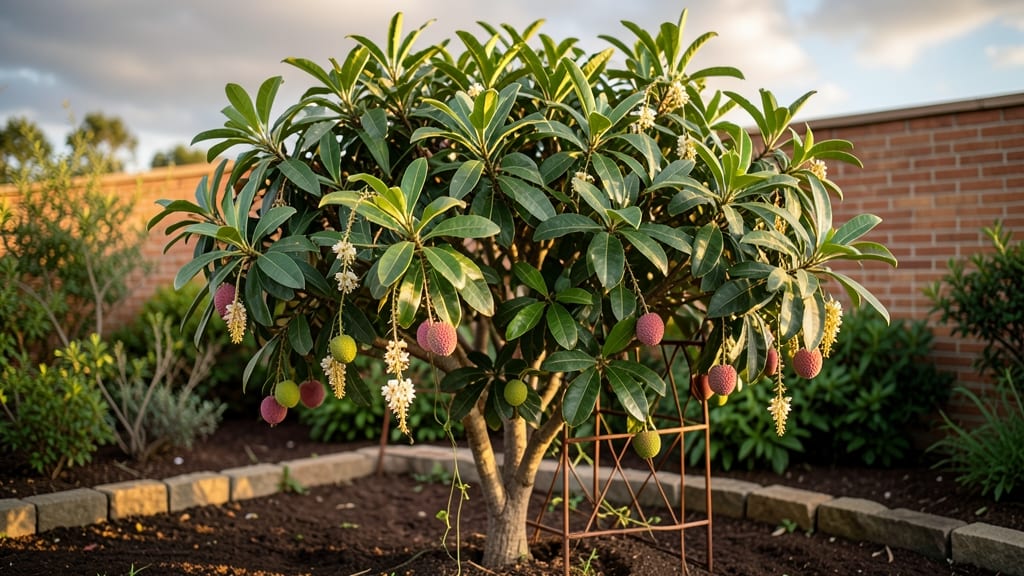
Growing a lychee tree from scratch feels like bringing a taste of Hawaii to your backyard—or at least your patio. 🌿 The key isn’t just warm weather; it’s patience and the right balance of heat, humidity, and a little tropical pampering.
My first attempt nearly died in a pot, but after tweaking the soil and light, it’s now thriving and dropping tiny fruit in my Florida zone.
The real secret isn’t fancy equipment—it’s matching your setup to the tree’s needs. You’ll need well-draining soil, a pot at least 15 gallons deep for containers, and a spot that mimics its native tropical climate.
Even in cooler zones, a greenhouse or bright indoor space can work if you’re willing to babysit the humidity. I’ve seen these trees fruit in 5-7 years with the right care.
What you’ll end up with is a glossy-leaved beauty that smells like summer, even in winter. The first fruit might be small, but each year, the harvest grows sweeter—literally.
You’ll taste the difference between store-bought lychees and ones you’ve nurtured yourself, plus the satisfaction of growing something most gardeners can’t even attempt.
Works for balconies, greenhouses, or sunny backyards—just adjust the setup for your climate. Whether you’re in zone 10 or pushing the limits in zone 8, this guide covers the tweaks that make it possible. Let’s get those roots growing!
📚 In This Guide
- What you need
- Instructions
- Tips and common mistakes
- Wrapping up and next steps
What you need
- ● Lychee seeds or saplings: 1-2 seeds (or a young grafted sapling from a nursery for faster fruiting).
- ● Well-draining potting mix: 5-10 gallons (for containers) or amended garden soil (for in-ground planting). Mix with 50% perlite or coarse sand to prevent root rot.
- ○ Pot or container: 15-25 gallon size (for dwarf varieties) with drainage holes. Optional: Fabric grow bags for better aeration.
- ● Pruning shears: Sharp, sterilized shears for trimming.
- ● Fertilizer: Balanced 10-10-10 fertilizer (for young trees).
- ● High-potassium 6-12-12 fertilizer (for flowering/fruiting).
- ○ Slow-release osmocote (optional, for convenience).
- ● Mulch: Organic mulch (e.g., wood chips or straw) to retain moisture and regulate soil temperature.
- ● Watering can or hose: With a gentle spray nozzle for hydration.
- ● Sunlight access: Full sun (6+ hours daily) or a grow light (for indoor setups).
- ● Humidity tray or misting bottle: Lychees love humidity—especially in dry climates!
- ● Soil pH test kit: Lychees prefer slightly acidic soil (pH 5.5–6.5). Adjust with sulfur or lime if needed.
- ● Root stimulator: Like Mycorrhizal fungi or seaweed extract to boost early growth.
- ● Pollination aid: A small paintbrush (if growing from seed and hand-pollinating is needed).
- ● Tree support: Stakes or a trellis for young saplings in windy areas.
- ● Pest control: Neem oil or insecticidal soap (for aphids, scale, or mites).
Step-by-step instructions for growing a lychee tree
Here's how I've grown healthy lychee trees—whether in pots or ground—using simple techniques.
🌱 Step 1: Start with the Right Seed or Sapling
Lychee trees grow best from fresh seeds or young saplings. If using seeds, remove the large pit from a ripe lychee fruit and soak it in warm water for 24 hours to soften the outer shell. Plant the seed ½ inch deep in a small pot with well-draining potting mix—never garden soil. Keep it warm (75-85°F) and moist until germination, which can take 4-8 weeks.
If you prefer a faster start, buy a 1-2 year old sapling from a tropical nursery. Choose one with a sturdy trunk and healthy green leaves. Avoid trees with yellowing foliage or soft stems—these are signs of poor health. Saplings are more reliable for fruiting but cost more upfront.
🪴 Step 2: Prepare the Right Growing Environment
Lychees thrive in warmth and humidity, so mimic their tropical home. If planting in containers, use a 12-15 inch pot with drainage holes. Fill with a mix of 50% potting soil, 30% perlite, and 20% compost—this ensures airflow and moisture retention. For ground planting, pick a spot with full sun (6+ hours daily) and well-draining soil.
Here's the thing—lychees hate cold drafts. If you live in a cooler climate, keep the tree indoors near a south-facing window or under a grow light during winter. The ideal temperature range is 65-85°F. If nights dip below 50°F, move the plant indoors immediately—lychees are tropical and won’t tolerate frost.
☀️ Step 3: Water and Fertilize for Strong Growth
Water your lychee tree deeply once a week, letting the top 2 inches of soil dry out between waterings. Overwatering causes root rot, which is deadly for these trees. In hot months, you may need to water every 5-6 days, but always check the soil—stick your finger in to feel moisture levels. If the soil feels dry 1 inch down, it’s time to water.
Feed your tree every 4-6 weeks during spring and summer with a balanced liquid fertilizer (10-10-10). Reduce feeding in fall and winter. I like to mix ½ teaspoon of Epsom salt into the soil monthly to boost magnesium—this helps prevent yellowing leaves. Watch for new growth after fertilizing; healthy leaves should be dark green and glossy.
✂️ Step 4: Prune and Train for Shape and Fruit
Prune your lychee tree once a year in late winter or early spring before new growth starts. Remove any dead, diseased, or crossing branches first. Then, trim back overly long branches to encourage a bushier shape. Never cut more than ⅓ of the tree’s foliage at once—this stresses the plant. Use sterilized pruning shears to avoid spreading disease.
If your tree grows leggy, it needs more light. Pinch back the tips of new shoots to encourage branching. For container-grown trees, rotate the pot a quarter turn every few weeks so the tree grows evenly. You’ll see stronger stems and more leaves within 4-6 weeks of proper pruning.
🍈 Step 5: Encourage Fruiting and Protect from Pests
Lychee trees need cross-pollination to produce fruit, so plant two trees if possible. If you only have one, hand-pollinate by gently transferring pollen from one flower to another with a small brush. Flowers appear in spring, and fruit develops 6-8 months later. Thin young fruit to 6 inches apart once they’re 1 inch in diameter—this ensures larger, sweeter lychees.
Watch for scale insects and mealybugs, which love lychee trees. Wipe leaves with a soapy water solution (1 tsp mild soap per quart of water) weekly during warm months. If pests persist, spray with neem oil—it’s safe and effective. Healthy trees rarely have pest issues, so keep up with watering and fertilizing.
Tips & tricks for perfect lychee tree growth
Here's what I learned after growing lychee trees for years—these tricks will help you avoid common pitfalls and get the most out of your tropical plant.
Seed vs. Sapling Strategy: If you're starting with seeds, don't rush germination. The 24-hour soaking period is crucial—it softens the hard outer shell and kickstarts the sprouting process. I've found that using lukewarm (not hot) water prevents shocking the seed. For saplings, look for trees with a healthy root system—ask the nursery to show you the roots before purchasing. A well-developed root ball means faster establishment in your pot or soil.
Container Size Matters: That 12-15 inch pot recommendation isn't just arbitrary—it's the sweet spot for young lychee trees. Smaller pots restrict root growth, while larger ones hold too much moisture. If you're using a container, make sure it has drainage holes and consider adding a layer of gravel at the bottom to prevent root rot. For ground planting, choose a location where the tree can spread its roots without competition from other plants.
Temperature Troubleshooting: The 65-85°F range is ideal, but real talk—most homes and gardens don't maintain perfect tropical conditions. If your nights dip below 50°F, don't wait until the last minute to move your tree indoors. Lychees are sensitive to cold, and even brief exposure can damage leaves. I keep a small space heater near my indoor trees during winter to maintain that warm environment, especially at night.
Fertilizer Timing: That 4-6 week feeding schedule during spring and summer is perfect, but here's the thing about Epsom salt—don't overdo it. The ½ teaspoon monthly is plenty to boost magnesium. Too much can actually burn the roots. I've also found that mixing the fertilizer with water first helps distribute it evenly through the soil. Watch your tree's response—if leaves start yellowing between veins, that's your sign to add more magnesium.
Pro Tips for Grow A Lychee Tree
- Here's what I learned after growing lychee trees for years—these tricks will help you avoid common pitfalls and get the most out of your tropical plant.
- Seed vs.
- Container Size Matters: That 12-15 inch pot recommendation isn't just arbitrary—it's the sweet spot for young lychee trees.
Frequently asked questions
Got questions about growing your own lychee tree? You’re not alone—this tropical beauty can be tricky, but with the right care, it’s totally doable! Here are some of the most common questions (and answers) to help you grow a thriving lychee tree, whether in containers or soil.
Can I grow a lychee tree from seed, or should I buy a grafted plant?
Avoid growing from seed if you want fruit! Seeds produce wild, inedible varieties that take decades to bear fruit. Instead, opt for a grafted nursery plant—it’s faster, more reliable, and will yield sweet, commercial-quality lychees in 3–5 years. Just ensure the graft is healthy and the roots are sturdy!
How cold can a lychee tree tolerate?
Lychee trees are tropical and hate cold snaps. They thrive in USDA zones 10–12 but can survive brief dips to 28°F (-2°C) if protected. For colder climates, grow in containers and move indoors during winter. Mulch heavily and wrap the trunk if outdoor planting is unavoidable.
Why aren’t my lychee tree leaves turning red or purple?
Those vibrant colors signal stress—usually from too much sun or nutrient deficiency. If your tree’s leaves are pale green, it may need more phosphorus or potassium. For red/purple hues, ensure it gets morning sun + afternoon shade and fertilize with a balanced tropical blend (like 6-6-6) every 2–3 months.
How long does it take for a lychee tree to bear fruit?
Patience is key! A grafted lychee tree typically takes 3–5 years to produce fruit, while container-grown trees may take slightly longer due to root constraints. Factors like climate, soil quality, and pollination (hand-pollinate if needed) speed up fruiting. Pro tip: Female flowers appear first—look for small, pink buds!
What should I do if my lychee tree’s leaves are yellowing or dropping?
Yellow leaves often mean overwatering, underwatering, or root rot. Check the soil—it should stay moist but not soggy. If roots smell foul or look mushy, trim the affected parts and repot in fresh, well-draining mix. Adjust watering: lychees need consistent moisture but hate "wet feet."
Can I grow a lychee tree in a pot, and what’s the best container size?
Lychees adapt well to containers, but size matters. Start with a 15–20 gallon pot for young trees, upgrading to 30+ gallons as they grow. Ensure pots have drainage holes and use a light, airy mix (50% potting soil, 30% perlite, 20% compost). Rotate the pot occasionally for even growth!
Wrapping up and next steps
Growing a lychee tree is a rewarding journey that blends patience with tropical charm—whether in a cozy container or your backyard soil! 🌱 With the right sunlight, soil, and care, you’ll soon enjoy fragrant blossoms and, eventually, those sweet, juicy fruits.
Remember, consistency is key, especially during the tree’s early years.
Now that you’re armed with knowledge, why not plant your first seed or sapling this weekend? Start small, stay observant, and celebrate every milestone. Happy growing—and may your lychee tree thrive into a fruitful future! 🌟