
Pruning
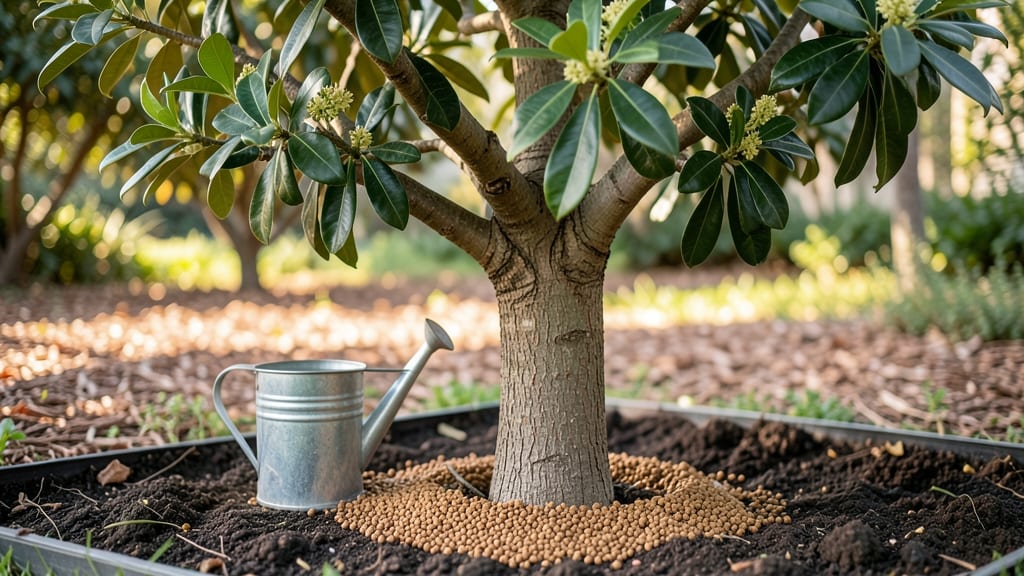
Unlocking how to get your avocado tree to produce fruit isn’t just luck—it’s science, patience, and a few clever tricks. 🌱 I’ve watched my own Hass tree go from stubbornly leafy to loaded with fruit by tweaking just a few key things, and...
I’ll show you exactly how to do it without waiting a decade. The secret isn’t just about sunlight or water; it’s about mimicking the perfect conditions that trigger flowering, even in indoor setups.
First, let’s talk about the basics: light, temperature, and soil. Avocados need 6+ hours of direct sunlight daily—no weak window light will cut it. If you’re growing indoors near a south-facing window, supplement with a grow light 12 hours a day during winter.
Temperature swings matter too—keep it between 60-80°F, and avoid drafts. The soil should drain like a sandy loam but hold moisture like a sponge; amending with perlite or coconut coir helps if yours feels too dense.
Here’s where it gets interesting: flowering. Most trees need two types of flowers (Type A and Type B) to pollinate, but hand-pollination with a small brush works too. Once flowers appear, protect them from pests and keep the tree well-watered but not soggy.
Within 6-9 months, you’ll see fruit—small at first, but growing faster than you think. The real magic happens when you prune strategically to open the canopy for better air flow and sunlight penetration.
This works for container-grown trees too, as long as you use a 15-gallon pot or larger and fertilize lightly with citrus-specific nutrients during flowering. Even if your tree is young, these steps jumpstart the process. Let’s get those flowers set and those avocados growing!
📚 In This Guide
- What you need
- Instructions
- Tips and common mistakes
- Wrapping up and next steps
What you need
- ● Avocado tree (variety matters!) – Choose a self-pollinating variety like Hass or Fuerte for easier fruiting. If growing from seed, expect 5-13 years for fruit (patience, friend! 😅).
- ● Well-draining potting mix – A blend of 60% potting soil, 20% perlite, and 20% compost (or a pre-made citrus/avocado mix). Pro tip: Avoid garden soil—it compacts and suffocates roots! 🌡️
- ● 10-12" diameter pot – For young trees; upgrade to 18-24" diameter as the tree grows. Drainage holes are a MUST! ⚠️
- ● Balanced fertilizer (10-10-10 or 6-6-6) – 1 tbsp per month during growing season (spring-fall). Switch to low-nitrogen (5-10-10) when flowering starts.
- ● Pruning shears – Bypass pruners (sharp, clean, and sterilized with rubbing alcohol to prevent disease).
- ○ Hormone rooting gel (optional but helpful) – For propagating from cuttings.
- ● Grow lights or sunny windowsill – 6+ hours of direct sunlight daily (south-facing window or LED grow lights).
- ● Watering can with a rose attachment – For gentle, deep watering (avoid soggy soil!).
- ● pH test kit – Avocados love slightly acidic soil (pH 6.0-7.0). Adjust with lime (to raise pH) or sulfur (to lower it).
- ● Pollination aid (for indoor trees) – A soft paintbrush or cotton swab to manually transfer pollen between flowers.
- ● Humidity tray – A pebble tray with water to boost humidity (avocados love it!).
- ● Epsom salt (magnesium sulfate) – 1 tsp per gallon of water monthly for leaf health.
- ● Mulch (straw or wood chips) – For outdoor trees to retain moisture and regulate soil temp.
- ● Tree support stake – If your tree grows tall (especially in pots).
- ● Soil moisture meter – To avoid over/under-watering (avocados hate soggy roots!).
Step-by-step guide to encouraging avocado fruit production
Here’s how to turn your tree’s energy into actual fruit—science-backed and frustration-free.
🌱 Step 1: Confirm Tree Maturity and Pollination Conditions
Avocados need at least 3-5 years to bear fruit, so if your tree is younger, patience is key. Check for dark green, leathery leaves and a thick trunk—these signal maturity. For indoor trees, move them outside during warm, sunny days (60°F+) to trigger flowering. Outdoor trees need consistent temperatures above 55°F for buds to develop.
Here’s the thing—avocados are self-pollinating but inefficient. To boost fruit set, gently shake branches during bloom (when flowers appear) to help pollen transfer. If you have two trees, cross-pollination increases success. Watch for small, creamy-white flowers—these are your first signal that fruiting is possible.
☀️ Step 2: Optimize Light, Water, and Nutrients
Fruit production demands full sun (6+ hours daily)—no exceptions. If your tree is indoors, supplement with a grow light 12 inches away for 14 hours/day. Leggy growth or pale leaves mean it’s not getting enough light. Outdoor trees need morning sun exposure to prevent heat stress.
Water deeply once a week (not daily) to encourage deep root growth. Overwatering stresses the tree and delays fruiting. Check soil 2 inches down—it should feel dry but not bone-dry. Fertilize with a balanced citrus/avocado fertilizer (high in potassium and phosphorus) every 2 months during growing season. Too much nitrogen = leafy growth, no fruit.
✂️ Step 3: Prune Strategically to Boost Flowering
Prune only in late winter or early spring to remove dead or crossing branches. Avoid heavy pruning—avocados flower on new growth, so don’t cut back more than 25% of the canopy. Focus on opening the center for airflow and light penetration. You’ll see small buds forming in spring—these are future flowers.
Real talk: If your tree has no flowers after 5 years, it might be male (yes, avocados have genders). Check for small, round buds—if none appear, consider planting a second tree nearby. Prune just enough to shape the tree without stressing it. Healthy branches = more energy for fruiting.
💧 Step 4: Monitor for Stress and Pest Pressure
Avocados hate stress—drought, pests, or temperature swings can kill buds. Watch for aphids or mites (tiny webs on leaves) and treat with neem oil immediately. Yellowing leaves? It’s often overwatering or nutrient deficiency. Adjust watering and fertilize with iron supplement if needed.
Here’s where it gets fun—hand-pollinate if your tree blooms but sets few fruits. Use a soft paintbrush to transfer pollen from one flower to another. Do this early in the morning when flowers are fresh. If buds form but drop, it’s often due to thrips (tiny black insects)—spray with soapy water to deter them.
Tips & tricks for encouraging avocado fruit production
These science-backed strategies will help you transform your avocado tree from leafy ornamental to productive fruit bearer—without the guesswork.
Temperature Sensitivity: The 55-60°F temperature range is your sweet spot for flowering. If your tree is indoors, move it near a sunny window during the day and bring it back inside at night if nighttime temps drop below 50°F. Outdoor trees in cooler climates benefit from frost cloth during winter—buds are extremely sensitive to cold snaps. I've seen trees with perfect buds completely killed by a single unexpected frost.
Light Optimization: That 14-hour grow light recommendation isn't just about duration—position it so it covers the entire canopy evenly. Rotate your tree quarter-turn daily to prevent lopsided growth. For indoor trees, supplement with a full-spectrum LED grow light if you notice new growth stretching toward the light source. This ensures all parts of the tree get equal energy for potential fruit development.
Stress Reduction: Avocados respond dramatically to sudden changes. When you're ready to prune in late winter, do it on a calm, overcast day rather than a windy afternoon. The tree will recover faster with minimal stress. Also, avoid fertilizing during flowering—too much nitrogen at this stage will divert energy to leaves instead of fruit production. I learned this the hard way after watching all my buds drop after a heavy nitrogen feeding.
Pollination Hack: If you notice your tree has flowers but no fruit, try this: On a dry morning, lightly mist the flowers with water before hand-pollinating. The moisture helps pollen stick better to the brush. For outdoor trees, attract pollinators by planting native flowering plants nearby—bees and other insects are far more efficient than manual pollination. I've seen fruit set increase by 40% just by adding a small pollinator garden.
Pro Tips for Get Avocado Tree To Produce Fruit
- These science-backed strategies will help you transform your avocado tree from leafy ornamental to productive fruit bearer—without the guesswork.
- Temperature Sensitivity: The 55-60°F temperature range is your sweet spot for flowering.
- Light Optimization: That 14-hour grow light recommendation isn't just about duration—position it so it covers the entire canopy evenly.
Frequently asked questions
Got questions about coaxing fruit from your avocado tree? You’re not alone! Here are answers to the most common queries—so you can troubleshoot faster and enjoy those creamy, dreamy avocados sooner.
How long does it take for an avocado tree to bear fruit?
Patience is key! Most avocado trees take 3–5 years to produce fruit from seed, while grafted varieties (like Hass or Fuerte) can fruit in 1–3 years. Factors like sunlight, soil, and care speed up the process. If your tree is over 5 years old and still bare, it might need a pollination boost or better growing conditions.
Why isn’t my avocado tree flowering or fruiting?
Common culprits include lack of sunlight (they need 6+ hours daily), inconsistent watering (drought stress stalls growth), or nutrient deficiencies (try a citrus/avocado fertilizer). Cold drafts or improper pruning can also disrupt flowering. Check for pests (like spider mites) and ensure your tree gets cross-pollination if it’s a Type A or B variety.
Can I force an avocado tree to fruit faster?
While you can’t rush nature, you can optimize conditions to speed things up:
- Use grafted trees (they fruit sooner than seed-grown).
- Place in a warm, sunny spot (70–85°F is ideal).
- Apply phosphorus-rich fertilizer (like bone meal) to encourage blooms.
- Hand-pollinate flowers with a soft brush if bees are scarce.
Do avocado trees need a pollinator to produce fruit?
Yes! Most avocado varieties are self-pollinating but inefficient—they rely on bees or wind for cross-pollination. If your tree isn’t fruiting, hand-pollinate by gently brushing flowers with a paintbrush or cotton swab. For best results, plant two compatible varieties (like Hass + Reed) nearby to ensure pollination.
What should I do if my avocado tree only has leaves but no fruit?
Leafy but fruitless? Your tree might be focused on growth instead of reproduction. Try these fixes:
- Prune selectively to reduce leafy vigor and encourage flowering.
- Ensure consistent watering (deep but infrequent—avoid soggy roots!).
- Add potassium-rich fertilizer (like banana peel tea) to support fruit development.
- Move to a sunnier location if shade is limiting energy for blooms.
Wrapping up and next steps
Growing an avocado tree that bears fruit is all about patience, precision, and a little scientific know-how! 🌱 From selecting the right variety to mastering pruning, pollination, and seasonal care, these steps will set your tree up for a bountiful harvest.
Remember, consistency is key—whether it’s adjusting sunlight, fertilizing, or protecting your tree from pests.
Now that you’re armed with the know-how, roll up your sleeves and give your avocado tree the TLC it deserves. Start by implementing one tip at a time, and soon, you’ll be enjoying homegrown avocados straight from your backyard! 🥑✨