
Pruning
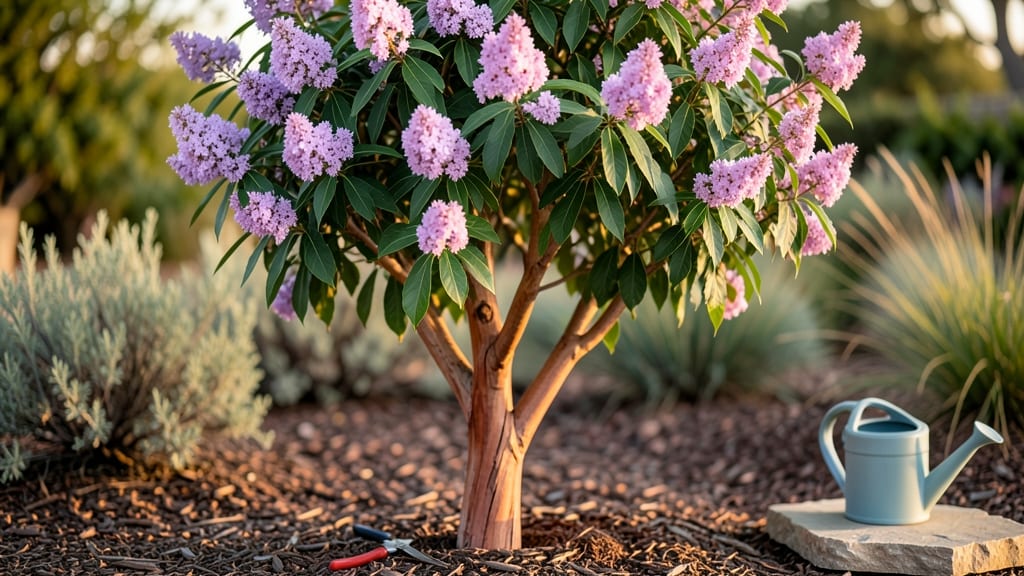
Planting a Hopi crape myrtle tree in the Pacific Northwest means you get a drought-tough beauty that handles frost better than most. 🌿 This Southwest native thrives where others struggle, with its peeling bark and summer blooms becoming the star of any low-water garden.
The secret to its success starts with the right spot: full sun and well-draining soil. Unlike fussy trees, it tolerates poor soil and dry spells once established—ideal for xeriscaping or cutting back on water bills.
Pruning isn’t just about shape; it’s about encouraging that stunning bark texture and next year’s flowers.
By winter, you’ll have a tree that looks like a work of art, its branches bare but striking against the sky. The peeling cinnamon bark becomes the main event when flowers fade, and deer leave it alone—unlike many ornamental trees. Even in cold snaps, it rebounds with vigor.
Whether you’re reviving an old landscape or starting fresh, this tree delivers year-round interest with almost no fuss. The real magic happens when you step back in late summer and see those purple blooms lighting up the yard—proof that beautiful gardens don’t need constant work.
📚 In This Guide
- What you need
- Instructions
- Tips and common mistakes
- Wrapping up and next steps
What you need
- ● Pruning shears: Bypass pruners (sharp, clean, and bypass-style for clean cuts—avoid anvil pruners!). Quantity: 1 pair.
- ○ Loppers: For thicker branches (½"–1.5" diameter). Quantity: 1 pair (optional but helpful for larger limbs).
- ● Hand saw or pruning saw: For stubborn, woody branches (>1.5" diameter). Quantity: 1.
- ● Rubbing alcohol (70% or higher): To sterilize tools between cuts. Quantity: Small bottle.
- ○ Pruning sealant: Optional but recommended for cuts >0.5" diameter (e.g., Tanglefoot Tree Wound Pruning Sealer). Quantity: Small tube.
- ● Gloves: Heavy-duty gardening gloves (protects from thorns and sap). Quantity: 1 pair.
- ● Disposable pruning bags: For collecting debris. Quantity: 1–2 bags.
- ● Ladder or step stool: If your tree is >6 ft tall. Safety note: Use a sturdy, non-slip ladder!
- ● Weather check: Prune on a dry, calm day (avoid rain for 24 hours before/after).
- ● Tree health assessment: Inspect for disease, dead wood, or pest damage before pruning.
- ● Safety gear: Sunglasses and long sleeves (sap can irritate skin!).
- ○ Clean workspace: Lay down tarps or cardboard to catch debris (optional but tidy!).
Step-by-step instructions for pruning Hopi Crape Myrtle in cold climates
Here's how to keep your Hopi Crape Myrtle thriving through Pacific Northwest winters.
✂️ Step 1: Time Your Pruning for Late Winter Dormancy
Wait until early March when the tree is still fully dormant—you'll see no buds swelling yet. This timing ensures you remove dead wood while protecting next year's blooms. I always check for the first sign of green in the yard; when forsythia blooms, it's time to prune.
Use clean, sharp pruning shears to make cuts just above a bud or branch collar. Avoid leaving stubs—these invite disease. For larger branches, use loppers and cut at a 45-degree angle about 1/8 inch above the bud. The goal is to open the center of the tree for better airflow and sunlight penetration.
Real talk: If you prune too early, you risk damaging new growth that won't survive late frosts. If you wait too long, you'll cut off potential blooms. The 2-3 week window between dormancy and bud swell is your target.
🌿 Step 2: Remove Dead, Diseased, and Crossing Branches
Start by eliminating any branches that are completely dead, showing no green when scratched. These are easy to spot—they'll be brown all the way through. Next, remove branches with signs of disease like cankers, oozing sap, or fungal growth. Bag these immediately and dispose of them in yard waste.
Look for branches that cross or rub against each other. These create wounds that invite pests and disease. Cut the smaller of the two branches at its base. You'll know you're doing it right when the center of the tree starts looking more open and less crowded.
Here's the thing—don't overthink it. Your Hopi Crape Myrtle is resilient. Focus on removing no more than 25% of the tree's canopy in one year. This prevents shock and maintains the tree's natural shape. If you're unsure, take a photo first and compare it to the tree after pruning.
☀️ Step 3: Shape for Airflow and Sunlight Exposure
Step back and look at the tree's overall shape. You want to create an open vase-like form that lets sunlight reach the center. Start by thinning out branches from the bottom up—this encourages new growth lower on the trunk. Remove any branches growing straight inward toward the center.
For the remaining branches, cut back to just above an outward-facing bud. This encourages growth in the direction you want. I like to leave the outer branches slightly longer than the inner ones to create that classic tiered look. The goal is to maintain a balanced silhouette while improving light penetration.
Don't worry about perfect symmetry. Hopi Crape Myrtles naturally have a slightly irregular shape. Your job is to guide, not sculpt. After pruning, the tree should look fuller at the top and more open toward the base. This structure helps prevent snow and ice buildup during winter storms.
⏰ Step 4: Clean Up and Protect for Spring Growth
After pruning, rake up all the debris and dispose of it in yard waste. This removes potential disease organisms that could harm your tree. I like to spray the pruning wounds with a 10% hydrogen peroxide solution (1 part peroxide to 9 parts water) to prevent bacterial infections.
Apply a 2-3 inch layer of mulch around the base of the tree, keeping it 6 inches away from the trunk. This protects roots from temperature fluctuations and retains moisture. Water deeply after pruning to help the tree recover and establish new growth.
Watch for new growth in 4-6 weeks. You'll see fresh green shoots emerging from the pruned areas. This is your sign that the tree is responding well. If you see no new growth after 8 weeks, you may have pruned too late or too aggressively. Next season, adjust your timing or approach accordingly.
Tips & tricks for pruning Hopi Crape Myrtle trees
These practical insights will help you master pruning your Hopi Crape Myrtle like a pro—especially in our chilly Pacific Northwest climate.
Pruning Tool Essentials: Invest in a good pair of bypass pruners for smaller branches and loppers for thicker ones. I always sterilize my tools with rubbing alcohol between cuts to prevent spreading disease. Sharp tools make cleaner cuts that heal faster—dull tools tear bark, inviting infections. The 45-degree angle mentioned in Step 1 is crucial for larger branches; it helps water run off and prevents rot.
Visual Timing Cues: That early March window can be tricky to pinpoint. I use forsythia blooms as my natural alarm clock—when those yellow flowers appear, it's time to prune. Another trick: gently scratch a small section of bark on a branch. If it's green underneath, wait a few more days. If it's brown all the way through, that branch is ready to remove.
Canopy Management: The 25% rule isn't arbitrary—it's based on how much foliage a tree can support without stress. Think of it this way: if your tree has 100 branches, you're aiming to remove 25 of them. For younger trees, you can be more aggressive, but mature trees need this gentle approach. I always work in sections, stepping back every few cuts to visualize the tree's new shape.
Post-Pruning Care: That 2-3 inch layer of mulch isn't just decoration—it's insulation for your tree's roots. I like to use wood chips because they break down slowly and improve soil structure over time. After applying mulch, give your tree a deep watering (about 10 gallons for a mature tree) to help it recover from the pruning stress. Watch for those new shoots in 4-6 weeks—they're your reward for doing it right!
Pro Tips for Hopi Crape Myrtle Tree
- These practical insights will help you master pruning your Hopi Crape Myrtle like a pro—especially in our chilly Pacific Northwest climate.
- Pruning Tool Essentials: Invest in a good pair of bypass pruners for smaller branches and loppers for thicker ones.
- Visual Timing Cues: That early March window can be tricky to pinpoint.
Frequently asked questions
Got questions about the Hopi Crape Myrtle Tree? You’re not alone! This resilient beauty thrives in the Pacific Northwest but still needs a little TLC—especially when it comes to pruning. Below, we’ve rounded up the most common queries to help you care for your tree like a pro.
How cold can Hopi Crape Myrtle tolerate?
The Hopi Crape Myrtle is one of the toughest varieties, surviving temperatures as low as -15°F to -20°F (-26°C to -29°C). Its compact growth and cold-hardy nature make it ideal for PNW winters—just protect young trees with mulch or burlap wraps if extreme freezes are forecasted.
When is the best time to prune Hopi Crape Myrtle?
Prune your Hopi Crape Myrtle late winter or early spring (before buds swell) to avoid removing next year’s blooms. Never prune in fall—this can stimulate late-season growth vulnerable to frost. For shaping, light pruning can also happen after flowering, but keep it minimal to preserve its natural form.
How much should I trim back my Hopi Crape Myrtle?
This tree thrives with moderate pruning. Remove 1/3 of the oldest stems at the base every 2–3 years to rejuvenate growth. Avoid “topping” (cutting back to a stub)—it encourages weak, leggy branches. For shape, trim just above a leaf node or outward-facing bud to encourage bushiness.
Can I grow Hopi Crape Myrtle in containers?
Yes! Hopi Crape Myrtle adapts well to containers, making it perfect for patios or small gardens. Use a large pot (15+ gallons) with drainage and well-draining soil. Repot every 2–3 years and prune roots if they circle. Pro tip: Move containers indoors or to a sheltered spot if temps drop below 10°F (-12°C).
What pests or diseases should I watch for?
Hopi Crape Myrtle is disease-resistant, but watch for aphids, spider mites, or scale in hot/dry spells. Treat with neem oil or insecticidal soap if needed. Yellowing leaves? Check for overwatering or root rot—ensure soil drains well. Fungal issues (like powdery mildew) are rare but can occur in humid conditions; improve airflow with pruning.
What’s the difference between Hopi and regular Crape Myrtle?
Hopi Crape Myrtle is hardier, more compact (6–10 ft tall), and blooms profusely with lavender-pink flowers. Unlike traditional Crape Myrtles (which can grow 20+ ft), Hopi stays manageable and tolerates colder climates (Zone 5). It’s also drought-tolerant once established, making it low-maintenance for PNW gardens.
Wrapping up and next steps
The Hopi Crape Myrtle is a stunning, frost-tolerant beauty that thrives in the Pacific Northwest’s climate—when pruned with care! By mastering the right techniques, timing, and tools, you’ll encourage vibrant blooms, strong growth, and years of effortless charm. 🌿✨
Ready to transform your garden? Start small: pick one branch this season to practice your cuts, then expand as you gain confidence. Happy pruning—your future blooms will thank you!