
Pruning
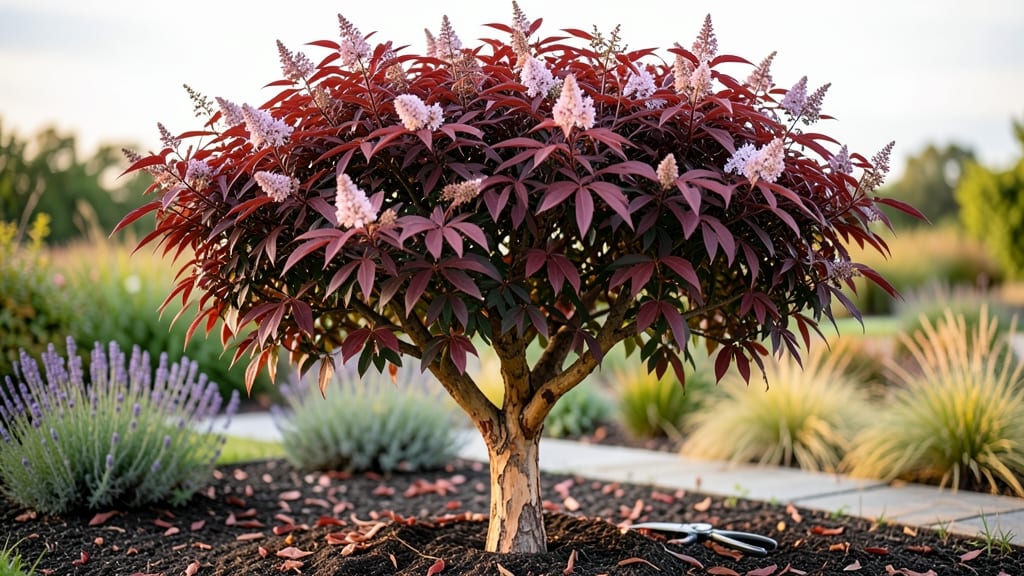
This dynamite red crape myrtle tree is the Pacific Northwest’s secret weapon for year-round color—especially when most gardens have gone dormant. I planted mine last spring, and by winter, its deep burgundy bark and fiery red buds were the only show in the neighborhood.
This isn’t just another flowering tree; it’s a drought-tolerant workhorse that thrives in our wet winters and dry summers, giving you blooms from late summer through frost—and sometimes beyond.
What makes this tree so special is its low-maintenance nature. Unlike fussy ornamentals, the Dynamite Red handles our acidic soils, occasional flooding, and even urban pollution like a champ.
You’ll need full sun to bring out those vibrant red blooms, but it’s flexible enough to grow in partial shade if you’re willing to trade some color intensity.
The key to happy growth starts with well-draining soil—amend heavy clay with compost—and spacing plants 15-20 feet apart to give their roots room to stretch.
Once established, this tree becomes a fireworks display every season. Spring brings fresh green foliage, summer delivers clouds of red flowers, and winter reveals its exfoliating bark like a natural sculpture.
Prune in late winter to shape it and remove dead wood, but don’t overdo it—this tree rewards patience with decades of drama. The best part? Deer and rabbits ignore it, so you won’t lose your investment to hungry wildlife.
Perfect for urban yards, rain gardens, or as a striking focal point in mixed borders. Whether you’re replacing a tired evergreen or adding year-round interest, this tree delivers effortless elegance. Ready to make yours the talk of the block? Let’s get growing.
📚 In This Guide
- What you need
- Instructions
- Tips and common mistakes
- Wrapping up and next steps
What you need
- ● Pruning shears: Bypass pruners (sharp, clean, and disinfected with rubbing alcohol or bleach solution). Specs: 6–8" blade length for medium branches.
- ● Loppers: For thicker branches (½"–2" diameter). Specs: 18–24" handle length for leverage.
- ● Hand saw: Pruning saw with fine teeth for stubborn, woody stems. Specs: 10–12" blade.
- ● Rubbing alcohol (70%+ isopropyl) or bleach solution: 1 part bleach to 9 parts water to sterilize tools between cuts.
- ● Garden gloves: Heavy-duty, cut-resistant gloves (e.g., Mechanix or Filson) to protect hands from thorns and rough bark.
- ○ Disposable pruning bags or bucket: For collecting debris (optional but highly recommended to avoid spreading disease).
- ● Extension pole: If your tree is tall (15+ feet), attach loppers or a saw to a 6–8' pole for hard-to-reach branches.
- ● Pruning sealant: Tree wound pruning paste (e.g., Tanglefoot) for large cuts (>2" diameter) to prevent disease entry.
- ● Marking spray or flags: Bright-colored spray paint or small flags to mark branches for removal (great for complex pruning plans!).
- ● Step ladder or sturdy stool: For safety when working on taller trees. Pro tip: Always use a spotter!
- ● Workwear: Long sleeves and pants to protect from scratches and sun exposure.
- ● Water spray bottle: To rinse tools and branches during pruning for a cleaner workspace.
- ● ✅ Timing: Prune after the tree’s winter bloom (late February–March in the PNW) or in early spring before new growth starts.
- ● ✅ Weather: Choose a dry, overcast day to avoid stressing the tree.
- ● ✅ Safety first: Wear eye protection if working near overhead branches. Avoid pruning during wet conditions (increases disease risk).
- ● ✅ Tool prep: Sharpen blades before starting—dull tools cause tear wounds, not clean cuts.
How to plant and care for a Dynamite Red crape myrtle in the Pacific Northwest
This stunning tree thrives in our cool, wet climate when planted and maintained with precision.
🌱 Step 1: Choose the Perfect Planting Site
Dynamite Red crape myrtles need full sun for at least 6-8 hours daily, but in the Pacific Northwest, that means finding a spot with morning sun and protected afternoon light to avoid harsh coastal winds. Avoid low-lying areas where cold air settles—this tree can tolerate 15°F but struggles with prolonged frost pockets.
Test the soil where you plan to plant. These trees prefer well-draining, slightly acidic soil (pH 6.0-7.0). If your soil is heavy clay, amend it with 3-4 inches of compost mixed into the top 12 inches of soil. The tree's root system is vigorous but sensitive to waterlogging, so raised beds or mounded soil improve drainage significantly.
🪴 Step 2: Plant at the Right Time and Depth
Plant your Dynamite Red crape myrtle in early spring, after the last frost date in your area. This gives roots 6-8 weeks to establish before summer heat arrives. Dig a hole twice as wide as the root ball but only as deep—planting too deep suffocates the tree by burying the trunk flare.
Gently remove the tree from its container and loosen any circling roots with your fingers. Place it in the hole so the top of the root ball sits 1-2 inches above ground level. This prevents water from pooling around the trunk. Backfill with native soil, tamping lightly every 4-6 inches to eliminate air pockets. Water deeply to settle the soil around roots.
☀️ Step 3: Establish Proper Watering and Mulching
Water deeply 2-3 times per week for the first 3 months after planting, providing 1-2 gallons per watering depending on tree size. You'll know you're watering correctly when the soil 6 inches down stays consistently moist but not soggy. After the initial establishment period, reduce to once weekly during dry spells, focusing on slow, deep watering to encourage deep root growth.
Apply 3-4 inches of mulch (wood chips or bark) in a 3-inch wide ring around the tree, keeping it 6 inches away from the trunk to prevent rot. Replenish mulch annually in late winter to maintain protection. This mulch ring regulates soil temperature, retains moisture, and suppresses weeds—critical in our region's damp winters.
✂️ Step 4: Prune for Health and Winter Bloom
Prune your Dynamite Red crape myrtle in late winter or early spring, just before new growth begins. Remove dead, diseased, or crossing branches first, then cut back any overly leggy growth to encourage bushier form. Never "top" the tree—this practice weakens the structure and reduces flowering. Instead, focus on opening the center for better air circulation and light penetration.
In the Pacific Northwest, you'll notice buds forming in late summer for winter bloom. Avoid heavy pruning after mid-July, as this removes next year's flower buds. A light trim in fall to remove any dead wood is sufficient—never prune when the tree is dormant in winter, as this stresses the plant unnecessarily.
Tips & tricks for perfect Dynamite Red crape myrtle planting
A few strategic moves will help your Dynamite Red crape myrtle thrive in our Pacific Northwest climate. These aren't just gardening basics—they're the secrets to that showstopping winter bloom.
Site Selection Nuance: While the instructions emphasize 6-8 hours of sun, I've found that in our coastal areas, positioning the tree to catch morning sun while shielding it from afternoon winds makes all the difference. Look for spots where the sun reaches the canopy by 10am and where prevailing winds don't scour the leaves—this prevents winter burn. The 15°F tolerance is real, but remember that's for brief cold snaps, not prolonged frost pockets.
Root Ball Preparation: When removing your tree from the container in Step 2, don't just loosen the circling roots—gently separate them completely. I've seen trees struggle because those roots were still tightly bound. The 1-2 inches above ground level is critical: this prevents water from pooling against the trunk, which is exactly what causes those dreaded trunk diseases in our damp climate. Pro tip: Use a small shovel to create a shallow trench around the root ball before planting to encourage outward root growth.
Watering Precision: The 2-3 times per week for 3 months is non-negotiable, but here's what nobody tells you: use a moisture meter to check that 6 inches down. In our region, surface watering can create a false sense of moisture while roots stay dry. For the first two weeks, I water every other day with 1 gallon to help establish roots faster. After that, stick to the schedule but always water deeply—this encourages roots to grow downward where they won't be disturbed by surface conditions.
Mulch Strategy: That 3-4 inches of mulch isn't just decoration—it's insulation. In our wet winters, mulch prevents soil temperature swings that can shock roots. I recommend using cedar mulch specifically because it naturally repels insects that love crape myrtles. And here's the part they skip: refresh your mulch in late winter before new growth begins—this gives the tree a head start on warmth as it wakes up from dormancy.
Pro Tips for Dynamite Red Crape Myrtle Tree
- A few strategic moves will help your Dynamite Red crape myrtle thrive in our Pacific Northwest climate.
- Site Selection Nuance: While the instructions emphasize 6-8 hours of sun, I've found that in our coastal areas, positioning the tree to catch morning sun while shielding it from afternoon winds makes all the difference.
- Root Ball Preparation: When removing your tree from the container in Step 2, don't just loosen the circling roots—gently separate them completely.
Frequently asked questions
Got questions about the Dynamite Red Crape Myrtle? You’re not alone—this stunning tree sparks curiosity! Here are answers to the most common queries from PNW gardeners.
When is the best time to prune a Dynamite Red Crape Myrtle?
Prune your Dynamite Red Crape Myrtle late winter or early spring (February–March in the PNW) before new growth begins. Avoid pruning in fall or winter, as cold stress can harm the tree. Light shaping is fine, but never remove more than 25% of the foliage in one season to preserve its health and vibrant blooms.
Why aren’t my Dynamite Red Crape Myrtle blooms as vibrant as expected?
Duller blooms often stem from over-pruning (cutting back into old wood) or nutrient deficiencies. Ensure it gets full sun (6+ hours/day) and well-draining soil. Apply a balanced 10-10-10 fertilizer in early spring if needed. If blooms are sparse, prune only dead or crossing branches—avoid heavy cuts that remove flowering wood.
Is the Dynamite Red Crape Myrtle cold-hardy enough for the Pacific Northwest?
This variety thrives in USDA Zones 7–9, making it perfect for the PNW’s mild winters. It tolerates temperatures down to 0°F (-18°C) and handles rain well, though mulching around the base in winter adds extra protection. Just avoid soggy soil—drainage is key!
Can I grow a Dynamite Red Crape Myrtle in a container?
Yes, but with limits. Young trees (under 3 years) adapt well to large containers (15+ gallons) with drainage holes. Use a fast-draining potting mix and repot every 2–3 years. Mature trees (5+ years) need ground planting—their root systems become too large for containers. Bonus: Container-grown trees bloom earlier in spring!
What should I do if my tree’s bark splits or peels?
Peeling or cracked bark is usually normal as the tree matures, especially in dry conditions. If it’s thin, stringy, or oozing sap, it may signal bacterial infection. Prune affected branches 1–2 inches below the damage, sterilize tools with rubbing alcohol, and dispose of debris. Keep the tree well-watered but not soggy to prevent stress.
Are there alternatives to Dynamite Red for smaller spaces?
If space is tight, consider these compact crape myrtle varieties:
- ‘Tonto’ (6–8 ft tall, drought-tolerant)
- ‘Acoma’ (5–6 ft tall, multi-trunk habit)
- ‘Dwarf Yaku Princess’ (4–5 ft tall, pink blooms)
Wrapping up and next steps
The Dynamite Red Crape Myrtle isn’t just a stunner—it’s a low-maintenance powerhouse that rewards your Pacific Northwest garden with vibrant winter blooms and year-round charm.
With the right pruning know-how, you’ll keep it thriving, encourage those fiery red flowers, and enjoy a tree that’s as resilient as it is beautiful. 🌸
Ready to transform your yard? Grab your tools, follow the steps above, and watch your Dynamite Red Crape Myrtle shine brighter than ever. Next up: Share your before-and-after photos with fellow gardeners—inspiration spreads like wildfire! 📸✨