
Pruning
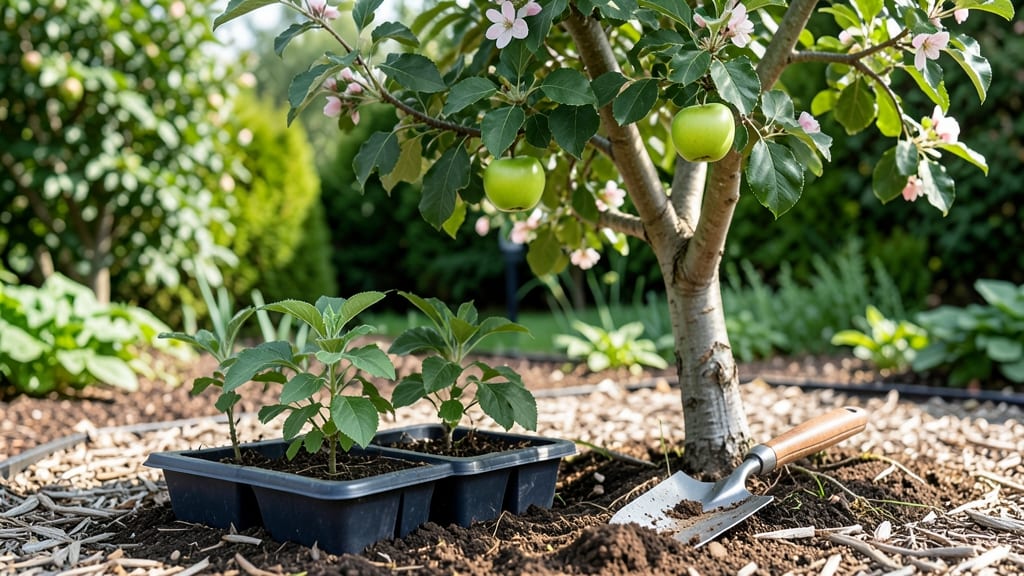
Growing a Honeycrisp apple tree from seeds lets you taste that signature crisp sweetness in just two years—but only if you start right. 🌱 The key is picking fresh seeds from a store-bought Honeycrisp apple (not a grocery store one, those are often irradiated) and giving them the perfect mix of warmth and patience.
Most people quit too soon, but those first green shoots are worth the wait.
You'll need a sunny spot, well-draining soil, and a little creativity to keep seeds viable—because store seeds rarely produce true-to-type fruit. I’ve found that pre-sprouting them in damp paper towels for 3-4 weeks cuts the germination time in half, and using a heat mat speeds things up even more.
The first real leaves appear in about 6 weeks, and that’s when the magic starts.
By year two, you’ll have a sturdy sapling ready for its permanent home in the garden, where it’ll need full sun and consistent watering. The real payoff comes in years 3-5, when—if you’re lucky—you might get fruit that tastes almost like the original.
(Yes, grafting is the real secret for true Honeycrisp flavor, but this is where the adventure begins.)
Fair warning: apple seeds from store fruit often don’t grow true, and frost sensitivity is real in young trees. That said, the process of watching something grow from a tiny seed to a tree that could bear fruit is its own reward. Here’s how to make it work—step by step.
📚 In This Guide
- What you need
- Instructions
- Tips and common mistakes
- Wrapping up and next steps
What you need
- ● Honeycrisp apple seeds – 20–50 seeds (more = better odds of success! Seeds from organic apples or seed packets are ideal).
- ● Potting soil – Well-draining, seed-starting mix (avoid garden soil—it’s too dense!).
- ● Seed-starting trays or small pots – 2–3 inch diameter (one per seed or shared in trays).
- ● Plastic wrap or humidity dome – To keep seeds moist while germinating.
- ● Grow lights or sunny windowsill – 6–8 hours of light daily (south-facing window or LED grow lights work best).
- ● Watering can with a fine rose – For gentle hydration (overwatering = seed rot!).
- ○ Fertilizer (optional but helpful) – Balanced, water-soluble fertilizer (5-5-5 or 10-10-10) for seedlings.
- ● Small hand trowel – For transplanting seedlings.
- ● Spray bottle – To mist seeds without disturbing them.
- ● Pruning shears – For future shaping (sterilize with rubbing alcohol!).
- ○ Thermometer (optional) – To monitor soil temp (60–75°F is ideal for germination).
- ● Cold frame or refrigeratorg – For stratification (mimicking winter to break seed dormancy).
- ● Patience! – Honeycrisp trees from seed take 4–6 years to fruit (vs. 2 years with grafted trees).
- ● Climate check – Honeycrisp thrives in USDA Zones 3–8 (frost-resistant but needs chilly winters to fruit).
- ● Pollination plan – If growing for fruit, plant a second variety nearby (Honeycrisp is self-pollinating but benefits from cross-pollination).
Step-by-step guide to growing Honeycrisp apple trees from seeds
Here's how to turn those tiny seeds into sturdy saplings ready for planting.
🌱 Step 1: Stratify Seeds for Successful Germination
Apple seeds need a cold period to break dormancy—this mimics winter's natural cycle. Place the seeds between two damp paper towels in a sealed plastic bag. Store them in your refrigerator's crisper drawer for 6-8 weeks at 35-40°F. Check weekly to ensure the towels stay moist but not soggy.
Here's the thing—don't skip this step. Without stratification, seeds often rot before sprouting. You'll know it's working when the seeds begin to plump slightly and develop a tiny white root (called a radicle) after about 3-4 weeks in cold storage.
💧 Step 2: Plant Stratified Seeds in a Warm, Moist Environment
After stratification, fill small 2-inch pots with sterile seed-starting mix (not garden soil). Plant each seed ½ inch deep—deeper than you might think, since apple seeds need darkness to germinate. Gently press the soil around the seed to ensure good contact.
Place the pots in a warm location (around 70°F) with indirect light. A seedling heat mat helps speed germination, but a sunny windowsill works too. Keep the soil consistently moist—water when the top inch feels dry to the touch. You'll see sprouts in 2-4 weeks, but don't be surprised if some take longer.
☀️ Step 3: Provide Bright Light and Gradually Acclimate Saplings
Once seedlings emerge, move them to bright, indirect light immediately. Apple trees need 10-12 hours of light daily to grow strong. If using a grow light, position it 4-6 inches above the seedlings. You'll notice leggy growth if light is insufficient—thin, pale stems reaching for the source.
After 4-6 weeks, when seedlings have 2-3 sets of true leaves, begin hardening them off. Place them outdoors in a sheltered spot for 1-2 hours the first day, gradually increasing exposure over 10-14 days. This prepares them for outdoor planting and prevents transplant shock.
🪴 Step 4: Transplant Saplings to Permanent Locations
Choose a sunny spot with well-draining soil and 6+ feet of space for mature growth. Dig a hole twice as wide as the root ball but no deeper. Gently remove the sapling from its pot, loosen any circling roots, and place it in the hole so the top of the root ball sits 1 inch below soil level. This prevents stem rot.
Backfill with native soil, tamp lightly, and water deeply. Mulch around the base with 2-3 inches of organic mulch to retain moisture and regulate soil temperature. Water 1-2 times per week during the first growing season, keeping soil evenly moist but not soggy.
⏰ Step 5: Prune and Protect Young Trees
In their first year, focus on structural pruning. Remove any dead, crossing, or weak branches using clean, sharp pruners. Cut just above a bud or outward-facing branch to encourage healthy growth. You'll see new shoots emerge within 2-3 weeks—these are your tree's foundation.
Protect young trees from late frosts by covering them with frost cloth if temperatures dip below 28°F. Apple trees are frost-resistant, but new growth is vulnerable. Water deeply in late fall to help establish roots before winter dormancy. By year two, you'll have a sturdy sapling ready to bear fruit in 4-6 years (yes, it takes patience!).
Tips & tricks for growing Honeycrisp apple trees from seeds
These little-known tricks will help you nurture your apple tree seeds into strong, frost-resistant saplings that actually thrive.
Cold Stratification Insight: The 6-8 week cold period isn't just about breaking dormancy—it's about mimicking nature's timing. Place a small dish of water under your sealed bag to maintain humidity without over-saturating the towels. I've found that checking seeds at the 3-4 week mark gives you a preview: if you see that tiny radicle (white root), you're on track. If not, give it another week—patience here prevents rot.
Lighting Strategy: That 10-12 hours of daily light is non-negotiable for strong seedlings. If your windowsill isn't bright enough, supplement with a simple LED grow light on a timer. I learned this the hard way—my first batch grew leggy and weak because I relied solely on natural light. Position the light just 4-6 inches above the seedlings to avoid heat stress.
Transplanting Technique: When transplanting those 4-6 week old saplings, focus on the root ball—it should stay intact and sit just 1 inch below soil level. I've seen beginners bury the stem too deep, which causes rot. After planting, give the soil a gentle watering to settle it around the roots, then wait 24 hours before adding mulch. This prevents waterlogging during the critical first week.
Frost Protection Hack: For those late frosts below 28°F, I've had great success with frost cloth instead of traditional blankets. The fabric lets light through while trapping heat, and it's reusable for years. Just secure it loosely so air can circulate—you're not trying to create a sauna, just protect tender new growth. Remove it as soon as temperatures rise above freezing.
Pro Tips for Honeycrisp Apple Tree Seeds
- These little-known tricks will help you nurture your apple tree seeds into strong, frost-resistant saplings that actually thrive.
- Cold Stratification Insight: The 6-8 week cold period isn't just about breaking dormancy—it's about mimicking nature's timing.
- Lighting Strategy: That 10-12 hours of daily light is non-negotiable for strong seedlings.
Frequently asked questions
Got questions about growing Honeycrisp apple trees from seeds?
Here are some of the most common ones—and their answers—to help you get started on your frost-resistant orchard!
Can you grow a true Honeycrisp apple tree from seeds?
Not exactly! Seeds from Honeycrisp apples produce seedlings that may grow into apple trees, but they won’t be true-to-type Honeycrisp. These seedlings could take 5–10 years to bear fruit (if ever), and the apples may differ in flavor, size, or frost resistance. For guaranteed Honeycrisp trees, buy certified grafts from nurseries instead!
How long does it take for Honeycrisp apple tree seeds to sprout?
Honeycrisp apple seeds need stratification—a cold, moist period—to break dormancy. After 6–8 weeks in the fridge (or buried outdoors in winter), seeds typically sprout in 4–12 weeks once planted in warm, well-draining soil. Patience is key—seedlings grow slowly at first!
Are Honeycrisp apple tree seedlings really frost-resistant?
While Honeycrisp apples thrive in cold climates (USDA Zones 3–7), seedlings may not inherit the same hardiness. Young trees are more vulnerable to frost damage. To boost survival, plant in full sun, mulch heavily in winter, and avoid early spring pruning. Grafted trees (from nurseries) are your best bet for reliable frost resistance!
What’s the best soil mix for Honeycrisp apple tree seeds?
Use a light, well-draining mix of:
- 60% potting soil
- 30% perlite or coarse sand
- 10% compost
Can I grow Honeycrisp apples faster by using cuttings instead of seeds?
Yes! While seeds take years, rooting cuttings from a Honeycrisp tree (or buying a grafted sapling) speeds up fruiting to 2–3 years. For cuttings:
- Take 4–6 inch semi-hardwood cuttings in late summer.
- Dip in rooting hormone and plant in perlite/peat moss.
- Keep humid and warm until roots form (4–8 weeks).
Wrapping up and next steps
Growing Honeycrisp apple tree seeds is a rewarding journey that yields delicious, frost-resistant fruit in just two years! With the right preparation—like choosing quality seeds, proper planting techniques, and consistent care—you’ll enjoy a thriving orchard in no time. 🌱
Now that you’re equipped with the knowledge, take the next step: plant those seeds today and watch your garden transform into a sweet, fruitful haven. Happy growing! 🍏✨