
Pruning
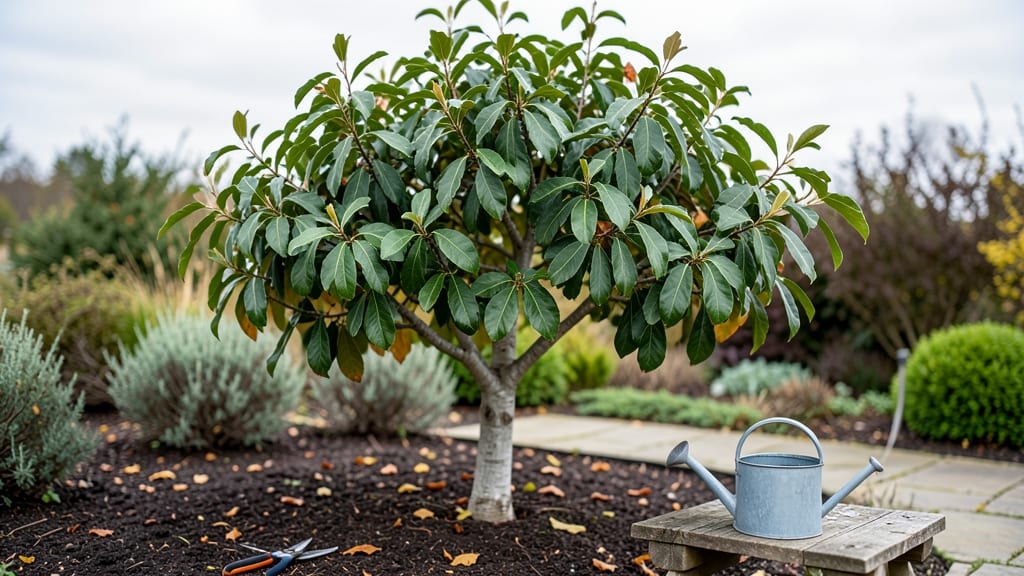
Growing a non-astringent persimmon tree means biting into sweet, custard-like fruit without the pucker—no waiting for frost to ripen them either. 🌟 I’ve pruned these trees for years, and the difference between a neglected bush and a well-shaped one is night and day.
The key lies in strategic cuts that balance sunlight, airflow, and fruit production, all while keeping the tree healthy enough to bear consistently sweet harvests.
These trees thrive in USDA zones 7-10, where winters are mild enough to avoid cold damage but cold enough to break dormancy properly. Plant them in full sun with well-draining soil—sandy loam works best—and space them 20-30 feet apart for proper airflow.
Young trees need regular watering, but once established, they’re surprisingly drought-tolerant. The real magic happens in pruning: focus on removing crossing branches and suckers while encouraging an open canopy to prevent disease and improve fruit quality.
With the right approach, you’ll see lush, productive growth within a year, and by year three, your tree will be loaded with firm, sweet fruit that ripens on the branch. The secret?
Prune in late winter or early spring before buds swell, and always use clean, sharp tools to avoid tearing bark. You’ll also want to fertilize lightly in early spring with balanced organic fertilizer—nothing heavy, or you’ll get too much leafy growth and fewer fruits.
Common challenges like anthracnose or borers can be avoided with proper spacing and pruning, but if they strike, a copper fungicide spray or neem oil will handle them gently. Harvest when the fruit is fully colored and slightly soft to the touch—no need to wait for frost.
Store them at room temperature until fully ripe, then refrigerate for up to a month. The payoff? A tree that rewards patience with decadent, seedless fruit you can enjoy fresh, baked, or in salads.
📚 In This Guide
- What you need
- Instructions
- Tips and common mistakes
- Wrapping up and next steps
What you need
- ● Non-astringent persimmon saplings: Choose Diospyros kaki varieties like 'Fuyu,' 'Hachiya,' or 'Izu,' available at nurseries or online (1-3 plants recommended for home gardens).
- ● Well-draining soil: Mix 60% topsoil, 30% compost, and 10% sand or perlite (pH 6.0–7.0).
- ● Organic mulch: Wood chips or straw (2–3 inches thick) to retain moisture and suppress weeds.
- ● Fertilizer: Balanced 10-10-10 or citrus-specific fertilizer (apply in early spring and summer).
- ● Pruning shears: Bypass pruners (sharp, 6–8 inch blades) for clean cuts.
- ● Loppers: For thicker branches (10–14 inch handles).
- ● Hand saw: Pruning saw with a curved blade for stubborn branches.
- ● Gloves: Heavy-duty gardening gloves (cut-resistant for safety).
- ● Disinfectant: 70% isopropyl alcohol or bleach solution (1:9 ratio) to sterilize tools.
- ● Watering can or hose: With a gentle spray nozzle for hydration.
- ○ Staking kit (optional): For young trees (3–4 stakes + twine).
- ● Sunlight: Full sun (6–8 hours daily) in a sheltered location (protect from strong winds).
- ● Climate: USDA Zones 7–10 (or equivalent temperate regions).
- ● Patience: Non-astringent varieties take 3–5 years to bear fruit!
- ● Local regulations: Check if your area requires permits for fruit tree planting.
Step-by-step pruning guide for non-astringent persimmon trees
Here's how to shape your tree for sweeter, more abundant fruit over three years.
🌱 Step 1: Identify and Remove Weak Growth Early
Start by examining your tree in late winter or early spring, before buds break. Look for thin, spindly branches—these are called "water sprouts" and compete with fruit production. They rarely bear fruit and drain energy from the tree. Use sharp pruning shears to make clean cuts just above a bud or lateral branch.
I always prune on a dry day when the tree is dormant. This minimizes stress and disease risk. Remove any branches that cross or rub against each other—they'll create wounds that invite pests. You'll know you're cutting at the right angle when the cut surface is smooth, not torn. For branches thicker than ½ inch, use three-cut pruning technique to prevent bark tearing.
✂️ Step 2: Open the Canopy for Sunlight Penetration
In the second year, focus on improving air circulation and sunlight exposure. Thin out crowded branches to create an open vase shape—this is key for non-astringent varieties like 'Fuyu' or 'Hachiya'. Remove branches growing inward or downward, cutting them back to a strong outward-facing bud. Aim for a central leader with evenly spaced scaffold branches.
The goal is to let sunlight reach the inner canopy where fruit develops. You'll see new growth filling in gaps within a few weeks. For larger branches, never remove more than 25% of the tree's foliage in one season. If you do, the tree may struggle to recover. Prune during the dormant season when the tree can allocate energy to healing wounds.
☀️ Step 3: Refine Structure and Encourage Fruit Bearing
By the third year, your tree should have a well-defined structure. Now focus on selective pruning to shape the tree and encourage fruit production. Remove any suckers growing from the base or trunk. These compete with the main canopy. For fruiting branches, cut back last year's growth by ⅓ to ½ to stimulate new fruiting spurs.
Pay special attention to branches that bear fruit. Look for clusters of small, round buds—these will develop into fruit. Prune just above these bud clusters to maintain the tree's natural shape while maximizing fruit production. After pruning, apply a thin layer of wound dressing to larger cuts to protect against disease. You'll notice fewer leaf spots and stronger new growth in the following season.
⏰ Step 4: Post-Pruning Care for Optimal Recovery
After pruning, water deeply to help the tree recover. The root system needs moisture to support new growth. Apply 2-3 inches of mulch around the base, keeping it clear of the trunk. This conserves moisture and regulates soil temperature. Avoid heavy pruning in the fall—it leaves the tree vulnerable to winter damage and disease.
Monitor the tree closely for signs of stress like yellowing leaves or wilting. If you see these, adjust your watering or pruning approach. A properly pruned non-astringent persimmon tree will reward you with sweeter, larger fruit within three years. The key is patience—each year's pruning builds on the last, creating a stronger, more productive tree.
Tips & tricks for perfect non-astringent persimmon pruning
Took me years to master these techniques—here's how to avoid the mistakes that ruin even the best-intentioned pruning.
Timing Secret: Prune during the dormant season, specifically late winter or early spring before buds break. This timing lets the tree heal properly before new growth begins. I've learned the hard way that spring pruning stresses the tree when it's already pushing energy into leaves and fruit. The key is to finish pruning at least 4-6 weeks before your last frost date, giving the tree time to recover before summer heat sets in.
The Technique That Changed Everything: When cutting branches thicker than ½ inch, always use the three-cut method to prevent bark tearing. First, make an undercut about 1-2 inches from the branch collar, then a top cut just outside that, and finally twist the branch off. This clean cut promotes faster healing. I've seen too many trees develop cankers from improper cuts—especially on persimmons, which are prone to disease when wounded.
Pruning Wisdom: Never remove more than 25% of the tree's foliage in one season. This rule prevents shock and ensures the tree can still photosynthesize enough to support its root system. In Step 2, when opening the canopy, focus on thinning rather than topping—this maintains the tree's natural shape while improving air circulation. I once over-pruned a persimmon and ended up with a tree that took two years to recover its fruit production.
Year-by-Year Strategy: The three-year progression matters more than you'd think. In Year 1, prioritize removing water sprouts and crossing branches. In Year 2, focus on creating that open vase shape with evenly spaced scaffold branches. By Year 3, you're fine-tuning the structure by cutting back last year's growth on fruiting branches by ⅓ to ½—this stimulates those sweet fruit-bearing spurs. The difference between a mediocre result and an absolutely stellar one often comes down to this single, seemingly insignificant step.
Pro Tips for Non Astringent Persimmon Tree
- Took me years to master these techniques—here's how to avoid the mistakes that ruin even the best-intentioned pruning.
- Timing Secret: Prune during the dormant season, specifically late winter or early spring before buds break.
- The Technique That Changed Everything: When cutting branches thicker than ½ inch, always use the three-cut method to prevent bark tearing.
Frequently asked questions
Got questions about growing and pruning non-astringent persimmon trees for sweeter fruit? Here are some common ones—and their answers!
What’s the difference between astringent and non-astringent persimmons?
Non-astringent persimmons (like Fuyu or Hachiya) are ready to eat firm when ripe—no waiting for them to soften! Astringent types (e.g., traditional Hachiya) must be completely soft before eating, or they’ll taste bitter. Non-astringent varieties are perfect for snacking straight off the tree!
How long does it take for pruning to improve fruit sweetness?
With the right pruning techniques (like open-center shaping and thinning), you’ll see sweeter, more flavorful fruit in 2–3 years. The key is reducing overcrowding so sunlight and air reach the center—where the best fruit develops. Patience pays off with richer, juicier persimmons!
Can I prune a non-astringent persimmon tree in winter?
Yes! The best time to prune is late winter or early spring (just before buds swell). Avoid heavy pruning in fall, as wounds may not heal before cold weather. Focus on removing dead, crossing, or weak branches first—then shape the tree for airflow. Pro tip: Sterilize your tools with rubbing alcohol to prevent disease!
What if my persimmon tree isn’t fruiting after pruning?
Several factors could be at play:
- Age: Young trees (under 3 years) focus on growth, not fruit.
- Pollination: Most non-astringent types are self-pollinating, but bees help! Plant a second tree nearby if fruit is scarce.
- Nutrients: Test soil pH (ideal: 6.0–7.0) and add compost or a balanced fertilizer (10-10-10) in early spring.
- Over-pruning: Never remove more than 25% of the canopy in one year.
Are there alternatives to non-astringent persimmons for easy harvesting?
If you love ready-to-eat fruit, consider these low-maintenance alternatives:
- Loquat trees – Sweet, firm fruit that ripens in late winter/early spring.
- Fig trees – Some varieties (like Brown Turkey) produce edible fruit by summer.
- Kiwano (horned melon) – Exotic, jelly-like fruit with no astringency.
- Pawpaw trees – Native North American fruit with a mango-like flavor (needs patience but no astringency!).
Wrapping up and next steps
Growing a non-astringent persimmon tree is a rewarding journey that pays off with deliciously sweet fruit in just three years—if you prune strategically! By following the right techniques, you’ll ensure strong growth, better air circulation, and fruit that’s ready to enjoy fresh from the tree. 🌱
Ready to take the next step? Start by marking your calendar for your first pruning session this winter—your future harvest (and taste buds!) will thank you. Happy pruning! 🍑✨