
Trees
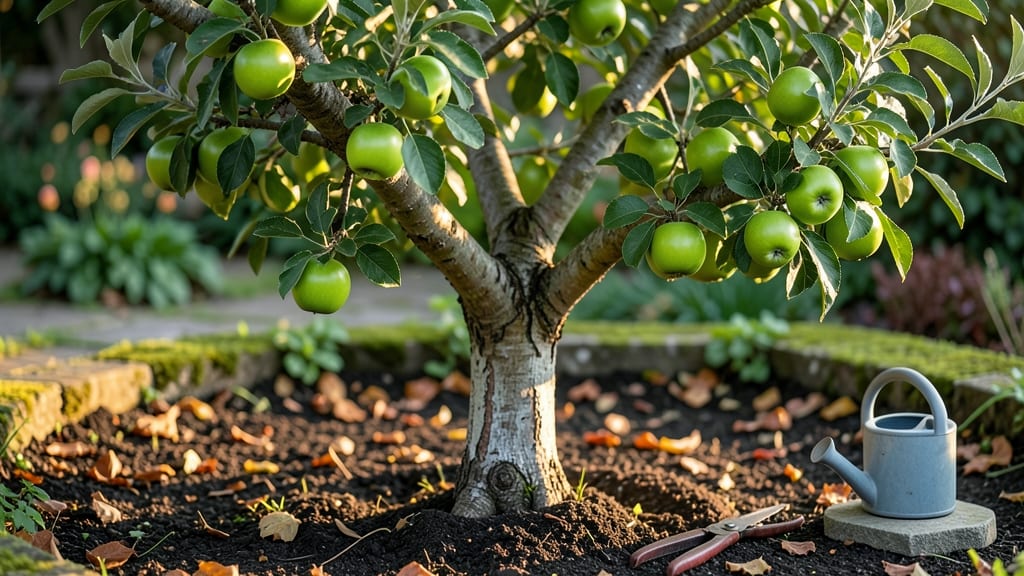
Growing Granny Smith apple trees in the Pacific Northwest means crisp, tangy fruit that thrives in cool climates—if you pick the right varieties and give them proper care.
I learned the hard way that not all Granny Smiths handle our damp winters well, but the cold-resistant ones reward you with heavy harvests every fall. The secret isn’t just choosing the right tree; it’s mimicking the orchard conditions they love right in your backyard.
Start with a well-draining soil mix rich in organic matter—think composted leaves and aged manure—and plant in full sun where the tree gets at least 6 hours of sunlight daily.
Pacific Northwest winters can be brutal, so mulch heavily around the base to protect roots from freezing, and choose a site sheltered from harsh winds. A young tree needs consistent moisture but hates soggy soil, so amend clay-heavy ground with sand or gravel for better drainage.
By summer, you’ll see lush green leaves and the promise of fruit—if you’ve planted a compatible pollinator nearby. Granny Smiths need another apple variety blooming at the same time for cross-pollination, so pair yours with a Honeycrisp or Fuji.
Prune in late winter to open the canopy for airflow, which cuts down on fungal diseases like apple scab, a common nemesis in our damp climate.
With patience, your tree will bear its first fruit in 3-5 years, and each harvest will be sweeter than the last. The real payoff? Fresh, homegrown apples that taste nothing like store-bought—just tart, juicy perfection straight from your own orchard. Now, let’s get those roots in the ground.
📚 In This Guide
- What you need
- Instructions
- Tips and common mistakes
- Wrapping up and next steps
What you need
- ● Granny Smith apple trees: 1–3 cold-hardy, dwarf or semi-dwarf varieties (e.g., 'Granny Smith' or cold-resistant crosses like 'Liberty' or 'Enterprise'). Check local nurseries for PNW-specific rootstocks (e.g., M.9 or Gisela 5 for compact growth).
- ● Bare-root saplings (plant in early spring) or container-grown trees (plant year-round).
- ● Planting site: A sunny spot (6+ hours of direct sunlight daily).
- ● Well-draining, slightly acidic soil (pH 6.0–6.5). Amend clay soil with compost or peat moss if needed.
- ● Space: 10–15 feet apart (dwarf trees) or 20+ feet (standard trees) for airflow.
- ● Soil prep: 5–10 lbs of 10-10-10 fertilizer (or organic alternative like fish emulsion or composted manure).
- ● Mulch (3–4 inches of wood chips, straw, or pine needles) to retain moisture and regulate temperature.
- ● Hand trowel or spade (for digging planting holes).
- ● Pruning shears (sterilized with rubbing alcohol to prevent disease).
- ○ Garden hose or watering can (with drip irrigation optional for efficiency).
- ● Soil pH test kit (to monitor acidity levels).
- ● Tree supports/stakes (if planting young saplings in windy areas).
- ● Fruit tree spray (e.g., neem oil or copper fungicide) for pest/disease prevention.
- ● Pollination aids: Plant a second apple variety (e.g., 'Honeycrisp' or 'Fuji') within 50 feet for cross-pollination.
- ● Tree guards: Wire mesh or plastic tree collars to protect from deer or rodents.
- ● Drip irrigation system for automated watering (especially in dry PNW summers).
- ● Grafting tools (if you want to experiment with bud grafting for unique varieties).
- ● Journal or plant tags to track growth, pruning dates, and harvest times!
Step-by-step guide for planting Granny Smith apple trees in cold climates
Here's how to establish cold-hardy Granny Smith trees that thrive in Pacific Northwest winters.
Choose the Right Location and Soil
Granny Smith apples need full sun—at least 6-8 hours daily—so select a spot where they’ll receive morning sunlight and afternoon shade if summers are hot. I always test the site by observing how other trees grow there; if they’re lush and healthy, it’s a good sign. The soil should drain well but retain moisture—Granny Smiths hate soggy roots.
Before planting, mix 3-4 inches of compost into the top 12 inches of native soil. This improves drainage and adds nutrients. Work the compost in thoroughly so it blends evenly. A simple test: squeeze a handful of your amended soil—it should hold together when moist but crumble easily when dry. If it sticks like clay, add more organic matter.
Plant at the Correct Depth and Spacing
Dig a hole twice as wide as the root ball but no deeper. The top of the root ball should sit 2 inches above ground level—this prevents water from pooling around the trunk. Granny Smiths need 16-20 feet between trees for proper airflow and sunlight penetration. I’ve seen crowded plantings lead to disease and poor fruit production, so spacing matters.
Place the tree in the hole, backfill with native soil mixed with compost, and tamp gently to remove air pockets. Water deeply to settle the soil around the roots. A good rule: water until the soil 12 inches down feels damp. Mulch with 3-4 inches of wood chips, keeping it 6 inches away from the trunk to avoid rot.
Provide Winter Protection and Early Care
Granny Smiths are cold-hardy, but young trees benefit from winter mulching—spread an extra 4-6 inches of straw or leaves around the base after the first frost. This insulates roots and prevents heaving. In the first year, I also wrap the trunk with tree guard to protect against rodents and sun scald.
Water trees deeply once a month during winter if there’s no snow cover. In spring, resume regular watering when buds swell—about 1-2 gallons per week until new growth appears. Avoid overhead watering to prevent fungal diseases. You’ll know the tree is established when leaves stay green even in dry spells.
Prune for Structure and Fruit Production
Prune in late winter or early spring before buds break. Remove dead, crossing, or weak branches first—these compete with healthy growth. Open the center of the tree to allow sunlight and air circulation. I aim for an open vase shape, which Granny Smiths respond to well. Cut just outside the branch collar to avoid damaging the tree.
Thin fruit in June to 6-8 inches apart—this ensures larger, higher-quality apples. I remove smaller or misshapen fruit first, as Granny Smiths are prone to biennial bearing (alternating heavy and light crops). A light summer prune after harvest also encourages next year’s buds.
Monitor for Pests and Diseases
Granny Smiths are relatively disease-resistant, but apple scab and codling moths can still appear. Spray with neem oil in early spring and horticultural oil in fall to prevent overwintering pests. I inspect leaves weekly for signs of curling or spots—early action prevents outbreaks.
Encourage beneficial insects like ladybugs by planting companion flowers nearby. Avoid chemical sprays once fruit sets, as residues can linger. Healthy trees with good airflow rarely need treatment, so focus on proper pruning and watering first.
Tips & tricks for growing cold-resistant Granny Smith apple trees
These practical insights will help you avoid common pitfalls and maximize your Granny Smith's success in Pacific Northwest conditions.
Site Selection Insight: The 6-8 hours of daily sun requirement is non-negotiable for Granny Smiths, but don't overlook the afternoon shade benefit in our region's hot summers. I've found that positioning trees slightly west of south-facing walls provides that perfect balance—morning sun for energy, afternoon shade for temperature control. Consider testing your site by observing how existing fruit trees handle summer heat patterns.
Soil Preparation Secret: When mixing the 3-4 inches of compost into the top 12 inches of soil, I recommend adding a handful of perlite or coarse sand to improve drainage in our often-clay-heavy Pacific Northwest soils. This creates the ideal moisture-retentive yet well-draining environment Granny Smiths crave. The soil test I mentioned should also check pH—aim for 6.0-7.0, as Granny Smiths prefer slightly acidic to neutral soil.
Winter Protection Strategy: That extra 4-6 inches of winter mulch makes all the difference in our cold winters. I've learned the hard way that straw works better than leaves—it doesn't compact and provides better insulation. For added protection, consider wrapping the trunk with tree guard AND wrapping the entire tree with burlap if you're in particularly harsh microclimates. This creates a thermal barrier that prevents temperature swings.
Pruning Pro Tip: When aiming for that open vase shape in late winter pruning, focus on creating a central leader—the main vertical stem—and 4-5 well-spaced scaffold branches. These branches should be about one-third the diameter of the trunk and spaced evenly around it. This structure supports heavy Granny Smith fruit loads while maintaining airflow to prevent disease.
Pro Tips for Growing Granny Smith Apple Trees
- These practical insights will help you avoid common pitfalls and maximize your Granny Smith's success in Pacific Northwest conditions.
- Site Selection Insight: The 6-8 hours of daily sun requirement is non-negotiable for Granny Smiths, but don't overlook the afternoon shade benefit in our region's hot summers.
- Soil Preparation Secret: When mixing the 3-4 inches of compost into the top 12 inches of soil, I recommend adding a handful of perlite or coarse sand to improve drainage in our often-clay-heavy Pacific Northwest soils.
Frequently asked questions
Got questions about growing Granny Smith apple trees in your Pacific Northwest garden? You’re not alone! Here are some of the most common concerns—and their answers—to help you grow confidently.
How cold-hardy are Granny Smith apple trees, and will they survive PNW winters?
Granny Smiths are very cold-resistant, thriving in USDA Zones 5–9. In the Pacific Northwest, they handle frosts down to -15°F (-26°C) once established. Young trees (under 3 years) may need winter protection like burlap wraps or mulch. Choose dwarf varieties for easier winter care!
When is the best time to plant Granny Smith trees in the PNW?
Plant in early spring (March–April) or fall (October–November) for ideal root establishment. Avoid late fall planting—frost can stress young roots. Bare-root trees (sold dormant) plant best in spring; container-grown trees can go in fall with extra watering.
Do Granny Smith trees need cross-pollination, or can I grow just one?
Yes! Granny Smiths are self-fruitful but produce more with a pollinator. Plant a second apple tree (like ‘Gala’ or ‘Fuji’) within 50 feet for better yields. The PNW’s cool climate benefits from this—cross-pollination boosts fruit set and size.
What pests or diseases should I watch for in PNW Granny Smith trees?
Common issues include:
- Apple maggots: Trap with pheromone lures or use row covers.
- Cedar apple rust: Remove nearby junipers (hosts) or spray fungicide in spring.
- Fire blight: Prune infected branches 6 inches below lesions and sterilize tools.
PNW’s damp climate favors fungal diseases—ensure good airflow and avoid overhead watering.
How long does it take for a Granny Smith tree to bear fruit?
Dwarf trees fruit in 2–3 years; standard trees take 4–6 years. Patience pays off—young trees focus on root growth first! Use high-phosphorus fertilizer in early spring to encourage blooms. Pro tip: Thin fruit clusters to 6–8 apples per branch for larger, sweeter Granny Smiths!
Can I grow Granny Smiths in containers, or do they need ground planting?
Dwarf varieties (like ‘Columnar’ or ‘Semi-Dwarf’) thrive in 15–25-gallon containers with drainage holes. Use well-draining soil and repot every 2–3 years. Containers limit root growth, so expect smaller yields than ground-planted trees. Move pots to a sunny spot in winter if temps drop below 20°F (-7°C).
Wrapping up and next steps
Growing Granny Smith apple trees in the Pacific Northwest is a rewarding journey that combines patience, care, and a touch of local resilience.
With the right cold-resistant variety and a few key steps—like proper spacing, soil prep, and seasonal maintenance—you’ll soon enjoy crisp, tangy apples straight from your backyard. Now’s the perfect time to plant! Grab your gloves, mark your calendar for next spring, and get ready to savor the sweet (and tart) taste of success. 🌱🍏
- Next step: Research local nurseries or mail-order suppliers for cold-hardy Granny Smith saplings.
- Pro tip: Start small—even one tree can yield a bountiful harvest!