
Trees
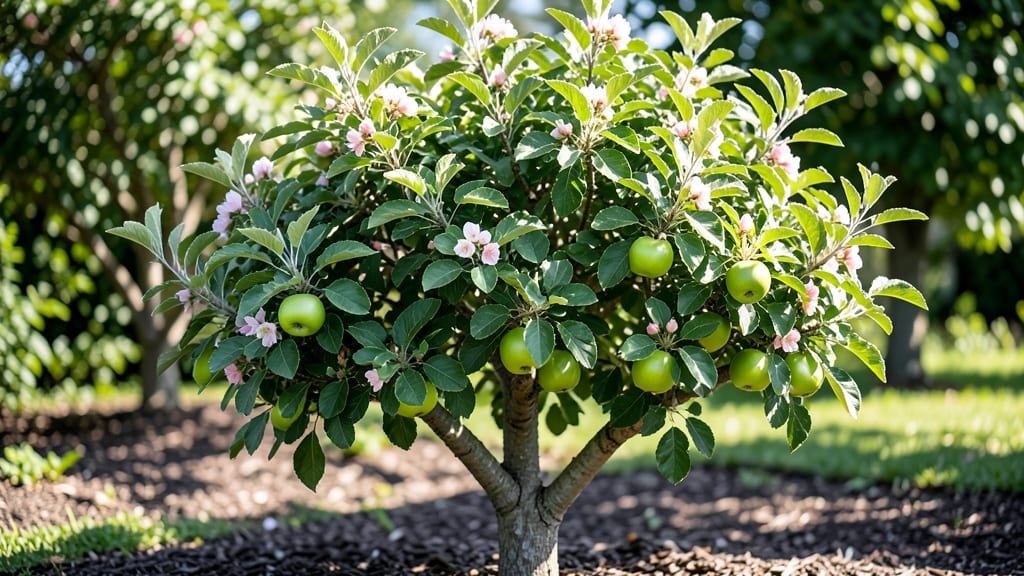
Growing a granny apple tree in your yard means crisp, tart fruit that lasts through winter storage—something store-bought apples can’t match. 🌳 I planted mine in early spring after years of struggling with thin-skinned varieties that rotted before December, and now it’s the backbone of my orchard.
The secret lies in its cold hardiness and disease resistance, traits that make it perfect for zones 4 through 8.
The tree thrives in full sun with well-draining soil, but don’t overcomplicate it—amend heavy clay with compost and mulch well to retain moisture. Water deeply once a week after the first year, and prune annually to open the canopy for airflow, which cuts down on fungal issues.
My tree produces 100+ pounds of fruit by its fifth year, and the flavor only deepens as it ripens.
What sets this variety apart is its ability to store for months without losing quality, making it ideal for fresh eating, baking, or cider. The fruit’s bright green skin and sharp tang pair perfectly with sweet apples in mixed dishes.
With proper care, your tree will reward you for decades—unlike those flimsy grocery-store varieties that last a week.
For those wanting to propagate, grafting works best for true-to-type fruit, while seed-grown trees may take longer to bear. Either way, start small: a single tree can feed a family for years. The real magic? Watching the first harvest in fall, knowing you grew something that lasts through winter’s end.
📚 In This Guide
- What you need
- Instructions
- Tips and common mistakes
- Wrapping up and next steps
What you need
- ● Granny Smith apple tree: 1–3 bare-root saplings (1–2 years old) or container-grown trees (3–5 gallons)
- ● Certified disease-free stock (ask your local nursery!)
- ● Soil: Well-draining, slightly acidic (pH 6.0–6.5) loam or compost mix (50 lbs minimum)
- ● Fertilizer: 10-10-10 balanced fertilizer (1 lb) or organic options like composted manure
- ○ Slow-release citrus/acid-loving plant fertilizer (optional, for potted trees)
- ● Mulch: 2–3 inches of wood chips or straw (avoid fresh mulch near the trunk!)
- ● Planting tools: Shovel or trowel (for digging)
- ● Garden fork (to loosen soil)
- ● Measuring tape (for spacing—15–20 feet apart for full-size trees)
- ● Support: Stake (4–6 ft tall) + tree tie (for young trees in windy areas)
- ○ Cage or wire frame (optional, for dwarf varieties)
- ● Watering: Garden hose with soaker hose or drip irrigation system
- ● Pruning: Bypass pruners (sharp, sterilized)
- ● Loppers (for thicker branches)
- ○ Pruning sealant (optional, for large cuts)
- ● Climate: USDA Zones 5–9 (Granny Smith thrives in cold winters but needs chilling hours)
- ● Sunlight: Full sun (6–8+ hours/day)
- ● Space: Standard trees: 15–20 ft diameter (or 8–10 ft for dwarf varieties)
- ● Urban gardens: Container (at least 15-gallon) with drainage holes
- ● Pollination: Cross-pollination required—plant a second variety (e.g., Golden Delicious) within 50 ft!
- ● Patience: 3–5 years for first harvest (dwarf trees may fruit sooner!)
Step-by-step guide to planting a cold-hardy Granny Smith apple tree
Here's how to get your tart, reliable fruit producer established for years of harvests.
🌱 Step 1: Choose the Perfect Planting Site and Prepare the Soil
Granny Smiths thrive in full sun—pick a spot that gets at least 6-8 hours of direct sunlight daily. Avoid low areas where cold air pools, as these trees need winter hardiness. Test your soil's pH—Granny Smiths prefer slightly acidic soil (6.0-6.5). If your soil is too alkaline, amend it with 2-3 pounds of sulfur per 100 square feet a few months before planting.
Dig a hole twice as wide as the root ball but only as deep. Loosen the sides of the hole with a shovel to encourage root spread. Mix the native soil with 2-3 gallons of compost and 1 cup of bone meal (for phosphorus) to give your tree a nutrient boost right from the start. Here's the thing—Granny Smiths are heavy feeders, so you want to give them a strong foundation.
🪴 Step 2: Plant Your Tree at the Right Depth and Stake for Support
Remove the tree from its container and gently loosen the roots if they're circling. Place it in the hole so the top of the root ball sits 1-2 inches above ground level—this prevents soil from settling and burying the graft union over time. Granny Smiths are grafted trees, and burying the graft can lead to weak, non-fruiting growth.
Backfill the hole with your amended soil mixture, tamping it down lightly as you go. Water deeply to settle the soil around the roots, then add a 4-foot stake if needed. Tie the tree loosely to the stake with soft tree ties (not wire or twine—those can cut into the bark). Water again until the soil is evenly moist to a depth of 12 inches. You'll know it's right when water runs out the bottom of the hole but doesn't pool on the surface.
☀️ Step 3: Mulch and Water for Strong Establishment
Spread 3-4 inches of organic mulch (like wood chips or shredded bark) around the base of the tree, keeping it 3-4 inches away from the trunk to prevent rot. This mulch will help retain moisture, regulate soil temperature, and suppress weeds—all critical for a young tree's first year. Replenish mulch annually as it breaks down.
Water your Granny Smith deeply once a week during the first growing season, providing 10-15 gallons of water per tree. Check moisture by sticking your finger 2-3 inches into the soil—if it feels dry, it's time to water. Avoid overhead watering, which can spread disease. Instead, use a soaker hose or drip irrigation to deliver water directly to the root zone. You'll see strong, dark green leaves within a few weeks—that's your sign the tree is thriving.
✂️ Step 4: Prune for Shape and Health in Early Spring
Wait until late winter or early spring (just before buds swell) to prune your Granny Smith. Remove any dead, diseased, or crossing branches first—these can harbor pests or block sunlight. Then, shape the tree by cutting back branches that grow inward or rub against others. Aim for an open center with good airflow to prevent fungal issues.
Make cuts just outside the branch collar (the swollen area where the branch meets the trunk) at a 45-degree angle. Avoid leaving stubs—these invite rot and disease. For young trees, you can also remove suckers (shoots growing from the base or roots) to direct energy into the main trunk. After pruning, give the tree a light fertilizer application with 10-10-10 to support new growth. You'll notice fresh, vibrant buds forming within a few weeks—that's your cue the tree is ready for the growing season.
Tips & tricks for planting a cold-hardy Granny Smith apple tree
Here's what I learned after planting my first Granny Smith—these little details make all the difference for long-term success.
Sunlight Secret: That 6-8 hours of sunlight is non-negotiable, but here's the thing: morning sun is more important than afternoon. Position your tree to catch those warm morning rays first—they help dry dew quickly and reduce fungal risks. If your yard has afternoon shade, consider planting near a south-facing wall that reflects sunlight back onto the tree.
Soil Prep Strategy: When amending your soil with 2-3 gallons of compost and 1 cup of bone meal, mix it thoroughly but don't overdo it. The key is to create pockets of enriched soil around the roots where they'll grow into. I like to make a "soil donut" by placing most of the compost in a ring around the hole—this encourages outward root growth rather than downward.
Planting Depth Watch: That 1-2 inch height above ground level is critical for grafted trees. After planting, check again after watering—soil can settle and bury the graft. If it gets covered, gently scrape away excess soil to expose the graft union. I mark the correct height with a small stake before planting to double-check later.
Watering Wisdom: The 10-15 gallons per week might seem like a lot, but here's how to make it easier: use a rain gauge near your tree to track rainfall. If you get 1 inch of rain (about 1 gallon per square foot), you can reduce your watering by that amount. For young trees, deep watering is better than frequent shallow watering—it encourages roots to grow deeper where they'll find moisture during droughts.
Pro Tips for Granny Apple Tree
- Here's what I learned after planting my first Granny Smith—these little details make all the difference for long-term success.
- Sunlight Secret: That 6-8 hours of sunlight is non-negotiable, but here's the thing: morning sun is more important than afternoon.
- Soil Prep Strategy: When amending your soil with 2-3 gallons of compost and 1 cup of bone meal, mix it thoroughly but don't overdo it.
Frequently asked questions
Got questions about growing and enjoying your Granny Smith apple tree? We’ve got answers!
Whether you’re a first-time gardener or a seasoned fruit enthusiast, these FAQs cover everything from planting to harvest—and even troubleshooting common issues.
How cold-hardy is the Granny Smith apple tree, and where can I grow it?
The Granny Smith variety thrives in USDA Zones 5-9, making it one of the most cold-hardy apple trees. It can withstand temperatures as low as -20°F (-29°C) once established. For best results, plant it in a location with full sun (6+ hours daily) and well-draining soil. If you’re in a colder zone, choose a dwarf or semi-dwarf variety for easier care.
When is the best time to plant a Granny Smith apple tree?
The ideal time to plant is late fall or early spring, when the ground is workable but not frozen. This gives roots time to establish before extreme heat or cold. Avoid planting in summer heat, as young trees struggle with transplant shock. If you must plant in summer, water deeply 2-3 times per week and mulch heavily to retain moisture.
How long does it take for a Granny Smith apple tree to bear fruit?
With proper care, a Granny Smith apple tree typically bears its first fruit in 3-5 years. Dwarf varieties may fruit slightly sooner (2-4 years), while standard trees can take up to 7 years. Patience is key! Young trees focus on root and branch growth before producing fruit. Prune annually to encourage a strong structure and better yields.
What are the most common pests or diseases affecting Granny Smith trees, and how do I prevent them?
Granny Smith trees are prone to apple scab, codling moths, and aphids. To prevent issues:
- Fungus control: Apply copper fungicide in spring before buds swell.
- Pest deterrents: Use row covers or pesticide sprays (like neem oil) for codling moths.
- Sanitation: Remove fallen leaves and fruit to reduce disease spread.
- Resistant varieties: Consider grafting disease-resistant rootstock if pests are severe.
Monitor your tree regularly for yellowing leaves, holes in fruit, or black spots—early action is the best defense!
Can I grow a Granny Smith apple tree in a container, or does it need ground planting?
Yes! Granny Smith trees can thrive in large containers (15+ gallons), especially dwarf varieties. Use a well-draining potting mix and ensure the pot has drainage holes. Container-grown trees need regular watering, fertilization (every 4-6 weeks), and winter protection (move to a sheltered spot or insulate the pot). However, ground planting is ideal for long-term health and larger harvests.
Pro Tip: Need a quick harvest? Choose a pollination partner like a Golden Delicious or Honeycrisp tree—Granny Smiths are self-pollinating but produce more fruit with a companion!
Wrapping up and next steps
Growing a Granny Smith apple tree is a rewarding journey that brings fresh, tangy-sweet fruit to your table year after year—even in colder climates! 🌳 With the right care, this cold-hardy variety thrives, offering delicious harvests and stunning autumn foliage.
Whether you're a seasoned gardener or a beginner, planting one is a fantastic way to connect with nature and enjoy homegrown goodness.
Ready to take the next step? Start by selecting a healthy sapling or grafted tree, then mark your calendar for planting in early spring or fall. Before you know it, you’ll be savoring crisp Granny Smith apples straight from your own backyard! 🍏✨