
Pruning
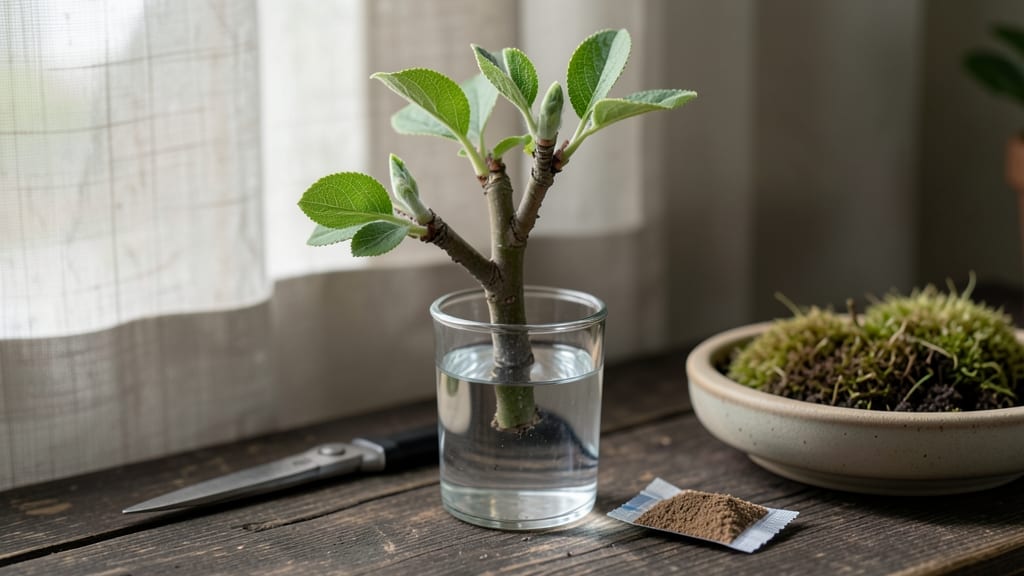
Taking fruit tree cuttings lets you grow new trees from your existing ones—no nursery trips or expensive plants required. ✨ I’ve rooted apple, peach, and even citrus cuttings in my garage with just a few supplies, and the results are hardy young trees ready for transplanting in a year.
The key is timing: semi-hardwood cuttings in late summer or early fall work best, while hardwood cuttings can wait until winter dormancy.
You’ll need sharp pruners, rooting hormone, a well-draining mix of perlite and peat moss, and small pots or trays. Citrus cuttings need extra humidity, so a plastic bag with holes works wonders. Apple and peach cuttings thrive with a 6-inch length, while fig cuttings prefer slightly longer stems.
The process is simple but requires patience—rooting can take 4 to 8 weeks before you see new growth.
What you’ll end up with is a thriving young tree, genetically identical to the parent, that’s ready to plant out when it’s strong enough. The first flush of leaves means success, and you’ll know you’ve done it right when those roots start branching out.
Plus, it’s incredibly rewarding to watch something you grew from a cutting flourish into a full-sized fruit tree.
This method works for almost any fruit tree, from backyard apples to dwarf citrus. Whether you’re expanding your orchard or just love the idea of growing your own, these cuttings are a foolproof way to multiply your favorite varieties. Let’s get those roots growing!
📚 In This Guide
- What you need
- Instructions
- Tips and common mistakes
- Wrapping up and next steps
What you need
- ● Healthy fruit tree cuttings: 3–5 semi-hardwood cuttings (6–12 inches long, pencil-thick)
- ● Taken from non-flowering, disease-free branches
- ● Rooting hormone: 1 small bottle (powder or gel)
- ● Well-draining potting mix: 1 bag (50% perlite/vermiculite, 50% peat moss or coconut coir)
- ● Small pots or trays: 4–6 (4–6 inches deep with drainage holes)
- ● Plastic bags or clear containers: 1–2 (to create humidity domes)
- ● Spray bottle: 1 (with water for misting)
- ● Pruning shears: 1 pair (sterilized with rubbing alcohol)
- ● Heat mat ($$) – Speeds up rooting in cooler climates
- ● Fungicide (e.g., hydrogen peroxide solution) – Prevents rot
- ● Label markers – Track cutting varieties
- ● Grow lights – For low-light setups
How to propagate fruit tree cuttings for healthy new trees
Here's the straightforward method I've used to grow strong fruit trees from cuttings—no fancy tools or guesswork.
🌿 Step 1: Select and Prepare Healthy Cuttings
Choose 4-6 inch long cuttings from last year's growth—they should be pencil-thick with 3-4 leaf nodes. Make a clean cut just below a node with sharp pruners, then strip off all but the top 2-3 leaves. This reduces moisture loss while keeping enough foliage for photosynthesis.
Here's the thing—timing matters. Take cuttings in late winter or early spring when the tree is still dormant but starting to stir. Avoid summer cuttings; they wilt fast. Dip the cut end in rooting hormone (if using) to double your success rate. I always label each cutting with the tree type and date—you'll forget which is which after a few weeks.
💧 Step 2: Create the Perfect Moisture Environment
Fill a clear plastic container with 2 inches of water—just enough to submerge the cut end by 1 inch. Use a wide-mouth jar or even a repurposed soda bottle with the bottom cut off. Add a few drops of liquid seaweed extract to boost root growth (optional but helpful).
Place the container in a spot with bright, indirect light—no direct sun yet. You'll see tiny bubbles forming within 24-48 hours as roots start developing. Change the water every 3-4 days to prevent bacterial growth. If the water gets cloudy before then, dump and refresh it immediately.
☀️ Step 3: Encourage Root Growth and Harden Off
After 4-6 weeks, you'll notice white, fuzzy roots growing from the cut end—this is your signal to start hardening off. Move the container to a shadier spot for a few hours daily, gradually increasing exposure. Strong roots mean the cutting can handle more light without stress.
Once roots reach 1-2 inches long, it's time to transplant. Fill a small pot with moist potting mix and plant the cutting 1 inch deep. Water lightly and keep the soil consistently moist (not soggy) for the first 2 weeks. You'll know it's thriving when new leaves appear—usually within 3-4 weeks of transplanting.
✂️ Step 4: Transition to Soil and Long-Term Care
After 3 months, your cutting should have a strong root system and new growth. That's when you can move it to a larger pot or directly into the ground. Choose a sunny location with well-draining soil—fruit trees need 6+ hours of sun daily to bear fruit.
Real talk: The first year is all about establishing roots. Water deeply once a week unless your area gets heavy rain. Mulch around the base with 2-3 inches of organic mulch to retain moisture and protect roots. You'll see flowers (and eventually fruit) in 2-3 years—patience pays off here.
Tips & tricks for perfect fruit tree cuttings
Common pitfalls—and how to sidestep every one—when growing fruit trees from cuttings.
Timing Secret: Late winter or early spring is your golden window for cuttings because the tree is just waking up from dormancy. If you miss this, your next best chance is fall—just avoid summer like the plague. Summer cuttings wilt within hours because the leaves are actively photosynthesizing and drawing too much moisture. I learned this the hard way after watching a batch of summer cuttings turn into sad, droopy sticks in my kitchen.
Root Growth Rescue: Those 24-48 hours before you see the first bubbles are critical. If you don't notice bubbles by day 3, gently tilt the container to check for root formation. No roots yet? Try adding a few drops of liquid seaweed extract to the water—it's like a vitamin boost for your cuttings. And if the water gets cloudy before 3-4 days, don't wait—dump and refresh it immediately. Bacteria can turn your water into a soup that chokes your cuttings before they even get started.
Transplanting Technique: When roots reach 1-2 inches in Step 3, resist the urge to rush the transplant. The first 2 weeks after moving to soil are make-or-break. I've seen cuttings with perfect roots fail because I watered too heavily or let the soil dry out. Use your finger to check soil moisture—it should feel damp about an inch below the surface, not soggy or bone-dry. A spray bottle helps with gentle watering during this delicate phase.
Long-Term Care: That 2-3 inch mulch layer isn't just for looks—it's your cutting's winter blanket and summer shield. In hot weather, it keeps roots cool; in winter, it protects against temperature swings. And here's a pro move: add a handful of compost to the mulch every few months. It feeds the roots without overwhelming the young tree, giving you stronger growth year after year.
Pro Tips for Fruit Tree Cuttings
- Common pitfalls—and how to sidestep every one—when growing fruit trees from cuttings.
- Timing Secret: Late winter or early spring is your golden window for cuttings because the tree is just waking up from dormancy.
- Root Growth Rescue: Those 24-48 hours before you see the first bubbles are critical.
Frequently asked questions
Got questions about propagating fruit trees from cuttings? You’re not alone! Here are some of the most common concerns—and their straightforward answers—to help you grow with confidence.
What’s the best time of year to take fruit tree cuttings?
The ideal window is late winter or early spring, just before new growth begins. For semi-hardwood cuttings (a popular choice), aim for late summer to early fall when the tree’s sap is slowing down but leaves are still green. Avoid extreme heat or frost—timing is everything!
Do I need special tools, or can I use household items?
You’ll want sharp pruners or shears for clean cuts, but the rest is flexible! Root hormone powder (optional but helpful) and a well-draining potting mix are key. Household items like plastic bags (for humidity) or even a clean glass jar (for water propagation) can work in a pinch—just sterilize anything touching the cutting.
How often should I water my cuttings, and how will I know if they’re rooting?
Keep the soil or water consistently moist (not soggy!) by misting daily or watering lightly every 2–3 days. To check for roots: Gently tug the cutting after 4–6 weeks—if there’s slight resistance, roots are forming! For water propagation, look for tiny bubbles or white root tips at the stem’s base.
Why are my cuttings turning brown or mushy?
Brown edges or mushy stems usually mean rot from overwatering or poor airflow. Trim affected areas immediately, reduce watering, and ensure cuttings get bright, indirect light. If the whole cutting turns brown, it’s likely dead—start fresh with a new cutting!
Can I propagate any fruit tree from cuttings, or do some require grafting?
Many fruit trees (like apples, pears, and citrus) root easily from cuttings, but others—such as stone fruits (peaches, cherries) or avocados—often need grafting for consistency. Research your specific tree! If unsure, start with a proven rooter like a fig or olive branch for beginner-friendly success.
Still stumped? Drop your question in the comments—we’re happy to help your cuttings thrive!
Wrapping up and next steps
Growing fruit trees from cuttings is a rewarding way to expand your orchard—without the wait of starting from seeds! With the right tools, timing, and care, you can nurture thriving trees from simple branches.
Whether you're a beginner or a seasoned gardener, this method offers a cost-effective and satisfying way to propagate your favorite varieties.
Ready to take the next step? Start by gathering cuttings from healthy trees, then follow the steps above to root them successfully. Happy growing! 🌱🍎