
Trees
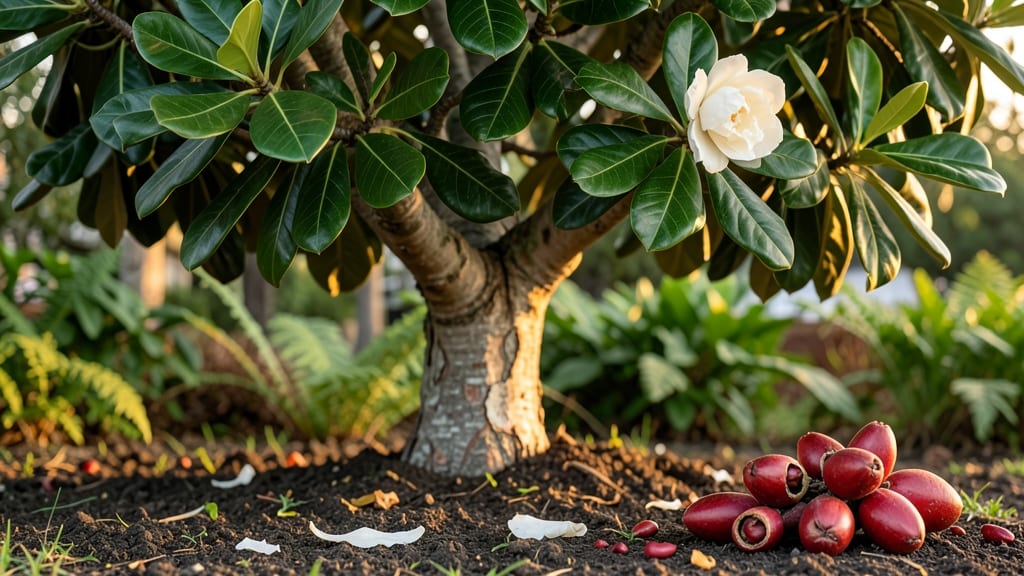
Fragrant flowering trees turn your Pacific Northwest garden into a living perfume bottle, where every breeze carries the scent of spring long after the petals fall. 🌸 I’ve planted mine along the north-facing fence where the morning sun lingers—cedar, dogwood, and magnolia now define the neighborhood’s signature aroma, drawing hummingbirds and bees by the hundreds.
These trees aren’t just about scent—they’re the backbone of a pollinator-friendly garden that thrives year-round. A western red cedar provides evergreen structure, while Pacific dogwood bursts with white blooms in May, followed by red twig dogwood in fall for color and winter interest.
Even in small spaces, a dwarf flowering cherry fits perfectly, offering bursts of pink without overwhelming the yard.
Imagine stepping into your garden in June and being greeted by the sweet, honeyed perfume of mock orange, or the spicy vanilla notes of syringa in July. The right placement—near patios, walkways, or seating areas—turns your garden into an open-air spa.
Pair them with lavender for a cottage vibe or salvia for a modern contrast, and you’ve created a sensory experience that lasts through all four seasons.
Whether you’re designing a formal entryway or a wildflower meadow, these trees adapt beautifully. They handle the Pacific Northwest’s damp winters and mild summers with ease, making them the low-maintenance stars of any landscape. Let’s bring that fragrance to your garden—naturally.
📚 In This Guide
- What you need
- Instructions
- Tips and common mistakes
- Wrapping up and next steps
What you need
- ● Fragrant flowering tree saplings: Choose 2–3 native or well-adapted species like Magnolia grandiflora, Syringa meyeri (Lilac), or Prunus serrulata (Cherry Blossom). Buy 1–2 per variety for diversity.
- ● High-quality potting soil: 5–10 gallons (mix with compost for nutrient-rich soil).
- ● Organic mulch: 2–3 cubic feet (cedar or wood chips work best).
- ● Slow-release fertilizer: 1–2 pounds (look for a balanced 10-10-10 or organic option).
- ● Pruning shears: Sharp, bypass-type shears for shaping and maintenance.
- ● Garden gloves: A pair to protect your hands from thorns or rough bark.
- ● Watering can or hose: With a gentle spray nozzle for deep watering.
- ● Shovel & trowel: For digging holes (12–18 inches wide and deep for small trees).
- ● Measuring tape: To ensure proper spacing (15–25 feet between trees, depending on maturity).
- ○ Optional: Soil pH test kit (to check acidity/alkalinity, ideal range: 6.0–7.0).
- ● Tree stakes & ties (for young, unstable trees in windy areas).
- ● Drip irrigation system (for efficient watering in dry spells).
- ● Sunlight assessment: Confirm your planting site gets 6+ hours of sunlight daily (most fragrant trees thrive in full sun).
- ● Soil test: Ensure good drainage (PNW’s clay soil may need amendments like perlite).
- ● Local climate check: Verify your tree’s hardiness zone (most PNW trees suit Zones 7–9).
- ● Pollinator prep: Plant companion flowers (e.g., lavender, bee balm) nearby to boost nectar sources.
How to select and plant fragrant flowering trees for year-round Pacific Northwest beauty
Here’s how to choose and establish trees that bring scent and pollinators to your garden all season long.
🌱 Step 1: Choose the Right Trees for Your Site and Seasonal Needs
Start with native Pacific Northwest species like western red cedar (Thuja plicata) for year-round fragrance, Pacific dogwood (Cornus nuttallii) for spring blooms, or sweetbox (Sarcococca hookeriana) for winter scent. These thrive in your climate and support local pollinators. Avoid non-native invasives—they disrupt ecosystems and often lack resilience.
Check your sunlight exposure first. Full sun (6+ hours) suits dogwood and magnolia, while partial shade works better for sweetbox and rhododendrons. Soil matters too: Most PNW natives prefer well-draining, acidic soil (pH 5.0–6.5). Test your soil before planting—amend with peat moss or pine bark if needed.
🌿 Step 2: Prepare the Planting Site for Optimal Growth
Dig a hole twice as wide as the root ball but no deeper—this prevents root suffocation. Loosen the sides of the hole with a shovel to encourage root spread. If your soil is heavy clay (common in the PNW), mix in 3 inches of compost into the bottom of the hole to improve drainage.
Place the tree so the root flare (where roots meet trunk) sits 1–2 inches above ground level. This prevents soil from smothering the trunk. Backfill with native soil, tapping gently to remove air pockets. Water deeply to settle the soil—10 gallons per tree—until moisture reaches 6 inches deep.
☀️ Step 3: Mulch and Water for Long-Term Establishment
Spread 3 inches of wood chips or bark mulch over the root zone, keeping it 6 inches away from the trunk to prevent rot. Mulch retains moisture, suppresses weeds, and regulates soil temperature—critical for fragrant trees that thrive in cooler climates. Replenish mulch annually as it breaks down.
Water twice weekly for the first year, providing 15–20 gallons per tree each time. Newly planted trees need consistent moisture to establish roots. After the first year, reduce to once weekly during dry spells. Watch for wilting leaves or yellowing—these are signs of over- or under-watering.
✂️ Step 4: Prune for Health and Fragrance
Prune in late winter or early spring before new growth begins. Remove dead, crossing, or diseased branches first—this improves airflow and reduces pests. Thin out crowded branches to open the canopy, which lets sunlight reach lower limbs and enhances flowering. Never remove more than 25% of the tree’s foliage in one season.
For flowering trees, prune after blooming to preserve next year’s blossoms. For example, prune Pacific dogwood in summer (June–July) to shape without sacrificing spring flowers. Use clean, sharp pruners and sterilize them with rubbing alcohol between cuts to prevent disease spread.
Tips & tricks for perfect fragrant flowering trees
Here's what I've learned after planting and nurturing these pollinator magnets for years—details that make all the difference in your PNW garden.
Native Species Selection: Western red cedar and sweetbox are my top picks for scent, but don't overlook Oregon grape holly (Mahonia aquifolium) for its winter berries and spring blooms. These natives have evolved alongside PNW pollinators, so they're the most reliable choices. I always check for local nurseries that grow trees propagated from PNW stock rather than generic imports.
Soil Prep Strategy: The 3 inches of compost in Step 2 is non-negotiable for heavy clay soils, but here's the pro move: mix in 1 part peat moss to 3 parts native soil when amending. This creates the ideal acidic environment (pH 5.0-6.5) while improving drainage. I test my soil every 2 years to monitor pH—most PNW soils naturally acidify over time.
Watering Wisdom: Those 15-20 gallons per tree in the first year might sound like a lot, but here's the trick: water deeply in the morning so roots absorb moisture before afternoon heat. I use a rain gauge to track rainfall—if you get 1 inch of rain, you can skip one watering session. The key is consistent moisture without waterlogging, especially during our wet winters.
Pruning Precision: When pruning Pacific dogwood in summer (June-July), I never remove more than 25% of foliage, but I focus on removing branches that grow inward. This opens the canopy for better airflow and sunlight penetration to lower branches. Always sterilize your pruners between cuts—disease spreads quickly in our damp climate.
Pro Tips for Fragrant Flowering Trees
- Here's what I've learned after planting and nurturing these pollinator magnets for years—details that make all the difference in your PNW garden.
- Native Species Selection: Western red cedar and sweetbox are my top picks for scent, but don't overlook Oregon grape holly (Mahonia aquifolium) for its winter berries and spring blooms.
- Soil Prep Strategy: The 3 inches of compost in Step 2 is non-negotiable for heavy clay soils, but here's the pro move: mix in 1 part peat moss to 3 parts native soil when amending.
Frequently asked questions
Got questions about fragrant flowering trees? You’re not alone! Here are some of the most common inquiries—plus quick, practical answers to help you choose, care for, and enjoy these pollinator powerhouses.
Which fragrant trees thrive best in the Pacific Northwest’s rainy climate?
The PNW’s mild, wet winters and cool summers suit Magnolia (like Magnolia grandiflora), Syringa (lilacs), and Prunus (cherry blossoms). Opt for varieties with disease-resistant foliage, such as Magnolia ‘Exmouth’ or Syringa ‘Tinkerbelle’, which handle moisture well. Avoid tropical species like Plumeria, which struggle with cold snaps.
When is the best time to plant fragrant flowering trees for spring blooms?
Plant in early fall (September–October) or late winter (February–March) to give roots time to establish before summer heat. For container-grown trees, you can plant up to 6 weeks before your last frost. Pro tip: Mulch heavily around the base to retain moisture and protect roots during PNW’s wet winters.
Do fragrant trees attract bees and other pollinators year-round?
Most fragrant trees bloom seasonally (spring/early summer), but some offer extended interest. For example:
- Magnolia blooms in late winter/early spring (before leaves emerge).
- Viburnum (like Viburnum ‘Witch Hazel’) blooms in fall/winter.
- Rhododendron provides spring nectar and evergreen foliage for winter shelter.
Why aren’t my fragrant trees blooming? Troubleshooting tips.
If your tree skips blooms, check these common issues:
- Age: Young trees (under 3–5 years) may need time to mature.
- Sunlight: Most fragrant trees need 6+ hours of sun daily—shady spots reduce blooms.
- Pruning: Prune after flowering (never in late winter) to avoid cutting off next year’s buds.
- Nutrients: A balanced fertilizer (like 10-10-10) in early spring can help.
- Pests/Disease: Yellow leaves or sawdust-like frass? Check for aphids or borers—treat with neem oil if needed.
What’s a low-maintenance fragrant tree alternative to high-fuss varieties?
Skip the fuss with these hardy, low-maintenance options:
Tree
Fragrance Notes
Why It’s Easy
Syringa ‘Blue Skies’ (Lilac)
Sweet, lavender-like
Drought-tolerant once established; resists most pests.
Cercis canadensis ‘Forest Pansy’ (Eastern Redbud)
Subtle, almond-like
Adapts to urban soils; minimal pruning needed.
Chionanthus virginicus (Fringe Tree)
Delicate, jasmine-like
Tolerates wet soils; deer-resistant.
Wrapping up and next steps
Transforming your Pacific Northwest landscape with fragrant flowering trees isn’t just about beauty—it’s about creating a thriving ecosystem that delights your senses and supports local pollinators year-round. 🌸 From the delicate blooms of the Pacific Dogwood to the bold charm of Oregon Grape Holly, these trees offer a symphony of scents, colors, and seasonal interest that turns any garden into a haven.
Ready to take the next step? Start by researching the top picks for your microclimate, then sketch a simple layout to maximize fragrance and pollinator benefits. Whether you’re a seasoned gardener or a curious beginner, every tree you plant is an investment in nature’s sweetest rewards.