
Pruning
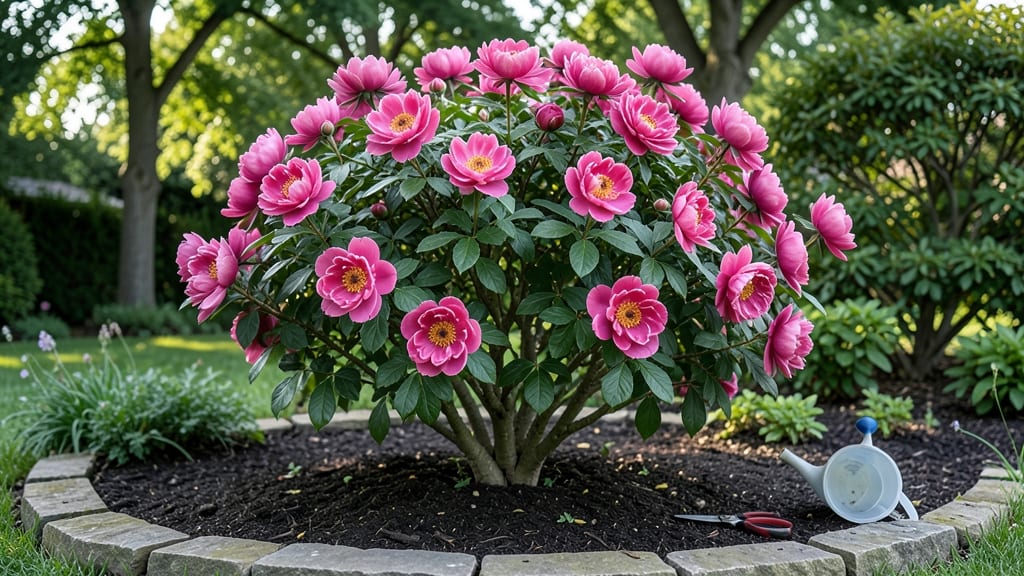
The flowering peony tree transforms your Pacific Northwest garden into a showstopper with its frost-hardy, velvety blooms—just when spring arrives. 🌸 I’ve watched mine push through snowmelt each March, unfurling pink and white blossoms that last for weeks.
The secret to those dramatic displays isn’t just patience; it’s knowing exactly when and how to prune, especially in our damp, cool climate.
This tree thrives in zones 4-8, making it perfect for PNW gardeners, and it’s surprisingly low-maintenance once established. You’ll need well-draining soil, full sun, and a little winter protection for young plants.
The real magic happens in late winter when you prune back dead stems—this encourages stronger growth and bigger blooms next season. Most people skip this step, and that’s why their peony trees never reach their full potential.
By summer’s end, you’ll have a tree heavy with fragrant blooms that attract bees and hummingbirds. The foliage stays lush until frost, and the stems make stunning dried arrangements.
With the right pruning schedule, your peony tree will reward you for years—just like mine has done since I planted it five years ago. Let’s get those blooms popping!
Works equally well as a standalone specimen or alongside other shrubs. The key is timing: prune after the first flush of blooms, but before new growth hardens. That’s when you’ll see the biggest difference in next year’s display. Ready to make yours the star of your garden?
📚 In This Guide
- What you need
- Instructions
- Tips and common mistakes
- Wrapping up and next steps
What you need
- ● Pruning shears: Bypass pruners (sharp, clean, and sterilized with rubbing alcohol or bleach solution). Spec: 6–8" blades for precision.
- ● Loppers: For thicker branches (½"–1½" diameter). Spec: Bypass or anvil type (avoid anvil for peony wood).
- ● Hand pruners: For delicate cuts (e.g., deadheading). Spec: Ergonomic grip, 5–7" blades.
- ● Garden gloves: Heavy-duty, cut-resistant (e.g., Felco or Fiskars brands). Why? Thorny stems!
- ● Disinfectant: 1-part bleach to 9 parts water (for sterilizing tools between cuts).
- ● Rag or paper towels: For wiping tools and hands.
- ○ Pruning sealant (optional): For large cuts (>½" diameter). Spec: Tree wound paint or beeswax-based.
- ● Marking twine or flags: To tag branches for removal (if planning a major overhaul).
- ● Timing: Prune after blooms fade (late spring/early summer) or in late winter (before buds swell). PNW’s mild winters mean minimal frost risk!
- ● Weather: Choose a dry, overcast day (humidity slows healing). Avoid pruning in rain or extreme heat.
- ● Safety gear: Safety glasses (for debris) and long sleeves/pants (protection from thorns and sap).
- ● Cleanup supplies: Heavy-duty trash bags (3–5 gallons) for debris. Pro tip: Shred larger branches for mulch!
- ● Extension pole saw: For high branches (10–15 ft). Spec: Telescoping, 3–4 ft reach.
- ● Ladder: Sturdy, 6–8 ft (for hard-to-reach areas). Safety: Use stabilizers!
- ● Camera or sketchpad: To document the tree’s structure before pruning (helpful for beginners).
- ● Compost bin: For repurposing pruned branches (nitrogen-rich green material!).
Step-by-Step Pacific Northwest pruning for flowering peony trees
Here's how to coax dramatic blooms from your peony tree every season—even in our damp, chilly climate.
🌿 Step 1: Time Your Pruning for Late Winter Dormancy
Prune your flowering peony tree in late winter when the plant is fully dormant but before new growth begins. In the Pacific Northwest, this means February or early March—after the worst winter frosts have passed but before buds swell. You'll know it's time when the ground feels firm to the touch and no new shoots have emerged yet.
I always prune on a dry, sunny day when temperatures are above 40°F. Cold, wet conditions stress the plant and can invite fungal infections. If you miss this window, wait until early spring—just don't delay past mid-March, or you risk cutting off next season's blooms before they form.
✂️ Step 2: Remove Dead and Crossing Branches First
Start by cutting out any dead, diseased, or damaged branches at the base using clean, sharp pruners. These branches won't produce flowers and can harbor pests or diseases. Look for branches that are brown, brittle, or hollow—they're easy to spot against the tree's healthy green or reddish-brown bark.
Next, remove any branches that cross or rub against each other. These create wounds where bacteria and fungi can enter. Make your cuts just outside the branch collar (the swollen area where the branch meets the trunk) at a 45-degree angle. This ensures the tree can seal the wound naturally and prevents water from pooling.
🌱 Step 3: Thin Out Overcrowded Areas for Better Airflow
Peony trees bloom best when they have good airflow and sunlight. Look for areas where branches are too dense—this is where blooms often fail to develop or get weak and leggy. Selectively remove 10-20% of the thinnest, smallest branches that aren't producing strong blooms.
Focus on branches growing inward or downward, as these block light and air from reaching the center of the tree. You'll see healthier growth immediately after—new shoots will emerge straighter and with more vigor. Avoid cutting more than one-third of the tree's foliage in a single pruning session to prevent shock.
☀️ Step 4: Shape the Tree for Maximum Bloom Display
Peony trees naturally grow in a rounded, bushy shape, which is perfect for showcasing their dramatic blooms. Step back and visualize how you want the tree to look from all angles. Remove branches that spoil the natural silhouette—these are often the ones growing outward at sharp angles or upward in a way that disrupts the balance.
For a more open, airy look, cut back some of the longer branches by one-third to one-half their length. This encourages bushier growth and more flower buds. Always make cuts just above a leaf bud or side branch—this is where new growth will emerge. Avoid cutting into old wood, as peony trees are slow to regenerate from severe cuts.
🪴 Step 5: Clean Up and Protect for Spring Growth
After pruning, rake up and dispose of all clippings—never leave them on the ground. Peony tree debris can harbor diseases like powdery mildew or botrytis, which thrive in our damp Pacific Northwest climate. Sterilize your pruners with rubbing alcohol or a 10% bleach solution to prevent spreading pathogens between cuts.
Apply a 2-3 inch layer of mulch around the base of the tree (but keep it 6 inches away from the trunk) to protect roots from freezing and retain moisture. Water deeply but avoid soaking the soil—peony trees prefer well-draining conditions and can rot if left too wet. Your tree is now ready to burst into bloom come spring!
Tips & tricks for perfect flowering peony tree pruning
Pruning your peony tree might seem intimidating, but these simple tricks will help you achieve stunning blooms that thrive in our Pacific Northwest climate.
Timing is Everything: The late winter window between February and early March is your best shot for dramatic blooms. I learned this the hard way—waiting until April once meant I missed the prime budding phase, and my tree produced only half the flowers. Check for firm ground and no new shoots before you start cutting. If you're unsure, grab a handful of soil—if it crumbles easily, it's time to prune.
The 45-Degree Cut Secret: When removing branches in Step 2, that 45-degree angle isn't just decorative—it's crucial. This angle prevents water from pooling at the cut, which can lead to fungal infections. I always visualize a small smile on the cut side of the branch. For stubborn branches, use sharp pruners and cut just outside the branch collar where it meets the trunk. This helps the tree heal faster and prevents unsightly wounds.
Thinning for Airflow: In Step 3, when you're thinning out dense areas, focus on removing branches that grow inward or downward. These are the ones blocking sunlight and air from reaching the center of your tree. I like to think of it as giving my tree a spa day—removing the branches that would otherwise create a cozy, damp hiding spot for pests. Remember, you're aiming for that open, airy look that lets sunlight penetrate all the way to the center where next year's buds are forming.
Mulch Like a Pro: After you've finished pruning, that 2-3 inch layer of mulch isn't just for looks. It's a protective blanket for your tree's roots during our chilly Pacific Northwest springs. I always keep it 6 inches away from the trunk to prevent rot. For extra protection, I use cedar mulch—it naturally repels pests and adds a lovely fragrance to my garden. Just remember to water deeply after applying, but avoid soaking the soil to prevent root rot.
Pro Tips for Flowering Peony Tree
- Pruning your peony tree might seem intimidating, but these simple tricks will help you achieve stunning blooms that thrive in our Pacific Northwest climate.
- Timing is Everything: The late winter window between February and early March is your best shot for dramatic blooms.
- The 45-Degree Cut Secret: When removing branches in Step 2, that 45-degree angle isn't just decorative—it's crucial.
Frequently asked questions
Got questions about your flowering peony tree? You’re not alone! Whether you’re a Pacific Northwest gardener or just curious about these stunning blooms, here are answers to the most common queries—from pruning tips to frost resilience.
When is the best time to prune a flowering peony tree in the PNW?
The ideal time to prune is late winter or early spring (February–March), after the worst frost has passed but before new growth begins. This timing ensures you don’t cut off next year’s buds while still shaping the tree for bold summer blooms. Avoid pruning in fall—it can stimulate tender growth vulnerable to cold.
How cold-hardy are flowering peony trees, and do they need winter protection?
Most flowering peony trees (like Paeonia suffruticosa) thrive in USDA Zones 4–8, making them perfect for the PNW’s chilly winters. However, young trees or newly planted specimens may benefit from a light mulch (3–4 inches) around the base and burlap wrapping for extra insulation during extreme freezes (<20°F). Established trees usually handle frost like a champ!
How much can I trim back a flowering peony tree without harming it?
You can safely remove up to ⅓ of the tree’s height in one pruning session, but avoid “topping” (cutting flat across the top). Focus on dead, crossing, or overcrowded branches first, then thin out the center for airflow. Never prune more than 20% of the canopy in a single year—these trees bloom on old wood, so heavy cuts reduce flowers!
What’s the difference between a peony tree and a regular peony bush?
Here’s the quick breakdown:
- Peony Tree (Paeonia suffruticosa): A woody shrub/tree (6–10 ft tall) with large, showy flowers (3–5 inches) and frost-resistant growth. Blooms on new and old wood.
- Peony Bush (Paeonia lactiflora or herbaceous types): Non-woody perennials (1–3 ft tall) that die back to the ground in winter. Blooms only on old wood—so prune carefully!
Why aren’t my peony tree flowers opening, and how can I fix it?
If buds refuse to bloom, check these fixes:
- Too much shade? Move to full sun (6+ hours/day)—peony trees need light for energy.
- Over-pruned? Avoid heavy cuts; these trees bloom on last year’s growth.
- Pests/disease? Inspect for aphids, scale, or fungal spots (like powdery mildew). Treat with neem oil or fungicide if needed.
- Young tree? Peony trees often take 2–3 years to reach full bloom—patience pays off!
Wrapping up and next steps
The flowering peony tree is a stunning addition to the Pacific Northwest’s gardens, offering bold, frost-resistant blooms that bring color and charm to any landscape. With the right pruning techniques—like timing cuts after blooms fade and using sharp tools—you’ll keep your tree thriving for years.
Now that you’re armed with the know-how, roll up your sleeves and give your peony tree the care it deserves!
Ready to transform your garden? Grab your pruners and start pruning today! 🌸✂️