
Pruning
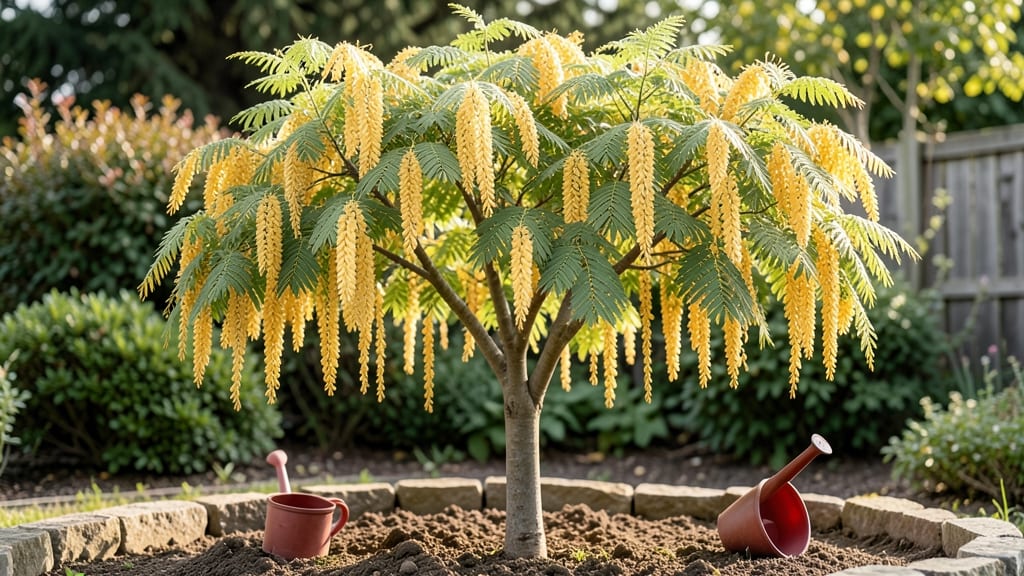
Your Pacific Northwest garden just gained its most dramatic focal point with a golden chain tree (Laburnum)—those cascading golden blooms in spring are worth every bit of care.
I’ve learned the hard way that pruning makes the difference between a leggy mess and a healthy, showstopping specimen that thrives through our chilly winters. The key? Timing, technique, and understanding how this European import handles our damp, cool climate.
You’ll need sharp pruners, a sturdy ladder (for those higher branches), and a clear day to work—no soggy soil or rain in the forecast.
Laburnums hate wet wood, so prune when the ground is dry and the tree’s dormant in late winter or early spring, just as buds begin to swell. The goal is to shape it into a graceful, open form while removing dead or crossing branches that crowd out sunlight.
With proper pruning, you’ll reward yourself with vibrant golden chains that last weeks longer than neglected trees, plus stronger branches that resist wind damage. The secret’s in the cuts: always prune just above a leaf bud or outward-facing branch to encourage new growth.
And here’s the best part—once established, these trees handle our frosts like champs, coming back stronger every year.
Whether you’re shaping a young sapling or refreshing an older tree, the same principles apply. Pacific Northwest gardeners love Laburnums for their bold seasonal impact—just don’t let them grow too wide for their space. Ready to transform that corner of your yard into a springtime spectacle?
📚 In This Guide
- What you need
- Instructions
- Tips and common mistakes
- Wrapping up and next steps
What you need
- ● Pruning shears (bypass or anvil type) – Choose sharp, clean shears (4–6" blades) for clean cuts. Disinfect with rubbing alcohol before/after use to prevent disease.
- ● Lopping shears or pruning saw – For thicker branches (1–3" diameter). Opt for a bow saw or pruning saw with a curved blade for precision.
- ● Gloves (heavy-duty, cut-resistant) – Laburnum seeds are toxic; wear nitrile-coated gloves to avoid skin contact.
- ● Safety glasses – Protect your eyes from debris, especially when sawing.
- ● Ladder or sturdy step stool – Ensure it’s stable and rated for your weight (200+ lbs capacity).
- ○ Disposable pruning sealant (optional but helpful) – A tree wound dressing (like Tanglefoot) to coat large cuts and reduce disease risk.
- ● Trash bags or bucket – For collecting pruned branches and seeds (do not compost—they’re toxic!).
- ● Best time to prune: Late winter or early spring (before buds swell) for frost-resistant PNW climates. Avoid pruning in fall—it invites disease.
- ● Weather check: Choose a dry, calm day (no rain forecasted for 24–48 hours). Wet conditions = higher risk of fungal infections.
- ● Safety first!: Ensure the tree is stable—shake it gently to check for weak limbs.
- ● Have a spotter if working on a ladder.
- ● 🌡️ Temperature matters: Wait until hard frosts have passed (typically late February–March in the PNW) to avoid stressing the tree.
- ● ✂️ Cut at the right angle: Make cuts just outside the branch collar (the swollen area where the branch meets the trunk) for faster healing.
- ● ⚠️ Toxicity warning: All parts of Laburnum are poisonous—keep pets and kids away during and after pruning!
Step-by-step instructions for pruning golden chain trees in cold climates
Here’s how I keep my laburnums thriving through Pacific Northwest winters.
Time Your Pruning for Late Winter or Early Spring
Prune your golden chain tree between late February and early March, just as buds begin to swell but before new growth starts. This timing ensures the tree isn’t stressed by late frosts, which can damage tender new shoots. In the Pacific Northwest, wait until the last hard freeze has passed—usually after mid-March in most zones.
Real talk: I’ve learned the hard way that pruning too early can leave branches vulnerable to cold snaps. Watch for bud break (when buds plump slightly) as your signal. If you miss this window, you can still prune in early fall, but avoid heavy cuts then—just remove dead or diseased branches to prevent winter rot.
Remove Dead, Diseased, or Weak Branches First
Start by cutting out any dead, diseased, or crossing branches using clean, sharp pruners. Look for branches with no green tissue inside (tap them—they’ll sound hollow) or signs of fungal spots. I always disinfect my tools with rubbing alcohol between cuts to prevent spreading disease.
Next, remove branches growing inward or rubbing against others. These compete for energy and create wounds that invite pests. Aim for an open center—your tree’s crown should let light and air circulate freely. If a branch is larger than ½ inch thick, make the cut just outside the branch collar (the swollen area where the branch meets the trunk).
Shape the Tree for Balance and Airflow
Step back and assess the tree’s structure. Golden chain trees naturally grow in a rounded, multi-stemmed form, so avoid heavy topping—it encourages weak, leggy growth. Instead, focus on thinning out rather than shearing. Remove up to 25% of the canopy to reduce stress, but never take more than one-third in a single season.
For mature trees, prioritize branches that are thicker than 1 inch—these are the structural backbones. Cut them back to a side branch or outward-facing bud to encourage outward growth. If you’re unsure which branch to keep, follow the "water sprouts" (fast-growing vertical shoots)—these often indicate where the tree wants to grow next.
Clean Up and Protect Against Winter Stress
After pruning, rake up and dispose of all clippings—don’t compost them if they show signs of disease. I like to mulch the base with 2-3 inches of wood chips to insulate roots from temperature swings. Avoid piling mulch against the trunk, though—keep it 6 inches away to prevent rot.
If your tree is young or in a windy spot, consider wrapping the trunk with tree guard fabric for the first few winters. This protects against sunscald (bark damage from winter sun) and rodent chewing. Water deeply in late fall before the ground freezes, but avoid overwatering—soggy soil in winter can suffocate roots.
Tips & tricks for pruning golden chain trees in cold climates
Here's what I've learned after years of keeping my laburnums thriving in the Pacific Northwest's unpredictable winters.
Timing is Everything: The late February to early March window is critical because it balances avoiding late frosts while still catching the tree before active growth begins. I check local frost dates each year and mark my calendar—missing this window can stress the tree and leave it vulnerable to winter damage. If you're unsure, look for buds that have swollen but haven't yet opened; that's your perfect signal to prune.
Tool Preparation Matters: Your pruners should be as sharp as possible—dull tools crush branches instead of making clean cuts, which creates larger wounds that heal more slowly. I always clean and disinfect my tools between cuts using rubbing alcohol, especially when dealing with diseased branches. For branches larger than ½ inch, consider using a pruning saw for cleaner cuts that heal better. Remember, the cleaner the cut, the faster the tree can seal the wound and protect itself from pests.
Structural Balance is Key: When shaping your tree in Step 3, focus on creating an open center that allows light and air to circulate throughout the canopy. This prevents fungal diseases and encourages stronger growth. For mature trees, prioritize removing branches that are growing inward—they compete for sunlight and nutrients with healthier branches. The 25% canopy reduction guideline is your safety net; exceeding this can stress the tree, especially in our cold climate where recovery takes longer.
Post-Pruning Protection: After you've finished pruning, don't forget the cleanup and protection steps. Raking up and disposing of diseased clippings prevents reinfection, while proper mulching (2-3 inches of wood chips) insulates roots from temperature swings. I've found that keeping mulch 6 inches away from the trunk prevents moisture buildup that can lead to rot. For young trees or those in exposed locations, the tree guard fabric is a game-changer—it's saved my trees from both sunscald and rodent damage during those harsh winter months.
Pro Tips for Golden Chain Tree Laburnum
- Here's what I've learned after years of keeping my laburnums thriving in the Pacific Northwest's unpredictable winters.
- Timing is Everything: The late February to early March window is critical because it balances avoiding late frosts while still catching the tree before active growth begins.
- Tool Preparation Matters: Your pruners should be as sharp as possible—dull tools crush branches instead of making clean cuts, which creates larger wounds that heal more slowly.
Frequently asked questions
about the golden chain tree (Laburnum)—especially in the Pacific Northwest—can help you care for this stunning but finicky plant. Here are answers to common queries to keep your tree thriving!When is the best time to prune my golden chain tree?
The ideal time to prune is late winter or early spring (February–March) before new growth begins. Avoid pruning in fall or during flowering season, as this can stress the tree. For frost-prone areas like the PNW, wait until after hard frosts have passed to minimize damage.
How cold-hardy is the golden chain tree, and how do I protect it from frost?
The golden chain tree is USDA Zones 4–7 hardy, but young trees or tender growth may need protection in harsh PNW winters. Mulch the base with wood chips or straw and wrap the trunk with burlap if temperatures drop below 10°F. Avoid heavy pruning in late summer, as new growth is more frost-sensitive.
Can I grow a golden chain tree in partial shade, or does it need full sun?
While golden chain trees thrive in full sun (6+ hours daily), they can tolerate partial shade (4–6 hours). However, expect fewer flowers and slower growth in shadier spots. In the PNW’s often cloudy climate, prioritize a south-facing location for optimal blooms.
Why are my laburnum leaves turning yellow or brown?
Yellowing leaves often signal overwatering or root rot, while brown edges may mean underwatering or drought stress. Check soil moisture—golden chain trees prefer well-draining soil. If fungal issues persist, improve airflow by thinning dense branches and avoid wetting foliage during watering.
Are there non-toxic alternatives to laburnum for families with pets?
Yes! If toxicity is a concern (laburnum seeds are highly poisonous), consider mock orange (Philadelphus), golden rain tree (Koelreuteria), or serviceberry (Amelanchier). These offer similar spring blooms and PNW resilience without the risks. Always research local climate matches!
Wrapping up and next steps
The Golden Chain Tree (Laburnum) is a stunning addition to the Pacific Northwest landscape—especially when cared for with the right frost-resistant pruning techniques. By following proper timing, tools, and techniques, you’ll ensure vibrant blooms, strong growth, and long-term health for your tree. 🌿✨
Now that you’re equipped with the knowledge, roll up your sleeves and give your Laburnum the attention it deserves! Start by scheduling your first pruning session this spring or early fall, and watch your tree thrive year after year. Happy pruning! 🌱🔪