
Trees
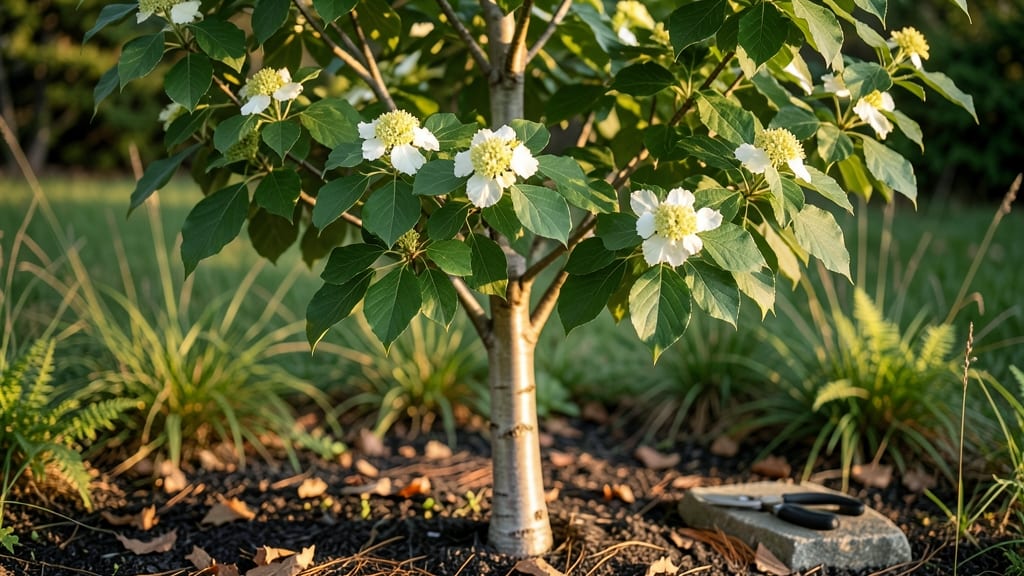
Dogwood trees in spring transform Pacific Northwest landscapes into a dreamy pink canopy that feels straight out of a storybook. 🌸 The moment those delicate blossoms unfurl—typically between late March and May here—it’s like the whole forest sighs in relief after winter’s gray grip.
I’ve watched my own tree go from bare branches to a burst of color in just two weeks, and it never fails to stop neighbors in their tracks. The real magic happens when you time your spring maintenance right.
Prune those spent branches in early spring before buds swell, and fertilize lightly with compost to fuel the new growth. Mulch around the base to keep roots cool, and keep an eye out for borers—they love fresh dogwood wood.
A few minutes of attention now means a showstopping display all season long. You’ll end up with a tree that’s not just beautiful but healthy too—dark green leaves that emerge after blooms fall, and sturdy branches that support those iconic flowers year after year.
The scent of damp soil after a spring rain, combined with that soft pink glow, is something you’ll look forward to every March. Let’s make sure your dogwood steals the show again this season.
Here’s the thing—dogwoods are low-maintenance stars, but they do need a little help getting started in spring. Grab some pruning shears, a bag of compost, and maybe a hose with a gentle spray nozzle. That’s all you really need to keep them thriving.
The key is working with their natural rhythm: prune after blooms fade, fertilize when soil warms, and water deeply during dry spells.
What you’ll get is a tree that’s the envy of the neighborhood—vibrant blooms that last weeks, glossy foliage that turns rich green, and a shape that’s both elegant and sturdy. Even in partial shade, dogwoods shine brighter than most trees. And the best part?
They attract pollinators early in the season, turning your yard into a buzzing, blooming paradise.
This works perfectly for urban yards, suburban backyards, or even large properties where you want a focal point. Dogwoods handle our region’s damp springs beautifully, though they do appreciate well-draining soil. If you’ve got one, now’s the time to give it the attention it deserves—before the blooms even appear.
Trust me, your future self will thank you when that pink canopy unfurls next spring.
📚 In This Guide
- What you need
- Instructions
- Tips and common mistakes
- Wrapping up and next steps
What you need
- ● Dogwood Tree Saplings: 1–3 Cornus florida or Cornus nuttallii (Pacific dogwood) varieties, depending on your garden size.
- ● High-Quality Potting Soil: 5–10 gallons (mix with compost for nutrient-rich soil).
- ● Organic Mulch: 2–3 bags (cedar or pine mulch works well).
- ● Garden Gloves: 1 pair (to protect hands while planting).
- ● Shovel & Trowel: 1 each (for digging and precision planting).
- ● Watering Can or Hose: With a gentle spray nozzle (dogwoods love moisture!).
- ● Pruning Shears: Sharp, clean pair (for shaping and maintenance).
- ● Fertilizer: Slow-release, balanced fertilizer (10-10-10 ratio).
- ● Tripod & Camera: For capturing the best spring blooms (wide-angle lens recommended!).
- ● Portable Seating: Folding chair or blanket (for picnics under the pink canopy!).
- ● Wildflower Seeds: To plant companion flowers (like Columbines or Bleeding Hearts) for extra color.
- ● Bird Feeder: Dogwoods attract birds—add one to enjoy wildlife while you admire the view!
- ● Check Local Regulations: Some areas protect native dogwoods—verify planting permits if needed.
- ● Timing Matters: Plant in early spring (March–April) for optimal root growth.
- ● Watering Schedule: Keep soil moist (not soggy) for the first 6–8 weeks after planting.
How to care for dogwood trees in spring for stunning Pacific Northwest blooms
Spring is the moment dogwoods transform from winter dormancy into the region's most breathtaking pink canopies.
🌱 Step 1: Prune for Health and Shape After Dormancy
Prune in late winter or early spring before buds swell—this gives you a clear view of the tree's structure. Use clean, sharp pruners to remove any dead, diseased, or crossing branches first. I always start at the bottom and work my way up to avoid standing on unstable branches.
Look for branches that rub against each other or grow inward—they'll compete for sunlight and weaken the tree. Remove no more than 25% of the tree's canopy in one season. Thin out crowded areas to improve airflow, which prevents fungal diseases common in Pacific Northwest's damp springs.
Here's the thing—dogwoods bloom on last year's growth, so avoid heavy pruning that removes flowering stems. Focus on shaping the tree naturally rather than forcing a specific look. You'll see new growth emerging within 3-4 weeks after pruning.
☀️ Step 2: Apply Mulch and Fertilizer for Spring Growth
Spread a 2-3 inch layer of organic mulch around the base of the tree, keeping it 6 inches away from the trunk. This helps retain moisture and regulate soil temperature—critical in the Pacific Northwest's unpredictable spring weather. I use shredded bark mulch because it breaks down slowly and improves soil structure over time.
Add a balanced, slow-release fertilizer with equal parts nitrogen, phosphorus, and potassium. Dogwoods respond well to 10-10-10 fertilizer applied in early spring. Work the fertilizer into the top 6 inches of soil around the tree's drip line, not the trunk. Water deeply after applying to help distribute nutrients.
Watch for new leaves to unfurl within 2-3 weeks—this is your sign the tree is actively growing and absorbing nutrients. If leaves appear yellow or stunted, you may need to adjust your fertilizer ratio or check for soil compaction.
💧 Step 3: Water Deeply During Critical Growth Phases
Water your dogwood tree deeply once a week during spring, providing about 1-1.5 gallons per inch of trunk diameter. For example, a 4-inch diameter tree needs roughly 4-6 gallons per watering. This encourages deep root growth, which is essential for Pacific Northwest's seasonal droughts.
Check soil moisture by digging down 2-3 inches—if it feels dry, it's time to water. Dogwoods are sensitive to both drought and waterlogged soil. I always water in the early morning to reduce evaporation and fungal risks. Avoid overhead watering once buds appear to prevent blossom rot.
You'll notice new shoots emerging from the base of the tree—this is called "suckering." While not harmful, you can remove these if you want to maintain the tree's shape. The key is consistency: keep the soil evenly moist but not soggy during the blooming season.
✂️ Step 4: Protect Blooms from Late Spring Frost
The Pacific Northwest's late spring frosts can damage delicate dogwood blossoms. If a frost warning appears when buds are swollen but not yet open, cover the tree with a lightweight frost cloth the night before. Secure the cloth loosely to allow airflow and remove it the following morning.
Dogwoods typically bloom in April or May, depending on your exact location. If you're in a cooler microclimate, blooms may appear later. Once flowers open, they usually last 1-2 weeks, providing a stunning display of pink, white, or even variegated blooms.
Here's where it gets fun—watch for the tree's new leaves to develop after blooming. Healthy dogwood leaves are dark green and glossy. If you see yellowing or brown spots, it may indicate a fungal issue like anthracnose, which thrives in wet conditions. Prune out affected branches immediately and consider a fungicide if the problem persists.
Tips & tricks for perfect dogwood tree care in spring
Took me years of trial and error to figure out these simple tricks—your dogwood will thank you with showstopping blooms.
Pruning Precision: In Step 1, when you're pruning before buds swell, use a small flagging tape to mark branches you're removing. This helps you visualize the tree's shape before making cuts. I also sterilize my pruners with rubbing alcohol between cuts to prevent spreading disease—especially important in the Pacific Northwest's damp climate.
Mulch Magic: For Step 2, don't just spread that 2-3 inch layer of mulch—create a slight mound around the trunk's base. This helps water pool during those unpredictable spring showers. I've seen mulch settle and pull away from the trunk over time, so check it every couple of weeks and refresh as needed.
Watering Wisdom: When you're watering deeply once a week in Step 3, use a moisture meter to check soil moisture at 2-3 inches deep. Dogwoods hate soggy roots, so if your meter shows consistently wet soil, reduce watering frequency. I've learned the hard way that overwatering can cause root rot, which is just as damaging as drought.
Frost Protection: For Step 4, if you don't have frost cloth, layer lightweight blankets over the tree and secure them with clothespins. Make sure to leave the top open for airflow—this prevents moisture buildup that can encourage fungal growth. I've used this method successfully during late spring frosts in the PNW.
Pro Tips for Dogwood Trees In Spring
- Took me years of trial and error to figure out these simple tricks—your dogwood will thank you with showstopping blooms.
- Pruning Precision: In Step 1, when you're pruning before buds swell, use a small flagging tape to mark branches you're removing.
- Mulch Magic: For Step 2, don't just spread that 2-3 inch layer of mulch—create a slight mound around the trunk's base.
Frequently asked questions
Got questions about dogwood trees in spring?
You’re not alone! Here are answers to the most common queries about these stunning Pacific Northwest showstoppers.
When do dogwood trees bloom in spring?
Dogwoods typically bloom between late March and early May, depending on your location in the PNW. Warmer microclimates (like coastal areas) may see flowers as early as February, while inland regions might wait until April. Keep an eye on bud swelling—it’s your cue!
How do I care for dogwood trees in spring?
Spring care is simple: water deeply but infrequently (1–2 inches per week), mulch lightly (2–3 inches) to retain moisture, and avoid heavy pruning until after flowering. Fertilize lightly in early spring if needed, but dogwoods thrive with minimal intervention. Pro tip: Watch for yellowing leaves—this could signal overwatering!
Are there dogwood tree alternatives for smaller yards?
If space is tight, consider Kousa dogwood (Cornus kousa), a compact variety with glossy leaves and fragrant blooms, or Pacific dogwood cultivars like ‘White Cloud’ (smaller stature, all-white flowers). For non-dogwood options, serviceberry or flowering cherry trees offer similar spring color with less maintenance.
Why aren’t my dogwood flowers opening this year?
Several factors can delay blooms: late frost (damages buds), poor drainage (root stress), or nutrient deficiencies (like nitrogen). Check for dogwood anthracnose (a fungal disease causing leaf spots)—prune affected branches in late summer/early winter to prevent spread. If buds are brown and mushy, it’s likely frost damage.
Do dogwood trees need extra water during spring blooming?
Not necessarily! Dogwoods are drought-tolerant once established (3+ years old). Focus on consistent moisture during bud formation (early spring) to support flowering. Overwatering can lead to root rot, so let the top 2–3 inches of soil dry out between waterings. Exception: Container-grown dogwoods need regular watering.
Are dogwood flowers good for pollinators?
Absolutely!
Dogwood blooms are a pollinator magnet, attracting bees, butterflies, and hummingbirds. Their high nectar content makes them a top early-season food source. For extra buzz, plant dogwoods near native shrubs like salal or Oregon grape to create a pollinator-friendly ecosystem.
Wrapping up and next steps
Spring in the Pacific Northwest is nothing short of magical when dogwood trees burst into bloom, painting the landscape with their iconic pink and white canopies. 🌸 These trees aren’t just stunning—they’re a symbol of renewal, resilience, and the region’s natural beauty.
Whether you’re a gardener, nature lover, or simply someone who adores a picturesque spring scene, now’s the perfect time to plant, admire, or learn more about these showstopping trees.
Ready to bring a touch of Pacific Northwest charm to your own space? Start small—research local nurseries, sketch a planting plan, or simply take a walk to admire their splendor in person. Every step is a celebration of spring’s fleeting yet breathtaking magic! 🌿