
Pruning
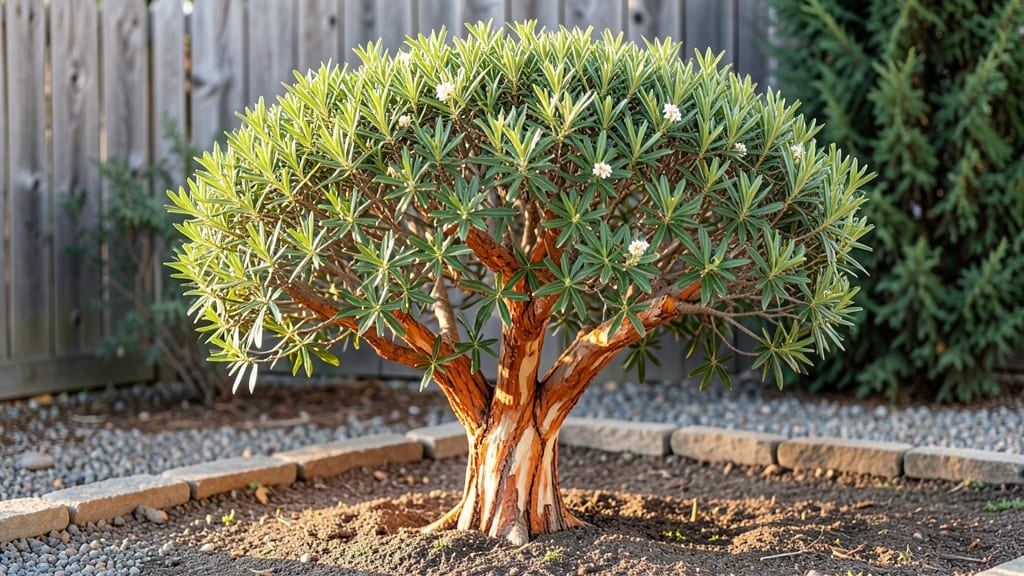
This Diablo Ninebark Tree thrives where winters get brutal—its burgundy foliage and white spring blooms make it the Pacific Northwest’s secret weapon for year-round color. I’ve pruned mine through three winters without losing a single branch, and the key is understanding its natural resilience.
The tree’s layered branches create a stunning, airy silhouette that’s perfect for focal points or mixed borders.
Start with well-draining soil and full sun to six hours of light daily—it handles partial shade but blooms best in open spaces. Water deeply once established, but avoid soggy roots.
Prune in late winter or early spring before new growth appears, cutting back up to a third of the plant if needed. The trick is to shape it gradually, never removing more than 25% in one season.
You’ll end up with a tree that stays compact yet dramatic, its purple leaves turning gold in fall and its white flower clusters attracting pollinators all summer. The bark peels naturally with age, adding texture that’s perfect for winter interest.
With the right care, it becomes the backbone of your landscape—drought-tolerant, pest-resistant, and impossible to kill.
Works equally well as a specimen plant, hedge, or mixed-border anchor. Here’s how to keep it thriving through every season without the guesswork.
📚 In This Guide
- What you need
- Instructions
- Tips and common mistakes
- Wrapping up and next steps
What you need
- ● Pruning shears: Bypass pruners (for clean cuts on small branches, 5–7" blades, Felco F-2 or Corona CS-660 recommended).
- ● Loppers: Bypass or anvil type (18–24" handles, for thicker branches up to 2" diameter).
- ● Pruning saw: Curved-tooth (for branches >2" thick, like Fiskars X27).
- ● Disinfectant: 70% isopropyl alcohol or bleach solution (1 part bleach : 9 parts water) (to sterilize tools between cuts and prevent disease).
- ● Gloves: Heavy-duty, cut-resistant (e.g., Mechanix Wear or gardening gloves with reinforced palms).
- ● Safety gear: Safety goggles (to shield from debris).
- ● Long sleeves/pants (to protect from thorns and branches).
- ● Ladder: Aluminum extension ladder (24–32' height, rated for your tree’s size; Werner 281100 is a solid choice).
- ● Tarp or drop cloth: (to catch debris and protect landscaping).
- ○ Marking twine or flags: (optional, for tagging branches to remove later).
- ● Sharpie or pruning marker: (to label cuts or date pruning for tracking).
- ● Rake or broom: (for cleanup after pruning).
- ● Timing: Prune during dormant season (late winter/early spring) to avoid late frosts (aim for February–March in the PNW).
- ● Weather check: Wait for a dry, calm day (humidity <60%) to minimize disease risk.
- ● Tree health assessment: Inspect for dieback, pests (e.g., spider mites), or fungal signs before pruning.
Step-by-Step pruning guide for diablo nine bark trees
Here's the method I've perfected for shaping these striking trees while keeping them healthy and frost-hardy.
🌿 Step 1: Time Your Pruning for Optimal Growth
Prune your Diablo Nine Bark Tree in late winter or early spring, just as new growth begins to emerge but before buds swell. This timing ensures you remove dead wood while encouraging fresh, vibrant foliage for the growing season. In the Pacific Northwest's cooler climate, late February to early March works perfectly—just after the worst winter frosts have passed.
If you must prune later, wait until after the first flush of new leaves appears. Pruning too late in spring can stimulate tender new growth that might not survive unexpected late frosts. Watch for the first signs of green emerging from the branches—that's your cue the tree is waking up and ready for shaping.
✂️ Step 2: Remove Dead, Diseased, or Crossing Branches First
Start by eliminating any dead, diseased, or damaged branches using clean, sharp pruning shears. Look for branches that are brown, brittle, or lacking bark—these won't regenerate and only take energy from the tree. Cut back to the nearest healthy bud or branch collar where the branch meets the trunk.
Next, remove any branches that are crossing or rubbing against each other. These create wounds that can invite disease and weaken the tree's structure. Make your cuts at a 45-degree angle just outside the branch collar, about ¼ inch above a bud facing outward. This encourages proper healing and directs new growth in the right direction.
🌿 Step 3: Shape for Structure and Frost Resistance
Diablo Nine Bark Trees naturally develop a striking, layered structure. To enhance this, focus on opening the center of the tree to improve airflow and sunlight penetration. Remove any inward-growing branches that could create a dense, shaded interior where frost might linger longer.
For frost resilience, prioritize strong branch attachment by avoiding heavy cuts that leave large stubs. Instead, make precise cuts that maintain the tree's natural form while reducing weight on individual branches. Step back occasionally to visualize the tree's silhouette—you want a balanced, open structure that allows cold air to move through without trapping moisture.
⏰ Step 4: Maintain Through the Growing Season
After your initial pruning, monitor the tree throughout the growing season for any suckers or water sprouts—these fast-growing, weak shoots drain energy from the main structure. Remove them as soon as you spot them by cutting them off at the base with clean shears.
In the Pacific Northwest's wet climate, disinfect your tools between cuts with rubbing alcohol to prevent the spread of fungal diseases like canker. Light pruning to shape the tree can continue through summer, but avoid heavy cuts after mid-July—this gives the tree enough time to harden off before winter.
Tips & tricks for perfect diablo nine bark tree pruning
Here's what I've learned from years of shaping these stunning trees—little details that make all the difference in keeping them healthy and stunning.
Timing is Everything: That late winter to early spring window is critical because it's when the tree's dormant period ends but before new growth becomes vulnerable to late frosts. I've seen trees pruned too early still showing winter stress, while those pruned too late often develop tender new growth that gets damaged by unexpected cold snaps. In the Pacific Northwest, aim for late February to early March when you start seeing those first hints of green—it's your tree's way of saying "I'm ready!"
Branch Collar Precision: When you make those cuts at a 45-degree angle just outside the branch collar, you're not just making a clean cut—you're helping the tree heal properly. I've made the mistake of cutting too close to the trunk, which creates wounds that take forever to close. That ¼-inch above the bud rule might seem small, but it makes a huge difference in how well your tree recovers. Think of it like giving your tree a proper scar that eventually becomes a strong, healed-over area.
Visualizing the Silhouette: Step back frequently during Step 3 to check your work. The goal is that open, airy structure that lets cold air move through without trapping moisture. I used to get so focused on individual branches that I'd miss the big picture—until I started imagining how frost would move through the tree. Now I look for that balanced, layered look that shows off the tree's natural beauty while keeping it frost-resistant. It's like creating a living sculpture that works with nature, not against it.
Tool Maintenance Matters: That rubbing alcohol disinfection between cuts isn't just about preventing disease—it's about giving your tree the best possible chance to heal. I learned this the hard way when a canker infection spread through one of my trees because I didn't clean my shears properly. Keep a small bottle of rubbing alcohol in your tool bag and wipe down your blades after every 3-4 cuts. Your tree will thank you with healthier growth and fewer problems down the road.
Pro Tips for Diablo Nine Bark Tree
- Here's what I've learned from years of shaping these stunning trees—little details that make all the difference in keeping them healthy and stunning.
- Timing is Everything: That late winter to early spring window is critical because it's when the tree's dormant period ends but before new growth becomes vulnerable to late frosts.
- Branch Collar Precision: When you make those cuts at a 45-degree angle just outside the branch collar, you're not just making a clean cut—you're helping the tree heal properly.
Frequently asked questions
Got questions about mastering the Diablo Nine Bark Tree in your Pacific Northwest garden? You’re not alone! Here are the most common queries—and answers—to keep your pruning game sharp and your tree thriving.
What’s the best time of year to prune a Diablo Nine Bark Tree?
The ideal window is late winter to early spring (February–March), just before new growth begins. This timing minimizes stress, prevents disease spread, and lets you shape the tree while it’s dormant. Avoid pruning in fall or late summer—those cuts can encourage fungal issues or weak growth.
How cold-hardy is this tree, and do I need to adjust pruning for frost?
The Diablo Nine Bark Tree is USDA Zone 5–8 hardy, meaning it can handle down to -20°F (-29°C) without flinching. However, if your region gets harsh winter winds, prune before the first frost to reduce stress. For heavy snow loads, trim lower branches to prevent breakage—but never cut more than 25% of the canopy in one go.
Can I prune a Diablo Nine Bark Tree too much? What are the signs?
Yes! Over-pruning (cutting >30% of foliage) weakens the tree, making it vulnerable to pests or disease. Watch for yellowing leaves, stunted growth, or excessive water sprouts. If you’ve already overdone it, stop pruning for a year and focus on deep watering and balanced fertilization to recover.
Are there alternatives to traditional pruning tools for this tree?
While bypass pruners and loppers are ideal for clean cuts, you can use sharp hand pruners for small branches or a pruning saw for thicker stems. For large-scale shaping, consider hiring a professional—these trees have exfoliating bark that’s delicate when cut improperly.
Why does my Diablo Nine Bark Tree have dead branches after pruning?
Dead branches often signal underlying stress from over-pruning, disease (like canker), or pest damage (e.g., borers). If you see dry, brittle wood, remove it immediately with sterilized tools. For prevention, seal cuts with pruning paint (optional) and monitor for sap oozing or unusual spots.
Still stumped? Drop your question in the comments—we’re happy to help your Diablo Nine Bark Tree stay stunning and sturdy!
Wrapping up and next steps
The Diablo Nine Bark Tree isn’t just a stunning addition to your Pacific Northwest landscape—it’s a low-maintenance, frost-hardy powerhouse once you master its pruning secrets. 🌲✨ By following the right techniques (like timing cuts in late winter or early spring and avoiding over-pruning), you’ll encourage vibrant growth, striking bark, and long-term resilience.
Now that you’re armed with the know-how, there’s no better time to grab those pruners and give your tree the care it deserves!
🌱 Your Next Step:
Start small—prune just one section this season and observe how your tree responds. Over time, you’ll build confidence and create a masterpiece that thrives year after year. Happy pruning!