
Pruning
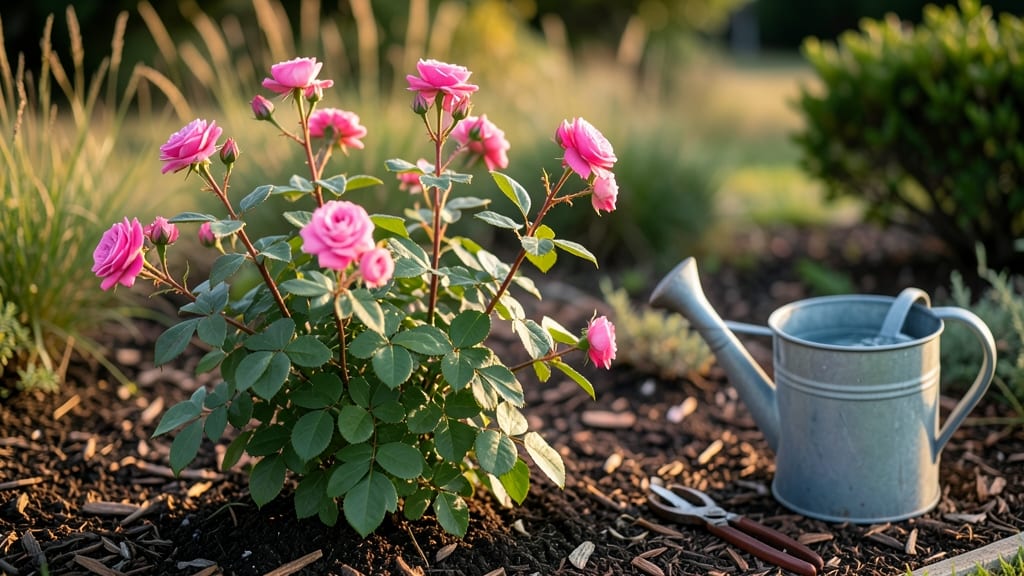
The Sunny Knock Out rose tree thrives where others falter—its frost-resistant blooms keep coming even through Pacific Northwest winters. 🌿 I learned the hard way that pruning these tough bushes in late winter (not early!) is the secret to their nonstop flowering.
The key isn't just timing but how you shape the branches to handle our rainy, cool summers.
You'll need basic tools—a sharp pair of pruners, gloves, and a clean bucket for clippings. The real magic happens when you cut back one-third of the oldest stems each year, right above an outward-facing bud.
This keeps the center open for airflow and encourages those vibrant yellow blooms to burst forth by early spring—often before other roses even think about waking up.
What you end up with is a bush that looks like it belongs in a botanical garden, not your backyard. The blooms stay nearly year-round with minimal effort, and the glossy dark green leaves resist powdery mildew better than fussy hybrid teas.
Even my neighbor's skeptical "those look like weeds" comment changed after their first summer of effortless blooms.
Works just as well in containers as in the ground, and handles everything from Seattle's drizzle to Portland's heat waves. Here's how to keep yours looking like the showstopper it is—without the fuss of deadheading every other week.
📚 In This Guide
- What you need
- Instructions
- Tips and common mistakes
- Wrapping up and next steps
What you need
- ● Pruning shears: Bypass pruners (sharp, clean, and disinfected with rubbing alcohol or bleach solution). 1 pair (or a loppers set for thicker branches).
- ● Gloves: Heavy-duty, cut-resistant gloves (PNW roses have thorns!). 1 pair.
- ● Disinfectant: 1-part bleach to 9-parts water (or 70% isopropyl alcohol) to sterilize tools between cuts.
- ○ Pruning sealant (optional but helpful): Pruning wax (e.g., Tanglefoot Tree Wound Pruning Seal) to protect large cuts. 1 small tub.
- ● Garden twine or plant ties: 1 roll (for securing heavy canes if needed).
- ● Trash bags or bucket: For collecting pruned debris. 1-2 large bags.
- ● Thermometer: Digital soil/air thermometer to monitor frost risk (1 unit).
- ● Mulch: 6-12 inches of wood chips or straw (organic, PNW-friendly) to insulate roots.
- ● Frost cloth or row covers: 1-2 sections (if pruning late in the season; 50% shade cloth works too).
- ● ✨ Sterilize tools: Dipping shears in disinfectant between cuts prevents black spot disease—a common PNW rose nemesis!
- ● 🌡️ Prune after frost danger: Wait until temps stay above 40°F (4°C) for 3+ days to avoid shocking the tree.
- ● 🎯 Cut at 45° angle: For canes thicker than a pencil, angle cuts 1/4" above a bud to shed water (and frost!).
Step-by-step guide to pruning your Pacific Northwest Sunny Knock Out rose tree
Here's how to keep your rose bush thriving year-round with minimal effort.
✂️ Step 1: Time Your Pruning for Maximum Growth
Prune your Sunny Knock Out rose right after the last frost date in your area—typically late March to early April in the Pacific Northwest. This timing gives the plant 6-8 weeks of warm weather to recover and produce new blooms before fall. Avoid pruning in fall or winter, as these roses stay dormant and won't respond well.
Look for new leaf buds along the stems—these are your pruning cues. Each bud is a potential new branch, so aim to leave 3-5 strong buds on each remaining stem. If you prune too early, cold snaps can damage tender new growth. If you wait too long, the plant will focus energy on blooms rather than establishing strong stems for next year.
🌿 Step 2: Cut Back Dead or Weak Wood First
Start by removing any dead, diseased, or crossing branches—these compete with healthy growth and invite pests. Use clean, sharp pruners (sterilized with rubbing alcohol) to make 45-degree cuts just above an outward-facing bud. This angle helps water run off the stem and prevents rot.
If a branch is completely dead or diseased, cut it back to the main stem or root collar. You'll know it's dead if it's hollow, shriveled, or doesn't have any green under the bark. Never leave stubs—always cut back to a bud or joint. This step keeps your rose tree open and airy, reducing humidity buildup that causes fungal issues.
✂️ Step 3: Shape the Bush for Balanced Growth
Step back and visualize the plant as a rounded dome—this is the natural shape of Sunny Knock Out roses. Cut back the tallest stems by one-third to encourage bushier growth. For every cut, aim to leave 3-5 buds on the remaining stem, as these will sprout into new branches. Avoid cutting into old wood (wood older than 3 years)—it won't regrow effectively.
Focus on opening up the center of the bush to improve airflow. If you see stems growing inward, prune them back to redirect energy outward. You'll know you're on the right track when the bush looks full but not crowded, with sunlight reaching the inner branches. This prevents mildew and encourages more blooms.
☀️ Step 4: Feed and Water for Post-Pruning Recovery
After pruning, water deeply to help the plant recover and stimulate new growth. Apply a balanced rose fertilizer (10-10-10 or similar) according to package instructions—this gives the plant the nutrients it needs to produce strong, healthy blooms. I like to mulch around the base with 2-3 inches of organic mulch to retain moisture and regulate soil temperature.
Watch for new shoots emerging within 2-3 weeks—this is your sign the pruning worked. If your region experiences a late frost, cover young shoots with frost cloth at night until temperatures stabilize. Sunny Knock Out roses are frost-resistant, but tender new growth can still be damaged by unexpected cold snaps.
⏰ Step 5: Monitor and Maintain Through the Season
Throughout the growing season, remove spent blooms (deadhead) to encourage continuous flowering. Pinch off the blooms just above a set of 5-leaflets to redirect energy into new growth. This keeps your rose bush looking tidy and promotes more blooms from spring to fall.
Check the plant weekly for pests like aphids or Japanese beetles—these can stress the rose and reduce blooms. If you spot issues, treat early with neem oil or insecticidal soap. By late summer, reduce watering slightly to harden off the plant for winter, but keep the soil moist—not soggy. Your rose will thank you with vibrant blooms next year.
Tips & tricks for perfect Sunny Knock Out rose pruning
These simple tricks will help you transform your rose tree into a blooming powerhouse with minimal effort.
Timing is Everything: The late March to early April window is non-negotiable for Pacific Northwest roses. I learned this the hard way—pruning too early in March left my roses vulnerable to late frosts, while waiting too long in May meant fewer blooms. Check your local frost dates and mark your calendar. If you miss this window, you can do a light shaping prune in early summer, but you'll sacrifice some of that spectacular first flush of blooms.
Cutting Technique Matters: That 45-degree angle above the bud isn't just for show—it creates a natural water runoff path that prevents rot. I always sterilize my pruners with rubbing alcohol between cuts to prevent spreading disease. For thicker stems, make two cuts: the first just above the bud at your angle, then a second cut underneath to cleanly remove the branch. This prevents tearing and leaves a smooth surface for healing.
Visualize Your Rose's Future: Before making any cuts, step back and picture your rose as a perfect dome. The goal is to create an open center that allows sunlight to reach all branches. I find it helpful to sketch a rough outline on paper first—this prevents over-pruning and gives me a clear target. Remember, Sunny Knock Out roses naturally grow in this shape, so we're just guiding them rather than forcing them.
Post-Pruning Care is Critical: That deep watering after pruning isn't just a suggestion—it's essential. The roots need moisture to support new growth, especially after we've removed so many branches. I always apply a 2-3 inch layer of organic mulch right after watering to lock in moisture and regulate soil temperature. This simple step can mean the difference between a bushy, blooming rose and one that struggles to recover.
Pro Tips for Sunny Knock Out Rose Tree
- These simple tricks will help you transform your rose tree into a blooming powerhouse with minimal effort.
- Timing is Everything: The late March to early April window is non-negotiable for Pacific Northwest roses.
- Cutting Technique Matters: That 45-degree angle above the bud isn't just for show—it creates a natural water runoff path that prevents rot.
Frequently asked questions
Got questions about keeping your Sunny Knock Out Rose Tree thriving in the Pacific Northwest’s chilly climate? Here are answers to the most common queries—from pruning to frost resilience!
When is the best time to prune a Sunny Knock Out Rose in the PNW?
The ideal window is late winter to early spring (February–March), after the worst frost risk has passed but before new growth starts. In the PNW, aim for pruning after the ground thaws but before buds swell. This balances frost protection and spring vigor. Avoid pruning in fall—it stunts winter hardiness!
How cold can Sunny Knock Out Roses handle without extra frost protection?
These roses are USDA Zone 4-9 hardy, meaning they tolerate temps down to -30°F (-34°C) with no special wrapping. However, in the PNW’s damp winters, mulch heavily (4–6 inches) with shredded bark to insulate roots. Young plants or severe freezes (< -20°F) may need burlap wraps or frost cloth for flower buds.
Can I prune Sunny Knock Out Roses too much? What’s the ‘right’ amount?
Yes! Over-pruning (cutting > 1/3 of the plant’s height) weakens the rose and delays blooms. Aim to remove dead/diseased wood first, then trim back 1/4 to 1/3 of last year’s growth to an outward-facing bud. Leave 3–5 strong canes for structure. Never top-prune—it creates weak growth.
What if my Sunny Knock Out Rose gets black spot or powdery mildew in the PNW’s wet climate?
Prevent fungal issues with proactive care:
- Space plants 3–4 feet apart for airflow.
- Water at the base (not overhead) and avoid late-day watering.
- Apply neem oil or copper fungicide at first sign of spots.
- Remove infected leaves immediately and sterilize pruners.
Are there frost-proof alternatives to Sunny Knock Out Roses for the PNW?
If you want low-maintenance, cold-hardy roses, consider:
- Exploration Roses (e.g., ‘John Cabot’): Zone 3–9, disease-resistant, and thrive in shade.
- Knock Out® ‘Double Knockout’: More blooms, same hardiness (Zone 5–9).
- David Austin English Roses (e.g., ‘Gertrude Jekyll’): Fragrant, Zone 5–9, but need slightly more pruning.
Wrapping up and next steps
Transforming your Sunny Knock Out® rose tree into a thriving, frost-proof beauty doesn’t have to be intimidating—just follow the blueprint! With the right tools, timing, and techniques, you’ll enjoy vibrant blooms year after year, even in the Pacific Northwest’s unpredictable climate. 🌸✂️
Ready to take the next step? Grab your pruners, mark your calendar, and start pruning this fall or early spring. Watch your rose tree reward you with bold, healthy growth and a garden that’s the envy of the neighborhood!