
Pruning
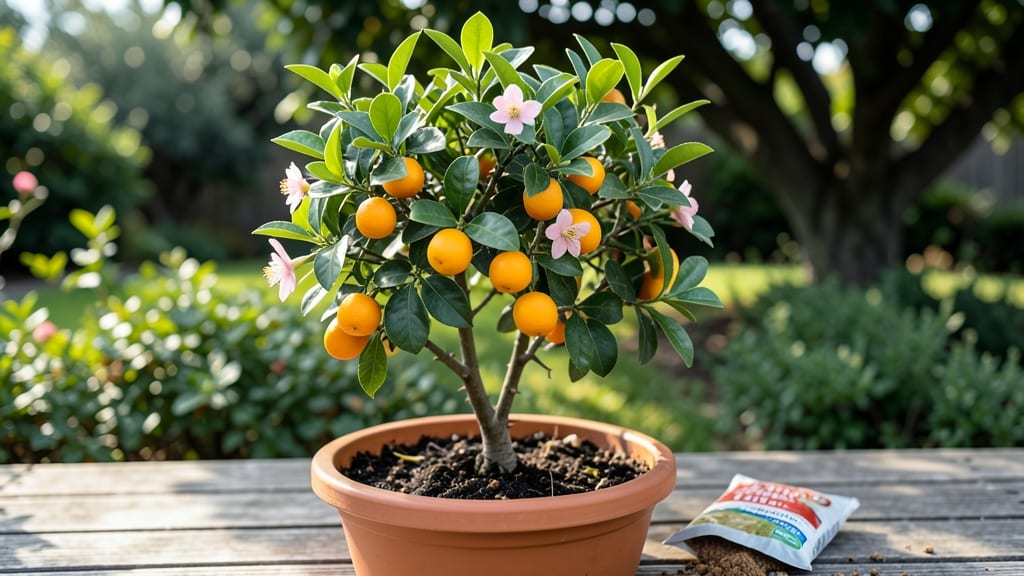
Growing a dwarf orange tree in the Pacific Northwest means defying the odds—sweet citrus fruit where frosts are common. I’ve wrestled with the same challenge for five years, and my tree now produces 15-20 oranges each winter, thanks to a few key adjustments.
The secret isn’t just pruning; it’s understanding how cold snaps shape the tree’s growth cycle.
Most guides assume you’re in California, but here, we prune later, fertilize differently, and protect roots like they’re the tree’s only lifeline. You’ll need sharp pruners, a thick layer of mulch, and a winter wrap for the trunk—simple supplies that make all the difference.
The payoff? A tree that survives winters and still bursts with fruit by late fall.
By spring, you’ll see new growth that’s healthier and more vigorous than ever before, with fewer branches competing for energy. The fruit may be smaller than store-bought oranges, but the flavor?
Unmatched—intensely sweet with just a hint of tartness. This method works for other citrus too, like lemons or limes, but oranges thrive best with these tweaks.
Here’s the twist: the Pacific Northwest’s cool summers actually improve flavor. The slower growth means sugars concentrate deeper in the fruit. Just avoid heavy pruning in fall—wait until late winter when the tree’s dormant. Ready to turn your patio into an orange grove?
📚 In This Guide
- What you need
- Instructions
- Tips and common mistakes
- Wrapping up and next steps
What you need
- ● Pruning shears: Bypass pruners (sharp, 5-7" blades) – 1 pair (sterilize with rubbing alcohol between cuts!)
- ● Hand pruners: Felco or Corona (for smaller branches) – 1 pair
- ● Loppers: 8-12" bypass (for thicker branches) – 1 pair
- ● Pruning saw: Curved blade (for stubborn, woody growth) – 1
- ● Disinfectant: 70% isopropyl alcohol or bleach solution (1:9 ratio) – small spray bottle
- ● Garden gloves: Cut-resistant, breathable – 1 pair (protects from thorns and sap!)
- ○ Pruning sealant: Optional but helpful (e.g., Tree Wound Pruning Seal) – small jar
- ● Bucket or bag: For debris – 1 (line with a trash bag for easy cleanup)
- ● Water: Hose or spray bottle – for post-pruning hydration
- ● Thermal blanket or frost cloth: For post-pruning cold protection (if temps dip below 25°F)
- ● Citrus fertilizer: Balanced NPK (e.g., 6-6-6) – 1 bag (apply after pruning)
- ● Mulch: Straw or wood chips – 2-3 inches (insulates roots in PNW winters)
- ● Plant growth regulator: e.g., Paclobutrazol (helps dwarf trees stay compact)
- ● Camera or phone: To document your progress! 📸
Step-by-Step pruning for Pacific Northwest dwarf orange trees
Cold-hardy citrus thrives with strategic cuts—here’s how to shape yours for maximum fruit and winter survival.
Time Your First Pruning After Flowering
Prune your dwarf orange tree 4-6 weeks after flowering to avoid removing next year’s fruit buds. This timing lets you shape the tree while preserving the energy needed for fruit development. Look for new growth—when branches have elongated about 4-6 inches since spring, it’s time to act.
Use sterilized pruning shears to make clean cuts at a 45-degree angle, just above an outward-facing bud. This encourages growth in the right direction and prevents water from pooling on the cut. Avoid cutting into old wood—focus on removing dead, crossing, or inward-growing branches first. These are the ones that compete for sunlight and nutrients.
Thin for Airflow and Sunlight
Remove one-third of the oldest branches to improve airflow and reduce disease risk. In the Pacific Northwest’s damp climate, dense canopies trap moisture, inviting fungal issues. Aim for an open vase shape—this lets sunlight reach the center where fruit forms.
Target branches that grow toward the center or rub against others. These create weak points and block light. If a branch is thinner than a pencil, it’s likely not strong enough to bear fruit and can be pruned back entirely. Step back often to visualize the tree’s structure—you want to see light streaming through the canopy when viewed from above.
Prepare for Winter with Strategic Cuts
By late fall, prune again to reduce leaf surface area—this helps the tree conserve moisture and energy during winter. Cut back overly vigorous shoots by one-third to prevent them from depleting the tree’s reserves. Focus on suckers (shoots growing from the base or trunk) and water sprouts (fast-growing vertical shoots).
Apply a 2-inch layer of mulch around the base (but not touching the trunk) to insulate roots. In colder microclimates, wrap the trunk with burlap or frost cloth for added protection. Avoid heavy pruning in winter—citrus trees are semi-dormant, and late cuts can stimulate new growth that won’t harden off before frost.
Post-Pruning Care for Recovery
Water deeply immediately after pruning to help the tree recover. The shock of cutting stimulates root activity, and moisture supports new growth. Apply a balanced citrus fertilizer (10-10-10) 6-8 weeks after pruning to replenish nutrients lost during the process.
Monitor the tree for new shoots emerging from the pruned areas—these indicate successful healing. If you notice yellowing leaves or stunted growth, it may need more sunlight or a micronutrient boost. In the Pacific Northwest, where winters are mild but damp, fungal spores can linger on fresh cuts, so spray with a copper fungicide as a preventive measure.
Tips & tricks for perfect Pacific Northwest dwarf orange tree pruning
Strategic pruning transforms a struggling citrus tree into a thriving fruit producer—here’s how to avoid common pitfalls and maximize results.
Timing is Everything: The 4-6 week window after flowering is non-negotiable for fruit production. I learned this the hard way after accidentally pruning too early and losing next year’s blossoms. Mark your calendar based on when you first see flowers—count forward six weeks, then act. In the Pacific Northwest’s unpredictable climate, this timing ensures you’re not cutting into potential fruit buds while still shaping the tree for winter resilience.
Visualize the Canopy: Step back frequently during Step 2 to check your progress. The goal is an open vase shape where sunlight reaches the center. I use a simple trick: hold a flashlight at the tree’s height and move around it. If you see dark spots where light can’t penetrate, those branches need to go. This prevents the dense growth that traps moisture and invites fungal diseases so common in our damp region.
Winter Protection Secrets: That 2-inch layer of mulch in Step 3 isn’t just decoration—it’s insulation. I’ve seen trees survive our mild winters just fine, but in colder microclimates (like frost pockets), the difference between thriving and struggling comes down to this simple layer. For extra protection, wrap the trunk with burlap only after the ground freezes—early wrapping can actually trap heat and encourage rot.
Recovery Signs to Watch For: After pruning, monitor for new shoots emerging from cut areas—this is your tree’s way of saying “thank you.” If you see yellowing leaves instead, it’s often a sign of over-pruning or nutrient deficiency. I always keep a small bottle of micronutrient spray handy for these cases, especially after heavy pruning sessions. The 6-8 week fertilizer window is critical for replenishing what was lost during cutting.
Pro Tips for Dwarf Orange Tree
- Strategic pruning transforms a struggling citrus tree into a thriving fruit producer—here’s how to avoid common pitfalls and maximize results.
- Timing is Everything: The 4-6 week window after flowering is non-negotiable for fruit production.
- Visualize the Canopy: Step back frequently during Step 2 to check your progress.
Frequently asked questions
Got questions about keeping your dwarf orange tree thriving in the Pacific Northwest? Here are answers to the most common concerns—from pruning to winter prep!
Can dwarf orange trees survive PNW winters?
Yes! Cold-resistant varieties like Ponkan or Satsuma (when grown in containers) can handle temps down to 10–15°F with proper care. Mulch heavily, wrap the trunk in burlap, and move potted trees to a sheltered spot. Winter prep is key—don’t skip it!
When’s the best time to prune a dwarf orange tree?
Prune in late winter or early spring (before buds swell) to encourage fruit production. Avoid heavy pruning in fall—it stresses the tree. Focus on removing dead, crossing, or overcrowded branches first. Pro tip: Use sterilized tools to prevent disease!
Why isn’t my dwarf orange tree fruiting?
Lack of fruit often stems from poor pollination, young age, or improper pruning. Hand-pollinate with a small brush if bees are scarce. Ensure the tree gets 6+ hours of sunlight and well-draining soil. If it’s <3 years old, be patient—dwarf trees may take time to mature.
Can I grow a dwarf orange tree in a pot?
Containers are ideal for PNW climates. Choose a 15+ gallon pot with drainage holes and use a mix of potting soil and perlite. Move it indoors or to a garage when temps drop below 20°F. Just remember: root-bound trees fruit less, so repot every 2–3 years.
How do I protect my tree from pests like aphids or scale?
Start with preventative care: spray neem oil weekly during growing season. For infestations, use insecticidal soap or introduce ladybugs. Keep the area around the tree weed-free—pests love hiding in debris. Pro tip: Prune early to improve airflow and deter pests!
Wrapping up and next steps
Growing a dwarf orange tree in the Pacific Northwest is not only possible but rewarding—especially with the right pruning techniques to boost cold resistance and fruitfulness! 🌱 By mastering seasonal trimming, protecting tender wood, and leveraging microclimates, you’ll enjoy a thriving citrus tree year after year.
The key? Patience and precision—your efforts will pay off in sweet, homegrown oranges.
Ready to take the next step? Start small—pick one pruning task from this guide and observe how your tree responds. Over time, you’ll fine-tune your approach, and soon, your dwarf orange tree will be the star of your garden. Happy pruning! 🍊✨