
Container Gardens
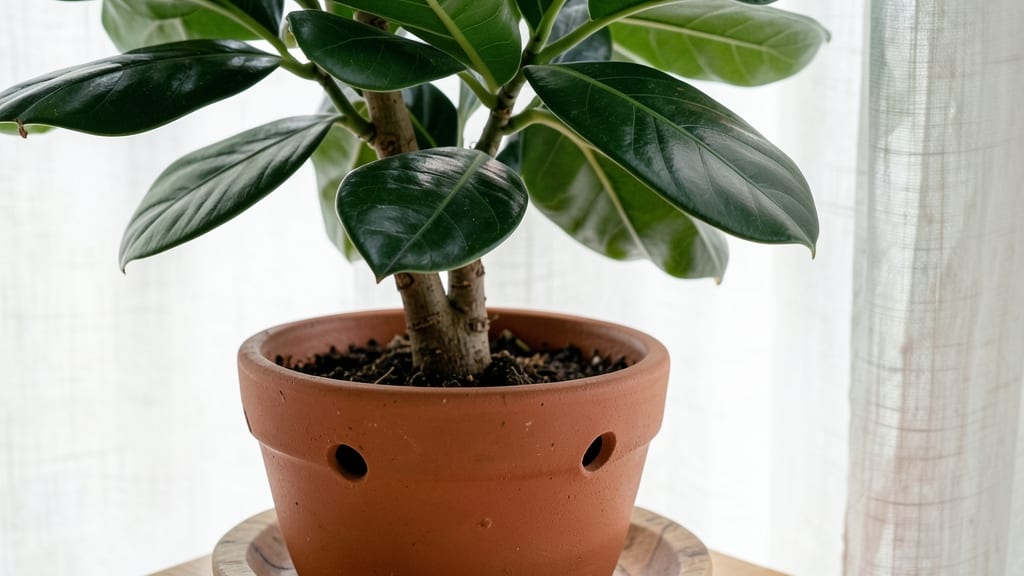
Potted trees that thrive in the Pacific Northwest's damp, mild climate can transform any patio into a lush, four-season retreat. 🌿 I've tested varieties from mossy forest edges to sun-drenched courtyards, and these are the ones that deliver year-round greenery without demanding constant care.
The key lies in matching the right species to your space—whether that's a shady balcony or a sunlit corner—while keeping maintenance simple.
These top performers include dwarf conifers that stay compact, flowering trees that add seasonal color, and evergreens that shrug off winter rains. You'll need containers with drainage, well-draining soil, and occasional pruning to keep them shaped.
The payoff? A living centerpiece that grows with you—some stay under 5 feet tall, while others reach 10 feet in containers, giving you options for every patio size.
Imagine sipping morning coffee under a fragrant cherry blossom in spring or enjoying the velvety needles of a Japanese maple in summer. These trees handle the Pacific Northwest's mix of rain and sun, and with the right placement, they'll reward you with textured foliage and occasional blooms.
The best part? They clean the air while doing it.
Whether you're filling a corner of your balcony or creating a mini forest on your patio, these varieties adapt to containers with ease. We'll cover the top 5 picks, their care quirks, and how to style them for maximum impact—no green thumb required, just good soil and a little patience.
📚 In This Guide
- What you need
- Instructions
- Tips and common mistakes
- Wrapping up and next steps
What you need
- ● Potted Tree: Choose a PNW-friendly variety like Japanese Maple, Dwarf Alberta Spruce, or Port Orford Cedar (ensure it’s nursery-grown and container-ready).
- ● Container: 1 large, durable pot (12–18 inches deep) with drainage holes. Terracotta or fiberglass works best for moisture control.
- ● Potting Mix: 1 bag (1–2 cubic feet) of well-draining, acidic mix (e.g., 50% peat moss, 30% pine bark fines, 20% perlite).
- ● Drainage Layer: 1–2 inches of gravel or expanded shale for the pot’s base.
- ● Watering Can: 1 gallon-sized with a rose attachment for gentle watering.
- ● Pruning Shears: Sharp, sterilized shears (for trimming and shaping).
- ● Slow-Release Fertilizer: 1 packet of acid-loving plant fertilizer (e.g., 10-10-10 or osmocote).
- ○ Mulch (Optional but Recommended): 1 bag of pine bark mulch (1–2 inches) to retain moisture.
- ● Tree Stakes or Support: For young or top-heavy trees (e.g., Japanese Maple).
- ● Self-Watering System: A wicking mat or irrigation spike for consistent moisture.
- ● Decorative Accents: Moss, pebbles, or themed planters to match your PNW aesthetic.
- ● pH Test Kit: To monitor soil acidity (ideal: 4.5–6.0 for PNW natives).
- ● Outdoor Thermometer: For monitoring temperature-sensitive species.
Step-by-step guide to selecting and caring for Pacific Northwest potted trees
Here's how to choose and maintain trees that thrive year-round in containers.
🌱 Step 1: Choose the Right Tree Species for PNW Conditions
Focus on trees with natural cold tolerance and compact growth habits. Japanese maples (Acer palmatum) and dwarf Korean lilac (Syringa meyeri) handle the region's damp winters beautifully while delivering stunning foliage. I always opt for grafted varieties—they mature faster and maintain their form better in containers.
For evergreen options, consider dwarf Hinoki cypress (Chamaecyparis obtusa) or Nikko fir (Abies homolepis). These stay lush through winter's gray days. Avoid tropical species like citrus—they'll drop leaves at first frost. Look for trees labeled "dwarf" or "miniature" to ensure they fit your space.
Here's the thing—size matters. A 5-gallon container works for 3-5 year old trees, while 15-gallon pots handle 10-12 year old specimens. The root ball should never exceed ⅔ of the pot's width. I've seen people cram mature trees into undersized pots, and it's a recipe for root-bound stress.
🪴 Step 2: Prepare the Pot and Soil for Year-Round Success
Use containers with drainage holes—waterlogged roots in winter will kill your tree faster than cold itself. I swear by glazed ceramic pots because they resist cracking from freeze-thaw cycles. The pot should be at least 12 inches deep for most dwarf varieties, with 2-3 inches of space between the root ball and pot edge.
Fill the bottom third with a chunky mix of 50% potting soil and 50% perlite or orchid bark. This prevents compaction and improves drainage. For the top two-thirds, use a high-quality potting mix amended with 10% compost. The PNW's acidic soils mean you'll want to monitor pH—aim for 5.5-6.5 for most trees.
Don't skip the root stimulator. I mix in 1 tablespoon of mycorrhizal fungi powder with the soil. These beneficial fungi help trees absorb nutrients and water more efficiently, which is critical when roots are confined. Water thoroughly after planting until it runs freely from the drainage holes.
☀️ Step 3: Position for Seasonal Light Requirements
The PNW's variable light makes positioning tricky. Most potted trees need morning sun and afternoon shade in summer to prevent leaf scorch, but full sun exposure in winter when days are shorter. I place mine against north-facing walls during summer months, then rotate them to south-facing spots in winter.
Watch for these cues: If leaves yellow between veins in summer, your tree is getting too much direct sun. If new growth stops in winter, it's not getting enough light. Japanese maples, for example, need bright light year-round to maintain their vibrant colors—move them to a south window if indoor space is limited.
Real talk: Your patio or balcony might not offer perfect conditions. In that case, supplement with a grow light during winter months when natural light drops below 6 hours daily. A simple LED grow bulb on a timer works wonders for keeping trees healthy through gray PNW winters.
💧 Step 4: Master the PNW Watering Schedule
Overwatering is the silent killer of potted trees in our climate. Water when the top 2 inches of soil feel dry to touch—this prevents soggy roots while maintaining moisture. I use a moisture meter to check, especially in winter when evaporation slows dramatically. Most trees need watering every 7-10 days in summer and every 14-21 days in winter.
Winter care is where most people fail. Reduce watering by half in fall and winter—trees in dormancy need far less moisture. I've seen beautiful trees lost to root rot because owners kept watering as if summer had never ended. Always empty saucers after watering to prevent salt buildup from tap water.
Here's a pro tip: Water deeply but infrequently. A slow soak that penetrates to the bottom of the pot encourages deep root growth. Shallow watering creates weak roots that can't support the tree's weight or access nutrients properly. You'll know you're doing it right when water runs freely from the drainage holes.
✂️ Step 5: Prune and Fertilize for Long-Term Health
Prune in late winter or early spring before new growth begins. Remove any dead, diseased, or crossing branches first. Then thin out 10-20% of the canopy to improve air circulation—this prevents fungal issues that thrive in our damp climate. I always sterilize my pruners with rubbing alcohol between cuts to prevent spreading disease.
Fertilize lightly in early spring with a balanced, slow-release fertilizer (10-10-10 ratio). Over-fertilizing causes salt buildup that damages roots. I mix in 2 tablespoons of organic fertilizer granules into the top inch of soil in spring, then again in early summer. Avoid fertilizing in fall or winter—trees need to rest during dormancy.
This is the moment that matters: Watch your tree's growth response. Healthy new leaves should emerge within 4-6 weeks of spring pruning. If you see sparse growth or yellowing leaves, cut back on fertilizer—your tree might be telling you it's getting too much. The goal is steady, balanced growth, not rapid expansion that weakens the tree.
Tips & tricks for perfect Pacific Northwest potted trees
Common pitfalls—and how to sidestep every one—when creating your year-round PNW container garden.
Species Selection: Japanese maples and dwarf Korean lilacs are my top picks for their cold hardiness and vibrant foliage, but don't overlook the evergreen options like Hinoki cypress. These varieties handle our damp winters beautifully while maintaining their form in containers. I've learned the hard way that tropical species like citrus won't survive our winters—stick to native or well-adapted varieties for reliable results. The key is looking for trees labeled "dwarf" or "miniature" to ensure they'll thrive in containers without outgrowing their space.
Pot Size Matters: The 5-gallon container recommendation for 3-5 year old trees is non-negotiable—this gives roots room to grow without becoming root-bound. I always add 2-3 inches of space between the root ball and pot edge to prevent stress. For larger trees (10-12 years old), upgrade to 15-gallon pots immediately. This isn't just about aesthetics; proper pot size directly impacts how well your tree handles our variable PNW climate. I've seen beautiful trees lost to root-bound stress simply because they were crammed into undersized containers.
Soil Science: That 50% potting soil/50% perlite mix in the bottom third isn't just for show—it's about preventing compaction and improving drainage. Our acidic soils mean you'll want to monitor pH closely (aim for 5.5-6.5), especially when using compost. The mycorrhizal fungi powder is my secret weapon—just 1 tablespoon mixed into the soil helps trees absorb nutrients more efficiently, which is critical when roots are confined. Don't skip this step if you want your trees to thrive through our wet winters.
Light Strategy: The PNW's variable light conditions require strategic positioning. Most trees need morning sun and afternoon shade in summer to prevent leaf scorch, but full sun exposure in winter when days are shorter. I've found that rotating trees between north-facing walls in summer and south-facing spots in winter makes all the difference. For indoor spaces, supplement with a grow light when natural light drops below those critical 6 hours daily—it's the difference between vibrant foliage and struggling plants during our gray winter months.
Pro Tips for Best Potted Trees
- Common pitfalls—and how to sidestep every one—when creating your year-round PNW container garden.
- Species Selection: Japanese maples and dwarf Korean lilacs are my top picks for their cold hardiness and vibrant foliage, but don't overlook the evergreen options like Hinoki cypress.
- Pot Size Matters: The 5-gallon container recommendation for 3-5 year old trees is non-negotiable—this gives roots room to grow without becoming root-bound.
Frequently asked questions
Got questions about potted trees for your Pacific Northwest space?
You’re not alone! Here are some of the most common queries—and straightforward answers—to help you grow with confidence.
What’s the best time of year to plant a potted tree in the PNW?
The ideal window is early spring (March–May) or early fall (September–October). The milder PNW climate lets roots establish before extreme heat or frost. Avoid winter planting—roots struggle in cold, wet soil. Pro tip: If you must plant in summer, water deeply every 2–3 days and use shade cloth for the first few weeks.
How often should I water a potted tree in the Pacific Northwest?
Frequency depends on your tree’s size, pot material, and PNW microclimate. General rule:
- Small pots (under 15 gallons): Water every 2–3 days in summer; reduce to 1x/week in winter.
- Large pots (20+ gallons): Check soil moisture weekly—stick your finger 2” deep. Water when dry.
- Rainy season (Oct–Mar): Cut back to every 10–14 days unless your pot drains poorly.
Can potted trees survive the PNW’s rainy winters?
Native PNW trees like Western Red Cedar or Vine Maple thrive in moisture, but container care shifts:
- Use well-draining soil (add perlite or orchid bark).
- Elevate pots on feet or saucers to prevent root rot.
- Move pots under cover (e.g., porch, carport) during heavy downpours if your tree is top-heavy.
- Avoid fertilizing in winter—roots rest!
What’s the longest-lived potted tree for the Pacific Northwest?
If you’re dreaming of a decades-long container tree, prioritize slow-growing, drought-tolerant species like:
| Tree | Lifespan (Potted) | PNW Perks |
|---|---|---|
| Japanese Maple (Acer palmatum) | 30–50+ years | Dramatic foliage; thrives in partial shade. |
| Dwarf Alberta Spruce (Picea glauca 'Conica') | 50+ years | Cold-hardy; loves acid soil (common in PNW). |
| Olive Tree (Olea europaea) | 20–40 years | Drought-resistant; bring indoors if temps drop below 20°F. |
Key to longevity:
Upgrade pots every 2–3 years and prune annually to manage size.
My potted tree’s leaves are turning brown—what’s wrong?
Brown leaves usually signal one of three issues:
- Overwatering: Soil stays soggy >1 day; roots suffocate. Fix: Let soil dry between waterings; add drainage holes.
- Underwatering: Dry, crispy edges. Fix: Water deeply until it drains, then mulch to retain moisture.
- Burn or nutrient deficiency: Tips brown but soil is moist. Fix: Move to shade; fertilize with balanced slow-release granules in spring.
PNW twist:
If brown spots appear only on windward sides, salt spray from coastal areas may be the culprit. Rinse leaves with water!
Wrapping up and next steps
Choosing the best potted trees for your Pacific Northwest garden is all about balancing beauty, resilience, and low-maintenance care.
Whether you love the lush greenery of a Dwarf Alberta Spruce or the vibrant blooms of a Japanese Maple, these trees bring year-round charm to patios, balconies, and entryways—without the fuss. 🌿
Ready to transform your space? Start by picking a tree that fits your climate, sunlight, and style, then gather your supplies and get planting! With the right care, your potted paradise will thrive for seasons to come. Happy gardening! 🌱