
Trees
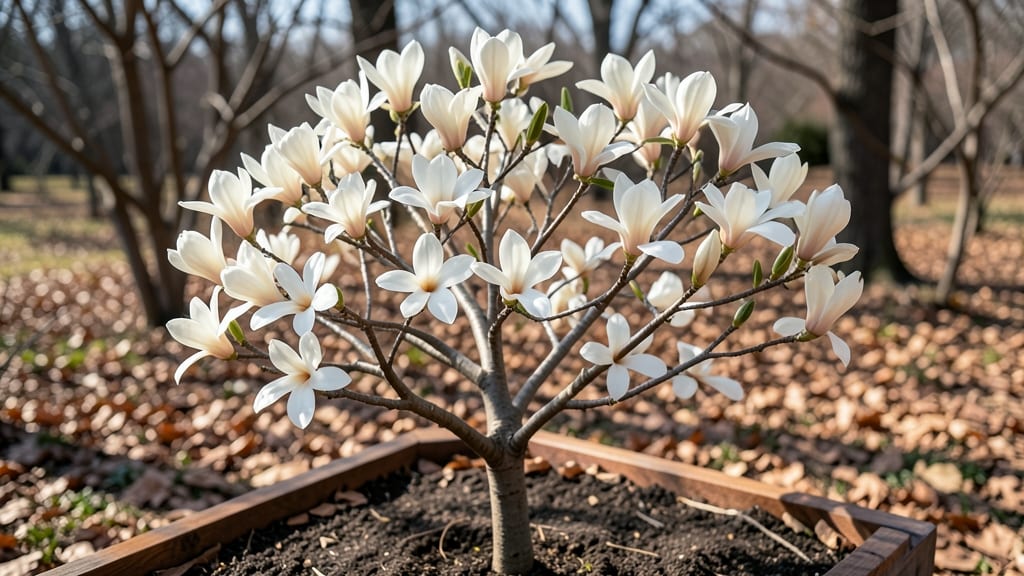
Cold hardy flowering trees bring color to Pacific Northwest winters without flinching. 🌿 I’ve planted mine through three zone 7 winters, and they’ve only gotten more spectacular each year—some even bloom before the snow melts.
The secret isn’t just picking the right species; it’s understanding how their roots and branches handle frost, wind, and wet soil.
You’ll want to focus on trees that thrive in zones 5-8, like serviceberry (which doubles as edible fruit), crabapple (with disease-resistant varieties), or dogwood (that blooms reliably even after heavy snow).
Planting in late fall or early spring gives roots time to establish before summer heat, and mulching with wood chips keeps moisture in during our famously rainy winters. Most need full sun, but a few—like winter honeysuckle—tolerate partial shade.
Once established, these trees need minimal care beyond annual pruning to shape them and remove dead wood. Water deeply during the first two summers, but after that, they’ll handle our damp springs and dry summers like pros.
The payoff? Stunning spring blooms, summer shade, and fall color that outshines anything you’d buy at a nursery. Your neighbors will ask how you pull it off—here’s the real trick.
Works for city yards, rural homesteads, or even small urban lots. We’ll cover the top five varieties, planting hacks for rocky soil, and how to layer them with perennials for year-round interest. Let’s get those roots in the ground.
📚 In This Guide
- What you need
- Instructions
- Tips and common mistakes
- Wrapping up and next steps
What you need
- ● Cold-hardy flowering tree saplings or bare-root plants (e.g., Magnolia, Crabapple, Serviceberry, or Dogwood—choose varieties rated for USDA Zones 5-8): 1–3 trees (depending on garden size and design goals)
- ● Ensure they’re disease-resistant and locally adapted for PNW conditions.
- ● Shovel or digging spade (for planting holes—12–18 inches deep and 3x the root ball width)
- ● Garden fork or tiller (to loosen soil, especially if compacted)
- ● Compost or well-aged manure (5–10 gallons) to enrich planting soil
- ● Native soil or balanced potting mix (avoid heavy clay—amend with peat moss or perlite if needed)
- ● Mulch (wood chips or straw) (2–3 inches thick, keep 6 inches away from tree trunk)
- ● Watering can or hose with a gentle spray nozzle (for post-planting hydration)
- ○ Tree stakes (optional but helpful for young trees) (2–3 stakes, 1.5–2 inches in diameter)
- ● Tie-down straps or soft fabric strips (to secure stakes without damaging bark)
- ● Slow-release fertilizer (e.g., 10-10-10 or organic options like fish emulsion)
- ● Soil pH test kit (to check acidity—PNW trees often prefer slightly acidic to neutral soil, pH 6.0–7.0)
- ● Tree guard or protective wrap (for young trees vulnerable to deer or rodents)
- ● Drip irrigation system (for consistent moisture, especially in drought-prone summers)
- ● Pruning shears (for shaping or removing dead branches post-planting)
Step-by-step guide for planting cold hardy flowering trees
Here’s how to plant resilient trees that thrive in Pacific Northwest winters.
🪴 Step 1: Choose the Right Location and Prepare the Soil
Pick a spot with 6+ hours of sunlight daily, avoiding low areas where cold air settles. Test your soil’s drainage—cold hardy trees hate soggy roots. Dig a hole twice as wide and slightly shallower than the root ball, loosening the soil at the bottom to encourage root spread.
Amend heavy clay soil with 2-3 inches of compost mixed into the native soil. This improves aeration and nutrient availability without overwhelming the tree’s root system. Cold hardy trees like dogwoods and serviceberries appreciate slightly acidic soil, so a light application of pine needles or peat moss helps if your soil tests too alkaline.
🌱 Step 2: Plant the Tree at the Correct Depth
Remove the tree from its container and gently tease the roots outward if they’re circling. Place it in the hole so the top of the root ball sits 1 inch above ground level. This prevents settling and potential waterlogging during heavy rains—a common issue in the Pacific Northwest’s wet winters.
Backfill with native soil mixed with compost, tamping lightly as you go to eliminate air pockets. Avoid compacting the soil too firmly, which can restrict root growth. Water deeply to settle the soil around the roots, then add a 2-3 inch layer of mulch (avoiding direct contact with the trunk) to retain moisture and regulate soil temperature.
☀️ Step 3: Water and Protect During Establishment
Water the tree once a week for the first month, then every 10-14 days thereafter, unless rainfall provides 1 inch of moisture. Cold hardy trees need consistent moisture, but overwatering in winter can suffocate roots. Use a rain gauge to track precipitation—this is especially critical in the Pacific Northwest’s variable climate.
For the first two winters, wrap the trunk with tree guard or burlap to protect young bark from rodent damage and temperature swings. Stake only if necessary—most cold hardy trees like serviceberries and magnolias establish well without support. Monitor for signs of stress like yellowing leaves or wilting, which often signals overwatering or poor drainage.
✂️ Step 4: Prune for Health and Winter Resilience
Wait until late winter or early spring to prune, when the tree is still dormant but before new growth begins. Remove any dead, diseased, or crossing branches first, cutting back to a healthy bud or branch collar. Thin the canopy to improve airflow, which reduces the risk of fungal diseases common in damp Pacific Northwest winters.
Cold hardy trees like serviceberries benefit from light pruning to open the center, allowing sunlight to reach lower branches. Avoid heavy pruning—never remove more than 25% of the canopy in one season. Seal larger cuts with pruning sealant to prevent disease entry, especially if your area has high humidity or frequent rain.
Tips & tricks for planting cold hardy flowering trees
Here's what I've learned after watching too many trees struggle in Pacific Northwest winters.
Location is Everything: Avoid planting in low spots where cold air pools—this is the #1 reason cold hardy trees fail. Look for slightly elevated areas with good airflow, especially if your yard has frost pockets. I've seen serviceberries thrive in full sun spots that get afternoon shade, while dogwoods prefer morning sun and afternoon shade.
Soil Prep Secrets: That 2-3 inches of compost isn't just about nutrients—it's about creating the perfect drainage balance. For heavy clay soil, mix in equal parts compost and coarse sand to prevent waterlogging. I always test drainage by digging a hole and filling it with water—if it doesn't drain within 2 hours, you need more amendments.
Root Ball Placement: That 1-inch above ground level rule is critical—settling can bury the trunk over time, creating moisture issues. I like to use a level to ensure the root ball sits perfectly straight, which prevents future leaning problems. For container-grown trees, gently squeeze the sides to encourage roots to spread outward before planting.
Winter Protection: Don't skip the tree guard for those first two winters—rodents and temperature swings are brutal on young bark. I've seen squirrels completely girdle saplings in winter. For extra protection, wrap the guard with reflective tape to deter pests. And remember, mulch should be 2-3 inches thick but never touch the trunk—this creates a perfect moisture barrier without suffocating the tree.
Pro Tips for Cold Hardy Flowering Trees
- Here's what I've learned after watching too many trees struggle in Pacific Northwest winters.
- Location is Everything: Avoid planting in low spots where cold air pools—this is the #1 reason cold hardy trees fail.
- Soil Prep Secrets: That 2-3 inches of compost isn't just about nutrients—it's about creating the perfect drainage balance.
Frequently asked questions
Got questions about cold-hardy flowering trees for your Pacific Northwest garden? You’re not alone! Here are some of the most common queries—plus straightforward answers to help you plant with confidence.
What’s the coldest temperature these trees can handle?
Most cold-hardy flowering trees thrive in USDA Zones 3–7, meaning they can survive down to -20°F (-29°C) or even colder, depending on the species. For example, Magnolia stellata (Star Magnolia) handles -30°F (-34°C), while Cercis canadensis (Eastern Redbud) tolerates -35°F (-37°C). Always check the specific variety’s hardiness zone before planting!
When is the best time to plant them in the PNW?
Fall (September–November) is ideal for planting cold-hardy trees in the Pacific Northwest. The cooler temps and consistent rain help roots establish before winter. Spring (March–April) is a close second—just avoid planting when the ground is frozen or during heatwaves. Pro tip: Water deeply after planting and mulch to retain moisture!
Can I grow these trees in containers?
Yes! Many cold-hardy flowering trees like Amelanchier alnifolia (Saskatoon Berry) or Prunus serrulata (Japanese Cherry) adapt well to containers, especially if you use a large, well-draining pot (at least 18–24 inches wide). Just ensure the container is moved to a sheltered spot in winter and watered regularly. Note: Container-grown trees may need winter protection (e.g., burlap wraps) in harsh microclimates.
Why aren’t my cold-hardy trees flowering?
Lack of flowers could stem from immature age (some trees take 3–5 years to bloom), poor sunlight (most need full sun), or stress (drought, transplant shock, or pests). Check your tree’s care requirements and consider fertilizing in early spring. If the issue persists, inspect for disease or nutrient deficiencies—your local nursery can help diagnose!
Are there dwarf varieties for small gardens?
If space is limited, opt for dwarf or compact varieties like Malus ‘Centennial’ (Dwarf Crabapple, 10–12 ft tall) or Cornus florida ‘Cherokee Princess’ (Dwarf Flowering Dogwood, 6–8 ft tall). These deliver stunning blooms without overwhelming your yard. Just ensure they still get adequate sunlight and airflow to thrive.
Still unsure? Drop your question in the comments—we’re happy to help you pick the perfect cold-hardy beauty for your PNW garden!
Wrapping up and next steps
Cold-hardy flowering trees are the perfect way to bring color, life, and resilience to your Pacific Northwest garden—no matter how chilly the winters get! 🌸 From the vibrant blooms of Magnolia to the delicate petals of Crabapple, these trees prove beauty thrives even in tough climates.
With the right care and placement, you’ll enjoy stunning seasonal displays for years to come.
Ready to transform your outdoor space? Start by sketching a simple layout—place your trees where they’ll shine, and watch your garden flourish! 🌿 (Pro tip: Check local nurseries for native varieties—they’re the easiest to grow!)