
Pruning
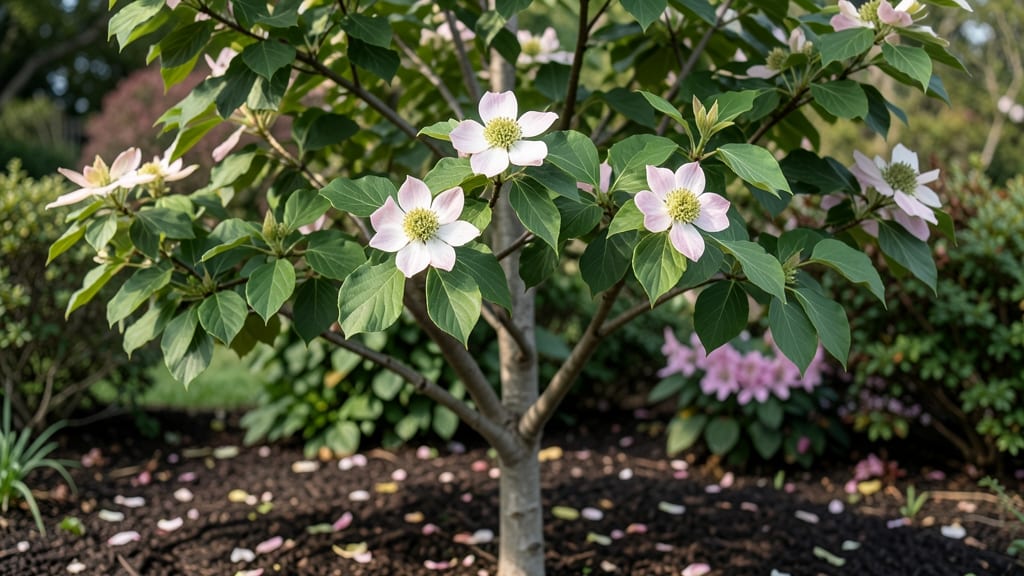
Caring for a flowering dogwood tree (Cornus florida) starts with understanding its delicate balance between bold blooms and long-term health. ✨ I’ve watched my own dogwood transform from a struggling sapling to a showstopper with precision pruning—the key to keeping it thriving for decades.
The secret isn’t just cutting branches; it’s timing, technique, and knowing when to step back.
Dogwoods demand well-draining, slightly acidic soil (think mulched beds or raised areas) and morning sun with afternoon shade—too much heat wilts those famous white blooms. Water deeply once a week during dry spells, but avoid soggy roots.
My tree’s first flush of flowers came after I stopped overwatering; now it blooms reliably every spring.
With the right approach, you’ll end up with a tree that’s disease-resistant, produces abundant blooms, and lives for generations. The pruning I’ll show you removes dead wood and shapes the tree to maximize airflow—cutting back just after flowering is the game-changer that keeps pests at bay.
Works for urban yards, woodland edges, or even large containers—just adjust spacing and support as it matures. Let’s get your dogwood on the path to becoming the standout tree in your neighborhood.
📚 In This Guide
- What you need
- Instructions
- Tips and common mistakes
- Wrapping up and next steps
What you need
- ● Pruning shears: Bypass pruners (sharp, 7–9" blades) for small branches.
- ● Loppers: 18–24" for medium branches (2–3" thick).
- ● Pruning saw: Curved-tooth saw for thick branches (3"+ diameter).
- ● Gloves: Heavy-duty, cut-resistant gloves (gardening or pruning-specific).
- ● Disinfectant: 70% isopropyl alcohol or 10% bleach solution (for sterilizing tools).
- ○ Sealer: Pruning sealant (optional but recommended for large cuts > ½").
- ● Ladder: Sturdy, extendable ladder (if tree is > 6–8 ft tall).
- ● Safety gear: Safety glasses and long sleeves (to protect from debris/sap).
- ● Tree wrap: Protective fabric for young trunks (prevents sunscald).
- ● Mulch: 2–4" layer of organic mulch (wood chips or shredded bark).
- ● Drip irrigation: Soaker hose or micro-sprayers for consistent watering.
- ● Fertilizer: Slow-release, balanced fertilizer (10-10-10 or tree-specific formula).
- ● Plant tie: Soft ties for supporting weak branches (if needed).
- ● Camera/phone: To document pruning progress (for tracking growth!).
Step-by-Step guide to year-round flowering dogwood tree care
Here's how to keep your dogwood thriving through every season—without guesswork.
🌿 Step 1: Plant in the Right Location and Soil
Dogwoods demand partial shade—think morning sun with afternoon shade—to prevent leaf scorch. I always test the soil first: dig a 6-inch hole, remove a sample, and check drainage. If water pools after 24 hours, amend with 2 inches of compost to improve aeration. The tree's root flare (where roots meet trunk) should sit 2 inches above ground level—burying it too deep suffocates the roots.
Spread the topsoil evenly around the hole, then water deeply to settle it. Mulch with 3 inches of organic mulch (like shredded bark) in a 3-foot diameter circle, keeping it 6 inches away from the trunk. This mimics the tree's natural forest floor conditions and retains moisture. Real talk: Dogwoods hate soggy feet, so avoid low-lying spots or areas with poor drainage.
✂️ Step 2: Prune for Health and Bloom Timing
Prune immediately after flowering (late spring) to avoid cutting off next year's blooms. Remove dead, diseased, or crossing branches first—they compete for energy and invite pests. I use clean, sharp pruners to make 45-degree cuts just above a bud or lateral branch. Never leave stubs; they invite rot and weaken the tree.
Thin the canopy to improve airflow by removing up to 25% of the smallest branches from the interior. This prevents fungal diseases like powdery mildew, which dogwoods are prone to. Watch for suckers (shoots at the base)—cut them off at the ground to redirect energy to the main trunk. Pro tip: If you see yellowing leaves in summer, it’s often iron chlorosis—apply chelated iron to the soil to correct it.
💧 Step 3: Water Deeply and Mulch Seasonally
Water once a week during the first growing season, delivering 10-15 gallons evenly around the root zone. Let the top 2 inches of soil dry between waterings—dogwoods hate soggy roots but won’t tolerate drought either. After the first year, they’re more drought-tolerant, but deep watering every 2 weeks in dry spells keeps them strong.
Replenish the 3-inch mulch layer every spring, spreading it 6 inches from the trunk. This conserves moisture and regulates soil temperature. In winter, add an extra 2 inches of mulch to insulate roots from freeze-thaw cycles. Here’s the thing—dogwoods are sensitive to salt, so avoid roadside planting or over-fertilizing with high-salt products.
☀️ Step 4: Protect and Monitor Year-Round
Watch for dogwood borers (signs include D-shaped exit holes and sawdust-like frass). If you spot them, apply beneficial nematodes to the soil in early spring. For anthracnose fungus (black spots on leaves), prune infected branches and apply copper fungicide in early spring before new growth starts.
In late winter, inspect the tree for cracks or splits in the bark—common in older specimens. Seal minor damage with pruning sealant, but don’t overdo it; dogwoods heal naturally. If the tree drops leaves in late summer, it’s likely dogwood anthracnose—remove fallen leaves and sterilize pruners with 70% isopropyl alcohol to prevent spread.
Tips & tricks for perfect flowering dogwood care
Dogwoods reward precision care with stunning blooms and lush foliage. Here’s how to avoid common pitfalls and elevate your tree’s health.
Soil Test Timing: The 24-hour drainage test in Step 1 is crucial—don’t rush it. If water still pools after this period, mix in an additional 1 inch of perlite or coarse sand to improve drainage. Dogwoods despise waterlogged roots, which can lead to root rot within weeks. I’ve seen trees decline rapidly when planted in heavy clay without proper amendments.
Pruning Precision: When making those 45-degree cuts in Step 2, focus on cutting just outside the branch collar—the raised area where the branch meets the trunk. This ensures proper healing and prevents unsightly scars. I mark the cut line with a pencil before pruning to avoid over-cutting. And remember: never prune more than 25% of the canopy in one season—this prevents stress that can weaken the tree.
Watering Wisdom: The 10-15 gallons per week guideline in Step 3 assumes average soil conditions. In sandy soil, you may need to water more frequently, while clay soil might require less. Always check soil moisture by inserting your finger 2 inches deep—if it feels dry, water again. Early morning watering prevents fungal issues from evening moisture, and using a soaker hose delivers water directly to roots without wetting the foliage.
Seasonal Mulch Strategy: That 3-inch mulch layer in Step 3 should be refreshed annually, but don’t let it pile up against the trunk—keep it 6 inches away to prevent rot. In winter, I double the mulch thickness to 5 inches for added insulation, but only after the ground freezes to avoid trapping moisture. Organic mulches like shredded bark break down slowly, enriching the soil over time with nutrients.
Pro Tips for Flowering Dogwood Tree Care
- Dogwoods reward precision care with stunning blooms and lush foliage.
- Soil Test Timing: The 24-hour drainage test in Step 1 is crucial—don’t rush it.
- Pruning Precision: When making those 45-degree cuts in Step 2, focus on cutting just outside the branch collar—the raised area where the branch meets the trunk.
Frequently asked questions
Got questions about keeping your flowering dogwood tree thriving?
Here are answers to the most common ones—from pruning timing to pest woes—so you can care for your tree with confidence!
When is the best time to prune a flowering dogwood tree?
Prune your dogwood right after flowering (late spring to early summer) to avoid cutting off next year’s blooms. Light shaping can happen in late winter, but avoid heavy pruning then—it stresses the tree. Pro tip: Never prune in fall or early spring, as this can invite disease.
Can I prune a flowering dogwood in winter?
Winter pruning is a no-go for dogwoods—it opens wounds to frost and disease. If you must trim in cold months, do so only in mild winters (like Southern climates) and avoid heavy cuts. Focus on removing dead branches instead.
Why are the leaves on my dogwood turning yellow or brown?
Yellowing leaves often signal overwatering or fungal issues (like anthracnose). Brown edges? It could be drought or nutrient deficiency. Check soil moisture, improve drainage, and fertilize lightly in early spring. For pests, look for dogwood borers—treat with neem oil if spotted.
How do I revive a flowering dogwood with no blooms?
No flowers? It might be over-pruned, under-fertilized, or stressed. Lightly fertilize in early spring, ensure full sun (6+ hours/day), and prune minimally. If the tree is young (<5 years), give it patience—dogwoods bloom best when mature.
Are there flowering dogwood alternatives for small yards?
Yes! Try Kousa dogwood (Cornus kousa)—it’s disease-resistant and blooms later. Serviceberry (Amelanchier) or Japanese snowbell (Styrax japonica) also offer stunning flowers with less fuss. All thrive in similar conditions!
Wrapping up and next steps
Caring for your flowering dogwood tree is all about balance—giving it the right attention, from precise pruning to seasonal nurturing. With the right tools, timing, and techniques, you’ll reward yourself with stunning blooms and a thriving tree year after year. 🌸
Now that you’re armed with expert tips, roll up your sleeves and get pruning! Start small, observe your tree’s response, and soon, your dogwood will be the star of your landscape. Happy gardening!