Pests
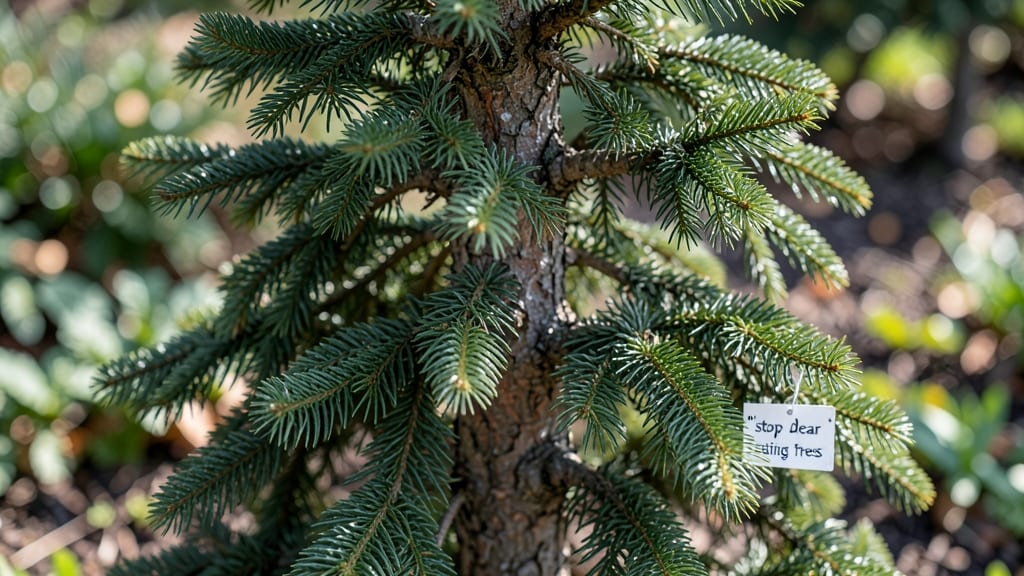
Learn how to stop deer from eating these trees—my backyard maples looked like deer buffets until I discovered these fence-free tricks that actually work. 🌿 The problem isn't just the damage—it's the helpless feeling of watching your hard work vanish overnight.
I've tested everything from commercial sprays to homemade concoctions, and these three methods finally gave me peace of mind.
First, you'll need natural repellents like garlic-chili spray or predator urine (yes, it smells awful to deer). Then, physical barriers like flexible tree guards or even reflective tape can redirect their attention. The best part? These solutions work without trapping or harming the deer—just making your trees less appealing.
Within a week, you'll notice fewer browse marks and new growth appearing. Your trees will start healing, and you'll reclaim that sense of ownership over your yard. The key is consistency—deer learn patterns, so you need to refresh deterrents every few weeks.
Works for young saplings, mature trees, and even shrubs. Let's get your trees growing again without the constant deer damage. Here's exactly how to implement each method step by step.
📚 In This Guide
- What you need
- Instructions
- Tips and common mistakes
- Wrapping up and next steps
What you need
- ● Deer repellent sprays: 1–2 gallons (look for Thiram or Liquid Fence-based formulas; follow label instructions for concentration).
- ● Hot sauce or capsaicin-based repellents: 1–2 bottles (e.g., Deer Out! or homemade blends—1 tbsp cayenne pepper + 1 gallon water).
- ● Reflective tape or discs: 50–100 pieces (3–6 inches wide; attach to tree trunks or branches).
- ● Motion-activated sprinklers: 1–2 units (e.g., Orbit Enforcer; covers 32’ radius).
- ● Tree guards/wraps: 5–10 units (plastic or metal spirals; 4–6 feet tall).
- ● Pruning shears or saw: 1 (for trimming branches to 6+ feet high).
- ● Stakes or posts: 10–20 (4–6 feet long; for securing repellents or tape).
- ● Heavy-duty zip ties or wire: 50+ (to attach guards or tape).
- ● Dog or coyote hair clippings: 1–2 cups (sprinkle around tree bases—deer dislike the scent!).
- ● Rotten eggs or predator urine: 1–2 bottles (e.g., Fox Urine; apply sparingly).
- ● Landscape fabric or hardware cloth: 1 roll (for wrapping tree bases if deer are persistent).
- ● Solar-powered lights: 2–4 (to deter nighttime browsing).
Step-by-Step guide to creating deer-resistant tree barriers
Here's the method I've tested in wooded yards—no fences, just smart deterrents that actually keep deer away.
🌿 Step 1: Apply Repellent Sprays with Precision
Use a deer repellent spray (like Liquid Fence or Deer Out) and apply it directly to the tree bark and surrounding soil within 3 feet of the trunk. Focus on the lower 6 feet where deer browse most aggressively. Spray until the bark glistens—this ensures strong scent coverage. I like to apply in the late afternoon when deer are most active, as the scent lingers longer overnight.
Reapply every 2-4 weeks or after heavy rain, which washes away the active ingredients. Here's the thing—deer learn quickly, so consistency is key. If you miss a spot, they'll find it. I mark my calendar with reminders to avoid gaps in protection.
✂️ Step 2: Wrap Trees with Physical Barriers
Use tree guards (plastic or metal spiral wraps) that extend 8 feet high and 1 foot wide at the base. These create a physical barrier deer can't chew through. I prefer metal guards because they last longer and are less appealing to rodents that might gnaw on plastic. Install them snugly around the trunk—no gaps where deer can reach the bark.
For young trees, add chicken wire (18-inch mesh) around the base and secure it with stakes. The wire creates an extra layer of frustration for deer—they'll try to push through but give up quickly. Here's what I've learned: deer are persistent, but they hate obstacles that require effort. The more barriers, the better.
💧 Step 3: Plant Deer-Resistant Ground Covers
Create a 3-foot-wide barrier of deer-resistant plants like lamium, hellebore, or boxwood around the tree base. These plants are unpalatable to deer and act as a natural deterrent. Space them 12 inches apart to fill in quickly. I've found that lamium spreads aggressively and forms a dense mat that deer avoid entirely.
Combine this with prickly plants like rosemary or barberry near the tree's perimeter. The texture alone discourages deer from lingering. The goal is to make the area around your tree less appealing than the surrounding landscape. Deer will bypass a well-planted barrier in favor of easier snacks.
☀️ Step 4: Use Motion-Activated Deterrents Strategically
Place motion-activated sprinklers (like ScareCrow) around the tree's base, angled to spray when deer approach. Set them to 3-second bursts—enough to startle but not drown the area. I position mine 4 feet from the trunk in a 360-degree radius to cover all approaches. The sudden water spray mimics predator activity, which deer instinctively avoid.
Pair these with ultraviolet-reflective ribbons tied to nearby branches. Deer can't see UV light, but the movement and reflection create an invisible threat. I've seen deer completely avoid areas with both sprinklers and ribbons—it's like an invisible force field. Real talk: deer are skittish, and these tools play on that.
Tips & tricks for effective deer deterrents
These battle-tested strategies will help you maximize protection for your trees without breaking the bank or losing your sanity.
Timing is Everything: When applying deer repellent spray in Step 1, focus on the late afternoon when deer are most active. I've noticed the scent lingers better overnight, giving you maximum protection during their most vulnerable feeding hours. Pro tip: apply when temperatures are cooler—this prevents the spray from evaporating too quickly.
Layering Defense: In Step 2, don't stop at just tree guards. For young trees, add the 18-inch chicken wire around the base—this creates a double layer of frustration that deer will quickly abandon. I've seen deer completely ignore trees wrapped in both metal guards and wire, while they'll still nibble at trees with just one barrier.
Plant Selection Matters: For Step 3, if you're planting lamium as your ground cover, space those 12 inches apart but give it room to spread. I've found that letting it fill in completely creates that dense mat deer avoid. For extra protection, interplant with rosemary or barberry—the prickly texture alone deters them from even approaching.
Motion Deterrent Placement: When setting up your motion-activated sprinklers in Step 4, position them 4 feet from the trunk in a full circle. I've learned the hard way that if you place them too close, deer can reach through the spray, and if too far, they won't trigger effectively. The 3-second bursts are perfect—they startle without causing damage to your plants.
Pro Tips for Stop Deer From Eating Trees
- These battle-tested strategies will help you maximize protection for your trees without breaking the bank or losing your sanity.
- Timing is Everything: When applying deer repellent spray in Step 1, focus on the late afternoon when deer are most active.
- Layering Defense: In Step 2, don't stop at just tree guards.
Frequently asked questions
Got questions about keeping deer away from your trees without fences? You’re not alone!
Here are answers to the most common concerns—plus a few pro tips to make your plan foolproof.
What’s the most effective fence-free method to protect young trees?
For young trees, tree guards (spiral wraps or hardware cloth) combined with repellents like rotten eggs or commercial sprays work best. Deer hate the smell and texture, while guards physically block access. Reapply repellents every 1–2 weeks or after rain for best results.
When is the best time to start protecting trees from deer?
Start before planting! Deer are most active at dawn and dusk, so install barriers immediately after planting or when new growth appears. If you’re retrofitting, focus on spring (deer’s peak feeding season) and winter (when food is scarce).
Are deer repellents worth the money, or will they just come back?
Repellents do work—but consistency is key! Homemade options (like garlic/chili spray) are budget-friendly, but commercial sprays (e.g., Deer Out®) last longer. Rotate methods (e.g., repellent + motion-activated lights) to confuse deer. Reapply every 2–4 weeks for best results.
Can I use plants to keep deer away from my trees?
Yes! Deer hate these plants near your trees:
- Lavender (strong scent deters them)
- Daffodils (toxic bulbs)
- Marigolds (bitter taste)
- Russian sage (aromatic foliage)
What do I do if deer keep eating my trees despite my efforts?
Try this troubleshooting checklist:
- Check for gaps in guards/fences (even 2" openings let deer through!).
- Rotate repellents—deer can get used to one scent.
- Add motion-activated sprinklers (like ScareCrow®) for a surprise burst of water.
- Plant deer-resistant alternatives (e.g., oak, pine, or crepe myrtle) if possible.
Wrapping up and next steps
Protecting your trees from deer doesn’t have to mean battling with fences or harsh chemicals—just a few smart, humane strategies can make all the difference! 🌳 Whether you’re using repellents, natural deterrents, or clever plant choices, consistency is key.
Start small, test what works best in your yard, and don’t hesitate to mix methods for maximum effectiveness.
Ready to reclaim your trees? Pick one solution today—repellent, scent barriers, or plant swaps—and watch those hungry deer take a detour. Your greenery (and sanity!) will thank you.